Outdoor lighting transforms paver patios, driveways, walkways, and pool decks. It brings spaces to life by adding ambiance, guiding guests, and enhancing safety after sunset. But in our experience at GCM Best Services, we’ve seen how even the best intentions can go sideways. It’s easy to overlook details or rush through decisions—only to end up with uneven light, frustrated family, and unexpected repair bills.
Paver lighting should highlight your landscape, not distract from it. That outcome requires thoughtful planning and the right approach for Florida’s unique climate, soils, and outdoor living styles. Below, we’ll describe the five most common mistakes homeowners make with paver lighting—plus practical steps to ensure you achieve the inviting, safe setting you want, season after season.
Small choices in lighting now shape how your outdoor space feels for years.
Outline
- Why paver lighting is popular in Central Florida
- Mistake #1: Ignoring a comprehensive lighting plan
- Mistake #2: Skimping on product quality or placement
- Mistake #3: Poor wiring, connections, or waterproofing
- Mistake #4: Overlooking drainage and environment
- Mistake #5: Forgetting about future maintenance
- Steps to avoid these mistakes
- Conclusion and next steps
- Frequently asked questions
Why paver lighting is popular in Central Florida
With our mild evenings and a culture built around outdoor living, Central Florida residents want to use their patios, driveways, walkways, and pool areas long after sunset. Paver lighting does more than make spaces usable at night:
- Adds dramatic curb appeal for homes and businesses.
- Boosts safety by reducing trip hazards along walkways and steps.
- Highlights garden beds, water features, and architectural details.
- Extends the time you can spend outdoors—hosting family, grilling, or relaxing.
But the look you love on Instagram or in a neighbor’s yard doesn’t just happen. As installers serving the Orlando area, we know how one wrong choice—or skipped step—can lead to patchy light, outages, or even costly repairs. That’s why it pays to learn from common missteps before you break ground.
Mistake #1: Ignoring a comprehensive lighting plan
On paper, outdoor lighting can seem simple. You may think: Just add a few path lights, or tuck a row of LEDs along the driveway or pool deck. However, we’ve seen how this “add as you go” approach leads to uneven results and missed opportunities.
Without a plan, lights can look random and fail to meet your real needs.
Why planning matters
- Lighting types differ—a pool safety light is not the same as a soft patio uplight.
- Power source and wiring routes should be mapped before any paver is laid.
- Landscape and hardscape features deserve to be intentionally highlighted.
- Poor planning results in dark spots, glare, or overlit areas.
- Retrofitting is much costlier than working lighting into your initial paver design.
When we design outdoor spaces at GCM Best Services, we coordinate paver, turf, drainage, and lighting scopes up front. For example, integrating lighting sleeves during the hardscape phase prevents costly trenching later.
Asking yourself these questions can clarify your vision:
- What areas do I want illuminated for safety vs. aesthetics?
- Is the lighting meant for pathways, patio ambiance, or to showcase plants?
- How will the lights be powered and controlled?
- Does the plan fit HOA guidelines and support accessibility?
By starting with a big-picture plan, you avoid disappointment and save money long term.
Mistake #2: Skimping on product quality or placement
Budget pressures are real. We often hear: “Can we just buy the cheapest lights from the store and install them ourselves?” In our experience, this usually ends with:
- Lights that fail after the first Florida summer storm.
- Fading, clouded, or brittle lenses caused by UV and humidity.
- Unbalanced illumination or glare that detracts from the landscape.
- Frequent repairs, causing frustration and extra expense.
Outdoor lighting products built for Florida are worth the upfront investment.
What to look for in quality lighting
- Waterproof ratings (IP67 or higher for in-paver and step lights).
- Rust-proof, UV-stable materials like marine-grade stainless or powder-coated aluminum.
- High CRI LEDs for true-color rendering and lasting brightness.
- A manufacturer’s warranty that will outlive a few rainy seasons.
- Appropriate voltage and fixture style for the needed function (e.g., soft pathway light vs. bright task light).
Placement also matters. Fixtures should be spaced to prevent both dark spots and overlap, and be aimed so no one is blinded walking up a path. Sometimes, a professional layout prevents mistakes you might not see on paper.
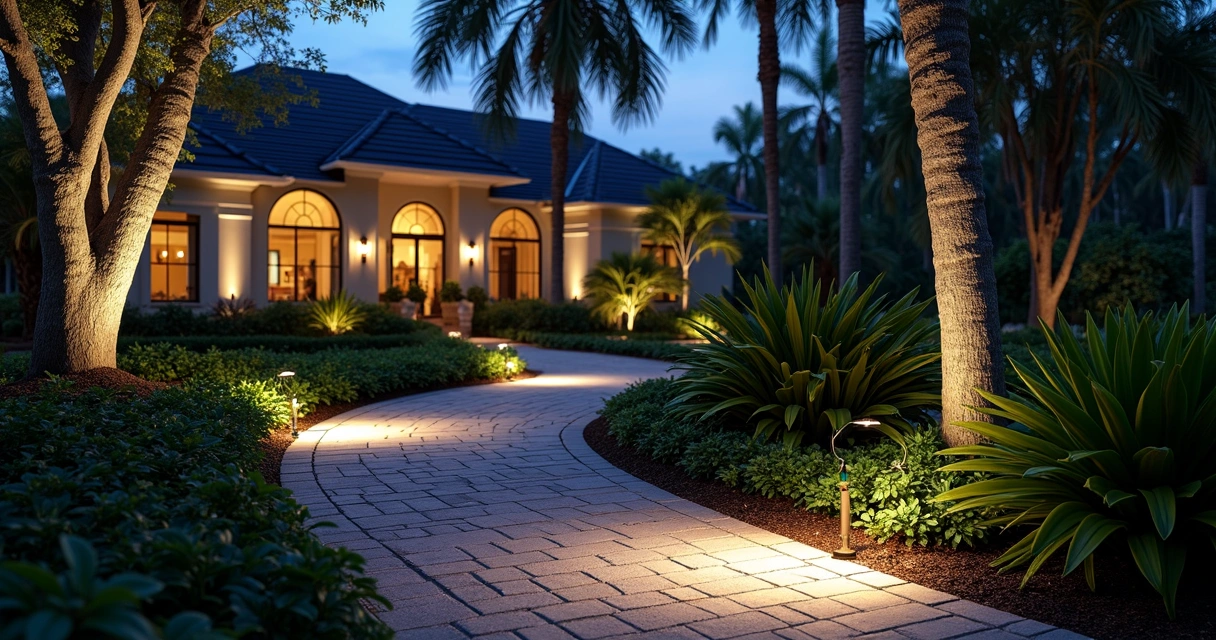
We recommend using a mix of light types: flush in-paver lights for driveways, uplights for columns or trees, and low-profile path lights for walkways. This layered approach creates both beautiful ambiance and practical safety for homes across Central Florida.
Mistake #3: Poor wiring, connections, or waterproofing
Paver lights live at ground level, taking a beating from rain, sprinklers, soil movement, and even car tires. In our years of servicing the Orlando region, some of the worst problems have come from what you can’t see—buried wire shorts, loose connections, or water in junction boxes.
If wiring isn’t protected, even the best fixture won’t last.
Smart wiring prevents headaches
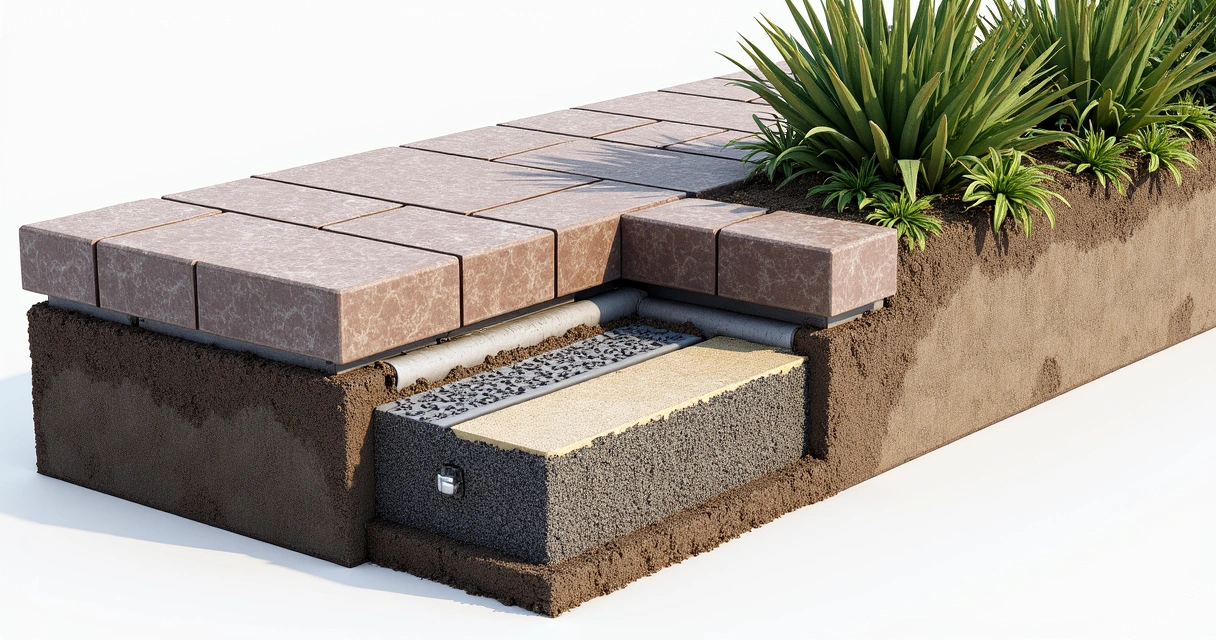
- All wiring beneath pavers should be rated for direct burial and run in conduit for extra safety.
- Splice connections must be waterproof, using gel-filled wire nuts or in-line connectors.
- Junction boxes and transformers should be located above grade and housed in dry, accessible spots.
- All installations must meet current electrical codes for outdoor low-voltage lighting.
- Timer, photocell, or smart controls should be installed with weather covers for Florida’s rainy season.
It’s tempting to skip steps or use basic indoor wire when it’s “just a patio light,” but these decisions often lead to outages right when you want to host friends or show off your home. Good wiring is invisible—but poor wiring always reveals itself in the end.
Mistake #4: Overlooking drainage and environment
Florida is famous for sudden downpours, humid nights, and the occasional hurricane. That means your outdoor lighting and hardscape must work together to manage water. We’ve encountered installations where paver lights became reservoirs after the first heavy rain or where a walkway was slick because lights were placed where water tends to collect.
Ignoring drainage can turn lighting from a luxury into a liability.
Make lighting part of your water management plan
- Use pavers and fixtures that drain water quickly or are rated for immersion.
- Install sub-base and drainage systems under pavers to prevent standing water. We cover this process in depth on our drainage solutions for brick pavers resource.
- Place lights above grade or in slightly raised spots where possible. Avoid low points or valley sections of your patio.
- Integrate trench drains, channel drains, or pop-up emitters to keep water away from electrical connections.
- For pool areas, use fixtures with higher waterproof ratings and anti-slip surface integrations.
At GCM Best Services, we always begin with a drainage assessment before laying concrete, pavers, or lighting. Even a beautiful installation isn’t successful if water is pooling around your lights a month later.
Mistake #5: Forgetting about future maintenance
Many homeowners think installing lights is a “set it and forget it” process. But just like pavers, all outdoor lighting needs some care—especially with Florida’s humidity, pollen, and summer storms.
Accessible design now prevents headache repairs tomorrow.
Maintenance should be easy, not a hassle
- Ensure access panels or removable pavers allow quick replacement of fixtures and wiring.
- Choose lights with standard, readily available bulbs, not hard-to-find specialty parts.
- Clear vegetation regularly to avoid fixture blockage and keep pathways safe.
- Schedule an annual check for corrosion, sealant deterioration, and secure wire connections.
- Keep transformer and junction box locations mapped and labeled for easy troubleshooting.
When you work with a contractor, request a maintenance guide and a warranty in writing. At GCM Best Services, we provide both, so your lighting investment pays back for years. We also guide our clients through related care on tasks like protecting patios from cracking and keeping weeds at bay in paver joints—check our best practices for weed prevention between pavers for more tips.
Good maintenance starts with smart installation.
Steps to avoid these mistakes
Paver lighting can be transformative when done right. To avoid common pitfalls, we suggest you:
- Start with a clear lighting plan. Map out where you’ll need light for safety, convenience, and beauty—before any hardscape work begins.
- Choose quality, weather-resistant fixtures built for outdoor use. Seek out vendors and contractors who stand behind their products with real warranties.
- Hire professionals—especially for wiring. Licensed, insured contractors in Orlando, such as GCM Best Services, always follow code and protect your home from avoidable risks. We’re happy to explain our approach any time.
- Integrate lighting with drainage and landscaping. For ideas on combining lighting with landscape design and hardscaping, see our projects on outdoor hardscape solutions and driveway or patio paving.
- Plan for maintenance from day one. Document where wiring and fixtures are located, keep a small stash of spare bulbs, and schedule annual system checks—just as you would for your air conditioner or sprinkler.
Following these basic steps can help every homeowner achieve outdoor lighting that is more than just decorative—it’s reliable, safe, and designed for our unique climate.

Conclusion and next steps
Paver lighting sets the mood, adds safety, and creates that “wow” factor in any outdoor space. But small mistakes—overlooked drainage, poor wiring, random placement—can subtract just as much as good lighting adds. At GCM Best Services, we’ve built our process around clear communication, careful planning, and delivering every project with written warranties and maintenance guidance. Our best advice? Don’t settle for guesswork.
If you’re planning a new driveway, patio, or pool deck in Central Florida, we’re here to recommend lighting, drainage, pavers, and finishes that work together for a lasting impression.
Ready to discuss your project or schedule a no-obligation assessment? Our Orlando team responds quickly and always follows through—with photos, clear costs, and pro advice you can trust.
Take the first step toward an outdoor space you love after dark.
Reach out to GCM Best Services today and discover the difference a thoughtful, professional installation makes.
Frequently asked questions
What are common paver lighting mistakes?
The most common mistakes include skipping a lighting plan, using low-quality or poorly placed fixtures, ignoring weatherproof wiring methods, forgetting about drainage, and not preparing for future maintenance needs. These can lead to uneven lighting, outages, and avoidable repairs.
How to choose the right paver lights?
Start by considering what you want to highlight—pathways for safety, patio for ambiance, or landscaping for curb appeal. Look for outdoor-rated LED fixtures with high waterproof ratings and UV-resistant materials to handle Florida’s weather. Make sure the style and brightness suit the function, such as in-paver lights for driveways or softer fixtures for patios.
Is it worth it to install paver lights?
Paver lights can dramatically boost your property’s curb appeal, safety, and usability at night, especially in Florida’s outdoor culture. Properly installed fixtures, with a good maintenance plan, hold up well and add value, whether you are at home, hosting, or considering resale in the future.
How can I avoid lighting mistakes?
We suggest starting with a written lighting and wiring plan, investing in quality products, working with an experienced contractor, and integrating lighting into your overall landscape and drainage design. Always document fixture locations and wiring for easy future maintenance.
What maintenance do paver lights need?
Routine care should include inspecting fixtures for debris or damage, checking that lenses are clear and connections tight, replacing bulbs or LEDs as needed, and clearing nearby vegetation. It’s also wise to schedule an annual check of wiring, transformers, and drainage performance to prevent outages or hazards. Professional installers like GCM Best Services provide written maintenance guidelines and service options.
Ready for a professional quote? 📞 (407) 250-1948 • 24–48h • Orlando, Tampa & area.