Living and working in Central Florida brings its own calendar. The sun dictates plans, but from late spring until fall, the sky often has the last word. With heavy afternoon rains, urgent cloudbursts, and humidity that never seems to let up, scheduling exterior projects can be a challenge. But we know from experience at GCM Best Services that the rainy season does not have to mean halted progress or disappointing results—it simply requires more careful planning, communication, and flexibility. In this guide, we’re sharing what we’ve learned after years of serving Orlando and Central Florida: how to get things built, painted, or upgraded, even when the weather isn’t always on your side.
Understanding Florida’s rainy season: When and why
The first thing anyone planning an outdoor upgrade in Florida should know is exactly when the rain is likely to hit and how it affects project timing. According to the National Weather Service Tampa Bay Area, Florida’s rainy season typically stretches from mid-May to mid-October. In Southwest Florida, this is from May 15 to October 15, and in West Central Florida from May 25 to October 10 (Florida’s rainy season).
Further north, data from the National Weather Service Melbourne indicates that the wet season in Daytona Beach has a median onset of May 30, ending around October 15. That’s approximately 141 days, during which the region receives nearly two-thirds of its annual rainfall (annual precipitation). The high humidity and consistent storms also impact everything from drying times to soil conditions (summer patterns).
Rain in Florida is predictable in its unpredictability.
With that in mind, let’s walk through how we can reliably schedule and complete exterior projects—whether that’s concrete driveways, screen enclosures, paver patios, paintwork, or turf installations—during these wet months.
Types of projects most affected by rain
Some projects are more sensitive to Florida’s summer moisture. Here’s how we see them, and why planning matters:
- Concrete work (driveways, patios, sidewalks): Concrete requires precise timing for pouring, finishing, and curing. Heavy rain risks surface damage, improper curing, or weakening of the slab—especially without diligent planning (preventing cracks in Florida concrete).
- Painting exteriors: Paint needs dry surfaces and curing time. Even high-build or elastomeric paints, designed for durability, can be compromised if applied too soon before a storm or on damp walls.
- Brick and paver installations: Paver bases must be compacted and dry, edges stable, and joints set with polymeric sand—none of which happens properly during torrential rain. Water under pavers can destabilize foundations (proper drainage for pavers).
- Screen enclosures and structural upgrades: Hardware installations, especially to code for hurricane resistance, are safest and most durable in dry conditions. Aluminum work and fastener upgrades need predictable weather windows.
- Artificial turf/landscaping: Laying turf over a saturated sub-base risks fungal growth and improper settling. Bonded seams rely on adhesives that need a relatively dry environment.
We always start by evaluating which projects have the greatest exposure to sudden storms or long damp spells, then plan accordingly.
Reading and using local weather data
One tool we never overlook is real-time weather data and historical patterns. Forecasts only get more accurate the closer you check, so here’s what helps us and can help you too:
- Hourly forecasts and radar, not just the daily overview. The National Weather Service provides updated satellite and Doppler radar data, which is more informative than a generic “chance of rain.”
- Humidity and dew point readings help us assess how quickly surfaces dry, so we avoid scheduling when conditions stay saturated even before rain.
- Storm history by zip code can help us spot patterns. If a region or neighborhood tends to get early afternoon showers, we’ll move up work for a morning finish or split tasks over several days.
- Communication with customers and HOAs, keeping them informed of why pauses are better than rushing. If it means a longer calendar but better outcome, most accept it.
Block out extra time; it’s rarely just one lost day. A two-hour downpour at noon can delay a concrete pour by another 48 hours for site drying and reset.
Strategies we use to work with the weather
We’ve learned a few approaches that make outdoor work during rainy season practical instead of stressful.
1. Flexible, phased scheduling
We rarely schedule large projects in single, unbroken blocks from May to October. Instead, we adjust the work calendar week by week—or even day by day, as the forecast becomes clear.
- Phasing means prepping everything that can be done in advance (like framing or base compaction), waiting for an ideal weather window, and then executing time-sensitive steps like pouring concrete or painting.
- A little patience pays off. Pouring even an hour before rain can compromise results, so we wait. For pavers, we often do base prep one day and lay/compact after a break in the rain.
2. Night and early morning work
Afternoon thunderstorms are the rule in Central Florida. Whenever possible, we schedule early morning starts or even night shifts (especially for commercial painting), minimizing the risk of mid-project rainout. This approach means less risk, faster drying, and often less disruption for our clients.
The sky is usually clearest before noon.
3. Site protection and staging
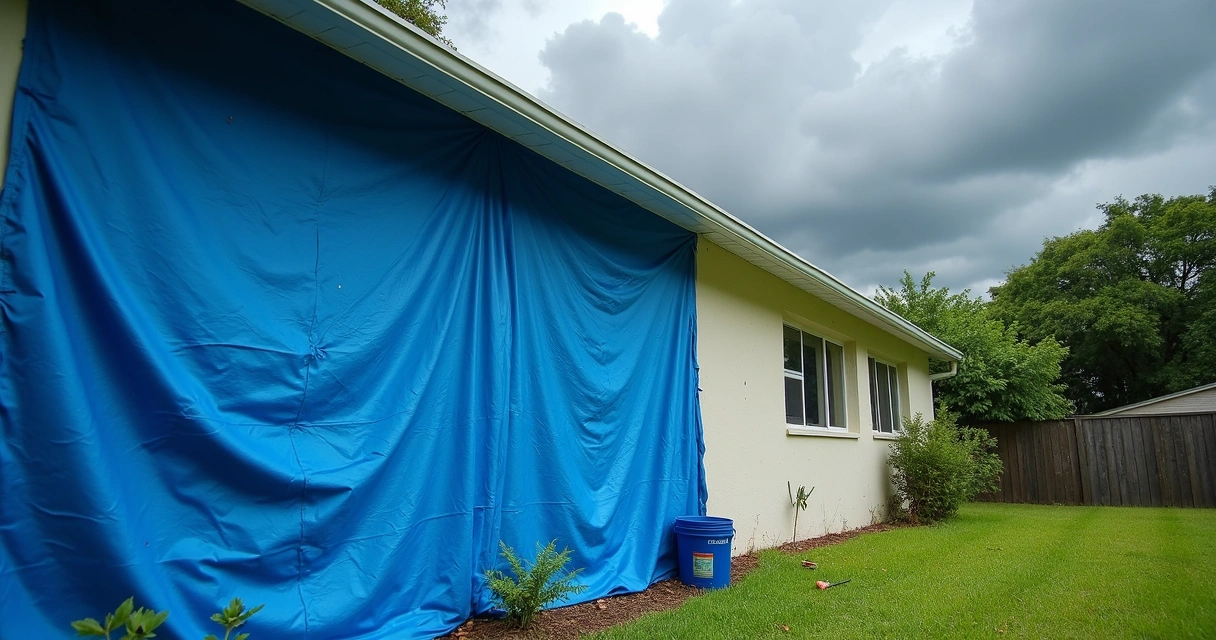
Before any job, we make sure the site is protected. That means temporary tarps, drain channels to divert unexpected runoff, and covered storage for materials like cement and sand. It’s a small effort that saves big repairs or delays.
4. Opting for fast-curing or weather-tolerant materials
We often choose quick-set concrete mixes, rapid-cure adhesives, or specially formulated outdoor paints that perform better in humid or changeable conditions. These products don’t eliminate the need for precautions, but they increase our success rate with tighter weather windows.
5. Communication at every step
Perhaps most of all, we stay in touch with clients, inspectors, and project managers every day. If the weather changes, so does the plan—and we explain why. “It may feel like we’re waiting, but we’re preserving quality, warranty, and safety.”
How we schedule specific projects around Florida’s rainy season
Let’s break down a few real-world examples from GCM Best Services to illustrate how different job types get scheduled during these months.
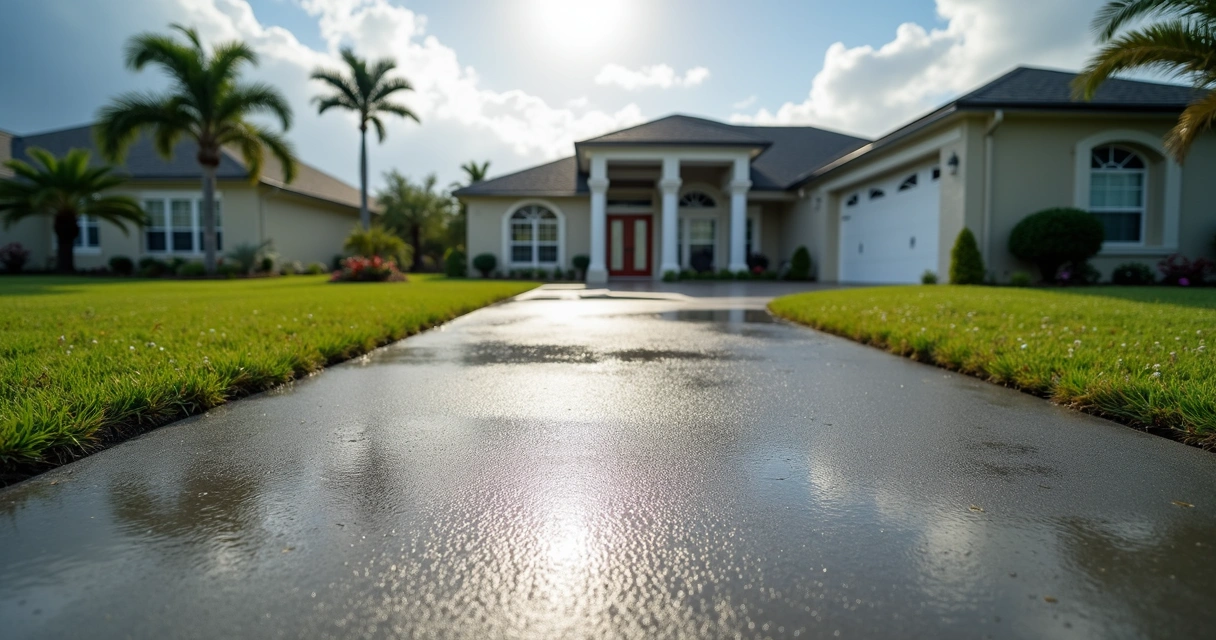
Concrete driveways, patios, and slabs
For all concrete work, we rely on a careful three-phase calendar:
- Sub-base and formwork: Can be completed in moderate weather, but heavy rain may cause standing water or poor compaction. We inspect and even re-compact if weather intervenes.
- Pours: Only scheduled when at least 12 hours of dry weather are forecast. Site must drain well—or we pause. If the slab is large, we may pour in sections so one area can be covered if rain appears suddenly.
- Curing and protection: After pouring, we use curing blankets, plastic sheeting, or wet burlap to keep surface moisture balanced, but rain can wash away curing compounds. In those cases, we cover the slab immediately after finishing.
This stepwise approach, combined with optimal mixes (3,000–4,000 PSI, rebar, robust joints), helps us deliver concrete jobs with long service life. To learn more about why these steps matter and techniques for driveways, our discussion on crack prevention in Florida concrete delves deeper.
Epoxy and industrial coatings
Epoxy garages or commercial floors sound simple, but moisture on the slab or ambient humidity can cause bubbling or poor adhesion. During rainy months, we:
- Perform substrate moisture testing before any application.
- Use dehumidifiers, heaters, or blowers if necessary. Sometimes, weekends or drier spells late in the week are the best shot.
- Schedule work when humidity, temperature, and ventilation allow a full cure overnight without storm interruption.
- If a sudden downpour threatens to blow into a garage or warehouse, we seal up entries and wait out the storm before resuming prep or coatings.
Fast return-to-service products like polyaspartic coatings offer advantages, but we don’t cut corners with site prep and weather checks.
Exterior painting
Painting is one of the hardest jobs to rush in Florida’s wet season. We carefully track:
- Dew point and humidity for at least 24 hours before and after application.
- Wall Prep: If substrates are even slightly damp, primer and paint will not adhere as designed. Sometimes, we test with a moisture meter before starting large walls.
- Night crews or early starts help take advantage of dry windows, especially for commercial projects where downtime is a concern.
- We stop painting at least 2 hours before forecasted rain to protect against water runs or streaking.
For projects that may be delayed and for additional advice, our guide on paving and scheduling in Orlando covers more ideas.
Brick, paver, and hardscape jobs
Since paver installations depend on a dry, compacted base, we take these extra steps:
- Excavate and prepare the sub-base while monitoring forecasts; pause if rain threatens and make sure no muddy spots remain before compacting.
- Install edge restraints, compact base again, and then only set pavers when two or more clear days are expected for polymeric sand application and sealing.
- We also plan drainage upgrades in tandem so water has a clear path away from hardscape, explained more in our post on drainage solutions for Florida pavers.
This thoroughness prevents the common issue of subsiding or weed-filled joints down the road (weed prevention methods).
Screen enclosures, lanais, and structural builds
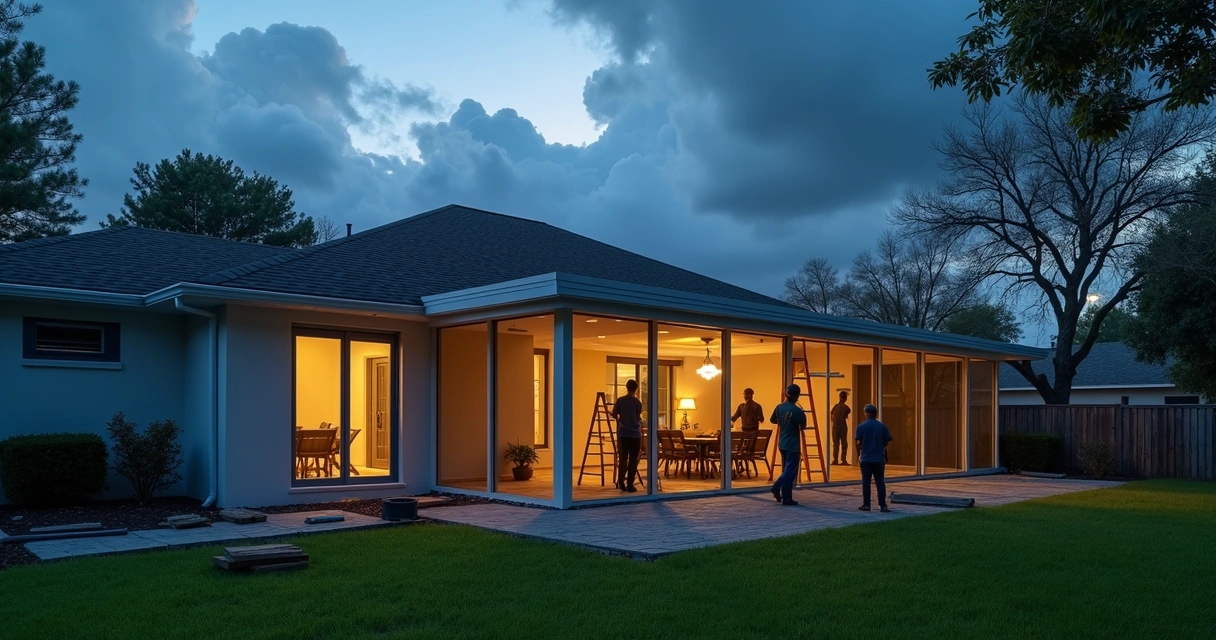
Wind and rain pose special risks for pool cages, screen enclosures, and hurricane-ready upgrades. When scheduling, we:
- Map out all anchor points, roof or wall tie-ins, and fasteners to code in advance—rarely starting new builds on a day with an afternoon storm risk.
- Stage materials carefully. Exposed aluminum cuts, panels, or mesh can warp or suffer damage if left even briefly in the rain.
- Focus on rapid framing and secure temporary bracing, so if a passing storm appears mid-project, nothing risks blowing loose or shifting.
We also plan for permit inspections and explain to HOAs why pausing for rain is actually a sign of quality, not delay.
Artificial turf and landscaping projects
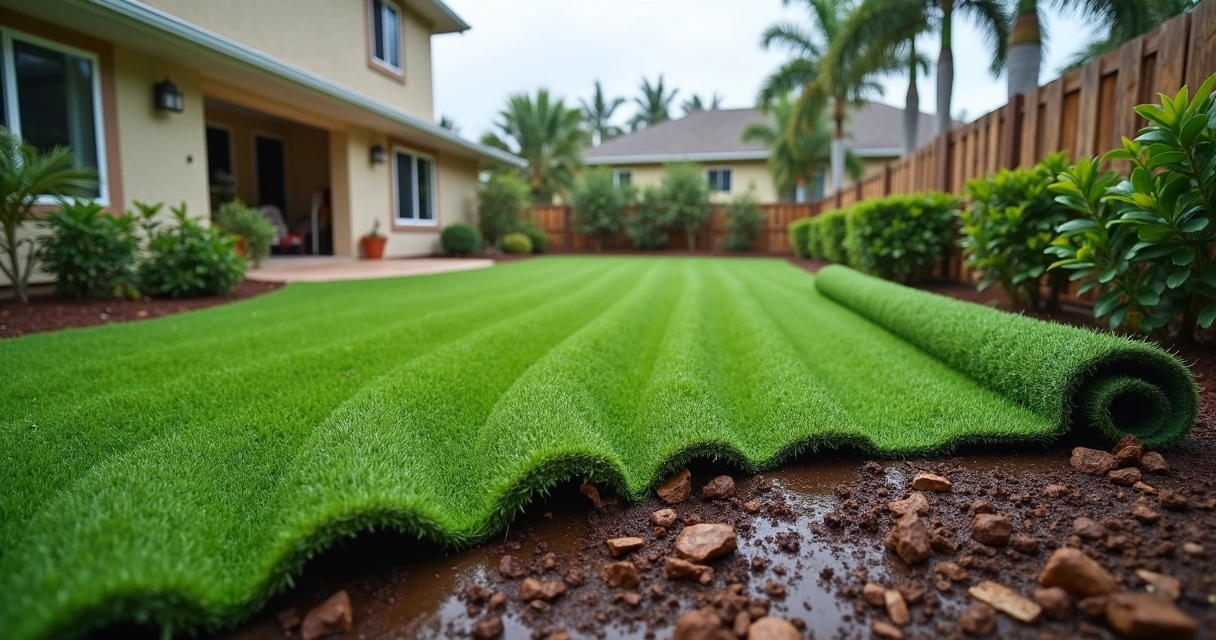
For turf, soil or base compaction must happen after at least 24–48 hours of dryness, more if sand or clay soils are present. Sod, seams, and infill all take better when the base is not flooded. During summer:
- Initial excavation is done during a dry week.
- Infill and turf are only set when a forecasted window gives us two dry days for proper settling and adhesive curing.
- Drainage planning is essential. No one wants puddles underneath that crochet-green grass. Our overview on hardscape approaches in Orlando describes turf integration strategies.
Tips for homeowners and property managers: How to help your project succeed
From our perspective, preparation goes both ways. Here are a few things we suggest to those planning projects during Central Florida’s rainy season:
- Be open to adjustments. Flexibility with the timeline allows for quality—projects rushed just before a storm often bring warranty calls later.
- Work with experienced, licensed contractors who show you their weather plan. We never guess; we share updated schedules, photos, and written guarantees at every step.
- Expect project managers to pause or shift work without notice if lightning, downpours, or unsafe surfaces occur. It’s about safety, not just completion speed.
- Prepare your site by trimming overhanging branches, cleaning gutters, and ensuring access points stay free of mud or water whenever possible.
- Ask for updates about material storage and on-site protection, especially if you have valuable landscaping or features near the construction zone.
With these steps, you reduce stress and encourage a better outcome—even when summer clouds surprise everyone.
What not to rush: Projects that benefit from waiting
We sometimes advise postponement for tasks needing several uninterrupted days of dry weather, especially major exterior painting, large-scale concrete slabs, or specialized coatings where surface moisture is a key factor. For multi-stage hardscape features or complex structural upgrades, sometimes a gap between rainy season’s end and hurricane season’s start is the safest choice. We’d rather wait than redo; most customers agree.
Our process in action: GCM Best Services’ approach
At GCM Best Services, our project flow always adapts to the realities of Florida’s climate. That means:
- Free on-site assessments timed with the real local forecast, not just a calendar slot.
- Detailed estimates with built-in allowances for rain delays.
- Handling permits and HOA paperwork as soon as a weather window is clear, so we’re ready to move the moment skies cooperate.
- Real-time communication and daily photo/documentation updates.
We believe this transparency protects both warranty and long-term satisfaction. Long after the clouds clear, your patio, driveway, or screen will still look and perform its best.
Conclusion: It’s possible—and worth it—to complete your project during Florida’s rainy season
With flexibility, communication, and the right planning, the rainy season becomes just another feature of Florida living, not a barrier.
We’ve built, poured, coated, and installed dozens of successful projects between May and October across Orlando and Central Florida. By respecting the weather, preparing every site, and focusing on quality over speed, we help our clients meet their goals—no matter what the sky says.
If you’re considering an exterior project and want to discuss the best strategy for your space or timeline, we’re ready to help with clear guidance, tailored scheduling, and a written warranty you can trust. Start with an on-site visit from the GCM Best Services team and discover how your upgrades can succeed—even under Central Florida’s wettest clouds.
Ready for a professional quote? 📞 (407) 250-1948 • 24–48h • Orlando, Tampa & area.
Frequently Asked Questions
When is Florida’s rainy season?
Florida’s rainy season usually runs from mid-May to mid-October, depending on location. According to the National Weather Service Tampa Bay Area, the timeframe is roughly May 15 to October 15 in the southwest and May 25 to October 10 in west-central regions. The season sees frequent thunderstorms, heavy downpours, and high humidity, making it the period when nearly two-thirds of Central Florida’s yearly rainfall occurs (annual precipitation data).
How to plan projects around rain?
Successful project planning during Florida’s rainy months means working with accurate forecasts, allowing extra buffer days, and scheduling weather-sensitive steps only during expected dry spells. We recommend starting early in the day, splitting projects into phases, and using protective covers for work sites and materials. Communication with your contractor is key, as is being ready to pause and reschedule when the forecast changes unexpectedly.
What projects can wait until dry season?
Projects that require several rain-free days—including large concrete pours, major exterior painting, and outdoor coatings—tend to benefit from waiting until the dry season. Likewise, if you have a complex hardscape, screen enclosure, or landscaping that demands perfect base preparation and curing, it may be safer and easier to delay until humidity and sudden storms let up.
Is it safe to paint during rain?
It is not safe to paint exterior surfaces during rain or immediately before/after rain due to poor adhesion and streaking risks. Even specially designed paints for humid climates require dry, clean surfaces and several rain-free hours for curing. At GCM Best Services, we use moisture meters when needed and always monitor forecasts; work is paused well before any expected precipitation.
How to protect work from sudden storms?
We use heavy-duty tarps, secure storage for materials, and additional drainage channels to quickly protect active work from surprise storms. For surfaces like fresh concrete or exposed base layers, we cover and anchor them at the first sign of clouds. Good site setup in advance and a responsive crew are the best defenses against Florida’s sudden summer weather, making sure quality isn’t compromised.
Thank you for your sharing. I am worried that I lack creative ideas. It is your article that makes me full of hope. Thank you. But, I have a question, can you help me?
Your point of view caught my eye and was very interesting. Thanks. I have a question for you. https://accounts.binance.com/ru/register?ref=O9XES6KU
Can you be more specific about the content of your article? After reading it, I still have some doubts. Hope you can help me.