As a company serving Orlando and Central Florida, we know firsthand what our intense storms can do to our homes and outdoor spaces. When it comes to safeguarding your pool enclosure against hurricane winds, choosing the right fasteners is often the decisive detail between lasting security and costly failure. Drawing on our years of delivering exterior projects as GCM Best Services, let us walk you through what matters most in hurricane-rated fasteners, mixing technical clarity with practical tips from our field experience.
Understanding hurricane forces and pool cage failures
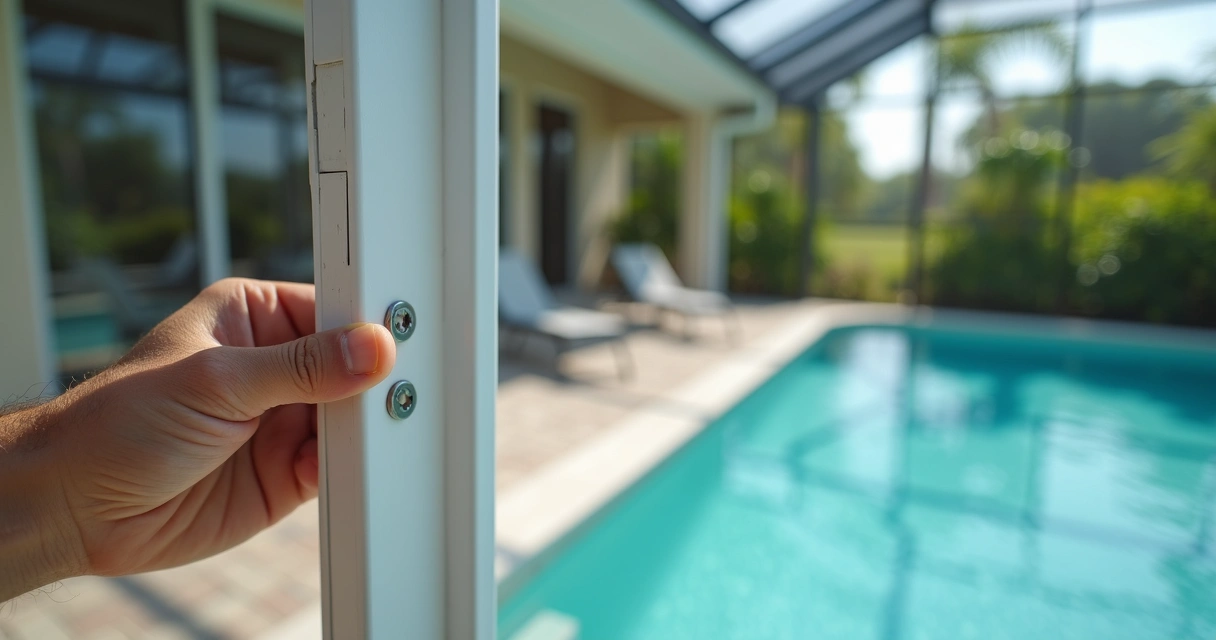
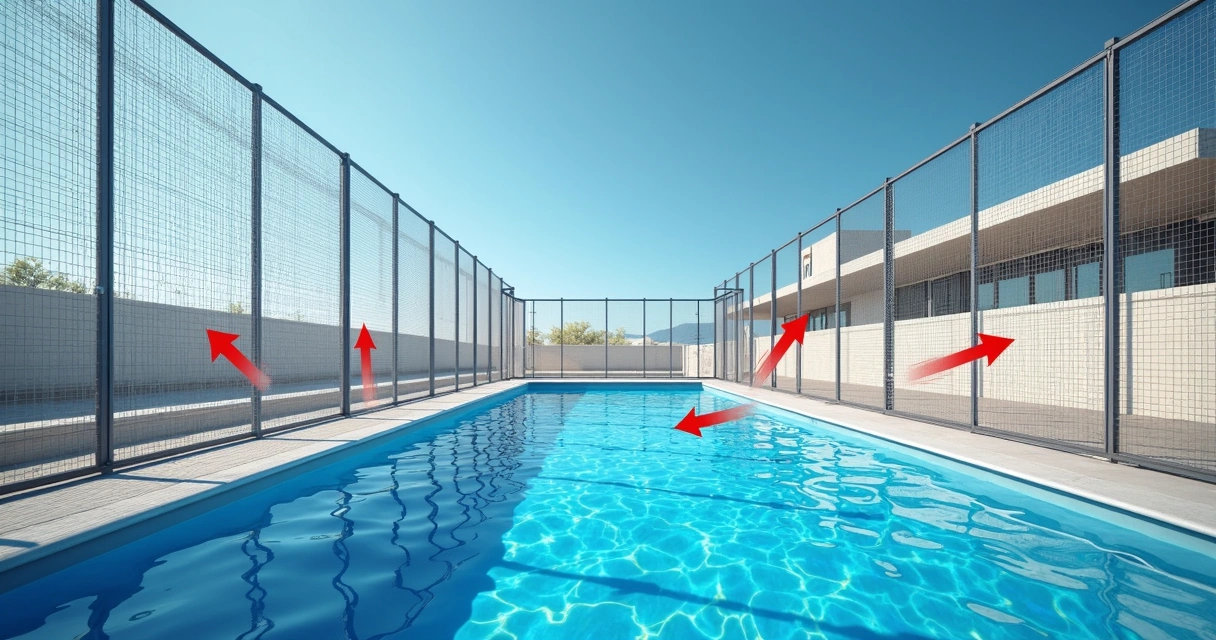
If you’ve lived through August in Central Florida, you already know: hurricanes are a true test of construction. The International Institute of Building Enclosure Consultants notes that billions in hurricane damage stem directly from failures at the attachment points—the very spots where fasteners matter most. For pool cages, it’s not about the aluminum frame alone, but how securely that frame is anchored to concrete, wood, or masonry.
Fasteners are the unsung heroes here. They must hold fast when wind bursts through, especially at corners and roof-to-wall junctions. Based on our site visits in Orlando, fastener failures commonly lead to:
- Panels detaching and flying debris
- Water intrusion around anchor points
- Full sections of enclosures collapsing
- Follow-on damage to pool decks, doors, and even nearby homes
We’ve seen even new enclosures ripped apart—just because fasteners were the weak link. Picking hurricane-rated hardware is more than code compliance; it’s genuine peace of mind.
What does “hurricane-rated” fastener actually mean?
We’ve all heard the phrase, but let’s be clear: There’s no universal product stamp for “hurricane-rated” pool cage fasteners. Instead, local codes and product testing guide what qualifies.
In Florida, current building codes—especially those referenced by the IBHS’s 2024 ‘Rating the States’ report—set wind pressures and connection requirements for exterior structures. A fastener passes the bar in a few ways:
- It meets minimum shear and pull-out strength, tested in real assemblies
- It uses corrosion-resistant materials (primarily stainless steel or approved coated steel)
- It’s installed in patterns and depths specified for the local wind speeds (often 140mph+ in Central Florida)
- It’s compatible with the substrate (concrete, block, wood, or composite)
The IBHS FORTIFIED program and the Florida Building Code both spell out performance, not just a product label. When in doubt, our team always double-checks submittals and test data before recommending hardware for your enclosure project.
The anatomy of a hurricane-rated fastener
We find that understanding what makes a fastener reliable for storm conditions helps homeowners ask the right questions. Here’s how we break it down:
- Material: Stainless steel is the local favorite (at least 304-grade, ideally 316 for coastal spots). It defends against rust in humid, chlorine-rich pool environments.
- Diameter and length: Thicker and longer fasteners mean more grip, especially into concrete or old block. Typical: 1/4” or 5/16” diameter, 2.5”–4” length depending on substrate.
- Thread type: Self-tapping (for aluminum-to-aluminum) and concrete anchors (for slab/base attachment) each have their role—and must be matched to the connection detail.
- Head design: Hex or pan heads are easiest to torque and inspect. Tamper-resistant heads are a bonus in wind zones.
- Protective coatings: Even better than passivated stainless is a polymer or zinc-aluminum coating rated for “severe” coastal exposure.
Florida building codes for hurricane fasteners
The Florida Building Code (FBC) is the official playbook for fastener selection. After decades of learning from storm aftermaths, inspectors now want evidence—not just marketing—of fastener strength and endurance. Our experience with GCM Best Services projects shows that getting permits approved faster comes down to offering precisely the right data.
The FBC uses “design wind speed” maps and exposure zones to set minimum pressures that fasteners—and the assemblies they join—must withstand. Some key takeaways for pool enclosures:
- Most of Orlando and Orange County fall into 140–150 mph zones.
- Attachment hardware must match published engineering specs, with fastener patterns tightly controlled.
- Corrosion-resistant fasteners are required everywhere within one mile of saltwater—or in pools using salt chlorinators.
- Documented products (ICC-ES, Florida Product Approval) pass permitting and HOA approvals much more smoothly.
What we see on the job is that, while the code sets the floor, going above those specs often avoids future headaches. We use a combination of FBC requirements, IBHS FORTIFIED program guidance, and direct engineering approval when planning each project.
Types of hurricane-rated fasteners used in pool cages
Let’s look at the most reliable types of fasteners applied in our installations throughout Orlando and Central Florida. Every connection in a pool enclosure has its own “ideal” hardware, chosen for a reason:
- Concrete wedge anchors: These create the main hold-down at the slab, set deep into cured concrete, resisting both pull and lateral shifting.
- Stainless steel lag bolts: Used where heavy beams or posts need to fasten to wood base plates or new framing.
- Self-tapping screws (stainless or coated): For aluminum-to-aluminum connections in the cage frame. They must be long enough to grip multiple layers where required.
- Structural anchors (approved by ICC or FBC): For high-load areas, like corners or roof tie-downs. These often go with matching hardware kits that document the ratings for local inspections.
- Tapcon-style concrete screws: In renovations or repairs, these may supplement wedge anchors, but we always check that they have an equal or better ICC/FBC listing as the ones being replaced.
One practical tip: Never mix regular zinc-plated steel with stainless on the same connection. Dissimilar metals can trigger galvanic corrosion, leading to premature failure—especially in steamy pool areas.
Why corrosion resistance matters in Central Florida
It surprises many homeowners just how rough our climate is on hardware. Between daily showers, high humidity, and pool chemicals, we see weak fasteners rusting through in as little as 18 months. The Florida Building Code and IBHS both push for corrosion-resistant fasteners for a reason.
The only good fastener is the one that lasts through many seasons.
In our work, we recommend:
- 316 stainless steel for homes near the coast or using salt pool systems (often labeled “marine grade”)
- 304 stainless steel for inland locations—like much of Orlando—that still see lots of rain
- Permanent polymer-coated steel fasteners (approved) where stainless is not available, always with extra warranty support
Every year, we do routine maintenance and see where inferior fasteners have lost their coatings or allowed rust, turning even strong connections brittle. The cost difference up front is minor compared to the years of added security.
How the right fasteners protect your investment
When we compare jobs that stand strong after hurricanes to the ones that fail, the lessons are remarkably consistent. The IIBEC experts note that code compliance in fasteners drastically reduces hurricane loss—but only if the materials themselves can withstand years of abuse, and are installed exactly as engineered.
For the pool cage, the core protection benefits are:
- Structural safety: Fewer risks of the enclosure collapsing onto pool decks, patios, or windows during storm conditions
- Insurance requirements: Some policies now verify hurricane-mitigation measures for discounts or mandatory coverage
- Maintenance reduction: Longer-lasting fasteners mean fewer costly repairs and less frequent replacement
- Peace of mind: Protect your family and guests, even if you’re away during a sudden tropical event
It’s about knowing each screw or bolt is a small part of a big, dependable shield. We explain this on every warranty walk-through—showing photos and the documentation to back it up.
Selection checklist: How we choose hurricane fasteners for your project
Every pool cage has its story—a history, a site, a purpose. That’s why our process at GCM Best Services is methodical:
- Site and code review: We start with wind-speed maps, exposure categories, and pool deck type, referencing the latest building code adoption and enforcement data as reported by IBHS.
- Existing structure inspection: Before any upgrade, we check for signs of prior corrosion, missing fasteners, or mismatched hardware.
- Engineer consultation (as needed): For complex cages—especially larger lanais or custom shapes—we get structural engineer calculations to specify size, spacing, and type of anchor.
- HOA and permit planning: We gather all documentation needed for city or HOA approval, smoothing out paperwork headaches.
- Product verification: Every fastener batch is checked for proper documentation, stainless/coating grade, and third-party test reports.
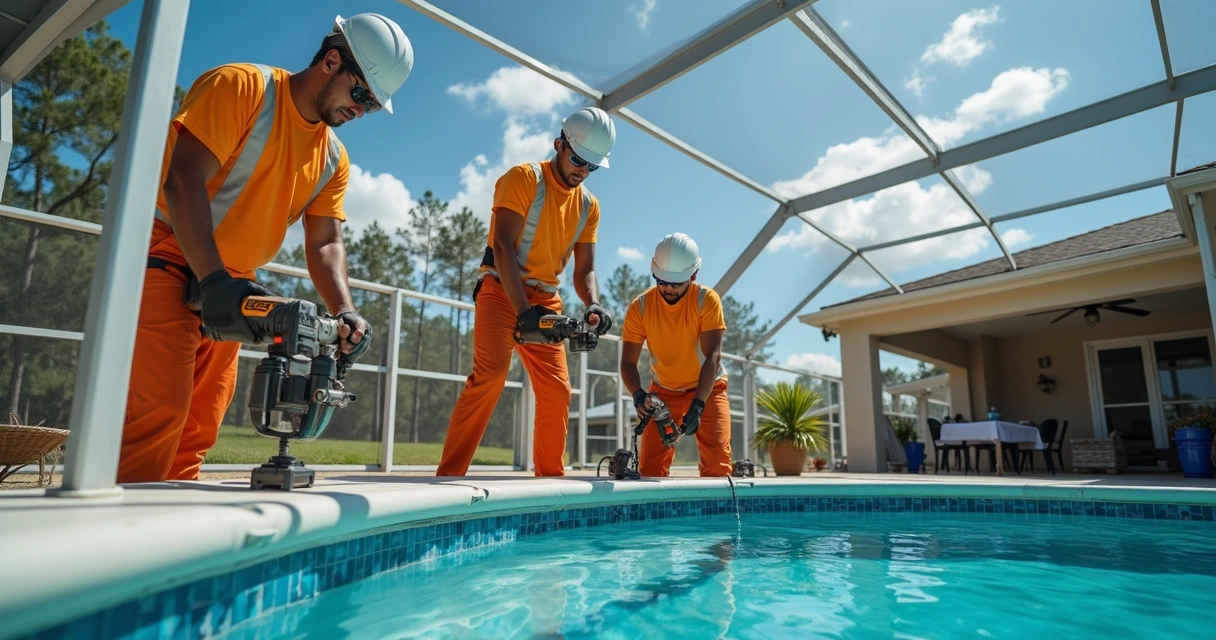
- Supervised installation: Our crews torque fasteners with the right tools, following pattern and depth exactly. Photos and reports are created for warranty support.
It’s a thorough process that’s paid off for hundreds of families in Orlando and the surrounding area. When we come back for a future repair, we want to see only shiny, solid fasteners.
When to replace or upgrade your pool cage fasteners
Many enclosures built before stricter codes—or using economy-grade hardware—will eventually show warning signs. If you spot rusty screw heads, missing bolts, or panels “shifting” after strong storms, it’s time for an assessment.
We’ve upgraded countless pool cages from basic zinc-plated screws (often failing within five years) to tested stainless steel kits. Typical triggers for fastener upgrades:
- Resurfacing or repainting the cage (an ideal time to address hidden corrosion)
- Adding a new section or modifying the enclosure layout
- Visible corrosion at connection points, especially near concrete or pool equipment
- Insurance or building inspector recommendations after a big storm event
Our process always starts with a free on-site review and a written estimate. From there, we can recommend the appropriate fastener upgrade—or a full enclosure reinforcement if needed.
What to ask your contractor about hurricane fasteners
Not all contractors offer the same transparency on what gets installed out of sight. We encourage homeowners to ask these questions before signing the contract:
- What grade of stainless or corrosion protection will be used for all main connections?
- Can you show me documentation for product approval, test data, or manufacturer’s specs?
- Will installation follow specific patterns and depth—aligned with permit drawings?
- How do you prevent galvanic corrosion with existing metal? (Especially if mixing with old hardware)
- Can I receive photos or reports after installation, for my insurance/warranty records?
You deserve answers. We stick by our standards—only hurricane-rated fasteners, proper inspection, and strong communication the whole way through.
How GCM Best Services applies these standards in Orlando
We’re proud that our approach at GCM Best Services does more than just tick boxes. In Central Florida, we’ve built a reputation by:
- Using only approved 304/316 stainless or polymer-coated anchors, never cutting corners on corrosion risk
- Keeping up-to-date with FBC and IBHS changes, including any new research on wind loading and fastener performance
- Managing permits, HOA coordination, inspections, and final walkthroughs with warranty support
- Documenting each project with before/after photos to prove the quality of fastener installations
- Integrating drainage solutions and other related upgrades for long-term storm resilience (learn more about our hardscape solutions here)
When you work with us, you’re not just getting stronger fasteners—you’re getting a partner aligned with the most current codes and best practices.
Comparing hurricane fastener options: Field-tested vs. theoretical
As with any home improvement, you’ll encounter a wide range of fastener products and marketing claims. Here’s how we cut through the noise:
- Tested performance always wins. We prefer fasteners with documented strength per ICC or Florida Product Approval. Certifications matter—especially in a city like Orlando where inspectors expect them.
- Quality over price. Skimping on fasteners has caused too many storm failures; a few extra dollars per enclosure buys years of security.
- Real project history beats lab-only data. We keep records of storm performance across Central Florida. Short-lived hardware gets crossed off our list quickly.
And if you’re interested in integrating your pool cage upgrade with other outdoor improvements (like new pavers, drainage, or summer kitchens), read our insights here. Coordination across trades is key to storm resilience.
Integrating hurricane upgrades with your outdoor improvements
Many clients combine pool cage upgrades with other hardscape improvements—driveway installations, patios, or even artificial turf. We recommend this approach for a simple reason: Hurricanes test everything at once. By combining projects, you can:
- Coordinate schedules and site prep for less overall downtime
- Match warranties and materials across all exterior features
- Ensure proper drainage and grade—reducing future risk of erosion near anchor points
- Achieve a single, clear warranty for both enclosure and hardscape
Want to see what this looks like? See some of our favorite hardscaping tips in our recent guides on outdoor upgrades, or check our tips on preventing weed growth between pavers for related maintenance insights.
Our experience has shown that investing a little more up front in hurricane-rated fasteners pays back many times over in real-life storms. The latest IBHS reports only reinforce what we see on the job every season.
Final thoughts: Make safety part of your poolside lifestyle
We believe every family deserves to enjoy their pool enclosure through many Florida summers—with less worry when the next warning is issued. In our hands, choosing hurricane-rated fasteners is a practical step to protect your investment and your loved ones. Along with expert installation and service, durable hardware is the backbone of true storm-ready outdoor living.
If you’re ready to discuss upgrading your pool cage, planning a new enclosure, or integrating with other hardscape projects like patios or summer kitchens, connect with us today for a free on-site review. Your safety, comfort, and property value are always our top priorities at GCM Best Services.
Ready for a professional quote? 📞 (407) 250-1948 • 24–48h • Orlando, Tampa & area.
Frequently asked questions about hurricane-rated fasteners
What are hurricane-rated fasteners?
Hurricane-rated fasteners are hardware products—such as screws, bolts, anchors, or lags—that meet specific standards for holding strength, corrosion resistance, and installation patterns as defined by building codes for wind-prone regions. In pool cages, these fasteners are selected and installed to prevent structural failure during high-wind events, using either stainless steel or specially coated steel with documented performance for the local environment.
How to choose fasteners for pool cages?
Start by checking your local building code’s requirements for pool enclosures, then select fasteners made of at least 304-grade stainless steel or approved corrosion-resistant coatings. Confirm size, length, and pattern match engineered drawings or product documentation; always avoid mixing metals to reduce corrosion. Choosing products with ICC-ES or Florida Product Approval assures they’ll pass inspection and last for years in Florida’s climate.
Are stainless steel fasteners worth it?
Yes, stainless steel fasteners are worth the investment for pool cages, especially in humid or saltwater environments. They resist rust and corrosion far better than standard steel, greatly reducing maintenance costs, risk of enclosure failure, and premature replacement needs—especially under the stress of Florida storms.
Where to buy hurricane-rated fasteners?
Hurricane-rated fasteners are available at building supply stores, professional hardware outlets, and from licensed contractors who specialize in outdoor structures. For best results, we recommend working with a contractor who provides documentation, warranty, and code compliance, such as GCM Best Services, to avoid mix-ups or installation errors.
What are the best fastener brands?
Rather than focusing on brands, prioritize fasteners with certified test data and compliance with Florida and ICC codes. We select only well-documented products with proven storm performance history for each GCM Best Services project, and always provide our clients with documentation to support our choices.