If you stand in front of your home or business and feel “something’s off,” you’re not alone. Achieving harmonious curb appeal is more subtle—and much more powerful—than most people realize. We always tell our clients that matching exterior finishes is about more than color and material. It’s a story about feeling proud, inviting, and ready to impress. In our experience at GCM Best Services, a well-matched exterior draws the eye, increases property value, and might even make you smile every time you turn in the driveway. Here’s how we approach matching exterior finishes for curb appeal that really works in Central Florida’s sun-soaked, storm-tested landscape.
Cohesion is the difference between forgettable and impressive.
Why curb appeal is more than looks
Curb appeal is the visual attractiveness of a property as seen from the street. While it’s easy to connect curb appeal with resale value, it actually shapes first impressions for visitors, neighbors, and even customers. Studies such as the research from The University of Texas at Arlington show that curb appeal can account for up to 7% of home value when selling. That’s not a small number.
Another survey, reported by the Texas Real Estate Research Center, found about 78% of real estate agents believe poor landscaping can have a direct negative impact on home values. Sometimes by as much as 20%–30%. Even one beautiful tree can boost a home’s value in the eyes of 91% of agents. If you’re thinking about concrete driveways, fresh paint, or a new screen for your lanai, know that you’re not just adding beauty. You might be boosting your investment too.
We always look at curb appeal as a balance of:
- Atmosphere: Mood and welcoming effect
- Architectural dimension: The way features fit the style of the structure
- Authenticity: Cohesion with your own taste and the neighborhood
These elements, according to studies published in the Journal of Property Research, make a measurable difference—especially when they come together.
What makes a “matched” exterior?
Matching finishes does not mean everything looks the same. In fact, good matching means things look like they belong—without blending into a boring sea of beige or gray. In our years serving Orlando and nearby cities, we see that a cohesive curb keeps the eye moving from driveway to entryway, to porch, to garden, and back to the front door.
Here’s what we consider key to a “matched” exterior:
- Consistent style: Colonial, Mediterranean, modern, ranch—keep a thread throughout
- Harmonious color palette: Not just matching, but colors that work together naturally
- Texture blending: Combining smooth and rough, glossy and matte
- Material transitions: Where surfaces meet, the meeting looks intentional
- Pro elements: Well-installed walkways, neat paint edges, and proper drainage
At GCM Best Services, we approach every project with these ideas in mind, whether it’s a concrete patio or a summer kitchen. Because every detail—right down to polymeric sand between bricks—matters when you want a look that lasts.
How to start: Understand your structure and its context
Before picking finishes or color swatches, we always encourage clients to step back. The home or business itself, and the setting, should drive finish decisions. A Spanish-style stucco house asks for something different than a craftsman cottage, just like a lakeside retail shop has different surroundings than a downtown office. Notice roof shape, window patterns, and even how sunlight hits your property at various times of day.
Consider:
- Any architectural heritage or dominant theme
- The setting—lush, sandy, urban, or lakeside
- Sun orientation—colors change in the Florida sun
- Existing “fixed” elements: roof color, neighboring properties, large trees
A good first step is to take some pictures at different times of day. Walk across the street. See what stands out, what fades out, and where your eye is drawn naturally.
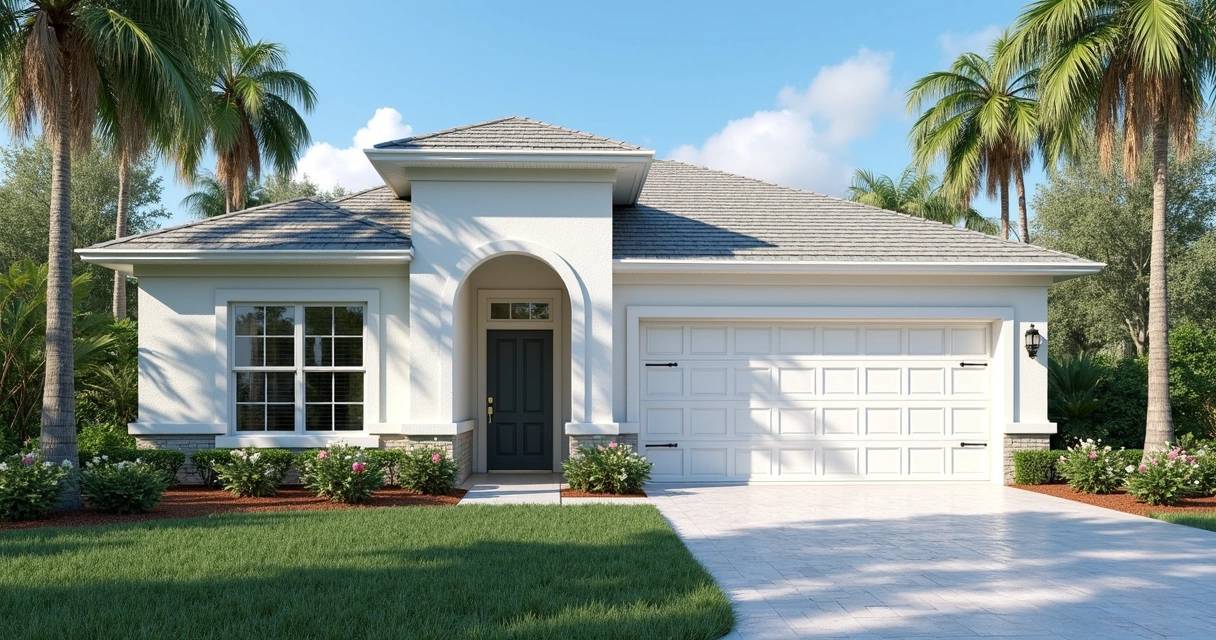
The most common exterior finishes (and how we match them)
Matching exterior finishes is partly about knowing the realistic options for Central Florida. We work with a variety of durable materials and integrate them from project to project. Here’s what we use most often at GCM Best Services:
- Concrete: Driveways, sidewalks, patios, and slabs. Broom, exposed aggregate, stamped, or colored finishes.
- Brick & Pavers: Driveways, pool decks, and walkways. In shades from sand to brick red, blends with edge restraints and lighting.
- Screen Enclosures: Pool cages, lanais, and porches in white, bronze, or black aluminum. Hurricane-resistant fasteners add strength.
- Exterior Paint: Stucco, wood, or masonry. Elastomeric, high-build, or classic latex for sun and moisture.
- Epoxy/Coatings: For garage floors, entryways, or retail porches. 100% solids and polyaspartic topcoats in flakes or quartz.
- Artificial Turf: Lawns, pet runs, and play areas with UV-stable fibers and bonded seams.
- Stonework and Summer Kitchens: Poured concrete, CMU block, or non-combustible panels with stone or concrete tops.
When matching these finishes, we balance color, texture, and reflectivity. For example, a deep gray driveway against a bright white home can ground the look. A sand-toned paver walkway complements warm paint and natural garden beds. Even small details, like the finish sheen of a screen porch framework, make a difference when the sun hits at three in the afternoon.
Why drainage and prep matter as much as finish
Finishes aren’t only about what’s visible on the surface. In Florida, water pooling or shifting soils can ruin even the best-matched look. We always integrate effective drainage planning to keep surfaces looking good and performing under heavy rain. Compact sub-base, quality joints, and correct slopes “behind the scenes” help the finishes we select stay strong and cohesive year after year.
Color: How to choose a palette that really works
Color is the most noticed—and the most misunderstood—part of matching finishes. It’s tempting to choose a favorite color and use it everywhere, but successful curb appeal is more about balance.
Here’s our approach to color matching for exteriors:
- Choose a base or dominant color that works with the structure’s roof or main siding
- Pick a secondary color for contrast or to accent “features” (columns, shutters, borders)
- Limit yourself to two or three accent colors for doors, flowerbeds, or decorative trim
- Repeat the same shade (in paint, pavers, or plants) at different spots to connect the look
- Check how colors look in sunlight, shadows, and in rain—Florida weather can shift tones
We often recommend using software or physical paint samples on surfaces to see how things actually appear. For pavers, it helps to lay sample stones on-site. When in doubt, we also look at established palettes for the style of property (Mediterranean, coastal, modern farmhouse, etc.).
Cohesive colors create flow, not monotony.
Don’t forget hidden details that can disrupt a palette: garage door colors, screen frame finishes, and even gutter materials. Each element should “speak” the same language, even in a supporting role.
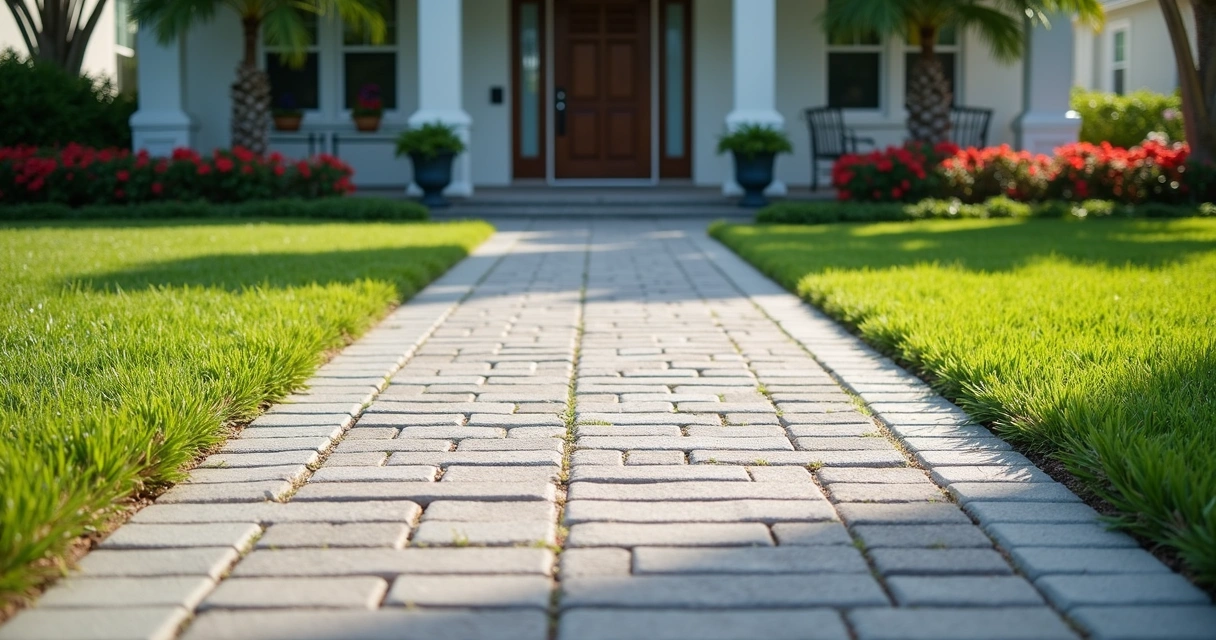
Texture and pattern: Adding depth without chaos
Texture gives character, but overdone patterns or mixing too many finishes can turn curb appeal into a jumble. In our experience, combining two main finish textures with one accent keeps things interesting without distraction.
Try to:
- Pair smooth concrete with rougher pavers or stone borders
- Use accent inlays (like stamped concrete edges) for visual markers on paths or patios
- Alternate matte and semi-gloss paint on trim versus siding for soft contrast
- Let landscape features—bark mulch, gravel, turf—act as the “third” texture
When a property already has a busy texture (fieldstone, pebble dash, or multi-tone bricks), simpler patterns for the driveway or walkways bring a sense of calm. Conversely, a very plain building can benefit from a bold geometric walkway or subtly streaked paint.
Finishes for light and weather
Central Florida’s climate means morning, noon, and late-day light all play tricks on texture and color. We always select coatings and materials that resist fading, mold, and heat. For instance, choosing lighter pavers can keep surfaces cooler to walk on and help a home “pop” during the golden hour. Durable finishes mean less repainting and replacement, which preserves your investment for years. Our written warranties and maintenance guides come from real-world conditions here.
Bringing it together: Tips for professional-level cohesion
Here’s what we’ve learned after hundreds of hardscape and finish upgrades from Clermont to Winter Park:
- Look for repetition. If a color, shape, or material shows up more than once—on the porch, driveway, and entry step—it feels natural.
- Transitions matter. The handoff between brick and concrete or turf and bed edging should look intentional, not accidental.
- Integrate lighting. Ground, pathway, and accent lights help unify the look at night (and boost safety).
- Future-proof the design. Choose finishes that will last and need little maintenance, especially with Florida’s humid, stormy weather.
- Add personal touches—mindfully. House numbers, mailboxes, garden art, and planters should fit the overall color and material theme.
One trick we recommend is to take a black-and-white photo of your progress. If the arrangement “reads” as harmonious without color, your finish and texture choices are aligned. Color only builds on this base.
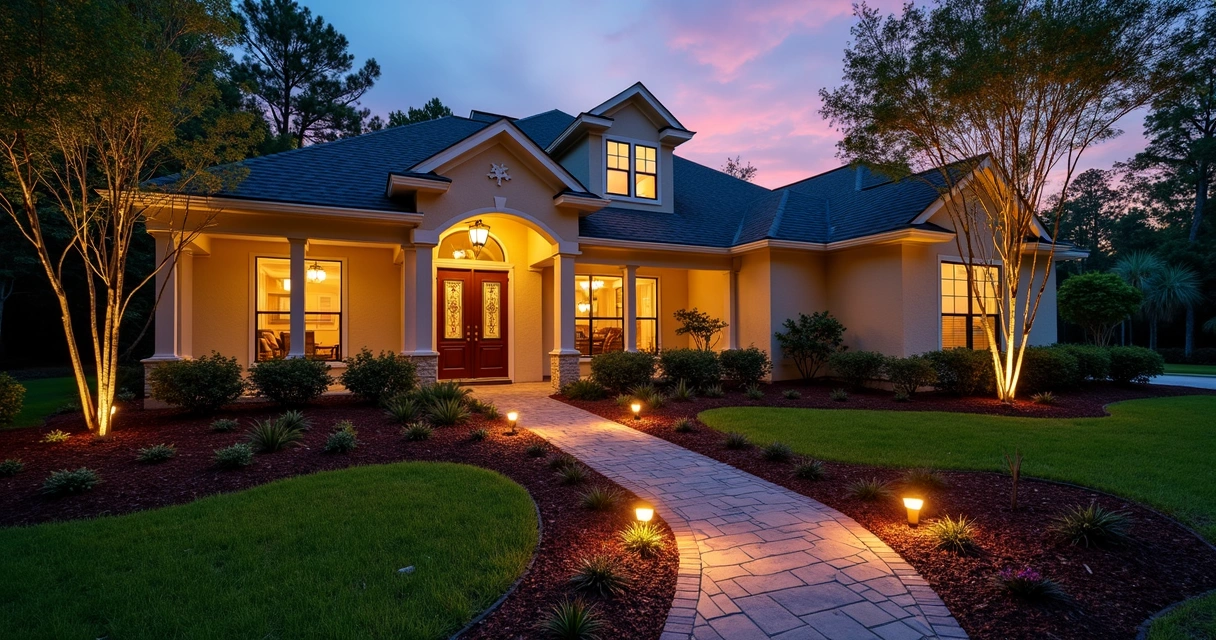
Applying the process: A sample walkthrough
To make it clearer, here’s a simplified outline of our finish-matching process for a typical Central Florida home update. Each step includes details we share during our jobsite walk-throughs:
- On-site assessment: Review the current driveway, walkway, porch, and landscape borders. Photograph and measure key features.
- Identify fixed elements: Roof color, walls, large shade trees, and any non-changeable fences or screens.
- Discuss style and personal preference: What is the desired vibe—classic, modern, cottage, or something else?
- Suggest material and color combinations: Match concrete shade to roof; border pavers to flower beds; select neutral wall paint to tie everything together.
- Plan texture variety: Decide which surfaces will provide visual “breaks” (like stamped concrete edges or a single bold door color).
- Select finishes: Choose coatings that are UV-stable and resist local weather for extra durability.
- Prepare a detailed estimate and draft a project schedule, keeping HOA requirements, permit needs, and drainage in mind. (We handle all of this at GCM.)
Success is when all these steps align—not just when the work is completed, but months and years after. Well-matched exteriors weather storms with style.
Integrating specialty finishes (and why details matter)
Central Florida homes often feature unique add-ons. These specialty finishes must be included in the overall design:
- Screened pool enclosures: Match framing to trim paint or roof color
- Artificial turf and pavers: Border with matching or contrasting stones
- Outdoor kitchens: Coordinate countertops (stone, poured concrete) with patio or house color
- Garage floor coatings: Use flakes or quartz colors that echo exterior accents
On larger commercial projects, we often match walkway pavers to exterior tile or match corporate colors for paint. Using a service like professional patio paving makes those transitions durable and safe, not just stylish.
Common mistakes (and how to avoid them)
Even the best-intentioned property owners can make mistakes when matching exterior finishes:
- Over-matching: Too much of one material, color, or texture looks flat and “forced.”
- Poor surface preparation: Weak sub-base, inadequate cleaning, or unsealed joints hurt long-term looks and performance.
- Ignoring weather: Using finishes not designed for intense sun, humidity, or heavy rain can lead to fading, chipping, or slippery surfaces.
- Mismatch at transitions: Where driveway, walkway, and bed borders meet, an awkward hand-off draws unwanted attention.
- Neglecting drainage: As noted in resources like effective drainage solutions for brick paver installations, without the right plan the most beautiful finishes won’t last.
Our process at GCM Best Services always includes on-site inspections and recommendations to keep properties both beautiful and functional.
A note on permitting, HOAs, and warranty in Central Florida
Sometimes the hardest part of matching finishes isn’t picking the right brick but getting the approval to use it. In most Central Florida communities, updates to driveways, walkways, paint colors, and even turf installations require HOA or city sign-off. We always handle permit, HOA communication, and final inspection paperwork as part of our service. A written warranty and post-project maintenance guide mean you’ll have backup if a surface fades or cracks prematurely. (For a detailed view, check our guide to choosing concrete contractors.)
Fixes for mismatched old finishes
Many owners inherit a patchwork of finishes—from past repairs, style changes, or DIY attempts. We often tackle upgrades where an old concrete driveway meets faded brick and a new paint job, but nothing seems to “go.” Here are some fixes we implement:
- Stain or tint existing concrete to match new surfaces
- Add new paver borders for definition
- Power-wash and reseal older bricks (sometimes in custom colors!)
- Repaint trim and accent features to create flow
- Blend new and old landscape beds with matching mulch or stone edging
Sometimes a few hundred dollars in upgrades make a mismatched property look like a designer project. Our maintenance and upgrade concrete repair resources can help if you’re handling part of the project on your own and just need a guide.
How to know when to hire a pro
Matching and installing finishes is an investment in your property. If you’re ever unsure about materials, prep, or what will stand up to rain and sun in Orlando, bringing in a licensed, insured contractor like GCM Best Services is the safest way to protect both curb appeal and value. A professional will:
- Recommend trusted materials (with samples)
- Develop drainage and sub-base plans for every hardscape
- Coordinate colors and textures across all features—and provide previews before any work begins
- Handle permitting and protect your home or business with insurance and warranties
For the DIY-inclined, our processes and warranty guides offer tips for lasting results. Just remember: prep, color matching, and professional installation mean fewer surprises (and less rework) down the road.
Conclusion: A home or business you’re proud to see
Matching exterior finishes for cohesive curb appeal is less about following trends and more about understanding your own space. The effect is more than just visual. A cohesive exterior feels safe, inviting, and increases the value of your property in every season—including the next storm or sale. At GCM Best Services, we’ve seen firsthand the difference a unified look can make. With the right plan, materials, and a little creative energy, any property can become a standout on the block.
Curb appeal isn’t just for others—it’s how you greet yourself, every day.
Are you ready to plan a coordinated look that captures the best of Central Florida? Start with an assessment and let us recommend the perfect materials, finishes, and colors to match your goals. Let’s turn your vision into a welcoming reality together.
Ready for a professional quote? 📞 (407) 250-1948 • 24–48h • Orlando, Tampa & area.
Frequently asked questions
What is curb appeal and why important?
Curb appeal is the visual attractiveness of a property’s exterior as viewed from the street. It shapes first impressions for guests, neighbors, and potential buyers. Research, including a study from The University of Texas at Arlington, shows that strong curb appeal can boost a home’s value by up to 7%. For businesses, it signals professionalism and care. In each case, good curb appeal means the property is noticed for the right reasons and maintains or increases its value over time.
How to choose matching exterior colors?
To choose matching exterior colors, begin with the property’s fixed features, like the roof and main siding, as your starting point. Select a base color that complements these elements, then add secondary and accent colors that offer contrast but maintain harmony. Try samples on-site in different lighting. Use the same color in small details (like trim or paver inlays) across different features for a tied-together look. Avoid picking too many bold colors—a palette of two to four, including accents, feels most cohesive.
What are popular exterior finish options?
Popular finish options in Central Florida include: stamped or broom-finish concrete for driveways and patios, brick or stone pavers for walkways, UV-stable artificial turf for lawns, elastomeric or high-build paints for exteriors, and custom coatings like epoxy for garage floors. Screened enclosures, stone veneer, and defined landscape borders are also common, all matched for weather durability and neighborhood style.
Is it worth mixing different textures?
Yes, mixing textures adds depth and interest to an exterior, as long as it’s controlled. Pairing a smooth surface (like concrete) with a rougher material (such as pavers) makes spaces pop, while using three or more distinct textures in one view can quickly feel cluttered. The key is moderation—one main texture, one contrast, and a subtle accent creates a balanced, inviting appearance.
Where to buy quality exterior finishes?
Quality exterior finishes should be purchased from reputable contractors, local suppliers, or through specialty services. Working with a licensed, insured local provider—like GCM Best Services—offers access to proven materials tested for Florida’s climate. We handle selection, installation, and warranty, ensuring each finish matches in color, durability, and overall impact for maximum curb appeal and peace of mind.