Primary keyword: repair and repaint faded brick pavers
Variants: restore color to old pavers, repaint weathered brick pavers, fix faded patio pavers
Audience: Orlando and Central Florida homeowners and businesses with faded, worn, or stained brick pavers looking to restore appearance, safety, and value.
Pain/Benefit: Faded, dull or uneven pavers look neglected, decrease your home or business appeal, and invite further wear. Restoring them refreshes curb appeal, improves longevity, and protects your investment.
Summary: Brick pavers brighten outdoor spaces, driveways, and patios—until years of sun, rain, and heavy use start to wear away their rich color. In Central Florida’s climate, UV rays and moisture can quickly fade and damage even the best installations. Our team at GCM Best Services has years of experience restoring, repairing, and repainting pavers for long-lasting results you can see and feel. In this step-by-step guide, we walk you through professional techniques, materials, and pro tips for bringing your faded pavers back to life.
- Why do brick pavers fade and get damaged?
- When to repair and repaint vs. replace?
- Planning and prepping: what to know before you begin
- Cleaning: essential steps for a long-lasting finish
- Repairing cracks, settling, and sunken pavers
- Color selection and paint types for pavers
- How to repaint faded brick pavers for a natural look
- Sealing for extreme weather resistance
- Long-term maintenance and tips
- Success stories and real repairs
- Conclusion and next steps
- FAQs
A fresh coat on your pavers brings new life to your whole property.
Why do brick pavers fade and get damaged?
Whether you walk on them daily or drive over them with your car, brick pavers are built to last—but nothing is forever, especially in Central Florida’s sun and rain. In our experience serving Orlando and the surrounding area, we see three main causes of fading and damage:
- Sunlight and UV rays—these break down color pigments and surface coatings over time, leaving bricks looking pale or washed-out.
- Rain, sprinklers and ground moisture—all of these can seep in and dissolve minerals, leading to efflorescence (white stains) and even erosion.
- Physical wear—from foot traffic, vehicles, patio furniture and pressure washing, which wears away both color and protective sealants.
Most pavers will begin to fade noticeably within 2–5 years, unless they are regularly maintained. This is especially true for unsealed or lightly sealed installations.
We have also observed uneven settling, cracked pavers and growing weeds or moss between pavers. All of these are natural over time, even with professional installation. Local municipalities have launched large-scale rehabilitation projects—for example, Champaign, Illinois, undertook projects to remove and re-lay bricks at nearly 50 locations, mainly because of settlement and unevenness (Champaign Brick Surface Rehabilitation Project).
You might also notice color loss on high-traffic areas, or where pavers are shaded year-round. If you see dark stains or slippery spots, this could indicate oil spills or mold growth—these must be removed before repairs or painting.
When to repair and repaint vs. replace?
The good news: you rarely have to start over with a full paver replacement. Most faded or lightly damaged pavers can be revived with thorough preparation, minor repairs, and correct repainting and sealing. But there are times when more drastic measures are needed. How do we decide?
- If the majority of pavers are in place, structurally sound, and only a few are cracked, you’re an excellent candidate for repair and repaint.
- If more than 30% of the pavers are severely cracked, loose, or missing, consider full or partial replacement. As Wheeling, Illinois, has shown with their curb-to-sidewalk paver maintenance projects (Wheeling 2025 Paver Brick Maintenance), sometimes a fresh start is most cost-effective.
- If color loss is the main issue, or there’s mild surface scaling, repainting and sealing usually restores appearance and protection.
In most Central Florida properties, we find repair and repainting is the most cost-effective and sustainable approach. Replacement is only for severe shifting, sunken bases, or widespread crumbling.
Planning and prepping: what to know before you begin
Bringing faded pavers back to life starts with a careful plan. At GCM Best Services, our process includes a free on-site assessment and a clear, written estimate. Here’s how we plan every successful restoration:
- Check for underlying issues: drainage, excessive shade, heavy vehicle use or sprinkler overspray.
- Assess for codes, HOA requirements and need for municipal permitting, as some cities require approvals for repainting or major repairs.
- Choose the right time—avoid the rainy season or long stretches of high humidity for best curing and results.
- Pick paint and sealants designed for Florida’s conditions—UV-stable and moisture-resistant.
- Plan for traffic interruptions. Most projects can be finished in 1–2 days for standard driveways or patios if weather and drying times cooperate.
We always recommend integrating drainage checks at this stage, to prevent recurring puddling or erosion. Learn more about the connection between drainage and paver longevity in our article Effective Drainage Solutions for Brick Paver Installations in Florida’s Climate.
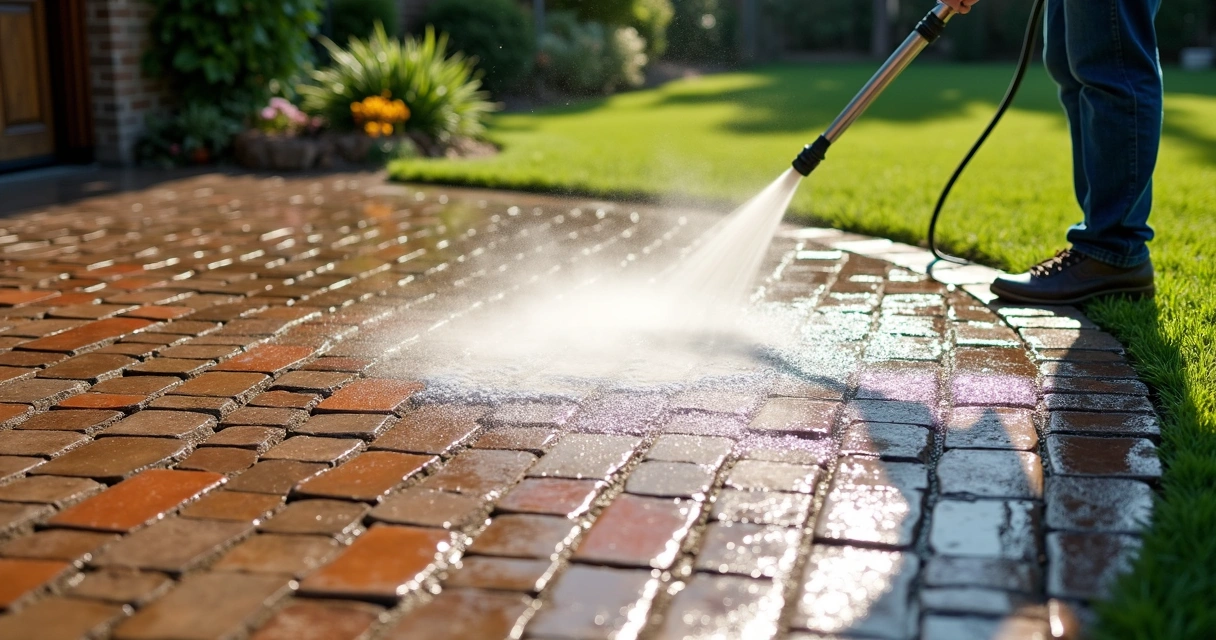
Cleaning: essential steps for a long-lasting finish
A successful repainting project depends on thorough cleaning—this step is never optional. Dirt, oil, moss or failing sealant will all prevent new coatings from sticking and can cause flaking or peeling soon after painting.
Here’s how we prepare pavers for a new look:
- Sweep away leaves, loose dirt and debris with a stiff brush.
- Pretreat grease or oil stains with a degreaser made for masonry. Let it soak in and scrub with a nylon brush.
- Power-wash the pavers at a moderate setting (usually 2000–2500 PSI) to remove embedded grime. Hold the nozzle at a consistent angle and distance.
- Rinse thoroughly and let pavers dry for at least 24 hours.
- Use a weed removal tool or flathead screwdriver to clear any grass or moss between joints. You’ll want open, clean gaps before re-pointing.
For driveways and high-traffic areas, check for sunken or loose bricks after cleaning. These will need extra attention.
Clean surfaces make for lasting results.
Repairing cracks, settling, and sunken pavers
Cracked, tilted or loose bricks are common in older installations—fortunately, most are easy to repair if you follow the right steps. We have learned from city, municipal and highway paver rehab efforts that restoration is possible without losing historic charm. Covington, Kentucky’s intersection paver projects preserved old brick while improving function (Covington paver restoration).
Our proven process is as follows:
- For minor surface cracks: Use a flexible, colored masonry filler or polymeric sand. Apply it into the crack with a putty knife, smooth flush, and allow to cure fully.
- For loose or sunken pavers: Pry up the affected brick(s) using two flathead screwdrivers. Check the base. If sand or aggregate has washed out, add new bedding sand, level, and reinstall the brick. Tamp down and re-sweep sand into the joints.
- For brittle, crumbling bricks: Replace with matching bricks. Salvage what you can. You can blend old and new (or even antique) bricks for subtle character.
- Re-check all pavers for stability before proceeding to painting.
Need more on thorough installations and maintenance steps? Our Definitive Guide to Brick Paver Installations covers everything from sub-bases to sealing.
Color selection and paint types for pavers
Now comes the fun part—choosing your look. Select a color and product that will protect and beautify your pavers in our warm, wet, sunny climate.
- Water-based acrylic paints and stains are easy to apply, UV-resistant, and breathe well—excellent for new color without hiding the paver’s texture.
- Solvent-based sealers with pigment offer rich color but can darken the natural brick and are best for deep, uniform results.
- For a more subtle look, penetrating color enhancers soak in, bringing faded colors back to life without a painted appearance.
- Always choose products labeled “driveway” or “concrete/paver” safe. Interior or wall paints are not suitable for exterior paver use.
Pick a color that coordinates with your home’s exterior, landscaping, or commercial brand palette. Neutral reds, browns, tans and charcoals are popular in Central Florida for their ability to mask future dirt.
For larger projects or commercial spaces, we can help color match to existing branding or HOA guidelines. Durable, elastomeric high-build coatings offer added protection for businesses needing night work or fast return-to-service, just as described in our Driveway and Patio Paving Services article.
How to repaint faded brick pavers for a natural look
Painting or staining brick is more art than science—our team uses steady hands, quality tools, and step-by-step attention to detail. Here are our secrets to a natural, professional finish:
- Work only when pavers are dry (moisture in the brick or between joints can trap water and cause bubbling).
- Mask off surrounding areas—grass, planter beds, edges, and driveways you wish to keep untouched.
- Mix or shake stain or paint thoroughly. Pour into a paint tray for roller application, or bucket for brush/airless sprayer.
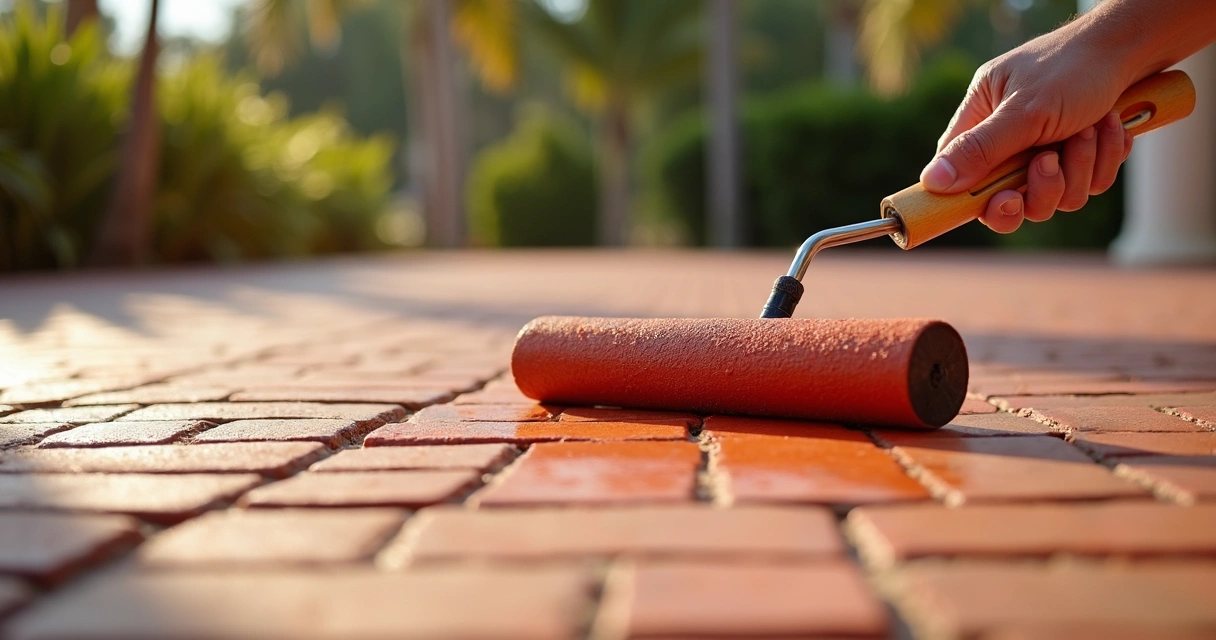
- Use a roller for most of the surface; a brush for edges and joints. For deeply textured pavers, consider a pump sprayer for even penetration.
- Apply one even coat at first. Let dry for 2–4 hours (or as product directs). Add a second coat if a richer color is required.
- Check coverage in natural daylight. Touch up any streaks or missed spots.
- Allow the pavers to dry and cure fully (24 hours, or up to 48 in cool or humid conditions).
For a timeless effect, use a mottled technique or blend two similar colors—this can mask past repairs and create a more antique look.
Sealing for extreme weather resistance
The right sealant is the final step. Sealing protects your hard work, locks in fresh color, and guards against UV rays, stains, and water damage for years.
- Use a breathable, UV-stable, non-yellowing sealer designed for brick or clay pavers.
- For maximum slip resistance, choose sealers that can be mixed with anti-skid additives. This is a must for pool decks or businesses with high foot traffic.
- Apply with a roller or garden sprayer, following the manufacturer’s guidance and environmental safety instructions.
- Keep traffic and pets off until completely dry—usually 24 hours for light use, up to 48 for cars.
Reapply sealant every 2–3 years, or if you notice water soaking in quickly, color fading, or increased staining. For reference, most city maintenance guidelines recommend frequent inspections and resealing cycles, in line with professional standards shown in city projects across the US.
Long-term maintenance and tips
With proper cleaning, painting, and sealing, you can expect your pavers to look revived and stay vibrant for years. Here’s how to keep them at their best:
- Sweep and clean regularly to prevent mold, weeds, or buildup in joints. See our guide to preventing weeds between pavers for helpful tips.
- Spot-clean stains immediately. Avoid harsh chemicals—stick to gentle, paver-safe cleaners.
- Check joints for sand loss after big storms. Top up joints with polymeric sand if you see gaps.
- Monitor shade and drainage. Persistent puddles? Adjust drainage as recommended in our Hardscape Solutions for Orlando resource.
- Plan for periodic touch-up of paint or sealer as color fades over the years.
Long-lasting beauty starts with regular maintenance.
Success stories and real repairs
We see firsthand how much a clean, repainted paver surface can change an entire property’s look and feel. One Orlando homeowner, frustrated by his sun-bleached driveway, called us after a summer rainstorm left water stains and moss patches. After cleaning, replacing a dozen cracked bricks, and applying a color-stabilized seal, he could barely believe it was the same drive. His curb appeal was instantly restored.
Commercial properties, too, benefit from regular maintenance cycles. For businesses on tight schedules, we offer night work and fast-drying coatings, as we note in our team’s process. Like public paver restoration contracts, consistent tender-loving-care keeps repair costs down and results up over time.
Projects like those in Covington and Champaign show that even historic pavers can be refreshed and protected with expert guidance, the right tools, and some attention to detail.
Conclusion: Your pavers, your pride, your property
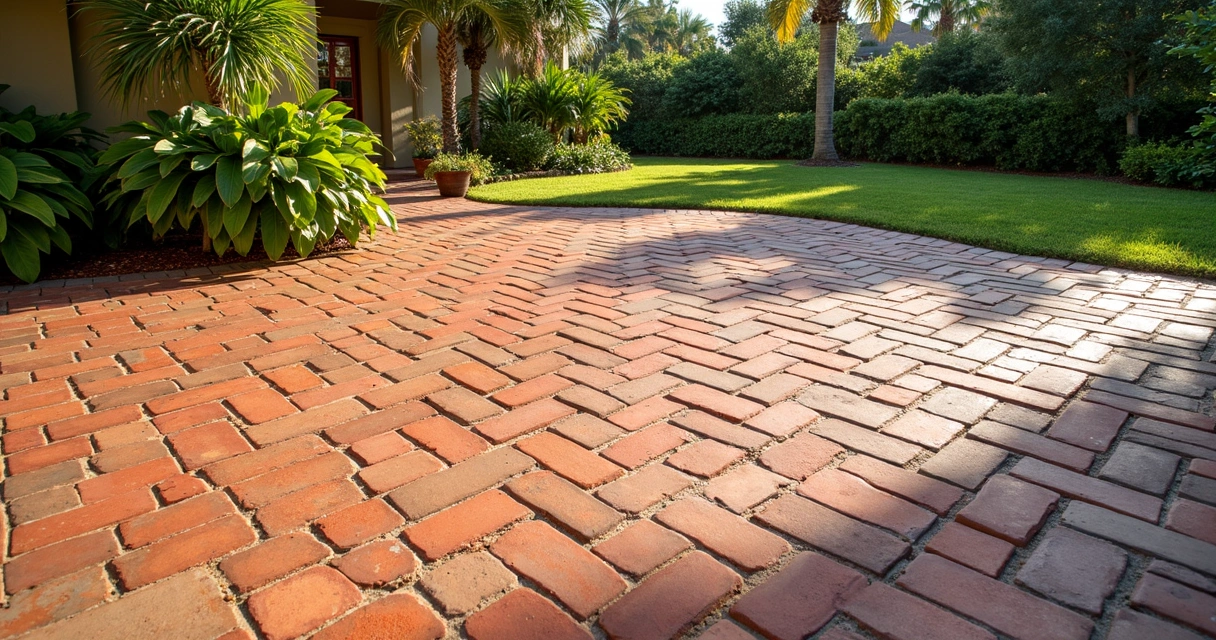
Reviving faded brick pavers is an investment in curb appeal and pride of ownership. With proper cleaning, repairs, painting, and sealing, nearly any dull or stained brick surface can look beautiful and function well for years—without the cost of full replacement.
At GCM Best Services, we take pride in making the process easy and worry-free. Our team handles everything from color matching to permits, drainage design, and warrantied finishes. If you want a professional, on-time transformation for your brick pavers anywhere in Central Florida, let us show you the difference quality makes.
Ready for a professional quote? 📞 (407) 250-1948 • 24–48h • Orlando, Tampa & area.
Frequently asked questions
How do I restore faded brick pavers?
To restore faded brick pavers, start with a deep clean using a pressure washer and degreaser to remove stains, debris, and old sealers. Repair any cracked or sunken bricks, then repaint with a UV-stable paver paint or stain designed for exterior use. Finish with a high-quality, breathable sealer. These steps will return both color and protection to your pavers.
What paint works best on brick pavers?
Choose water-based acrylic paints or stains made for concrete and brick pavers, as they allow for natural movement and resist UV fading. Solvent-based pigmented sealers may also be used for deeper color but can darken the finish. Interior and standard wall paints are not recommended for outdoor paver surfaces due to weathering and poor adhesion.
Is it worth it to repaint pavers?
Yes, repainting pavers can restore curb appeal, protect against stains and fading, and extend the lifespan of your outdoor surfaces—often at a fraction of full replacement cost. Professional-grade coatings last years and can save money compared to frequent deep cleanings or paver replacements. It is especially valuable for commercial or HOA-governed spaces.
How long does paver paint last?
High-quality paver paints and stains typically last between 2 and 5 years in the Florida climate. The lifespan depends on sun exposure, rainfall, surface preparation, and regular maintenance like cleaning and resealing. Touch-ups and resealing keep colors vibrant longer.
Can I repair cracked brick pavers myself?
Many minor repairs—like filling surface cracks or re-setting loose bricks—can be done by homeowners using flexible filler and bedding sand. For extensive damage, sunken areas, or multiple broken bricks, professional help is recommended for best, long-lasting results. Always follow local code for paving and repairs.