Florida’s endless sunshine can transform artificial turf from a vibrant oasis to a hotplate, especially during summer. With surface temperatures reported up to 160°F on synthetic lawns during peak sunlight, keeping your artificial turf cool is not just a comfort issue—it’s a safety and usability factor for families, pets, and anyone who enjoys outdoor living. At GCM Best Services, we understand the unique challenges our clients face in Central Florida and are committed to solutions that help turf stand up to intense heat and sun exposure, supported by evidence and a local understanding of soil, drainage, and lifestyle needs.
Summer sun should light up your lawn, not burn your feet.
In this guide, we share eight actionable tips for keeping your artificial turf much cooler under the blazing Florida sun. We blend proven science with practical experience, drawing from current University of Florida IFAS research and local best practices. Our approach at GCM Best Services focuses on smart design, the right materials, and maintenance steps to maintain a backyard that looks great, feels good, and delivers long-term value—without the hot surprises.
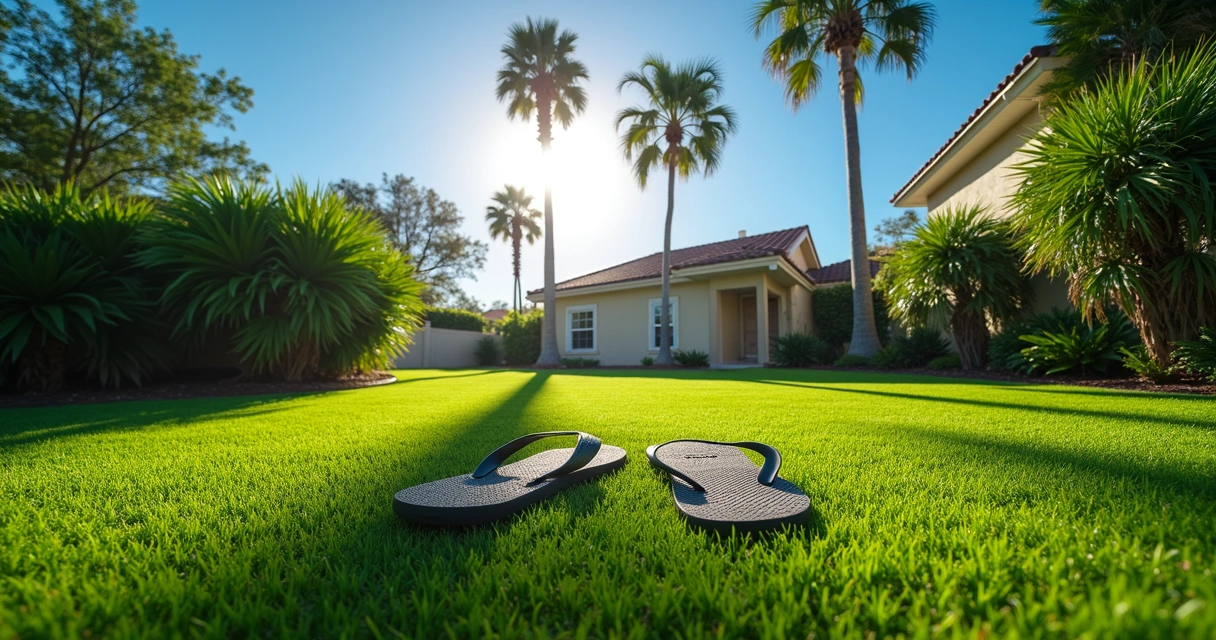
Why does artificial turf heat up so much in Florida?
Artificial turf heats up because its plastic blades absorb and retain much more solar energy compared to natural grass, which cools itself by releasing moisture into the air through evapotranspiration. Synthetic turf has no way to sweat. As the sun beats down, especially between 11am and 4pm, heat accumulates in the turf fibers and infill. According to UF/IFAS Extension Orange County research, surface temperatures on artificial turf can easily be 50–60°F hotter than natural turf on a sunny Florida afternoon, sometimes exceeding 150°F.
That level of heat can pose a risk of burns to bare skin, paws, and is generally uncomfortable for most outdoor activities. Plus, homes in Orlando, Daytona, and throughout Central Florida may face compounded effects with humidity, little natural shade, and reflective surfaces like white concrete or light pavers boosting radiant heat onto your lawn.
Understanding the science behind turf heating is the key to keeping turf cool, safe, and inviting—whether it’s for your kids, pets, or just enjoying that Florida sunset.
Our top 8 tips to keep artificial turf cool in the Florida heat
Over the years, we’ve observed and tested every practical approach—some are simple, others require planning before installation. If you want to cut the heat and extend the fun on your artificial grass, these eight tips offer reliable results.
1. Choose turf products specifically formulated for heat reduction
Start right from the foundation. Many advances in synthetic turf technology target heat reduction. Infrared-reflective pigments, light color blends, and UV-stabilized fibers absorb less sunlight and radiate less heat compared to standard green plastics. Some manufacturers also offer blades that have hollow cores or micro-pores, further reducing heat absorption.
We always recommend discussing product options for heat management before installation—it’s easier to stay cool by design than to retrofit later. Paler greens, tan or olive blends, and “heat reduction” fiber technologies can drop surface temps by 10–20°F compared to basic models. Ask about fibers with cooling claims and look for performance data from trusted sources, including university-led surface temperature studies.
- Look for “cool” or “reflective” turf brands.
- Blended color options usually absorb less heat.
- UV-stable fibers last longer and resist fading, too.
2. Use cooling infills with high reflectivity and water retention
Infills are more than ballast for your artificial lawn—they play a huge role in surface temperature. Our team often replaces basic sand or black rubber infills, which can get extremely hot, with options designed to keep surfaces cooler.
Ceramic, coated sand, or specialty “cooling” infills can reduce surface temperatures by up to 30–40°F, especially after misting or a light rain. These infills reflect sunlight and retain some moisture, slowly releasing it, mimicking the cooling effect of natural grass. For example, some coated sands use evaporative tech so each watering brings a fresh burst of coolness.
- Ask about “hydrophilic” or coated sand infills.
- Some infills are pet-friendly and suppress odors.
- Combine with light-colored infill for maximum effect.
3. Plant trees and add shade structures strategically
Natural shade is the most straightforward way to reduce temperatures on artificial turf. Even just a little overhead cover during the hottest hours can lower surface temps by 20°F or more.
If you’re planning landscape design, consider strategically placing shade-producing trees or palms around the edges of your turf zone. For installations where trees aren’t practical, we’ve worked with clients using modern pergolas, tensioned shade sails, retractable awnings, patio umbrellas, or even custom screens—especially for play and seating zones. As a bonus, shade structures often improve your outdoor comfort during afternoon thunderstorms, making your space functional year-round.
- Palm trees work especially well in Florida soils.
- Temporary options like sail shades can be stored during storms.
Pairing natural and artificial shade is the most effective way to control radiant heat.
4. Schedule routine watering or light misting during peak heat
A cool rinse goes a long way. We noticed during field tests that even a short burst of water, whether from a handheld hose, sprinkler, or automatic misting system, can lower turf temperature by 20–40°F for several hours—especially when using a cooling infill that holds moisture.
Watering your synthetic turf needs far less effort or volume than maintaining real grass, but these light, timed mists during noon or early afternoon prevent the surface from becoming uncomfortably hot. Consideran automated irrigation timer, especially for yards with children or pets who run outside unpredictably.
A couple minutes of water can mean hours of cooler play.
5. Limit direct reflection from hardscapes and windows
Concrete, white stone, or pool deck surfaces reflect solar energy, adding to the heat on adjacent turf. Similarly, reflection from low-emissivity (Low-E) windows can focus sunlight into “hot spots” onto sections of your lawn.
We plan turf and hardscape projects so that edges include some buffer planting, mulched beds, or fencing to reduce reflective heat “bounce.” Even adding 12–18 inch landscape borders with mulch or low shrubs can drop the adjacent turf temperature.
- Consider tinting or shading windows that face turf.
- Place pavers or gravel paths on the north side to help manage reflected light.
We often guide clients on hardscaping layouts to optimize both visual flow and cooling benefits.
6. Rake and fluff turf regularly for maximum airflow
Turf blades that are matted down hold more heat. Something as simple as routine brushing to “fluff” the fibers helps increase air circulation, allowing heat to dissipate faster from the surface.
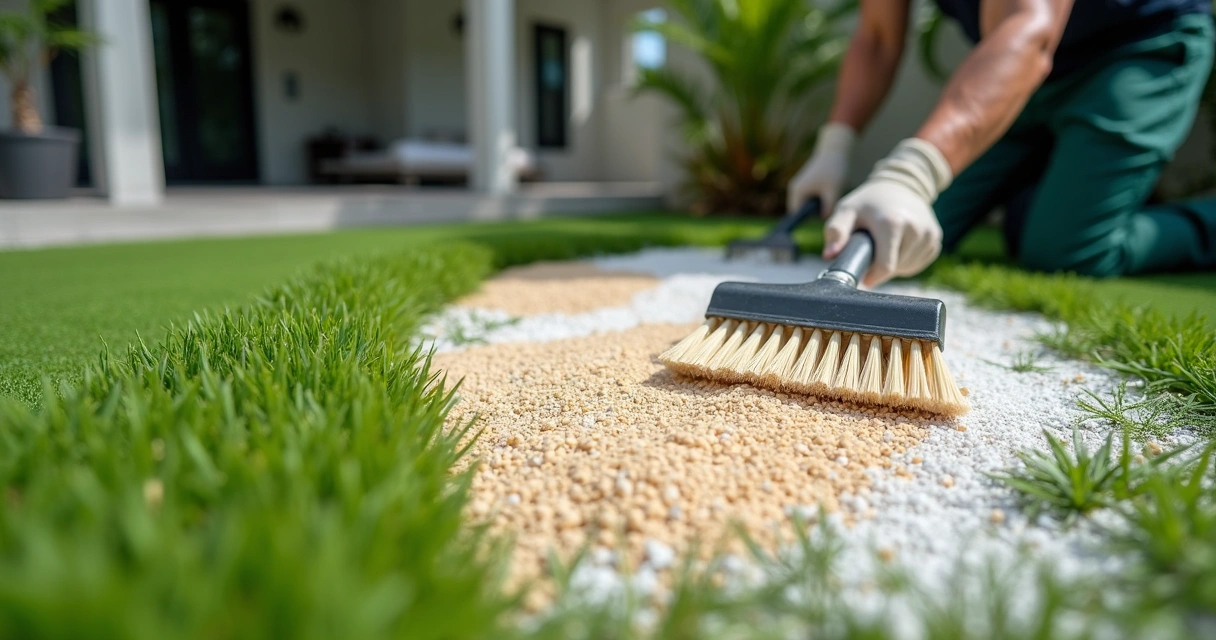
We use turf rakes or stiff brooms in a crisscross pattern for the best results. Not only does this maintain the upright look and feel of real grass, but it also keeps grains of infill distributed for optimal cooling interaction across the entire area.
Move the air. Move the heat.
Regular raking is especially helpful after heavy use or storms flattening the turf—just one more way our ongoing maintenance keeps your space comfortable.
7. Install permeable bases and proper drainage under turf
This step starts beneath the surface. The type of base material and drainage system under your turf will affect both heat retention and water movement. We design all artificial turf projects at GCM Best Services with thick, compacted aggregate and high-permeability layering so water moves rapidly through—even during heavy Central Florida rains.
A well-drained base not only prevents flooding but also lets you use watering and cooling infills more effectively, since moisture reaches the infill evenly and doesn’t linger as puddles on the surface.
- Include drain pipes or trenches in larger yard installations.
- For pet turf, integrated drains help manage both urine and rinse water, reducing odor and heat risks.
In places like Orlando or Daytona Beach, we adjust turf drainage for local soil types—find more about this and turf options on our Orlando and Daytona Beach project pages.
8. Integrate artificial turf with cool landscape features
Combining turf with landscape elements creates temperature “breaks.” Stone borders, paver walkways, or artificial turf paired with living groundcovers, flower beds, or water features reduce the overall hot surface area, encouraging airflow and shade.
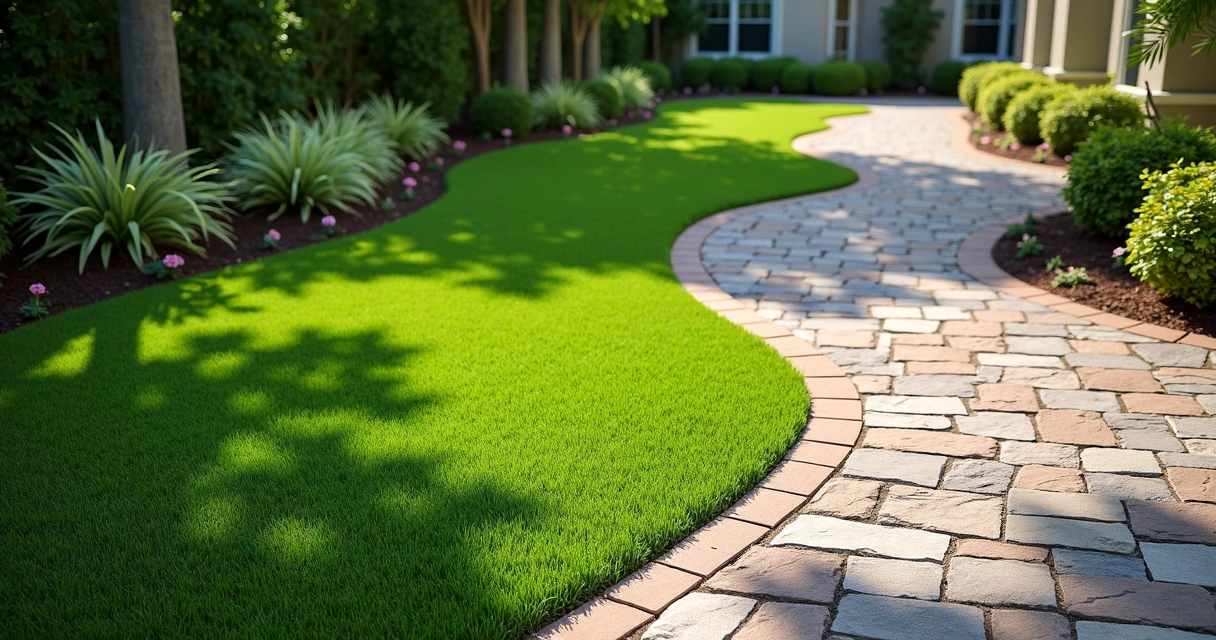
We find that blending hardscape design with cooler “islands” of color and texture not only breaks up solar exposure but enhances visual appeal, turning your outdoor turf into a comfortable and beautiful retreat.
Other considerations: Safety, maintenance, and local code compliance
We always keep safety at the forefront of our process. Surfaces over 140°F pose a real risk to bare feet and pets, which is why every turf installation we do comes with instructions for summer care—watering, shade, infill checks, and more.
- Plan play and sport periods during lower sun intensity (early mornings, late afternoons).
- Use light surface touch checks—if it’s too hot for your hand, it’s too hot for your pet.
GCM Best Services also manages local permit requirements and HOA compliance for all exterior projects. Drainage and base design aren’t just about comfort—they help your investment last longer and comply with property guidelines, lowering the risk of heat-related damage (like turf shrinkage or fiber fading).
Find more information about synthetic turf installations and guidance for Central Florida households on our main turf service page and answers to community questions in our turf guides and blog archive.
Recap: The best path to a cool, safe artificial lawn in Florida
- Start with a well-chosen, heat-resistant turf product.
- Install cooling infill and water during the hottest hours.
- Prioritize natural and artificial shade.
- Prevent “heat bounce” with landscape buffers.
- Rake and maintain turf regularly for air flow.
- Ensure a highly-drained base and good infill distribution.
- Blend turf with hardscape and cool landscaping.
Combining these steps at the start gives you a strong foundation, but even with an existing yard, our team can retrofit most lawns for better cooling. Safety, usability, and appearance all go hand-in-hand when we focus on keeping your green spaces truly comfortable, even when the Florida sun is relentless.
Conclusion: Your next steps for a cool, inviting artificial turf yard
Every artificial grass project in Florida faces heat—but no two lawns are exactly the same. At GCM Best Services, we bring decades of experience and local knowledge to every yard, from product selection to custom drainage and creative shade. It’s possible to have year-round turf that looks fresh and feels comfortable, even at the peak of summer. If you’re interested in cooling upgrades or planning a new turf installation, we’re ready to help with a site visit, product demo, or a free quote—serving Orlando, Tampa, Daytona Beach, and the greater Central Florida area.
Ready for a professional quote? 📞 (407) 250-1948 • 24–48h • Orlando, Tampa & area.
Discover more about our approach to artificial turf cooling for Florida’s climate and see how GCM Best Services can transform your outdoor space into a summer-friendly retreat.
Frequently asked questions
How can I cool artificial turf fast?
The fastest way to cool artificial turf is to lightly mist or hose down the surface with water during the hottest part of the day. This simple step can reduce surface temperatures by 20–40°F for several hours, especially if the turf uses a cooling infill that absorbs and slowly evaporates the moisture. For a hands-off approach, we often recommend installing an automatic misting system or timed irrigation—key during the Florida summer for play areas and pet runs.
What are the best cooling infills?
The most effective cooling infills are usually coated sand products (such as acrylic or silica-coated sands) or specialized ceramic granules. These infills reflect sunlight and can absorb some water, which then evaporates for a cooling effect. Hydrophilic or engineered sand infills have outperformed basic sand or black rubber for surface temperature control in UF/IFAS field tests and real-life garden settings. Ask us about current options when planning your project—they’re highly recommended for pet turf and high-traffic lawns.
Is artificial turf safe in extreme heat?
Artificial turf remains safe in Florida summers if properly maintained and cooled during peak sun. According to studies from the University of Florida IFAS, uncooled turf can reach levels that may cause burns (above 140°F). However, when you follow best practices—timed watering, appropriate infills, and shade—your turf stays far below risky temperatures. Always test surface heat with your hand before letting kids or pets play, and use cooling measures proactively during hot spells.
How much does turf cooling cost?
Turf cooling upgrades vary depending on the solution. Specialty cooling infills add a moderate cost to the overall project, but usually just a few dollars more per square foot compared to basic infills. Automated misting systems involve a higher initial investment but little to no operating cost if connected to an existing irrigation system. Shade sails or structures range by size and design. We can provide a transparent estimate for any combination of cooling solutions tailored to your yard and budget.
Does watering turf help keep it cool?
Yes, watering artificial turf is one of the most effective temporary cooling solutions. A short spray or mist during the hottest part of the day, especially on turf with a water-retentive infill, can drop the temperature rapidly to safe, comfortable levels. Unlike natural grass, you’ll only need a fraction of the water for cooling, since you’re not supporting a living root system—just lowering the temperature for comfort and safety.