Primary keyword: screen enclosure maintenanceVariants: screen enclosure care, screen enclosure cleaning, screen enclosure repair
Audience: Homeowners, business owners, and property managers in Central Florida who want to keep their pool cages, patios, or lanais in top shape.Pain/benefit: Want to avoid expensive repairs and extend the life of their enclosures, while keeping outdoor spaces clean and safe.
Summary: Outdoor living is part of daily life in Central Florida, but the region’s humidity, storms, and sun can challenge the longevity of screen enclosures. Regular, simple maintenance can help prevent costly fixes and keep your enclosure looking great year after year. As a licensed contractor in the area, we at GCM Best Services have seen how a clear maintenance plan preserves these valuable outdoor spaces—while giving peace of mind to their owners.
Outline
- Why upkeep matters
- Maintenance task #1: Gentle cleaning
- Maintenance task #2: Inspecting for tears or holes
- Maintenance task #3: Checking fasteners and hardware
- Maintenance task #4: Frame inspection and surface care
- Maintenance task #5: Maintaining screen tension
- Maintenance task #6: Keeping the gutters clear
- Maintenance task #7: Managing nearby vegetation
- Maintenance task #8: Drainage and puddle prevention
- Maintenance task #9: Protecting against pests
- Maintenance task #10: Following a seasonal checklist
- Conclusion and action steps
- FAQ
Outdoor spaces should invite comfort, not work.
Why upkeep matters
Strong sunshine, wind, humidity, and storms can all take a toll on Florida’s screened enclosures. Over time, neglect often leads to mold, rust, torn screens, and even structural problems.
We often remind our clients: “Preventative maintenance is typically far less expensive than major repairs or replacements.” Simple, regular tasks not only extend the structure’s lifespan but prevent hazards—like falling debris or pest infestations.
At GCM Best Services, almost every pool enclosure, lanai, or commercial screen job starts with a conversation about maintenance. We want our customers to get the most out of their investment, so here are the ten most effective ways to keep your enclosure strong, safe, and beautiful.
Maintenance task #1: Gentle cleaning
The humid Florida climate means dirt, pollen, algae, and mold can quickly accumulate on your screens and frames. We always recommend a gentle approach for cleaning, so you avoid damaging the mesh and finishes.
- Use a soft-bristle brush, mild soap, and water for most cleaning jobs. Avoid harsh chemicals or high-pressure wash settings, which can tear screens or strip paint.
- Start rinsing from the top, working down in sections. This helps move grime downward without soaking lower screens in dirty runoff.
- Spot-clean mold and algae with a diluted white vinegar solution, scrubbing gently.
- Don’t forget the tracks and door hardware—debris collects here and can jam hinges or rollers.
You’ll be amazed at how much brighter, cleaner, and more open your outdoor space feels after a good wash. Most homeowners find a full cleaning every few months is a good rhythm.
Maintenance task #2: Inspecting for tears or holes
Screen mesh is designed to stop bugs, leaves, and debris in their tracks. But storms, animals, and tree branches can create small rips or tears. Even one half-inch hole can invite pests.
- We recommend walking the inside and outside of the enclosure with a flashlight every few months, especially after severe weather.
- Look for frayed edges, small punctures, and loose spline (the rubber holding the screen in its frame).
- Repair kits with pre-cut patches are great for small holes. For large rips or sagging, consider full panel replacement for a secure fix.
Tending to small tears quickly prevents bigger, more expensive repairs months later. If you’re noticing repeated damage in a specific spot, it may point to a structural or landscape issue that also needs attention.
Maintenance task #3: Checking fasteners and hardware
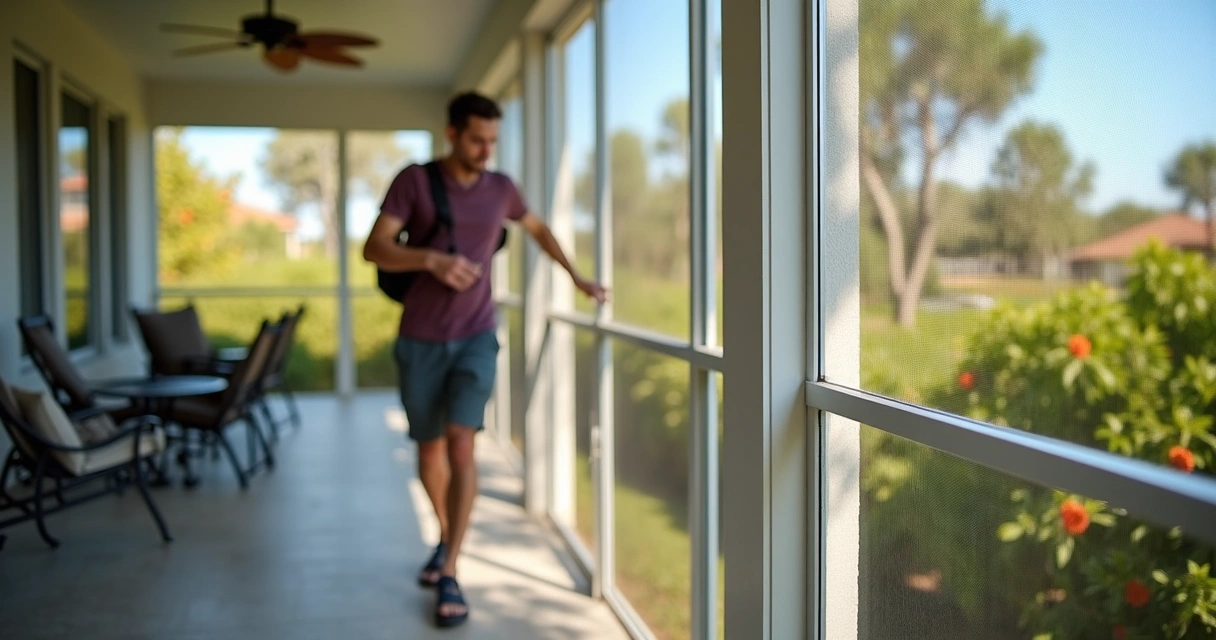
High winds and constant exposure can loosen bolts, screws, door latches, and other enclosure fasteners. Missing or rusted hardware isn’t just unsightly—it can lead to structural instability or allow sections to shift.
- During regular checks, gently wiggle doors and screen panels. If they move or squeak, hardware may be loose or worn.
- Inspect for missing self-tapping screws at baseplates or wall anchors, and replace with corrosion-resistant fasteners as needed.
- Ensure all doors self-close and latch smoothly—sticky sliders or warped hinges signal maintenance is needed.
In our experience at GCM Best Services, replacing a handful of fasteners each year—especially with hurricane-rated versions—greatly improves wind resistance and keeps the whole enclosure tight.
Maintenance task #4: Frame inspection and surface care
Even powder-coated or painted aluminum frames need upkeep. Salt air, sprinkler overspray, and acidic plant debris can corrode or discolor surfaces faster than you might think.
- Wipe down frames monthly with a damp cloth to remove surface dust, pollen, and sand.
- Check all frame joints for cracks, separation, or white corrosion marks (“pitting”). Early surface corrosion is easier to treat.
- Touch up paint scrapes with manufacturer-approved finishes to prevent bare metal exposure.
- Consider applying a non-abrasive automotive wax every six months to extend the life of the finish.
If you spot bubbling or peeling paint, water may be seeping into hairline cracks. Prompt touchups help prevent frame weakening and the need for expensive repainting.

Maintenance task #5: Maintaining screen tension
Loose or sagging screens are more vulnerable to wind, pets, and wayward branches. A taut screen holds its shape and appearance, and offers better bug and debris resistance.
- If you tap the mesh with a finger and it flaps easily, that’s a sign it’s time for rescreening or resetting the spline.
- Most professional-built enclosures use rounded, UV-resistant PVC spline for best results. Cheaper forms get brittle and shrink over time.
- Regularly check the corners, where sagging often starts. Address these small issues before they turn into a failed section.
While DIY kits are available, achieving a tight, professional finish can be a challenge without the right tools and experience. For larger panels or a fully streamlined look, our team at GCM Best Services is always ready to help.
Maintenance task #6: Keeping the gutters clear
Many screen enclosures feature integrated or attached gutter systems to direct water away from the home and foundation. Leaves, twigs, and shingle grit build up quickly, leading to overflow and water damage.
- We suggest clearing gutters and downspouts every season—or after any storm that drops heavy debris.
- Flush the system with a hose to ensure water flows freely. Clogged downspouts can push water back onto the enclosure frame, causing rust and staining.
- Roof valleys above enclosures should also be checked for leaf dams.
Keeping water moving keeps your enclosure and adjacent landscape healthy—and your mind at ease when the rainy season arrives.
Maintenance task #7: Managing nearby vegetation
Plants, trees, and shrubs near your enclosure bring shade and privacy, but branches can scratch screens or dump extra debris onto the structure. Strategic pruning pays off.
- Trim all branches at least 12 to 18 inches away from the screen when possible.
- Remove vines or creepers that attempt to climb the frame or mesh—roots can wedge into corners, leaving stains and weak points.
- Regularly rake away leaves and mulch that may pile up along the enclosure’s base, as these trap moisture and support mold growth.
This step also reduces the chance of pests and critters sneaking inside. In some cases, rethinking landscape design or considering artificial turf can help minimize future issues. For turf ideas that pair well with enclosures and reduce yard chores, our artificial turf installation service has resources for inspiration.
Maintenance task #8: Drainage and puddle prevention
Standing water breeds mosquitoes, stains pavers, and accelerates wear on concrete pads. Drainage is especially key for pool decks and patios in Florida neighborhoods.
- Walk your enclosure after a moderate rain and look for puddling, especially near doors and corners.
- Clear debris from any trench drains or deck slots, and check that water flows away from structures, not toward them.
- For chronic drainage concerns, you might need patio grading, French drains, or hardscape adjustments. A professional assessment can help; refer to our hardscape and drainage page for more insight.
Improved drainage gives long-term protection to both your screen enclosure and your outdoor flooring.
Maintenance task #9: Protecting against pests
Screens keep out most bugs, but ants, wasps, lizards, and even small rodents may find their way inside over time.
- Regular inspection of door sweeps and base plates is vital; seal any gaps promptly with caulk or weatherproof foam.
- Keep food, birdseed, and standing water away from the screen perimeter.
- For persistent pest problems, use baits or barriers outside the enclosure, but be cautious with pesticides around pets and children.
Keep an eye out for signs of nesting or chewed mesh, which can signal the beginning of bigger issues. Well-maintained screens and frames discourage most intruders.
Maintenance task #10: Following a seasonal checklist
A recurring, organized maintenance plan helps ensure no problem is overlooked, and preparation for storms becomes routine instead of rushed.
- Spring/Summer: Deep clean all screens and frames; prune vegetation; inspect for storm damage after intense weather; check fasteners and touch up paint where needed.
- Fall/Winter: Clear gutters of fall debris; check for mold after rainy spells; inspect for pest nests or tunnels.
- After major wind events, give special attention to fastener tightness, door alignment, and the integrity of roof screens.
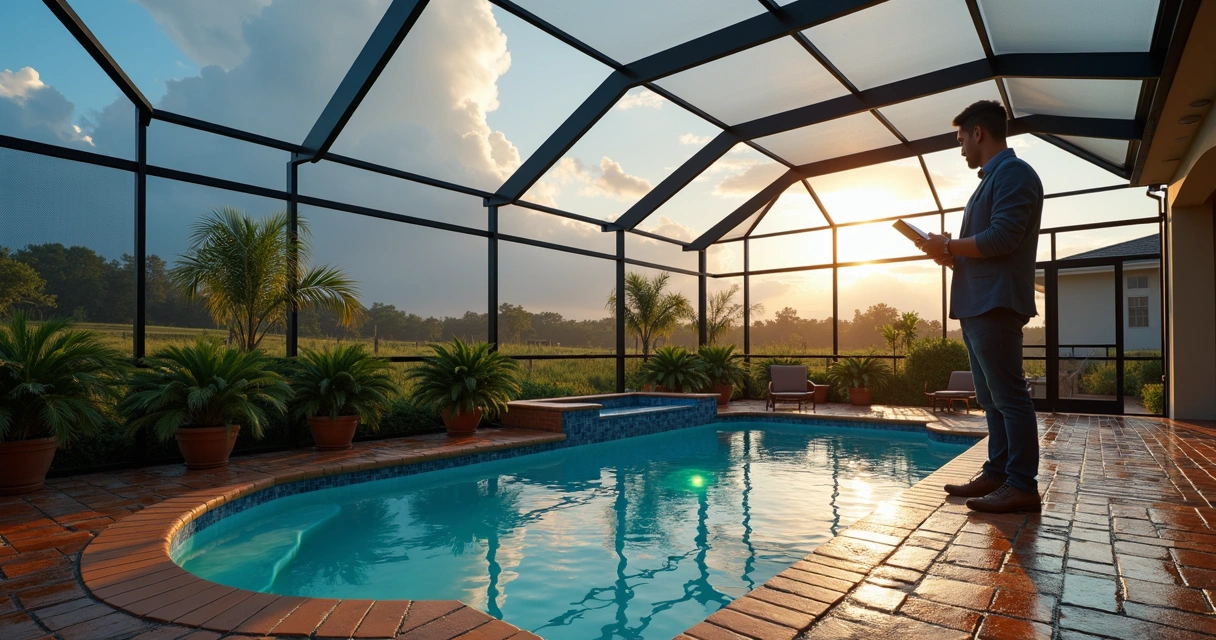
Setting calendar reminders can help keep maintenance on track all year—but having a checklist posted in your utility room or garage makes it easy for everyone in the home to pitch in.
Conclusion and action steps
We believe outdoor living in Central Florida should be relaxing, enjoyable, and free from avoidable repairs.
With a regular approach—cleaning, inspecting, tightening, and touching up—you’re investing in years of worry-free afternoons and evenings in your screened space. Whether it’s a backyard lanai, pool cage, or commercial courtyard, the effort pays dividends in beauty, safety, and value.
If you need advice, repairs, rescreening, or a completely new enclosure built to the latest wind-load codes, GCM Best Services delivers peace of mind with local expertise, detailed documentation, and written warranties. We serve Orlando, Tampa, and all of Central Florida.
A well-kept enclosure is an invitation to enjoy the Florida outdoors, every single day.
Ready for a professional quote? 📞 (407) 250-1948 • 24–48h • Orlando, Tampa & area.
For other property improvement ideas—concrete patios, beautiful driveways, or refreshing upgrades—you can find practical tips at our outdoor living blog and browse examples at our hardscaping project gallery or detailed driveway and patio paving page. We’re always updating resources for Florida property owners.
Frequently asked questions
How often should I clean screen enclosures?
In our experience, cleaning screen enclosures every 3–4 months keeps them looking sharp and reduces buildup of mold and debris. If your home is surrounded by trees, or you notice pollen and dirt appearing faster, monthly rinses may be helpful. Always use a gentle touch; over-cleaning with harsh chemicals or pressure-washing can shorten the lifespan of your screens and finishes.
What is the best way to remove mold?
For most cases, a soft brush or sponge and a solution of warm water with mild soap will remove light mold and mildew. For stubborn spots, we recommend mixing white vinegar and water in a 1:1 ratio, then gently scrubbing the area. Avoid bleach unless you are sure the powder coating or paint can tolerate it, as it could fade the finish. Rinse thoroughly with water after treating any area.
How can I fix screen tears?
Small screen tears or holes (under two inches) can usually be patched with a screen repair kit you’ll find at most home improvement stores. For larger tears, or if the mesh is sagging, it’s best to replace the whole panel for durable results and good visual appeal. If you notice frequent tears, ask us about upgrading to stronger materials used in our GCM Best Services projects.
Is professional maintenance worth the cost?
Professional maintenance can prevent bigger problems and keep your enclosure looking its best for many years. While many tasks can be handled as DIY, complex repairs, frame work, and hurricane-code upgrades are safest and most efficient with a licensed contractor. We provide detailed assessments and warranties, ensuring your investment stands up to Florida’s climate.
What tools do I need for basic care?
For most homeowners, basic care of screen enclosures only requires a soft-bristle brush, microfiber cloth, mild soap, garden hose, and a flashlight for detailed inspections. Keep a screwdriver set on hand for tightening fasteners, and have a screen repair kit ready for small patches. Standard step ladders and buckets are helpful for reaching taller enclosure sections safely.