Primary keyword: HVAC condensation prevention
Variants: stop condensation on patio, prevent AC dripping outdoors, patio moisture control, AC drain solutions Orlando
Audience: Central Florida property owners experiencing patio dampness or water stains related to HVAC systems.
Pain/benefit: Frustrated by puddles, slippery patios, or water stains? Learn how to keep your outdoor spaces dry and extend the life of your investment.
Summary: In Central Florida, patios are a year-round outdoor living space, but HVAC condensation can create messy, unsafe, and damaging moisture problems. We will walk you through the causes, risks, and best practices—supported by expert insight and local building standards—to control condensation, protect your patio, and keep your home looking and feeling great. Discover practical steps and see how GCM Best Services offers proven solutions for your property.
- Understanding HVAC condensation: why it happens
- The Central Florida climate and its impact on patios
- Common problems caused by condensation on patios
- Key factors in condensation control
- HVAC system upgrades and maintenance for less moisture
- Improving patio drainage and surface design
- Waterproofing ideas: coatings and finishes
- When to seek professional help
- Conclusion
- FAQs
Keep patios dry—enjoy the outdoors every season.
Understanding HVAC condensation: why it happens
If you own a home or business in Central Florida, you have likely noticed drips or puddles near your outdoor AC unit or on your patio slab. But why does this phenomenon occur? The answer lies in basic physics—specifically, the relationship between air temperature, humidity, and dew point.
When warm, humid air comes into contact with a cold surface, like an air conditioning refrigerant line, AC coil, or even exposed ductwork, moisture in the air condenses into liquid. This is the same process that creates water droplets on a cold soda can taken outside in summer.
According to the U.S. Department of Energy, air movement accounts for 98% of water-vapor transfer within building cavities, making airtightness and proper sealing critical for controlling unwanted moisture accumulation and condensation. (U.S. Department of Energy moisture control)
It is important to note that your air conditioner doesn’t just cool the air; it also removes humidity. While functioning properly, most of this moisture should exit through a dedicated condensate drain. But when that system is undersized, misdirected, or clogged, water can show up unexpectedly anywhere outside—even on your beautiful patio.
Sources of condensation in HVAC systems
Let’s briefly outline where HVAC-related condensation originates:
- Evaporator coils inside the air handler
- Exposed refrigerant piping (especially suction lines)
- Condensate drainage lines (which can develop leaks or back up)
- Poorly insulated cold water pipes near HVAC equipment
With Florida’s humidity, these surfaces are often below the dew point and act as magnets for moisture. Understanding this helps inform solutions—most problems can be solved by blocking moisture pathways, upgrading insulation, or improving drainage.
The Central Florida climate and its impact on patios
Our region’s subtropical environment is beautiful, but it brings unique building challenges. Central Florida experiences:
- High humidity (often 60%–90% much of the year)
- Sudden rainfall and afternoon storms
- Frequent temperature swings, especially in transitional months
All this ambient moisture, combined with frequent use of air conditioning, means patios near HVAC equipment often suffer from runoff or standing water. Even when the main system drains are functioning, overspray, gutter leaks, or high groundwater can combine with condensation for bigger problems.
As exterior project specialists serving the area, we at GCM Best Services see firsthand how overlooked patio details can impact comfort and property value. That’s why we integrate drainage design, finishes, and proper materials (like sub-base, rebar, and quality coatings) into every project for long service life.
Common problems caused by condensation on patios
Why is condensation on patios such a concern? For homeowners, landlords, and business managers, excess water is not just unsightly. The risks can be much greater:
- Slip hazards on slick concrete or pavers
- Stained and discolored patio surfaces
- Cracking or spalling concrete caused by repeated wet-dry cycles
- Growth of algae, mildew, or mold
- Attraction of pests or wood rot in nearby structures
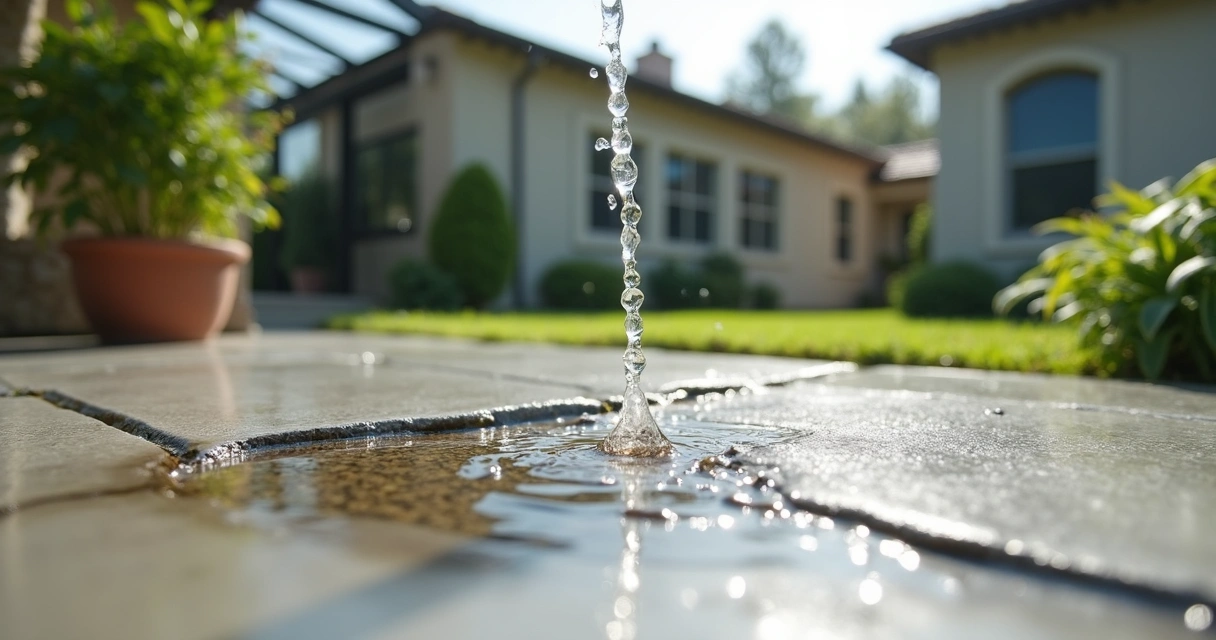
Uncontrolled condensation can even seep below pavers or slabs, causing settling or long-term erosion. Without action, routine moisture can lead to expensive repairs—and undermine the beauty and safety of your outdoor living area.
Long-term risks to home structure
Moisture doesn’t always stay outdoors. According to the General Services Administration, condensation that finds its way into walls or ceilings—known as interstitial condensation—can damage building materials and reduce the effectiveness of insulation over time.
We see this risk especially when poorly drained patios are attached directly to the house, or when HVAC pipes run through enclosed outdoor ceilings. Taking a comprehensive approach protects both the patio surface and the structure itself.
Key factors in condensation control
Succeeding with condensation prevention is about managing air, surface temperature, and humidity. Several principles, recognized by the EPA and industry experts, guide long-term results:
- Keep cold HVAC lines and surfaces insulated—especially outdoors and near patios (EPA moisture control guidance).
- Direct all condensate drains away from patios, walkways, and foundations.
- Promote air flow around outdoor HVAC components, so water can evaporate quickly.
- Use quality patio materials, finishes, and sub-base grading to encourage water run-off and rapid drying.
- Inspect and clean HVAC drainage systems at least seasonally.
The goal is always the same: ensure that every drop of condensed water leaves safely and quickly, never soaking patio surfaces or building materials.
HVAC system upgrades and maintenance for less moisture
Let’s talk about steps you can take with your actual HVAC equipment to reduce outdoor condensation and its effects on your patio. In our experience, many moisture problems are minor—a quick tune-up or targeted upgrade can solve the issue for years to come.
Insulate cold surfaces thoroughly
All suction lines, cold water pipes, and exposed coils near patios should be wrapped in closed-cell insulation. The EPA states that fully insulating these pipes keeps their surfaces above the dew point, minimizing condensation risk. (EPA guidance). Quality insulation should be at least 3/8” thick, rated for outdoor UV exposure, and inspected annually for cracks or gaps.
Maintain and test condensate drainage systems
Make it a habit to inspect your HVAC condensate drain lines each spring and fall. Flush the drain with water to confirm it moves freely—and look for leaks, cracks, or disconnected pipes. EPA research warns that poorly managed condensate can cause leaks, moisture damage, and increased risk of mildew on patios and adjacent areas. (EPA Moisture Control Guidance)
In many homes, condensate lines can be redirected easily. Flexible PVC or vinyl tubing, with a downward slope, can move dripping water to garden beds, dry wells, or landscape drains away from entertainment areas.
Upgrade to automatic shutoff and alarm features
Some modern HVAC systems offer condensate overflow detection—these can send alerts or shut down equipment if drainage fails, helping homeowners react quickly and avoid surprise leaks on their patio.
Change air filters regularly and promote air flow
An HVAC system under strain, or starved for air flow, pulls harder and extracts more humidity. Fresh, clean filters make AC operate efficiently. Shrubs or debris crowding outdoor equipment can trap moisture around your patio, so trim back all landscaping for air to move freely.
Improving patio drainage and surface design
Even with a well-functioning HVAC system, your patio itself plays a major role in staying dry. At GCM Best Services, our team prioritizes smart slab design, proper slope, and quality finishes to reduce risk in Florida’s tough climate. Projects are always tailored for the property—there’s no one-size-fits-all solution.
Proper grading and drainage are essential for patio longevity
Patio surfaces—whether concrete, paver, or brick—should be built on a well-compacted sub-base and sloped gently away from the house by at least 1/8” per foot. This small pitch ensures water leaves quickly, discouraging ponds after every AC cycle.
Integrated drainage features add extra protection. For example, a perforated channel drain installed along the patio edge (tied to a French drain or daylight outlet) can collect both rainfall and stray condensation. These techniques are detailed in our article about drainage solutions for brick paver installations in Florida’s climate.
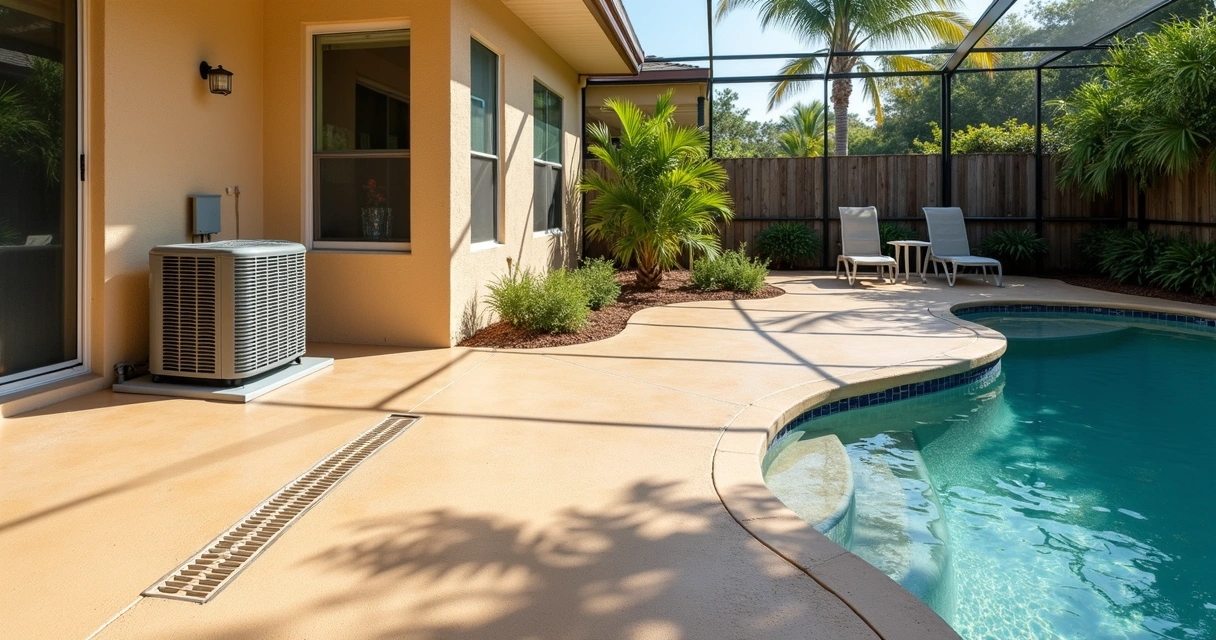
Paver and brick details for improved moisture control
Paver patios deserve extra attention to edge restraints, polymeric sand joints, and professional sealing. These elements limit moisture infiltration and prevent erosion beneath the surface. Professional paving and drainage integration further improve long-term durability.
Dry patios increase comfort and reduce maintenance—every Florida homeowner deserves that peace of mind.
Integrating drain lines with hardscape and turf
When we design artificial turf, summer kitchens, or screen enclosures, we include stable edges and permeable bases that allow for both natural rainfall and occasional HVAC condensation. These engineered bases are discussed more in our hardscaping best practices section, showing how details from drains to subgrade make a difference.
Waterproofing ideas: coatings and finishes
For patios exposed to splashes from condensation, investing in a durable, easy-to-clean surface can improve both aesthetics and resilience:
- Exposed aggregate and broom finishes provide slip resistance even when wet
- Stamped concrete can be sealed with a clear acrylic or polyaspartic coating, sealing out moisture and stains
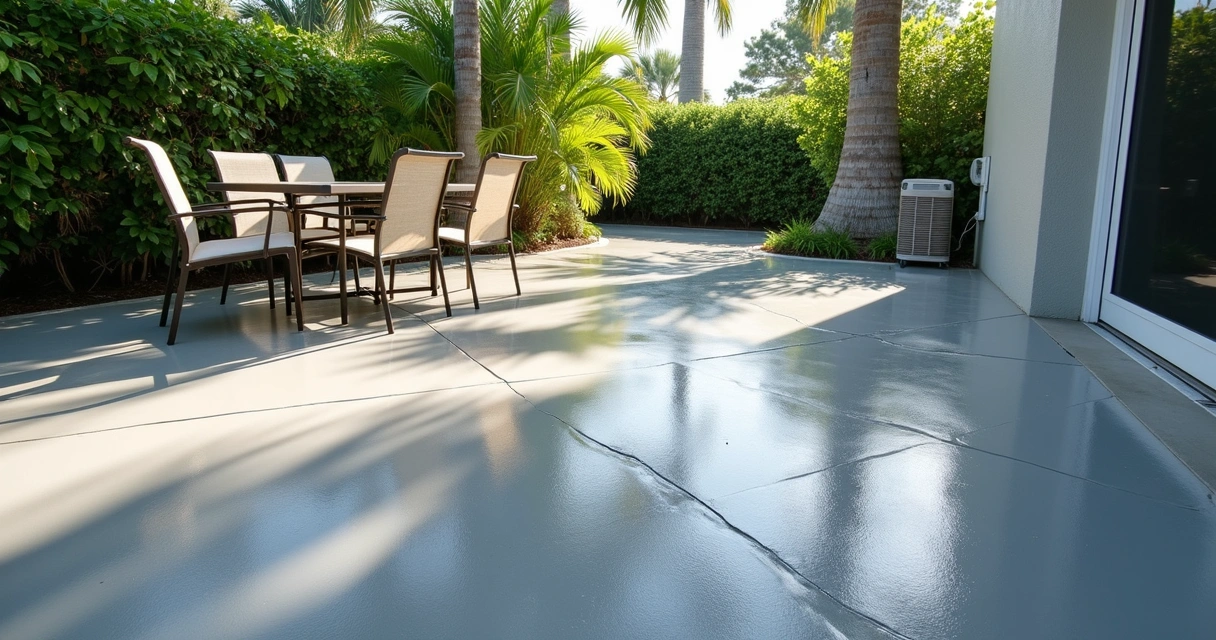
- Epoxy and polyaspartic coatings for garages or covered patios form a waterproof, non-slip barrier
- Elastomeric deck paints on older patios provide added protection over hairline cracks
Our approach at GCM Best Services is always to match the surface to the need— garages and high-traffic commercial patios benefit from 100% solids epoxy, while pool decks may do better with a breathable high-build sealer. For more about preparing new concrete to avoid cracks and water damage, see our crack prevention guide for Florida concrete patios and driveways.
When to seek professional help
Sometimes, the source or impact of condensation is complex—if you see repeated water damage, shifting slabs, or persistent mildew, it’s always better to address the root cause promptly. GCM Best Services works with property owners, HOAs, and building inspectors to:
- Identify underlying drainage or HVAC system faults
- Design patio upgrades that integrate proper pitch, drains, and finishes
- Handle permitting, HOA coordination, and code requirements for drainage and outdoor living projects
- Provide written warranties and maintenance guides for all completed work
Our process combines on-site assessment, expert recommendations, and transparent communication. As a licensed, insured Central Florida contractor, we bring deep experience to every project—whether you need a minor drainage fix, a new patio installation, or a complete outdoor living upgrade.
Conclusion
Managing HVAC condensation is about more than stopgap fixes—it’s about comfort, safety, and protecting your biggest investment. By understanding why condensation forms, choosing the right insulation and HVAC drainage solutions, and investing in quality patio design and materials, you can keep your Central Florida property dry and beautiful year-round.
If you’re ready to enjoy your patio without worrying about puddles, stains, or hidden moisture risks, we’re here to help. GCM Best Services specializes in exterior solutions that work with Florida’s climate—not against it. Contact us for a no-obligation site visit and start your patio upgrade with peace of mind.
Protect your patio, upgrade your comfort, and enjoy the outdoors—rain or shine.
Ready for a professional quote? 📞 (407) 250-1948 • 24–48h • Orlando, Tampa & area.
Frequently asked questions
What causes HVAC condensation on patios?
Condensation forms on patios when warm, humid outside air comes into contact with cold HVAC components like refrigerant lines or evaporator coils, which are cooler than the dew point. Moist air loses its ability to hold water, and droplets form, often showing up as drips or puddles where air conditioning equipment or drainage pipes are located. Insufficient insulation, faulty or poorly-sloped drain lines, and high local humidity all increase the amount and visibility of this condensation.
How can I stop water dripping outside?
To prevent water from dripping outside from your HVAC system, insulate all cold lines fully, check and clean condensate drains regularly, and redirect drain outlets away from patios or walkways. In some cases, installing a dedicated drain line to a landscaping area or adding a drainage channel along the patio edge will solve the problem. Annual system inspections and quick attention to blockages are recommended for lasting results.
Is HVAC condensation harmful to my patio?
AC condensation can be harmful to patios over time, especially in Florida’s climate. Excess or uncontrolled moisture may cause surface stains, encourage algae or mildew growth, and contribute to the cracking or settling of concrete or pavers. Persistent water can also increase slip hazards and even seep into foundations or adjacent walls, making early prevention and control smart for both safety and property value.
What are the best patio drainage solutions?
The best patio drainage solutions include grading the surface to direct water away from the house, installing channel or French drains along patio edges, and using permeable paver bases or sealed joints. Investing in quality sub-base compaction, edge restraints for pavers, and water-routing features keeps patios dry and durable in Florida’s wet, humid environment. Detailed guidance and techniques are available on our concrete driveways and patios installation guide.
How much does fixing condensation cost?
The cost to fix HVAC condensation affecting a patio varies depending on the root cause and scope of repairs. Minor fixes like new insulation or drain cleaning are often low-cost, while full drainage upgrades, patio slope corrections, or hardscape rebuilds will involve higher investment. For Central Florida homes, small fixes are often under $300, while major patio restorations can range from $1,000 to $5,000+ depending on size, materials, and custom solutions. We provide clear written estimates and help property owners make the most cost-effective choices for their needs.