Brick pavers bring out the character and warmth of Florida homes and businesses. When well maintained, they last, look vibrant, and keep property values strong. But a surprising truth is this: the wrong cleaning and sealing chemicals can permanently damage pavers, ruin appearances, and put safety and health at risk. At GCM Best Services, we meet countless clients who are frustrated after watching their brick pavers fade, stain, or crack despite their best efforts to clean and protect. That’s why we created this guide on chemicals you must avoid—and what to do instead—to keep bricks as beautiful as they were the day they were laid.
Not every chemical is safe for your brick pavers.
Why some chemicals are risky for brick pavers
We have seen homeowners and facility managers turn to a range of products: pressure washing soaps, “all‑in‑one” patio cleaners, pool deck descalers, and even basic acids or bleaches. Sometimes the results look great—at first. But within weeks or months, problems from subtle to extreme can appear.
Brick pavers are made of clay or cement. Both are porous—meaning chemicals can soak in below the surface, where damage is often slow but very real. Here are some of the most common risks:
- Etching: Acids eat away the surface, leaving the pavers pitted, rough, or faded.
- Discoloration: Some chemicals trigger reactions in the minerals, causing white haze (efflorescence), green stains (from vanadium), or brown streaks (iron).
- Increased fragility: Chemical residue pulls moisture in and out, setting the stage for spalling, flaking, and cracks.
- Health hazards: Overuse of degreasers, solvents, and rubber-based products can release volatile organic compounds or leave skin-burning residues behind.
The U.S. National Park Service highlights that long-term fire retardants cause discoloration, surface soiling, and even swelling or cracking in brick and masonry.
What chemicals should you definitely avoid?
In our work at GCM Best Services, we hear many myths about “safe” cleaners for brick or concrete. Scientific research and decades of property maintenance experience tell us otherwise. Here’s our strict “do not use” list and the chemical dangers behind each one.
Hydrochloric acid (muriatic acid)
This common cleaner will remove concrete haze—but often at a higher cost. Hydrochloric acid reacts with vital lime in mortar and clay, weakening the paver’s structure and triggering aggressive white stains and colored streaking. According to the General Services Administration, improper acid washing can cause vanadium stains (yellow, green, or brownish green) that are almost impossible to erase. Even a splash on the driveway or patio can make bricks look aged in days.
Chlorine bleach and strong oxidizers
Bleach seems like an easy choice for removing stains or mildew. But we always tell homeowners: Regular bleach dehydrates clay and concrete, causing surface flaking and fading, and can even break down the paver’s color pigments. Over time, bleach weakens both the brick’s surface and the sanded joints.
Generic degreasers and solvents
Some off-the-shelf degreasers contain compounds that react with minerals in bricks, creating “burn” marks or permanent rough patches. Solvents in these chemicals can also break down the UV-stabilizers in some modern pavers, making surfaces dull and brittle much faster.
Salts: Sodium chloride, calcium chloride, magnesium sulfate
For icy climates or pool decks, owners sometimes turn to salt-based snow and ice melts, or magnesium-based pool solutions. Peer-reviewed research shows that, while salt may provide temporary strength at certain dilutions, when crystallization occurs inside the brick (as pavers dry and salt dries out), the bricks expand and crack from within. Salt residue also triggers efflorescence and surface stains, especially with repeated use.
Recycled rubber-based cleaners and paver products
While rubber pavers or coatings claim to be easy on feet, studies show that recycled rubber materials can introduce hazardous compounds like polycyclic aromatic hydrocarbons (PAHs), phthalates, and benzothiazole derivatives. These substances not only risk human health, but may also leave stubborn stains and odors on brick patios and walkways.
Fire retardant chemicals
When brush fires threaten, nearby homeowners sometimes spray paver surfaces with fire retardant solutions as a precaution. But these chemicals can severely discolor brick pavers, cause rough, sticky residue buildup and, with repetition, leave the bricks brittle or patchy.
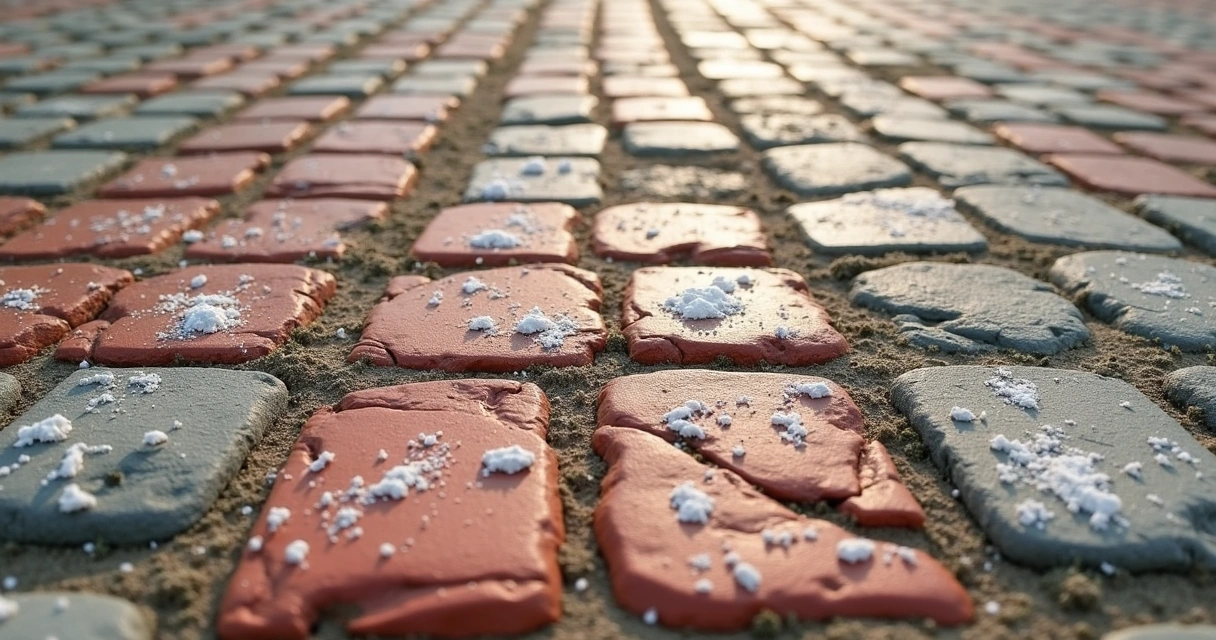
What actually happens when the wrong chemicals meet brick pavers?
The science is clear and we see it in the field every week. Many chemical reactions on brick can be permanent, and not always in ways you notice immediately. Here’s what sits beneath the surface once the wrong solution makes contact:
- Surface etching: Etching means the smooth outer layer of your brick is eaten away. This is very common after the use of hydrochloric acid, pool shock, or repeated bleach washing.
- Staining: Rusty brown, neon green, or gray-white patches are usually signs of chemical reactions with iron, vanadium, or excess soluble salts in the paver. The stains rarely spread evenly—most form ugly patches.
- Crystallization (efflorescence): Efflorescence occurs when moisture draws salts to the surface, leaving behind a whitish crust. Salt-based deicers and cleaners can trigger or intensify this process.
- Swelling and cracking: Some chemicals cause bricks to absorb more water, then dry out too quickly. This leads to micro-cracking, swelling, or even crumbling at the edges after just a few wet/dry cycles, especially in places with freeze-thaw like northern regions. For us in Florida, rapid drying still translates into ugly surface cracks.
Peer-reviewed studies confirm that salts such as sodium chloride, calcium chloride, and magnesium sulfate can affect both the strength and long-term durability of bricks, sometimes temporarily boosting strength, but often setting the stage for damage due to internal crystallization pressure as the chemical cycles repeat.
Patterns of chemical damage we see in Florida’s climate
Our weather in Orlando and the surrounding region may seem forgiving, yet it creates a special set of paver risks. Frequent rain, dampness, and strong sun cause some cleaning chemicals to react faster—or more unpredictably—than they might in drier or colder climates.
- Regular rain means chemical residues don’t get washed away; they spread deeper. Residual acid or salt works its way into joints and under pavers, lifting them or triggering joint-sand failure.
- Intense sun bakes some chemicals in, setting color changes or surface burns into the brick. High temperatures also cause pavers to expand and contract rapidly, multiplying the effects of any surface damage.
Florida rain and sun speed up paver damage from harsh chemicals.
We regularly inspect patios, walkways, and pool decks that show heavy “ghosting” stains, rough surfaces, or inexplicable cracks after repeated chemical cleanings. In many cases, the root cause was avoidable.
What does safe paver care look like?
Walking the line between clean pavers and chemical safety is easier than it seems. At GCM Best Services, we focus on these best practices:
- Use only products specifically labeled for brick or paver use, and then always test in a small, hidden area first.
- Avoid strong acids, bases, or anything not explicitly listed as “brick safe.”
- Opt for physically removing stains (scrubbing, hot water, or pressure washing at the correct psi) instead of reaching for stronger chemicals.
- When in doubt, contact professionals who know how to handle what’s underfoot—repair may cost less than the unseen chemical harm.
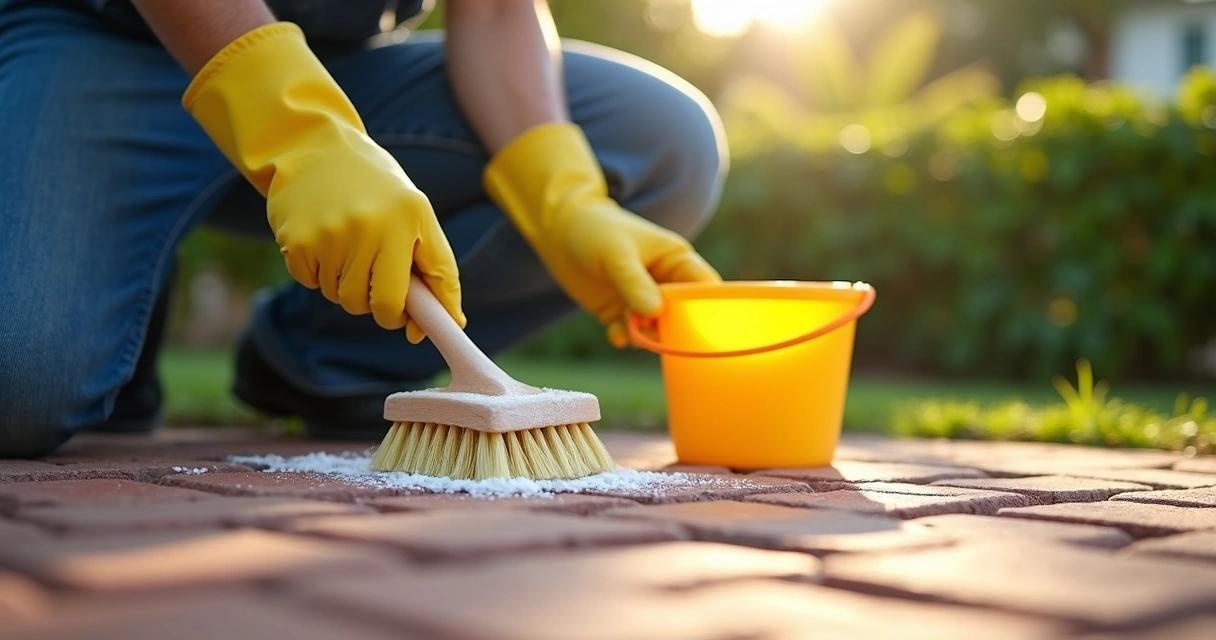
Alternatives: What should you do to maintain and restore brick pavers?
Our core belief at GCM Best Services is that simple, gentle methods are almost always best. Here are safe, effective habits that keep pavers clean, fresh, and resilient for years in Central Florida’s tough conditions:
- Routine sweeping removes grit that causes scratching or erosion. We recommend weekly sweeping in high-traffic areas.
- Water rinsing with a garden hose on a gentle spray. Skip the pressure washer unless you have experience; too much force can chip bricks or destroy joints.
- Mild soap solution is safe for most substances. A bucket of water with a splash of pH-neutral dish soap does wonders on greasy stains and mildew. Scrub with a soft brush, rinse well, and repeat sparingly as needed.
- Vinegar (in moderation) for spots. White vinegar, diluted at least 1:5 with water, works on light efflorescence, but do not leave it sitting. Rinse quickly and completely. Never mix vinegar with bleach—the results are toxic.
- Professional spot treatments. When stains resist normal cleaning, calling a pro is usually less risky and more affordable than buying a mystery product. We use techniques and solutions tailored to each paver’s make and history.
Learn what is included in a professional brick paver installation estimate to understand how we assess paver conditions before recommending care or restoration.
How safe cleaning supports long-term value
Your pavers are more than just decoration—they’re a hardscaped asset. Research on frost and freeze–thaw cycles, even if less extreme in Orlando, shows that poor chemical care leaves bricks vulnerable to surface cracking and flaking. With Central Florida’s humidity, small flaws turn into costly repairs well before their time.
Following these safe cleaning protocols prevents “cycles” of erosion: surface loss means more dirt, which means more cleaning, and further loss. The money saved on cheap chemicals fades away against early replacement or reinstallation of patios, walks, or pool decks. If you want to invest in the long-term value of your property, routine professional care is a smart move.
How to spot early warning signs of chemical abuse
If you’ve already used a chemical cleaner on your brick pavers, don’t panic. Most paver problems start small and can be reversed or stopped when caught early. At GCM Best Services, we help homeowners look for these telltale symptoms:
- White powdery deposits (efflorescence) that don’t go away after rain
- Pitted, sandy, or rough patches on the surface
- Unusual stains: green, yellow, or brown not linked to drink spills or vegetation
- Areas where joint sand washes out after each rain
- Flaking or chipping away, often near edges or high-traffic spots
Always act on early signs. Minor problems are easier to fix.
If you spot any of these, opt for gentle cleaning and dry sweeps until you can have a professional inspection or care plan.
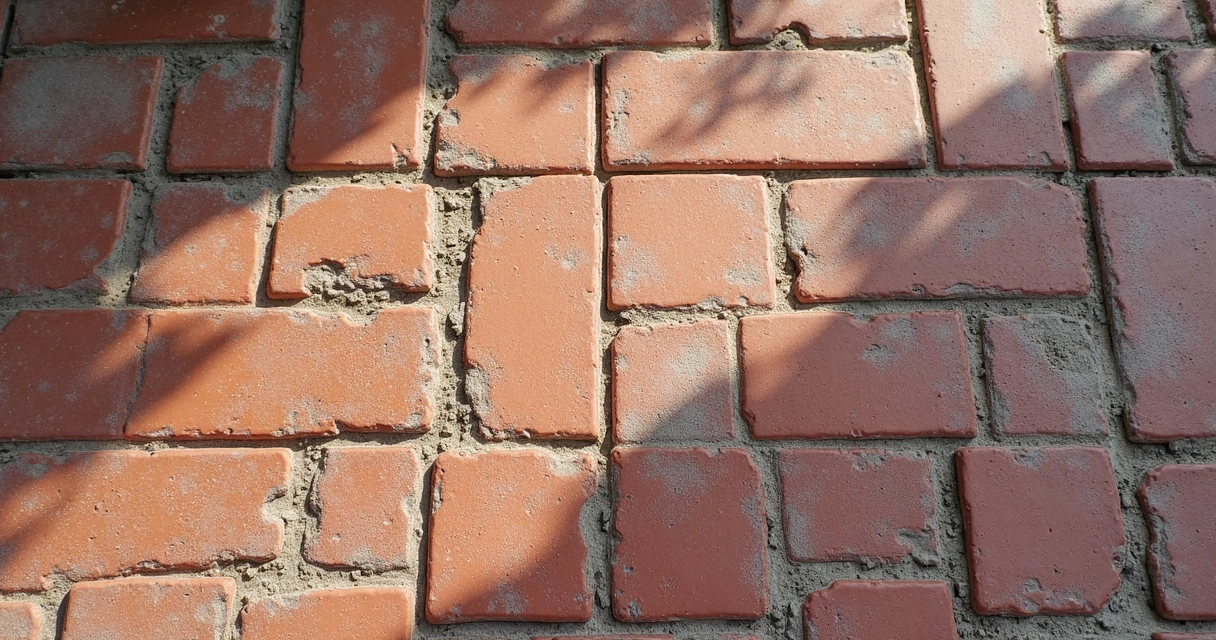
Professional solutions: How GCM Best Services protects your pavers
We take pride in restoring and maintaining all kinds of hardscapes—from high-end driveways to family patios to busy retail entryways. Here’s what sets our approach apart:
- Site-specific assessment: Every material, every property, every type of traffic gets a unique approach from us, so we avoid the damage of “one-size-fits-all” chemicals.
- Clean, OSHA-safe protocols: Teams use drainage-protective barriers and rinses to prevent long-term chemical buildup on your property.
- Backed by photo updates and written warranty: You see every part of the process and gain peace of mind long after the job is done.
We include preventative advice, such as how to keep weeds out of paver joints (see this guide for weed prevention between pavers) and what drainage improvements can reduce the risk of chemical pooling (covered in our article on drainage solutions for brick pavers).
When stains or damage do occur, our restoration experts can perform deep cleaning, stain lifting, spot sealing, and even replacement of the worst-affected bricks—so far less invasive, and more affordable, than full paver replacements.
Summary: The path to strong and beautiful brick pavers
We have seen time and again: smart maintenance and chemical awareness are the keys to preserving the color, strength, and beauty of your brick pavers in Central Florida. Skip the harsh cleaners. Avoid aggressive bleaching, acid treatments, and “miracle” solutions. Know the science (as shown by National Park Service and peer-reviewed studies) and choose simple, gentle care or professional help. Your property, your family, your investment—they’ll all thank you for it.
For any questions about safe maintenance, restoration, or designing new hardscapes for your Florida property, see our Overview of Hardscape Services or review our guide on Driveway and Patio Paving.
Ready to protect your brick pavers the right way?
Contact GCM Best Services for a personalized assessment or quote, and let us safeguard your investment with solutions proven to last in Florida’s unique environment.
Ready for a professional quote? 📞 (407) 250-1948 • 24–48h • Orlando, Tampa & area.
Frequently asked questions
What chemicals should I avoid on pavers?
Avoid hydrochloric acid (muriatic acid), chlorine bleach, generic degreasers, solvents not specified for pavers, salts (like sodium chloride, calcium chloride, magnesium sulfate), and fire retardant solutions. These products can cause etching, staining, efflorescence, color fading, or structural damage. Even some “environmentally friendly” products or those designed for masonry can harm pavers if not used exactly as directed. Always check that a product is labeled as safe for your type of brick paver and test on a small, inconspicuous area first.
Why are some chemicals bad for bricks?
Some chemicals react with minerals and binders inside brick or concrete pavers, triggering discoloration, breakdown of surface integrity, and even internal expansion that leads to cracks. For example, acids dissolve essential glue (lime or cement), salts set off cycles of moisture movement and internal stress, and oxidizers (like bleach) strip out pigments while making surfaces rough and porous. Damage may be gradual but often becomes permanent after a few uses. For more details, see the studies on structural damage from salts and acids referenced above.
How to clean brick pavers safely?
The safest way is by sweeping away debris, rinsing with low-pressure water, and using a mild, pH-neutral soap with a soft-bristled brush for deeper cleans. Avoid high-pressure washers on the highest settings, harsh scrubbing, and all strong acids or commercial deck cleaners not rated for brick. Rinse thoroughly and let pavers dry. For stubborn stains or deep mildew, professional spot treatment is recommended—always safer than risking over-the-counter solutions.
What is the best natural paver cleaner?
A simple mixture of warm water and a small amount of pH-neutral dish soap is usually the safest cleaner for brick pavers. For mild efflorescence or surface stains, white vinegar diluted at least 1:5 with water can help—but it should never be left sitting and must be rinsed promptly. Do not use concentrated vinegar or any combination that includes bleach or strong chemicals. Always rinse well and let pavers air-dry. This prevents residue and protects both the surface and subsurface structure.
Is it worth sealing brick pavers?
Sealing brick pavers can help protect against stains, fading, erosion of joint sand, and mildew, especially in humid climates like Central Florida. The right product and proper professional application make all the difference. We recommend using breathable, paver-specific sealers and never sealing bricks with non-breathable or inappropriate coatings, which can trap moisture and cause more damage over time. Sealing is not a substitute for regular gentle cleaning, but it is a great long-term aid when used wisely. For insights on what to expect from installation to sealing, see our guide on paver estimates linked earlier in this article.