Screen enclosure frame repair, screen enclosure frame damage, signs of screen enclosure damage, screen enclosure maintenance.Our audience: Central Florida homeowners and property managers noticing loose, noisy, or discolored screen cage frames, worried about safety and appearance.Pain/Benefit: Reduce the risk of sudden screen collapse, pest entry, and water leaks by catching frame problems early. Peace of mind from a secure, long-lasting pool or patio enclosure.Summary: Notice a wobble or odd stain on your screen enclosure? Those small concerns could signal serious frame problems lurking below the surface. We share eight clear warning signs it’s time to act—before Florida storms, aging, or corrosion cause bigger headaches. Our tips stem from years of repair experience, with expert explanations on causes, solutions, and what action to take. Let’s help you spot trouble early, so you can protect your home and enjoy the outdoors safely with GCM Best Services.
Outline
- Why enclosure frame health matters in Central Florida
- 1. Visible rust, corrosion, or pitting
- 2. Frame movement, leaning, or sagging
- 3. Cracking, bending, or dented aluminum
- 4. Loose, missing, or shifting fasteners
- 5. Water leaks or soft soil at posts
- 6. Discoloration, paint peeling, or chalky surfaces
- 7. Noisy joints or creaks in wind
- 8. Screens pulling away, warping, or frequent tears
- Conclusion and what to do next
- Frequently asked questions
Catch warning signs early. Your enclosure will thank you.
Why enclosure frame health matters in Central Florida
Screen enclosures are everywhere in Orlando and Central Florida. They protect us from bugs, filter sunlight, and help our families enjoy the outdoors safely. But every year, we see how fast Florida’s humid climate, winds, and harsh rains wear down these structures.
A weak or damaged frame doesn’t just look bad—it raises the risk of collapse, water leaks, and even liability if someone gets hurt. The stakes are higher in areas with summer storms and shifting soil. That’s why GCM Best Services performs so many inspections and repairs, sometimes catching problems before homeowners even notice.
In our experience, small issues snowball. Rust spreads. Screws loosen. Sagging worsens. The U.S. Fish & Wildlife Service points out that advanced corrosion can make repairs impractical, sometimes requiring a full rebuild. But a skilled eye can spot early warning signs, helping you repair (not replace) and prolong your enclosure’s lifespan.
1. Visible rust, corrosion, or pitting
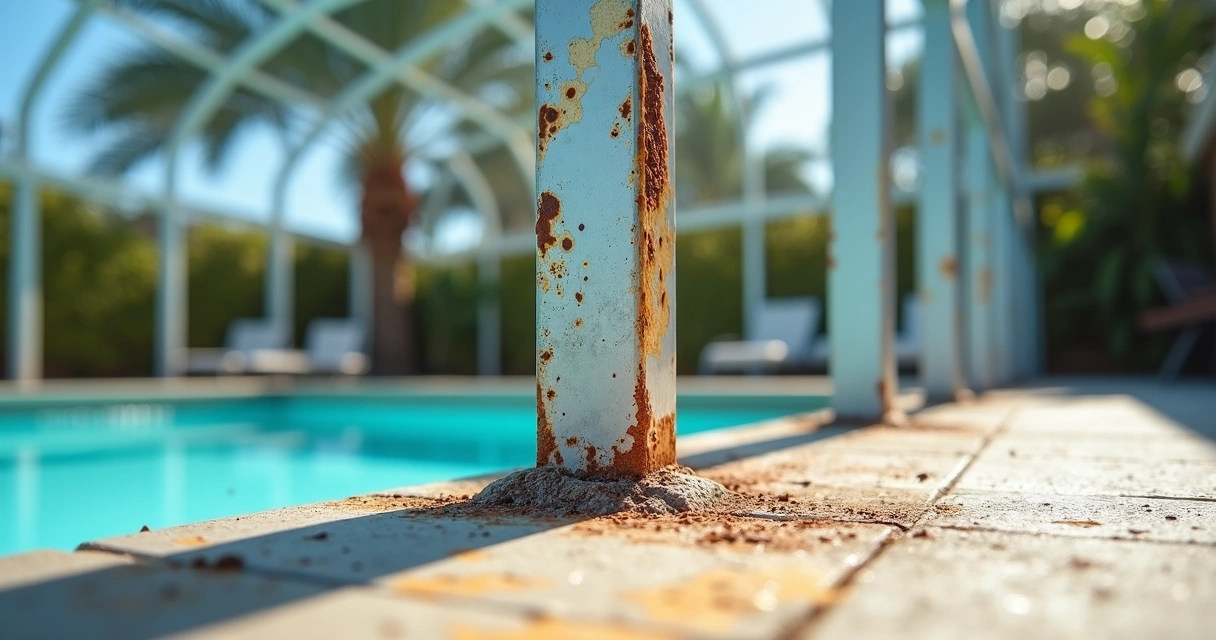
Aluminum and steel frames promise years of service, but Florida’s humidity is relentless. Over time, even powder-coated or painted frames can show signs of corrosion: powdery white spots, bubbling, flaking paint, or areas where the metal pits and looks rough.
You might notice:
- Orange-brown streaks on steel fasteners or aluminum joints
- Pitting, where the frame looks scarred, rough, or cratered
- Blisters or bubbling in the paint that burst and reveal metal stains
The General Services Administration recommends gentle brushing and repainting to slow corrosion. Left unchecked, corrosion eats away strength—especially at vulnerable joints and bases.
Surface spots are often a warning. Deeper metal loss can mean real weakness.
In our repairs throughout Orlando, we often find corrosion starting at the base of posts (where water collects) or at exposed fasteners. Once rust takes hold, it travels quickly. If your frame is showing much more than a few surface spots, don’t wait—consult a professional like GCM Best Services for a structural review before storms or wind make problems worse.
2. Frame movement, leaning, or sagging
A sturdy enclosure frame should stand tall and square. If you see the structure leaning, bowing, or shifting out of alignment, this is cause for concern. Sometimes, it’s subtle—a post a few degrees off, or a beam that dips near the middle. Other times, the movement is clear: you might notice the enclosure swaying or creaking during storms or even with a gentle push.
Key warning signals include:
- Posts tilting away from their original vertical position
- Beams bowing down or sagging between supports
- Doors or screens no longer fitting evenly in their frames
- Movement when you push gently on a frame member
Leaning or bowing signals deeper trouble—rotting concrete footings, eroded soil, or rusted fasteners may be undermining structural support. At GCM Best Services, when we find this, we also check concrete for cracks or shifting. Preventing cracks in your patio or driveway also supports enclosure stability, as described in our guide on how to prevent cracks in Florida patios and driveways.
Ignoring these signs can mean fast escalation: what starts as a slouch becomes a sudden collapse. If your enclosure doesn’t stand as square and straight as the day it was built, a repair check is overdue.
3. Cracking, bending, or dented aluminum
Aluminum is strong but not indestructible. All it takes is a stray ball, a falling branch, or time itself to produce cracks, bends, or visible dents along enclosure beams and posts. These deformations aren’t just cosmetic—each changes the way the enclosure handles wind and weight.
Look out for:
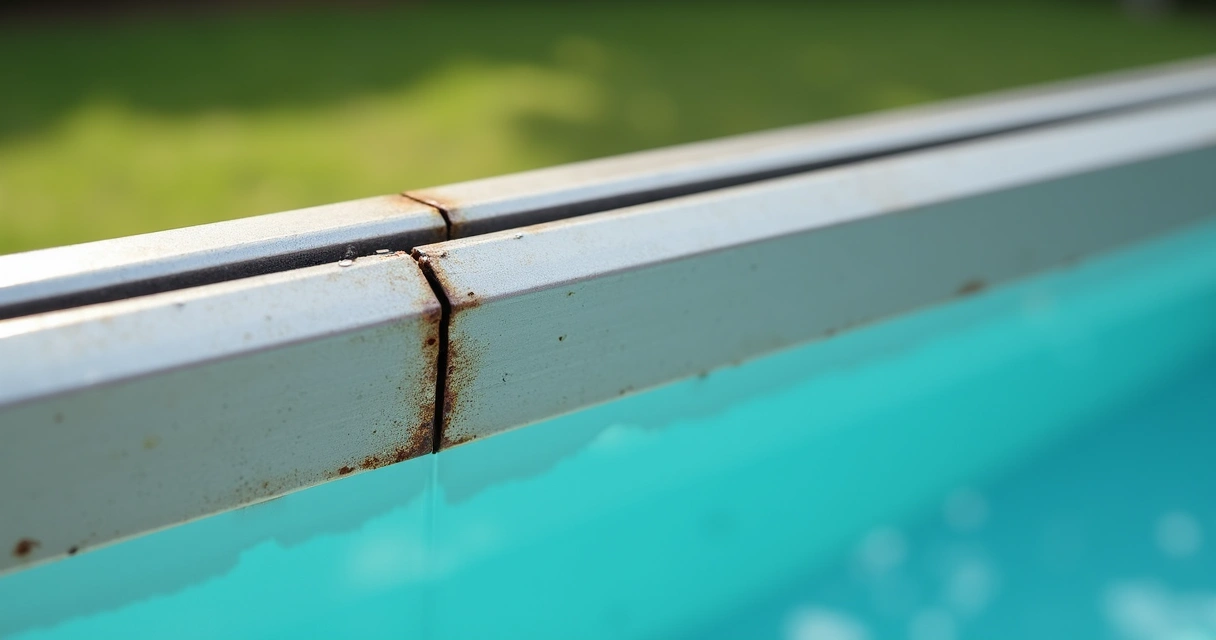
- Hairline cracks appearing at joints or across beams
- Panels or bars that have been visibly bent or “out of plane”
- Dented or creased sections, especially mid-span or where lawn equipment may have struck
We know frames with minor dents can sometimes perform well if the deformation is shallow and surface-level. But cracked or sharply bent framing loses integrity, and may break outright under wind or load. In our repairs around Central Florida, we often see cracks grow worse after storms.
If you see new cracks or bends, take it as a clear sign: the frame’s strength is already impaired. Repair it quickly to protect your safety and save on bigger costs later.
4. Loose, missing, or shifting fasteners
Screen enclosure frames are held together by an army of screws, bolts, brackets, and plates. Over time, hardware can loosen, rust, or even fall out. Every missing screw or moving bracket is a weak point—especially during wind, rain, or use.
Key signs include:
- Visible screws or bolts that spin instead of tightening
- Missing fasteners—bare holes at seams, especially at corners or beams
- Fastener heads broken off or corroded away
- Joints that wiggle or move when touched
Often, the most damage happens where you can’t see: at the base plates anchored into concrete. Water leaks down posts, rusts bolts, and lets the frame shift. We’ve even found entire beam connections held only by friction and a bit of caulk.
During our repairs, GCM Best Services always inspects and tightens fasteners, using hurricane-grade anchors if needed to align with current wind-load codes. If you spot shifting or missing hardware, don’t “DIY” with random screws—get a professional repair to ensure code compliance and safety.
5. Water leaks or soft soil at posts
Florida’s downpours can expose hidden damage. If you see:
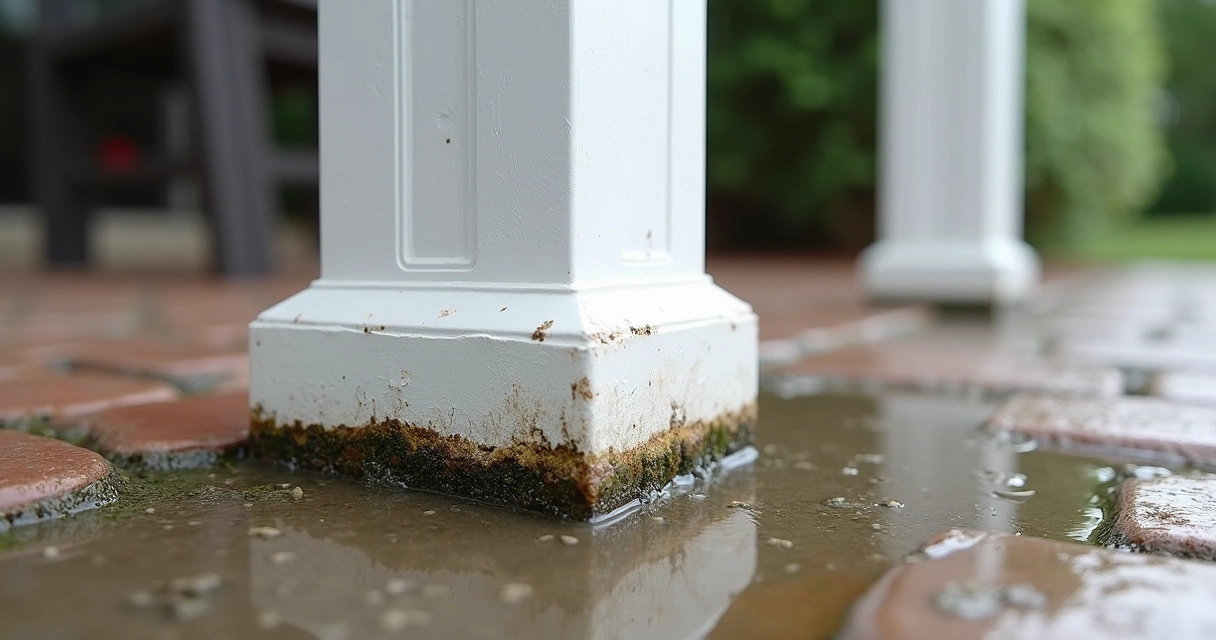
- Standing water around enclosure posts
- Soil that feels soft, spongy, or sunken near frame bases
- Moss, algae, or erosion forming channels past the posts
Your enclosure’s foundation may be compromised, setting the stage for movement, wood rot, or pest entry.
Water can travel inside posts, weakening connections and rusting hardware out of sight. Saturated soil leads to shifting, causing posts to tilt and slabs to crack, which threatens both your enclosure and adjacent patios. We always recommend smart drainage design (just like we use for our concrete and paver work), as it helps direct water away and keep footings stable.
If drainage is a chronic problem, GCM Best Services helps integrate new drains and edge restraints as detailed in our hardscape solutions for Central Florida. Early intervention prevents costly repairs later.
6. Discoloration, paint peeling, or chalky surfaces
Even before structural problems show, the surface tells a story. Fading, discoloration, peeling paint, and chalky residue usually warn you of ongoing exposure and age. Florida’s UV rays and rain wear away factory coatings, eating into the metal beneath.
Notice any of these?
- White, powdery residue that rubs off on your fingers (“chalking”)
- Paint or powder-coat flaking off, revealing bare metal
- Streaks, stains, or odd coloration (orange, brown, or grayish hues)
While mostly cosmetic, these signs mean moisture can soon reach and weaken the metal. In our repairs, we often recommend repainting or recoating to buy time and refresh curb appeal. The General Services Administration encourages repainting to boost lifespan.
But frequent repainting isn’t a cure if rust, corrosion, or cracks are already running deep. If the surface is crumbling or flaking everywhere, call in GCM Best Services for a closer look.
7. Noisy joints or creaks in wind
Healthy screen frames should be quiet—any new creaks, pops, or rattles turn into reliable warning signs. Wind shuddering through loose panels or shifting joints is a prompt for action.
Common issues we find:
- Joints making a popping or snapping sound when temperature changes
- Loud creaks as the wind flexes beams
- Rattling screens around loose fasteners
Sometimes, creaks appear after storms or unusually windy days in Central Florida. In our repairs, we trace noise to loosened connections, failing screws, or shifting footings. If your enclosure “talks” when the breeze blows or during rain, it’s signaling for help. Those sounds can come right before major failures.
Joints should flex quietly—not shout for attention.
Investigate now to prevent later regrets (and bigger costs).
8. Screens pulling away, warping, or frequent tears
Lastly, the screens themselves tell you plenty. If they pull away from the frame, wave loosely in the wind, or show several tears and bulges, the frame may be to blame. A strong frame keeps mesh taut and aligned.
Watch out for:
- Screen mesh sliding out of its groove at corners or along beams
- Frequent tears clustered in specific areas (usually near damage/deformation)
- Warped or twisted frame bars that prevent screens from fitting flat
We’ve seen cases where repeated screen replacement fails, only for homeowners to discover a frame so deformed that nothing will hold. Honest repairs address the root—straightening or rebuilding the frame, not just patching mesh. At GCM Best Services, our team always checks enclosure structure first before starting a rescreening job, a hallmark of quality service in Orlando.
For more about managing outdoor surfaces and enhancing your property, we invite you to see our driveway and patio paving solutions and more educational concrete articles in our concrete project ideas section.
Conclusion and what to do next
In Central Florida, keeping an eye on your screen enclosure frame isn’t just about looks—it’s about safety, comfort, and property value. We’ve seen firsthand how early warning signs, like rust, movement, or worn-out hardware, can turn into costly repairs if ignored. Spotting these eight issues early gives you control, allowing for simpler fixes before problems multiply.
If you notice any of these symptoms on your enclosure—or you’re unsure what a spot or sound really means—don’t take chances. Reach out for a free, no-obligation inspection from a licensed, insured professional like GCM Best Services. We’ll document findings, walk you through clear solutions, and get your enclosure ready to withstand Florida’s weather for years to come.
Ready for a professional quote? 📞 (407) 250-1948 • 24–48h • Orlando, Tampa & area.Improve your outdoor living and protect your peace of mind with a trusted local partner.
Frequently asked questions
What are common screen enclosure frame problems?
Strong>Common problems with screen enclosure frames include rust and corrosion (especially at the base of posts), loose or missing fasteners, sagging beams, cracked or dented aluminum, and frame movement or leaning. Surface issues like flaking paint, chalky residue, and noisy joints also signal trouble. Frequent water pooling and screen mesh pulling away signal that the structure may be weakening.
How can I spot early frame damage?
To spot early frame damage, look for new streaks of rust or corrosion, small bends or cracks, paint flaking, or joints that move when pressed. Gently push at connection points to check for looseness, inspect the ground at posts for soft spots and make note of any odd noises or visible tilting. Early detection allows for simpler repair.
Is it worth it to repair or replace?
Whether to repair or replace depends on how advanced the damage is. If you catch rust, loose hardware, or minor bending early, repairs are often cost-effective and restore strength. If the damage is widespread—such as deep corrosion, heavy leaning, or multiple structural cracks—replacement may be safer and longer lasting. According to studies by the U.S. Fish & Wildlife Service, advanced corrosion means repair might not be practical.
How much does frame repair cost?
The cost to repair a screen enclosure frame in Central Florida varies based on the type and extent of damage. Minor repairs (tightening hardware, patching paint or replacing small sections) may cost a few hundred dollars. Large-scale repairs involving post realignment, major corrosion, or full beam replacement can run into the thousands. Most reputable contractors will provide a free inspection and a detailed estimate.
Where to find reliable repair services?
For reliable repairs, choose a licensed, insured contractor with experience in local enclosure regulations and climate—like GCM Best Services. We manage everything from structural inspection to hurricane-ready repairs, with full communication and written warranties. Always check reviews, ask for photo evidence of completed work, and insist on clear contracts.