Florida’s storm season brings more than thunder and wind. For many homeowners, the garage is one of the most exposed spaces—often the first to flood or face wind-driven damage. In our years of work across Orlando and Central Florida as GCM Best Services, we’ve seen what unprepared garages can suffer. The combination of heavy rainfall, storm surge, and wind-borne debris puts garages through tough tests every year.
This article is for anyone in Central Florida seeking to safeguard their garage from storms with durable doors, smart drainage, and advanced coatings. We’ll walk through each upgrade, tell the real story of why it matters, and give you the clarity to make smart choices tailored to Florida’s unique climate—and your peace of mind. Along the way, we’ll share best practices informed by our experience, local code, and the lessons learned from past hurricane seasons.
Why Florida garages face unique storm risks
Florida’s low elevation and intense storms combine to create some of the highest garage flooding and wind risks in the country. The Florida Department of Health details how the state’s flat topography means that even moderate rain or a nearby hurricane can bring water into your driveway and, eventually, your garage. According to their summary of flood risk in Florida, flooding develops quickly and can become severe without much warning.
The National Weather Service’s guidance on flash floods and inland flooding highlights a local reality—urban flooding from heavy tropical rain can arrive in under an hour. We’ve seen it ourselves: strong storms pass, and the garage is left as the lowest, most vulnerable space.
Every garage in Florida is on the front line when storms arrive.
How garage doors stand guard in Florida storms
When we think about garage protection, the door is the first thing that comes to mind. It’s the largest opening for most homes. It’s also the weak point for wind, water, and security.
Wind pressure and impact ratings
Central Florida codes require garage doors to resist high wind loads, especially near the coastline. But the real test comes from flying debris—tree branches, tiles, even small objects turned dangerous in hurricane winds. Modern garage doors rated for hurricane zones often include:
- Thicker steel or reinforced aluminum construction
- Heavy-duty track systems anchored to the structure
- Wind locks and bracing bars to resist bowing and blowouts
- Impact-rated panels and windows tested for debris
A hurricane-rated garage door provides dramatically improved resistance to wind and debris based on local code. During a job last season, we replaced several unsatisfactory doors that buckled in their tracks during a strong squall—despite being closed and latched from the inside. The peace of mind from a properly rated door was immediate for the owners.
Practical upgrades for all budgets
Not every homeowner wants to (or can) replace their garage door at once. We have helped clients reinforce existing doors, check for lagging or missing anchors, and add bracing kits—all effective improvements. Sometimes, even small hardware upgrades can bring an ordinary door closer to code compliance and storm readiness.
Seals, thresholds, and water intrusion
Flooding does not need to be ankle-deep to be a problem. Once wind or inches of runoff enter the garage, flooring and stored contents are at risk. Our standard recommendation includes:
- Flexible bottom seals to block rain and air infiltration
- Raised garage door thresholds
- Weather-resistant side and top perimeter seals
These small steps, when part of a broader approach, help create the watertight envelope needed for storm resistance.
Managing water with better drainage: more than just a floor slope
Water seeks the lowest point—and all too often, that means flowing right into the garage. Good drainage is every bit as important as the door itself for Florida garages.
Why garage drainage matters
Floodwaters and storm surge are extreme scenarios, but everyday Florida rain presents its own challenge. When gutters or driveway slopes channel water toward the garage, even light rain can pool inside. We often explain the basics to clients who believe their garage floor is “just fine”—until the next big downpour arrives.
Types of garage drainage systems
We typically evaluate garages and driveways for these solutions:
- Trench drains: Installed just outside or inside the threshold, these long, shallow drains capture runoff at the entrance and move it safely away.
- French drains: Gravel- or pipe-filled trenches redirect subsurface water before it enters the garage, often placed alongside driveways or slab edges.
- Interior floor drains: For some garages, especially at or below ground level, an interior drain with a proper slope may be possible.
- Driveway and apron grading: Sometimes, simply reshaping the pavement to pitch away from the house does the trick when paired with drains.
Our experience shows that effective drainage solutions are best planned together with paving or slab upgrades. A trench drain cut into a new driveway apron is much cheaper and less disruptive than retrofitting it later.
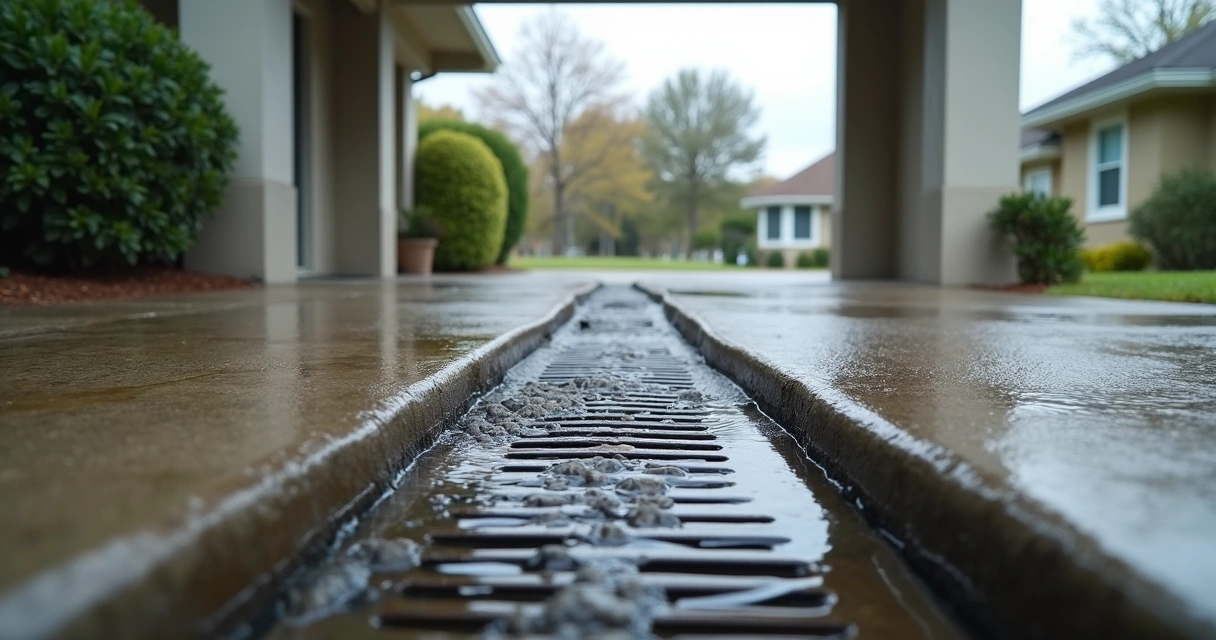
Drainage: common Florida problems and our answers
We see these drainage issues in Central Florida all the time:
- Driveway pitching inward toward the garage, not away
- Old slabs without expansion joints or overflow reliefs
- Clogged or improperly sized gutters dumping onto pavement
- No perimeter drains to catch overland flow
We solve these with a combination of grading, drains, and sometimes integrating new surfaces such as concrete, pavers, or artificial turf. Our process always includes checking permit needs, HOA requirements, and final site water testing after installation.
For additional guidance on prepping concrete driveways or patios for Florida’s soil and climate, our tips for preventing cracks in concrete surfaces offer step-by-step strategies that contribute to overall storm resilience.
Why concrete quality underpins every garage upgrade
Sometimes, our visits begin with a customer worried about storm damage, but we discover hidden trouble: cracked, out-of-level, or water-damaged concrete slabs. The concrete beneath your garage is the literal foundation for every other upgrade—if it’s weak, repairs and surface coatings are only band-aids.
What makes Florida garage slabs different?
Central Florida’s sandy soils and high water table demand specific techniques. Our crews at GCM Best Services always:
- Excavate for a 6–8 inch compacted sub-base that resists settlement
- Use 3,000–4,000 PSI concrete mixes tailored for heavy use
- Install rebar or mesh reinforcement to control cracking
- Add joints and relief cuts at proper spacing
This not only assures a flatter, stronger finish, but provides the base needed for resilient doors and drainage.
If you’re choosing a new concrete company or want tips for evaluating repair options, our guide to selecting a concrete contractor in Orlando will help you ask the right questions for this region.
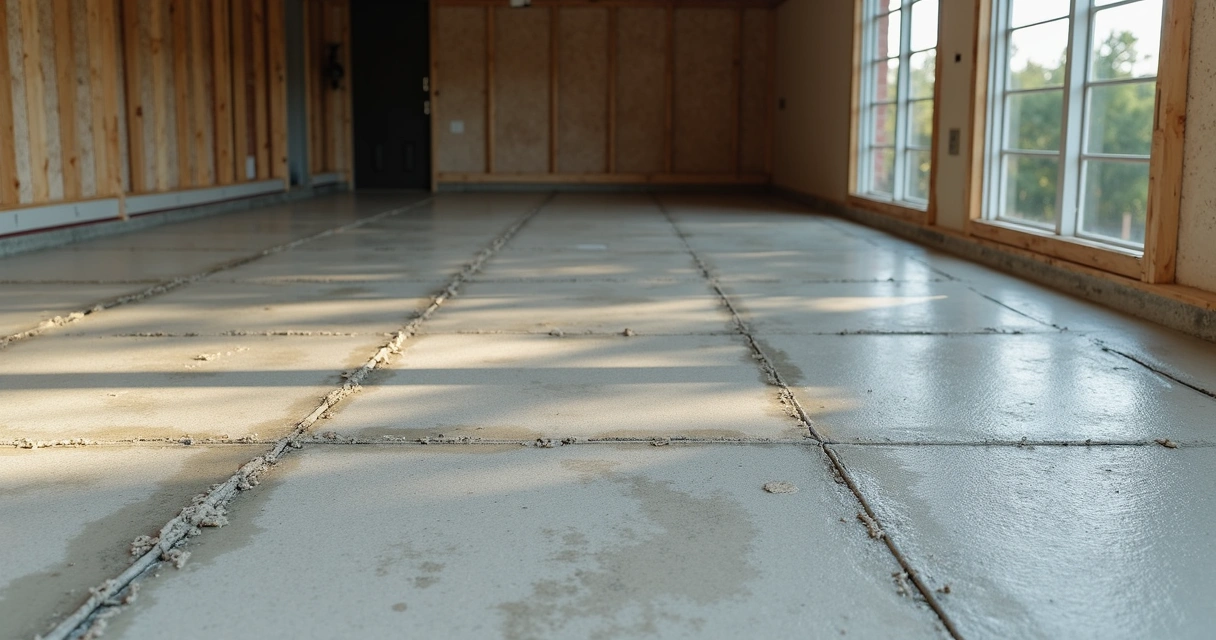
Garage slab repairs: warning signs we never ignore
We advise inspections if you notice any of these:
- Cracks wider than one-eighth inch, especially near seams
- Water stains, soft spots, or settled depressions in the floor
- Chipped or spalling surfaces under paint or other coatings
- Efflorescence (white powdery marks), a sign of water movement
A solid, well-prepared garage floor is the only dependable base for high-performance coatings and flood-resistant upgrades. Loose or degraded concrete can allow moisture ingress, mold, and eventual structural problems.
Epoxy and polyaspartic coatings: protection for every garage floor
Florida’s hot, humid, and storm-prone environment is hard on plain concrete. In our projects, we’ve seen impressive results with modern coatings. The technology has become more advanced, easier to maintain, and offers much better resilience than basic paint.
Why coat your garage floor?
Coating concrete serves multiple purposes in the context of storm resilience:
- Seals hairline cracks and pores against water intrusion
- Makes cleaning up after minor floods or mud wash-in much easier
- Protects concrete from chipping, salt damage, and oil stains
- Offers non-slip options for safety in wet conditions
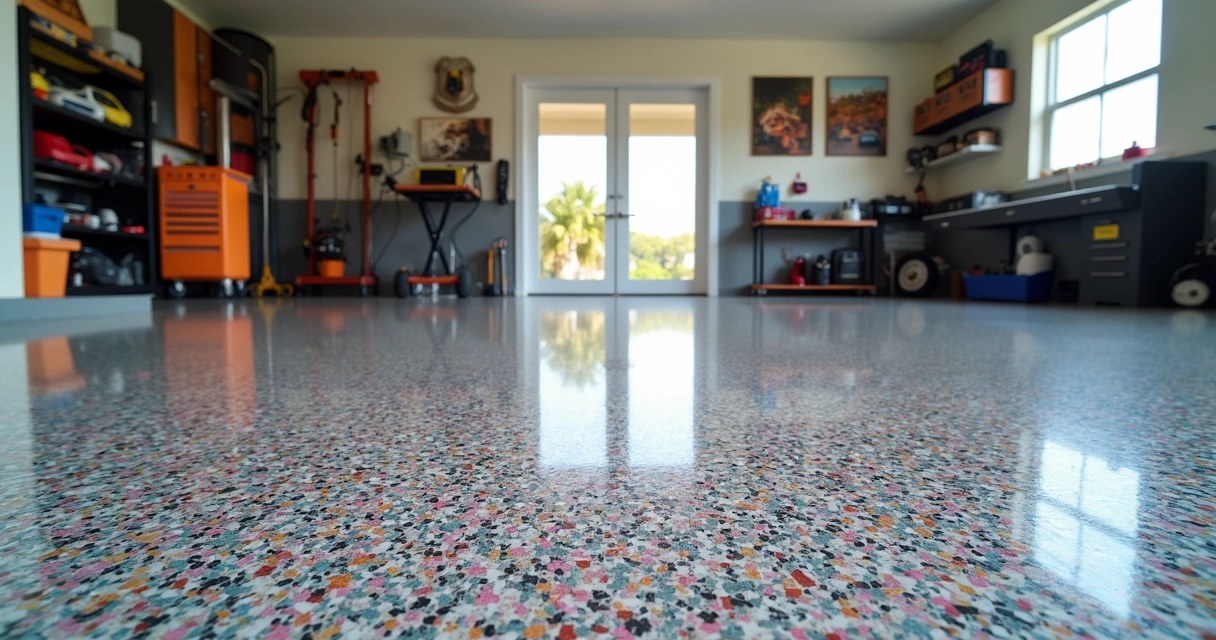
Our preference is for 100% solids epoxy or polyaspartic coatings—these bond fully to clean, prepped concrete and withstand vehicle loads, heavy foot traffic, and chemical exposure. Clients benefit from quick curing, so the disruption to daily use is minimal. We provide flaked, quartz, or custom color finishes to match your design as well.
The right floor coating keeps your garage safe, easy to clean, and looking sharp—even after a storm.
Epoxy and polyaspartic: what’s the difference?
- Epoxy: Durable, chemical-resistant, thick layer; takes longer to cure (often 24-48 hours).
- Polyaspartic: Fastest cure (within a few hours), good for tight schedules; maintains flexibility and UV resistance.
In our experience, both systems deliver excellent protection, but the environment in your garage (temperature, expected traffic, sun exposure) helps determine the right product. Polyaspartic is especially popular when a quick turnaround is needed before another storm arrives.
Why moisture testing matters
Before any coating, we always perform moisture vapor transmission (MVT) tests. Florida’s high humidity and grade-level slabs often mean ‘hidden’ dampness. Without this step, even the best coating can blister or peel. Proper crack repair and grinding create a stable base, which we see as non-negotiable for storm-prone areas.
Extra considerations: storage, wiring, and backup power
Storm resistance doesn’t end with concrete, doors, and drains. We always suggest a review of these additional areas:
- Elevated shelves or cabinets for storage (prevents water damage if minor flooding occurs)
- Sealed, weather-resistant outlets and GFCI protection for garage circuits
- Backup battery or smart opener for garage doors in case of power outage
- Secured propane or flammable materials away from flood risk areas
- Clearly marked emergency shutoff valves for gas and water lines
Even basic changes, like organizing tools above ground level and moving paints or chemicals well clear of the floor, make post-storm cleanup much simpler. On commercial projects, we follow the same principle, often adding overhead racking to protect inventory or equipment.
Warranty, process, and peace of mind
Those who invest in garage upgrades want more than a product—they want to know the work is right, the schedule is clear, and the results last. Our approach at GCM Best Services emphasizes:
- Free on-site inspection and estimate
- Design, code, and permit handling (no guesswork for homeowners)
- Photo documentation and written warranty at project completion
- User-friendly maintenance guidance
If a slab or coating issue ever appears, our written warranty covers the remedial work you need—giving you true confidence each storm season.
Browse our portfolio of concrete and garage upgrades to see examples of these principles in action across Central Florida.
What to expect when upgrading: our typical process
We aim to take the stress and guesswork out of garage upgrades, so you can enjoy the peace of a safer, cleaner, and more usable space. Here’s a typical workflow:
- Initial assessment and moisture testing
- Estimate and design selection (doors, drainage, coatings)
- Scheduling and permits, if necessary
- Surface prep or demolition (for replacements)
- Installation of drainage, new slab, or coating system
- Full cleanup and customer walkthrough
- Warranty, care instructions, and support always available
When to call a professional—and why it matters
We’ve met homeowners who took pride in their DIY efforts, but for garages in hurricane-prone regions, a professional approach pays for itself. Safe drainage, code-compliant doors, and surface coatings are deeply site-specific. Permits, inspection passing, and manufacturer-backed warranties all rely on professional installation.
Our team always customizes each solution. We’ve worked through HOA requirements, challenging slopes, tight schedules before hurricane landfall, and demanding commercial specs. With storm resilience, the difference is in the details.
If you want long-term security for your vehicles, tools, or living space, investing in professional upgrade services is the best step forward.
For fixes limited to concrete repair, reinforcement, or coating, see our guide on licensed concrete contractors for repairs.
Conclusion: setting up your garage for the next Florida storm
Florida’s storm season doesn’t play favorites. Every garage, whether attached or freestanding, faces the risk of wind, water, and the aftermath of extreme weather. As we have seen through years of service at GCM Best Services, upgrading your garage doors, drainage, and floor coatings isn’t just about repairs—it’s about prevention and long-term value for your property.
We hope this guide lights the way for your next decision. If you’re ready for an assessment or want expert advice on how to protect your garage, our local team is ready to help from Orlando to Tampa and beyond. Secure your peace of mind before the next storm rolls in—contact GCM Best Services for a garage that stands up to Florida’s toughest weather.
Ready for a professional quote? 📞 (407) 250-1948 • 24–48h • Orlando, Tampa & area.
Frequently asked questions
What is a hurricane-rated garage door?
A hurricane-rated garage door is tested and certified to meet specific wind and impact standards set by Florida Building Code for areas prone to hurricanes and high winds. These doors feature reinforced panels, heavy-duty tracks, wind locks, and may include impact-resistant glass. The result is much better protection from both wind pressure and debris, helping the door remain intact rather than blowing in—one of the leading causes of catastrophic home damage in storms.
How to waterproof my garage floor?
To waterproof your garage floor, it’s best to use a professional-grade epoxy or polyaspartic coating system applied to clean, properly prepped concrete. This creates a seamless barrier against water intrusion, oil, and chemical stains. Before coating, floor cracks and joints should be sealed, and a moisture test performed to ensure no buildup from beneath the slab. Adding a trench or threshold drain at the garage entry can further help direct water away before it enters.
Is it worth adding garage drains?
Adding garage drains is often well worth the investment in Florida, as it protects both your home and its contents from frequent rain and possible storm surge. Properly designed trench, French, or floor drains capture and route rainwater before it pools or enters living areas. Combined with positive grading and good gutter management, they significantly reduce the risk and cleanup after storms, as confirmed by guidance from the National Weather Service and Florida Department of Health. The upfront cost is often offset by damage prevention and increased home resale value.
Where to find stormproof garage coatings?
Storm-resistant garage coatings—such as industrial-grade epoxy or polyaspartic systems—are available through professional contractors experienced in moisture testing, crack repair, and code compliance for garage floors. At GCM Best Services, we offer certified coatings tailored to Central Florida’s climate, applied by trained teams who can advise you on surface prep, finish options, and long-term care. Using a pro helps ensure warranty coverage and a seamless, long-lasting result.
How much does a garage upgrade cost?
The cost of a storm-resistant garage upgrade in Central Florida varies from a few hundred dollars for door reinforcement or basic sealing to several thousand for a full replacement (door, drains, slab repair, and premium coatings). Most customers find that a professional assessment provides clear options and honest pricing. Upgrades aligned with code and done by licensed teams typically increase home value and save more than they cost by limiting future damage and repairs. For an accurate price tailored to your needs, schedule a no-obligation inspection with GCM Best Services.