Building a home that grows with us or with our loved ones means recognizing the value of comfort, safety, and easy movement—both inside and outside. In Florida, the dream of aging in place often hinges on one simple feature: the step-free pathway. As concrete specialists serving Central Florida at GCM Best Services, we have seen firsthand how this addition can entirely change how older homeowners experience their property. Let’s talk about the real-world planning, design, and construction that make step-free living safe and beautiful under Florida’s sun.
Why step-free pathways matter in Florida homes
In our region, independence, outdoor living, and year-round access to gardens, patios, and lanais are part of everyday life. But as the home population ages, safe access is sometimes overlooked. According to data gathered by the U.S. Census Bureau, only a small portion of U.S. homes are designed with features like step-free entries and accessible baths. For Florida, where more than 20% of residents are aged 65 or older, this makes step-free routes not just a comfort, but, in many cases, a necessity.
We believe:
The path you walk on every day should never be a barrier.
This simple truth is especially powerful for those wanting to stay safe and self-sufficient in their own homes as the years go by.
Understanding the needs of older homeowners
Designing a step-free pathway starts with understanding the unique needs that older adults face. From our work with clients across Central Florida, we know that challenges include:
- Reducing slips, trips, and falls—particularly on uneven ground, steps, or loose paving.
- Allowing wheelchair, walker, or cane use, without difficult transitions or abrupt height changes.
- Managing Florida’s seasonal storms so water drains away instead of pooling on paths.
- Blending accessibility with curb appeal, so homes look welcoming and beautiful, not clinical.
If talk of ramps and railings brings to mind cold, institutional looks, rest assured—good planning allows for solutions that blend perfectly with Florida’s architectural warmth. We aim for inviting concrete, paver, or turf surfaces, gentle curves, and subtle drainage built into the landscape.
What does step-free actually mean?
Step-free means a continuous, gently sloped surface that connects doors, driveways, patios, and garden edges with no steps or abrupt level changes along the way. This may include bridgeable changes in elevation, such as a smooth ramp or graded walkway, but avoids even small “lip” hazards at thresholds or between paver stones.
How Florida soils and climate shape design
Florida’s sandy, sometimes unstable soils and subtropical storms bring extra considerations to every outdoor project. We think a lot about:
- Proper foundation and sub-base compaction, so settling does not create new trip hazards over time.
- Material choices that handle heat, rain, and rapid drainage—including broom-finished concrete, non-slip epoxy coatings, durable pavers, or permeable artificial turf surfaces.
- Algae and mildew resistance, as shaded and moist surfaces can become slippery in our climate.
Our pathway projects always address storm runoff, directing water away from walking surfaces to prevent ponding after heavy rainfall. For a closer look at how we accomplish this, you can review our approach in detail on our hardscaping services page.
First steps: Assess, measure, and plan together
Every successful project begins with a clear assessment of the current site and the homeowner’s needs. When we visit families across Orlando and Central Florida, we bring:
- Professional measurement tools for slope, elevations, and distances between entrances, patios, and garages.
- Discussions about mobility devices—such as the turning circle needed for walkers or wheelchairs, or proximity needed for in-car transfers.
- Awareness of visually impaired or low-vision users, considering color contrast and tactile clues beneath the feet.
A good plan also examines “desire lines”: the routes people naturally walk, rather than what may have been originally laid on paper. This keeps the project focused on real, everyday use rather than inflexible textbook solutions.
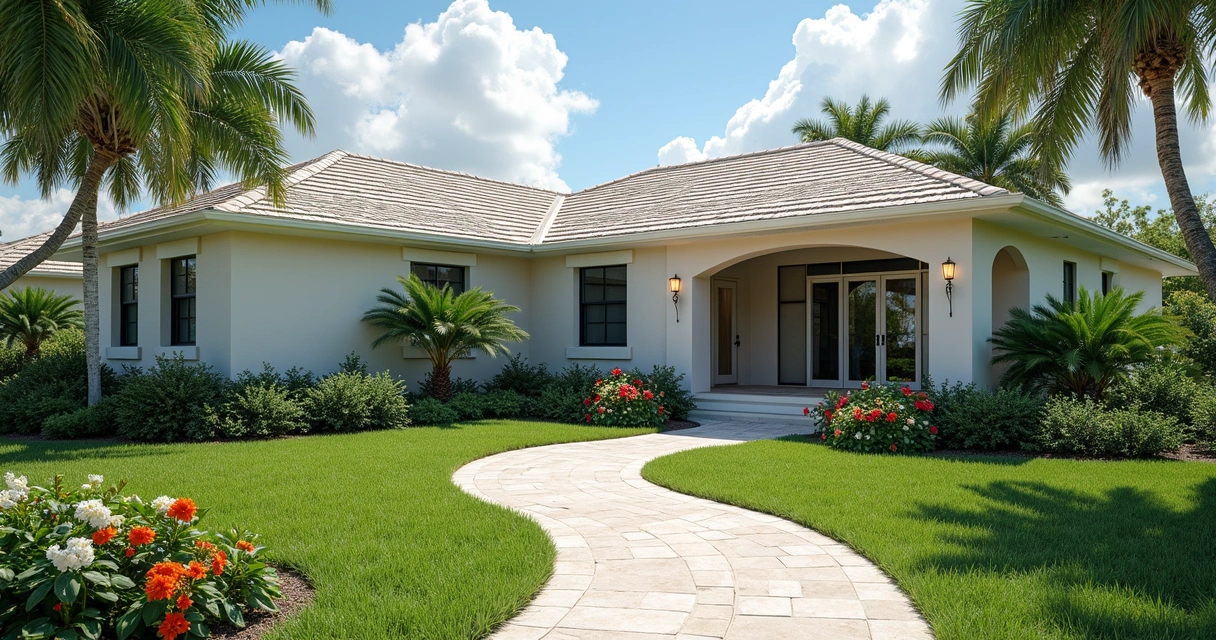
Key elements of a step-free pathway in Florida
When we design outdoor step-free routes, there are multiple factors we always keep in view:
Surface materials for grip and stability
The walking surface should provide confident grip even when wet, and resist shifting or crumbling under Florida’s heat and rainfall. We often recommend:
- Broom-finished or lightly textured concrete for a non-slip path.
- Concrete or stone pavers laid on a well-compacted sub-base, with tight joints and proper edge restraints.
- Epoxy or polyaspartic coatings on concrete for garage and indoor-to-outdoor links—these resist moisture and are easy to maintain.
- High-drainage, soft-feel artificial turf for areas next to gardens or pet runs, providing cushioning and low heat retention.
The right choice depends on budget, site conditions, and intended use, but all can provide safe, step-free transitions.
Pathway width and turning space
We know many homeowners need to accommodate more than one person, mobility scooters, or side-by-side walking for support. Paths should often be at least 42″-48″ wide, and wider at main entrances or patio access points.
At the ends, or corners, we aim for:
- A five-foot-diameter “turning circle” allows a standard wheelchair or walker to make a full turn without reversing.
- Wider spaces at garage, lanai, or pool cage gates for easy access with carts, coolers, or service equipment.
Grades, slopes, and threshold transitions
Florida code generally limits outdoor ramp slopes to a one-inch rise over every 12 inches of run (1:12), but for comfort and aesthetics, gentler slopes (1:18 or more) are even better if space allows.
For existing entryways with a step, we may regrade the approach, install a poured ramp, or use ADA-compliant threshold adaptors to create a zero-lip entry point without gaps under doors. This can blend seamlessly with paver edges, exposed aggregate, or turf. Projects like those found in our concrete and paving portfolio often illustrate these transitions.
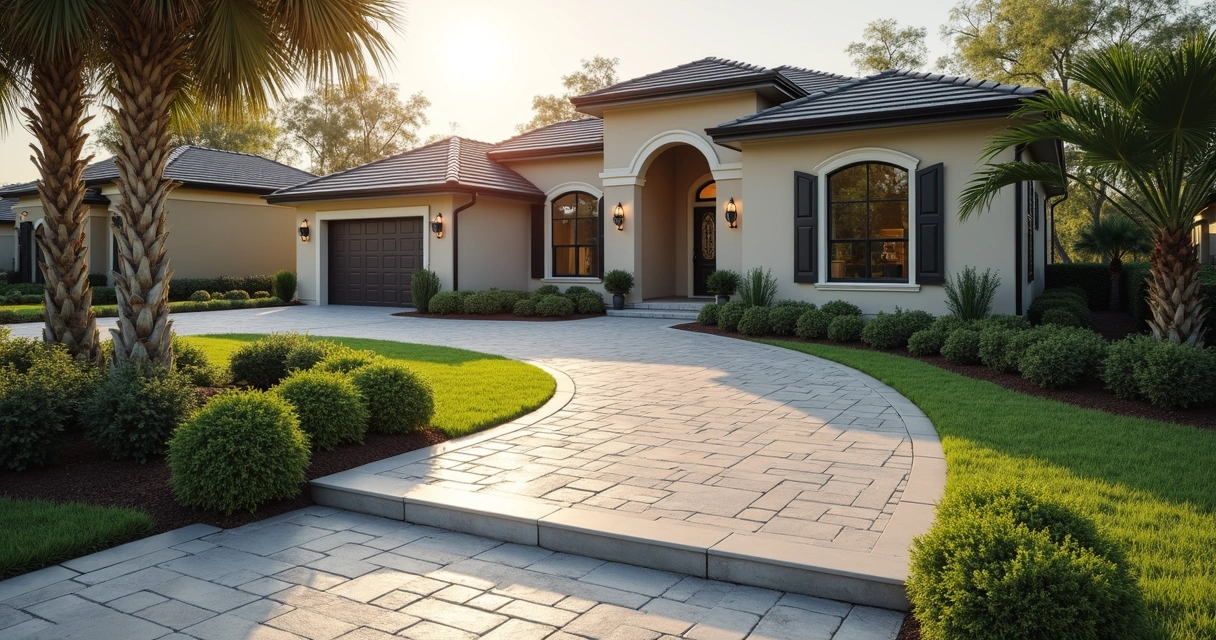
Drainage for storm season and everyday safety
In our experience, one of the most preventable hazards is standing water during and after Florida’s frequent rains. When a path allows water to accumulate—even if it looks small at first—the risk of slick algae, mildew, or sudden slips increases. Our process involves specifying:
- Cross-slope or gentle camber, so water runs off instead of pooling in the center.
- Channel or trench drains along low points, especially near driveways, lanais, or pool decks.
- Permeable pavers or base layers to let surface water drain down and away, not across walking routes.
Every job is site-specific, but good drainage is always part of our detailed estimates and plans.
Integrating pathways into Florida homes: Design and curb appeal
Step-free doesn’t have to look institutional or out of place. In Florida, outdoor living spaces are an extension of the home itself. We believe:
A well-designed step-free path can add as much beauty as it adds safety.
Soft curves, colored or stamped concrete, brick patterns, and border pavers can highlight garden beds, accent lighting, or your home’s unique architecture. For many of our clients, pathway upgrades become a real point of pride. Our collection of local hardscape projects shows how varied and appealing these accessible spaces can be.
Lighting, edges, and other finishing touches
The little details can make step-free living easy, safe, and welcoming even after sundown. Consider:
- LED path lighting with motion sensors or dusk timers for night visibility.
- Contrasting edge materials or colors to help visually impaired users avoid veering off the path.
- Low garden borders, such as stacked stone or sturdy edge pavers, that gently guide foot or wheelchair traffic.
- Plants chosen for low maintenance and non-invasiveness, avoiding roots or leaves that can cause tripping.
Special features for Florida’s unique outdoor settings
In addition to driveways and front walks, older homeowners in Central Florida often want step-free access to:
- Screened pool cages and lanais, for shaded outdoor relaxation year-round.
- Artificial turf surfaces, which stay attractive and soft for both people and pets.
- Summer kitchens or barbecue spaces, with level transitions between indoor and outdoor areas.
- Garden paths or backyard sitting areas, for visiting with friends or tending to plants independently.
Each of these spaces brings its own needs for surface type, drainage, and transition. Our team at GCM Best Services pays close attention—from initial layouts and permit paperwork to final walkthrough—so that each step-free space works as intended from day one.
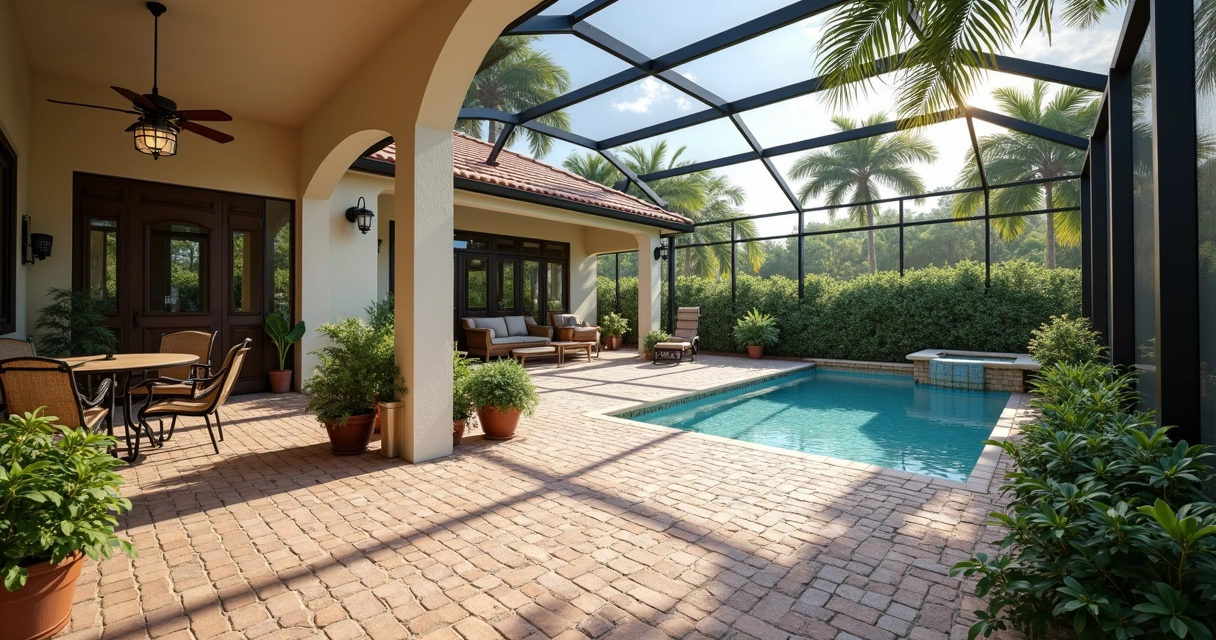
Permits, HOA rules, and local codes in Central Florida
Pathway projects in our area often cross the line between private landscape and public safety regulation. That’s why our start-to-finish process at GCM Best Services includes:
- Checking with city, county, or municipality for permits—especially for curb-cuts, sidewalk connections, or ramps.
- Liaising with HOA boards about surface changes, visible materials, or drainage features.
- Ensuring every structure meets current wind-load or hurricane-resistant codes where possible.
While many upgrades can be made with minimal red tape, it’s wise to have professionals who deal frequently with local inspectors and building departments, just as we do across Orlando and Tampa.
How our process works: From consultation to warranty
We know that for many homeowners, the idea of construction can be daunting. Our approach is always stepwise and transparent.
- Free in-person assessment. We listen, measure, and discuss wants, needs, and possible designs on site.
- Detailed, written estimate. We specify each surface, edge, and drainage decision, with no hidden costs.
- Design and permits. We handle paperwork, HOA coordination, and neighbor notifications if needed.
- Scheduled construction with progress photos. Our professional crews keep the site clean and safe, and every job abides by OSHA standards.
- Final walkthrough and written warranty. We settle for nothing less than complete satisfaction, with a warranty on finishes and a care guide for easy long-term use.
This is our standard process for every hardscape, paving, or step-free access project. Learn more about our typical workflow and see some of our favorite projects in the concrete category on our website.
Long-term maintenance and care for step-free pathways
We understand that most families want to “set it and forget it” when it comes to outdoor accessibility. Our choices for materials and finishes are always aimed at easy, long service life:
- Sealed concrete, pavers, or epoxy for resistance to mildew, staining, and sun fade.
- Occasional pressure cleaning, but no need for harsh chemicals or scrubbing.
- Adjustment and retightening of edge restraints or transitions as part of periodic inspections.
- Drainage kept clear by removing leaves after storms; a quick sweep keeps paths safe.
Maintenance is usually as simple as what you’d do for any driveway or patio: Keep it swept, rinsed, and checked for new cracking or shifting after the rainy season.
Should you want to schedule a professional assessment or quote, our service area covers all of Central Florida, including Orlando and Tampa. Reach us at (407) 250-1948.
Cost considerations and project budgeting
We are often asked: How much will a step-free pathway cost? In our experience, budgets vary based on:
- Length and width of the pathway, and whether curves or detailed border work are required.
- Material selection (basic broom-finished concrete, decorative pavers, or high-end epoxy/turf combinations).
- Site preparation costs (grading, drainage, removal of old steps, dealing with tree roots, etc.).
- Accessory features, like lighting or edge plantings.
For most homes in Orlando and Tampa, a straightforward, slip-resistant pathway to replace steps or uneven pavers usually lands in the mid- to upper-thousands, with upgrades (like designer paver patterns or integrated LED systems) costing more. As always, a written estimate is the smartest start.
Why choose professionals for your step-free pathway?
While some handy homeowners are comfortable with minor leveling or repairs, installing a lasting, slip-resistant, and attractive step-free route that also manages drainage and meets code is another story.
Professional hardscape and paving contractors, such as our licensed team at GCM Best Services, deliver peace of mind alongside a warranty—backed by years of regional experience.
For a deeper dive into local hardscaping trends, surface options, and project galleries, you can visit our Orlando hardscape and concrete page.
Taking the next step: Designing safe, beautiful spaces to age in place
Building a step-free pathway is more than just pouring concrete or laying pavers. It’s about:
- Listening to the homeowner’s day-to-day needs.
- Drawing on the best materials, drainage, and site prep for Florida’s unique climate.
- Adding design flair and value for seamless curb appeal.
- Doing it all with clear communication, detailed estimates, and written warranties.
As Florida’s population ages, demand for accessible, beautiful outdoor spaces will only grow. With careful planning and expert help, there’s no reason every home can’t offer safety, comfort, and style—all on the same path.
If you are ready to talk about your own home’s access or want ideas for improving step-free movement around your property, we invite you to discover what GCM Best Services can do for you. Our passion is helping families in Orlando, Tampa, and across Central Florida stay independent, safe, and happy—one walkway at a time.
Ready for a professional quote? 📞 (407) 250-1948 • 24–48h • Orlando, Tampa & area.
Frequently asked questions about step-free pathways
What is a step-free pathway?
A step-free pathway is a continuous, gently sloped route that connects parts of a property—such as the driveway, entrances, patios, or gardens—without any steps or abrupt elevation changes, making it accessible for people of all ages and mobility levels. These can feature materials such as concrete, pavers, or specialized turf, and are designed to be safe, easy to navigate, and visually appealing.
How to plan a step-free pathway?
Planning a step-free pathway starts with assessing the property’s layout, noting all entry and exit points, and identifying any level changes or trip hazards. Next, measurements are taken to ensure appropriate width and slope for comfortable, safe movement—especially for mobility devices. Choosing suitable materials for Florida’s climate, integrating good drainage, and complying with any local codes or HOA requirements are also key. Working with professionals ensures that every detail, from permits to final finishing, meets both practical and visual goals.
How much does a step-free pathway cost?
Costs vary based on factors like length, material (broom-finished concrete, decorative pavers, epoxy, or turf), site preparation needs, and extra design touches. Most straightforward projects in Central Florida range from the mid- to upper-thousands, with custom or high-end designs costing more. A detailed, written quote from an experienced contractor provides the best cost estimate tailored to your needs.
Where to find step-free pathway installers?
Step-free pathway installation is best handled by local, licensed contractors who know the regional soil, climate, drainage, and code requirements. In Central Florida, GCM Best Services offers assessments, custom design, professional permits, and warranted installations for all types of accessible pathways and hardscaping needs.
Are step-free pathways worth it for seniors?
Absolutely. Step-free pathways can significantly increase independence, safety, and confidence for older adults at home, reducing fall risks and easing access with walkers or wheelchairs. They are not just practical but can also add curb appeal, value, and enjoyment to any Florida property—it’s an investment in both peace of mind and daily comfort.