Summer kitchens have become a way of life in Central Florida. As we spend more time outdoors, especially through the long, humid seasons, homeowners and property managers expect outdoor living spaces to be as functional, inviting, and safe as their indoor counterparts. At GCM Best Services, we’ve seen a steady increase in demand for custom hardscapes and exterior upgrades, and the outdoor kitchen—with its grills, refrigeration, lighting, and outlets—sits at the center of this trend.
However, as these spaces evolve, so do the electrical codes that govern them. In 2026, sweeping updates to the National Electrical Code (NEC) will place new responsibilities on property owners, contractors, designers, and inspectors. We understand how daunting code updates can feel, especially when personal safety and large investments are at stake.
Stricter codes mean smarter, safer summer kitchens.
In this article, we break down what’s changing in the 2026 NEC for outdoor kitchens, why it matters here in the Orlando region, how it impacts your summer kitchen project, and what steps to take next—whether you are remodeling an existing area, planning a new build, or simply wanting to stay up to date. Our approach with clients always centers around safety, communication, and value, and this overview is crafted from that perspective.
Why electrical codes keep changing for outdoor kitchens
Nearly every three years, the National Fire Protection Association (NFPA) updates the NEC. In those periodic reviews, leaders analyze how technology, usage trends, and electrical hazards have changed. In Central Florida, high moisture levels, powerful storms, and the surge in summer kitchen popularity create circumstances that demand solid, up-to-date wiring and outlet solutions.
We see these factors almost daily:
- Modern appliances—increased amperage and power needs, especially for grills, cooktops, and refrigeration
- Outdoor living—lighting, fans, outlets, screens, and entertainment all in the same space
- Storm risk—hurricanes and surges increase hazards with unprotected wiring and outlets
- Code enforcement—Municipalities now require proof of code-compliant work for permits and inspections
The electrical code is not just a set of rules—it’s the backbone of safety for modern outdoor kitchens.
A single missed GFCI on an outdoor appliance or mis-sized disconnect can spell disaster. That’s exactly why the 2026 NEC update is especially focused on outdoor outlets, GFCI protection, and service disconnects for installations associated with summer kitchens and similar spaces.
The most meaningful 2026 NEC changes for summer kitchens
Reading through code books might not top your weekend plans, so we’ve distilled the most relevant 2026 NEC changes into digestible points. Here’s what affects summer kitchens most:
Higher GFCI threshold for outdoor outlets
The 2026 NEC raises the amperage threshold for GFCI protection on outdoor outlets serving specific equipment from 50 amps to 60 amps (read more on ECMweb). This upgrade recognizes the trend toward higher-powered appliances in outdoor kitchens, such as specialty grills, electric pizza ovens, and larger cooling units.
- Most summer kitchen devices will still require GFCI outlets or breakers for safety.
- Only equipment over 60 amps may be exempted; very few typical summer kitchen appliances draw this much.
- The change allows for better matching of protection type to equipment used.
While this may not seem dramatic, it aligns code more closely with real-world appliance needs and ensures fewer nuisance trips without sacrificing safety.
Clarified requirements for outdoor service disconnects
According to the 2026 NEC, the service disconnect—the main breaker or switch that can cut power to a section—must be accessible outside (on or near the home) for one- and two-family dwellings (details in IAEI Magazine).
- This requirement is especially relevant if your summer kitchen has a subpanel. For example, installed by the pool, garage, or outdoor kitchen area.
- It ensures first responders or property owners can quickly and safely disconnect power in an emergency—no running inside through a smoky house.
- Outdoor subpanels must now have clear, code-compliant shutoffs.
This rule addresses a key safety gap from earlier codes and will be rapidly enforced by local municipalities during permitting and final inspection.
Ongoing GFCI protection for outdoor receptacles
The push for GFCI (ground-fault circuit interrupter) protection around pools and outdoor spaces continues. The 2026 NEC keeps these requirements in full force and includes new clarity for outlets serving HVAC units and specialty appliances. According to advice for HVAC contractors in ACHR News, any 125-volt through 250-volt outdoor outlet up to 60 amps must be GFCI protected by September 1, 2026.
In a typical summer kitchen, this means:
- All general-use outlets, even those used for small appliances (blenders, countertop units), must have GFCI protection.
- Built-in refrigerators, ice makers, and beverage centers will require protected outlets or integrated GFCI breakers.
- Outdoor lighting mounted near the kitchen must comply if sourced from external outlets.
Water and electricity always demand respect. GFCI protection is always worth it.
How Florida’s environment meets national code updates
Central Florida’s mix of heavy rain, humidity, salt-laden breezes, and frequent lightning makes code-compliant outdoor electrical work non-negotiable. In GCM Best Services’ experience, South and Central Florida inspectors have become especially watchful when approving summer kitchen installs.
- Code changes directly address regional issues, such as water ingress, mold risk, and storm-driven failures.
- Subpanels need extra attention for corrosion resistance and code placement.
- Local municipalities reference the national code but can also impose stricter standards for certain homes (such as within certain HOAs).
We can’t count the times we’ve uncovered corroded outlets, unsafe extension cords, or failed GFCIs in patio kitchens installed before modern requirements. Studies on national code adoption have shown that GFCI and outdoor disconnect rules reduce injury risk and property loss, especially in regions with harsh weather patterns.
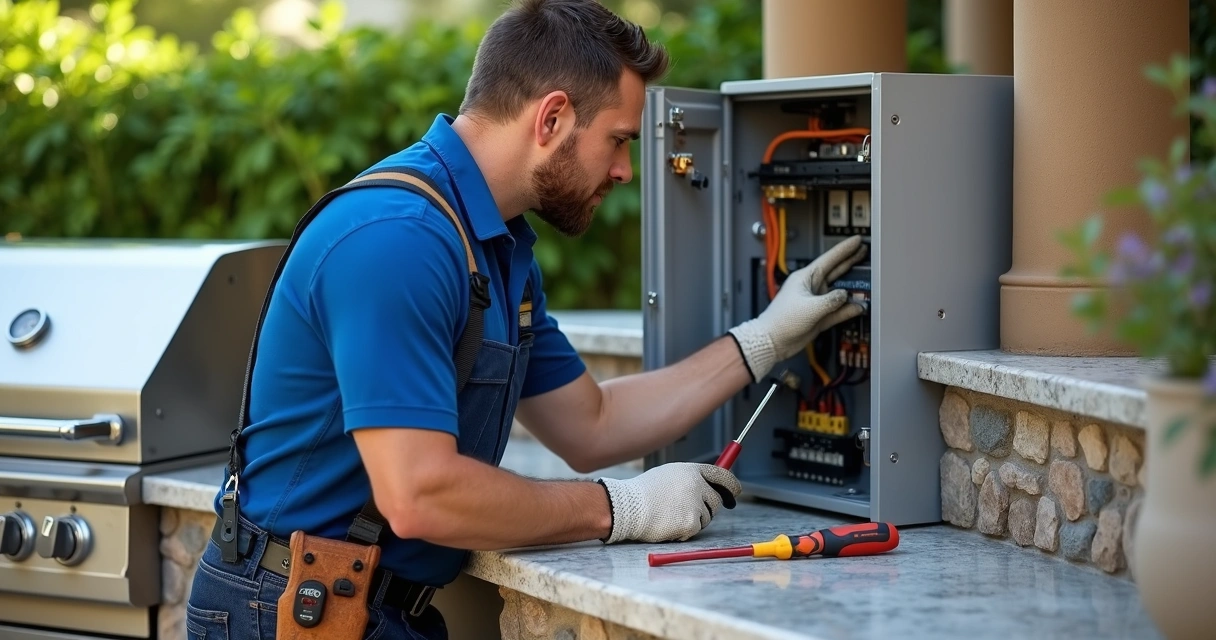
Planning your summer kitchen project in light of 2026 NEC changes
If you’re preparing to design or renovate a summer kitchen in 2026 or later, understanding these code shifts will help you avoid costly mistakes, delays, and rework. Here’s how we approach the process at GCM Best Services.
1. Begin with a proper assessment
We always start with a detailed assessment of your existing space or drawings. This includes reviewing:
- Current panel and circuit capacity
- Planned appliance types (check for amperage, plug type, and location)
- Outlet and switch locations relative to water sources
- Required disconnects and subpanels according to the latest code
- Landscape and drainage impacts on electrical runs (more on site preparation)
A thorough review upfront prevents expensive issues at the inspection stage.
2. Design with compliance in mind
Our design team tailors the layout to meet 2026 requirements. Key details include:
- GFCI-protected outlets for all outdoor-use circuits, including specialty and general-use
- Waterproof or wet-location-rated covers and conduit
- Outdoor-ready subpanels with accessible disconnects
- Load calculations for adequate amperage on new appliances
We document all selections, so permitting is smooth and clear. Read more about our hardscape integration here.
3. Work closely with inspectors and HOAs
Municipal and HOA inspections are stricter than ever. We proactively submit all documentation so you’re ready for approval, not headaches. Our process at GCM Best Services means we manage HOA submittals, permit applications, and coordinate directly with city/county inspectors. We maintain photo records and written warranties so clients always know what’s behind their walls.
Transparent paperwork is your best insurance for future sales or claims.
4. Choose qualified installers
2026 NEC changes demand skilled electricians who are trained in GFCI, outdoor disconnects, and code-specific wiring. We only use licensed, insured professionals for electrical installs—something we recommend regardless of who you hire. For reference on best practices working with experienced teams, visit our blog.
5. Future-proofing and regular checkups
Even code-compliant installations need regular checks. We recommend:
- Testing GFCI outlets at least quarterly
- Verifying proper operation of subpanel disconnects
- Inspecting for corrosion or moisture at all outdoor connections
- Documenting appliance changes and upgrades for compliance records
It’s also worth considering surge protectors and smart breakers for high-value kitchens.
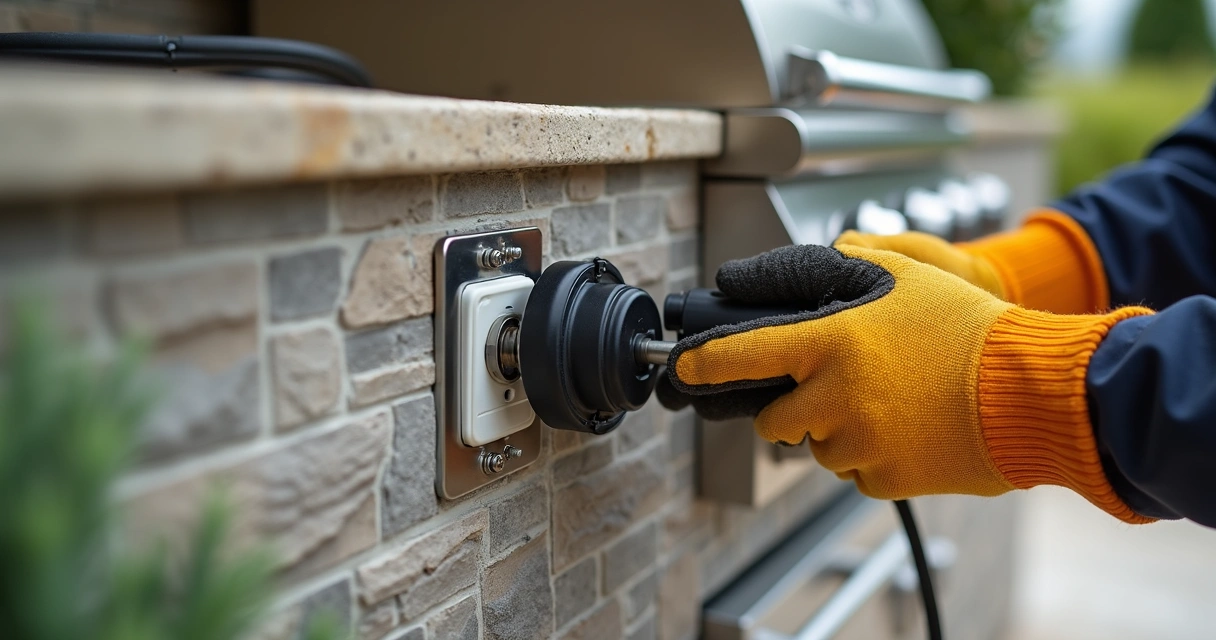
What these code changes mean for costs and timelines
Naturally, many clients want to know, will 2026 electrical code updates for summer kitchens increase project costs or complicate schedules?
Based on our market experience and industry reports, here’s what we see:
- Material upgrades may raise cost slightly, particularly for premium GFCI outlets, disconnects, and weatherproof enclosures.
- Design and permitting phases may be slightly longer, as plans and documentation require more scrutiny by cities and HOAs.
- On the other hand, lower risk of failed inspections and insurance claims keep long-term costs in line with well-built homes and patios.
- By planning now for 2026 standards, “future retrofit” costs and hassle are mostly avoided.
As seen in major code updates over the past decade, some up-front investment pays off with peace of mind and better resale value for your property.
Reducing hidden costs with preventative planning
We’ve seen projects delayed for weeks when legacy wiring failed code checks. Conversely, jobs designed to the latest NEC usually pass inspection the first time, and enjoy favorable insurance rates! Thoughtful planning now is money in the bank later.
Invest today for a safer, more valuable property tomorrow.
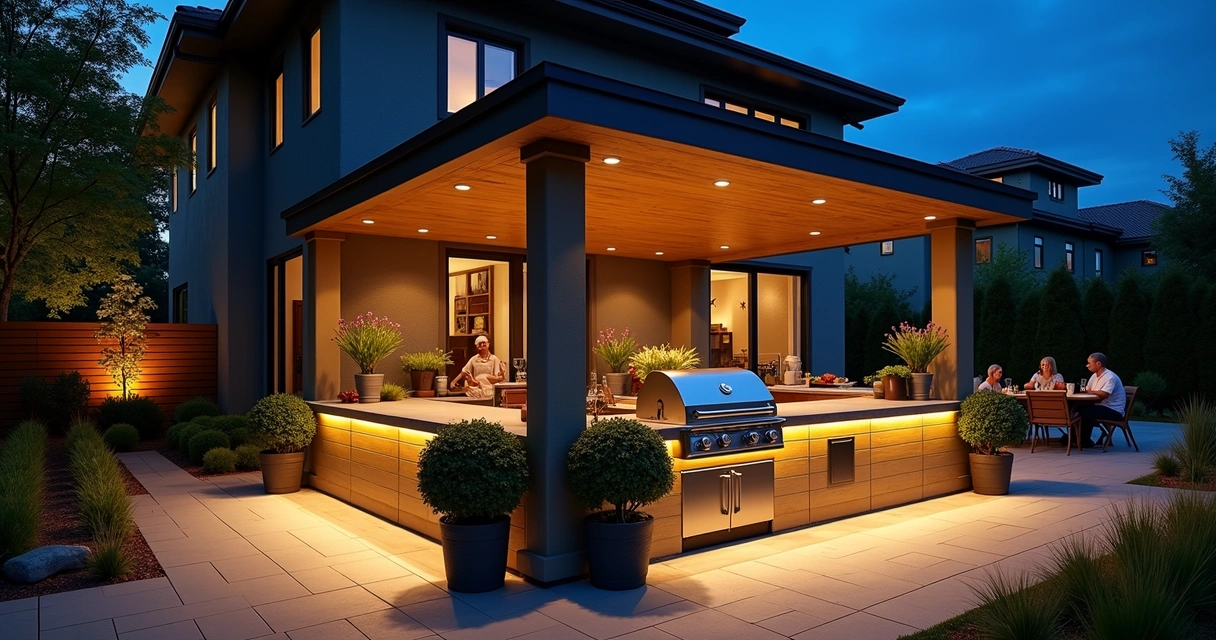
Why code compliance is a selling point, not just a checkbox
We regularly field questions from homeowners about whether building to the newest electrical code is “overkill” for a summer kitchen. In our experience, working to 2026 code is about much more than passing inspection.
- You’re protecting your family and guests from electrical shock and fire risks.
- Your home is easier to sell and appraise, given increased demand for updated outdoor living spaces in Central Florida.
- Insurance claims are faster and smoother when upgrades are well documented and compliant.
- You avoid future costs for upgrades should standards tighten further.
GCM Best Services believes code-compliant outdoor kitchens become a highlight of your property, not a liability. They are spaces for gathering, celebrating, and relaxing—designed and maintained with modern safety in mind.
Steps to take right now
If you’re considering a new summer kitchen or upgrading an existing installation in 2026 or beyond, here are our professional suggestions:
- Review your existing electrical infrastructure, especially subpanels and GFCI protection.
- Work with a company that provides written estimates, detailed designs, and code documentation—no shortcuts.
- Verify that your outdoor appliances meet the amperage and installation requirements for GFCI and disconnects.
- Ask for a photo record and maintenance guide for all new electrical work.
If you have questions, or if you’re unsure whether your plans will be impacted by the 2026 code, our team is here as a resource.
Conclusion: Building Florida’s safest summer kitchens, one upgrade at a time
Electrical safety is never static. As materials, appliances, and our region’s weather evolve, so must the codes—and the contractors who bring outdoor spaces to life. At GCM Best Services, we commit to building every summer kitchen with tomorrow’s code in mind, so you can focus on enjoying delicious meals, family fun, and warm evenings—worry-free.
To discover custom solutions, get practical advice, or start your project planning, reach out for a professional quote from our experienced Central Florida team.
Ready for a professional quote? 📞 (407) 250-1948 • 24–48h • Orlando, Tampa & area.
Looking to keep learning about exterior projects, pavers, and outdoor living? Visit our latest articles or explore even more topics on hardscaping in Central Florida.
Frequently asked questions
What is the new electrical code for 2026?
The 2026 National Electrical Code (NEC) brings several updates, especially for outdoor installations like summer kitchens. The most relevant changes are: raising the GFCI protection threshold for outdoor outlets from 50 amps to 60 amps, reinforcing the need for readily accessible outdoor service disconnects for one- and two-family dwellings, and continuing strong requirements for GFCI protection on most general-use and appliance outlets (up to 60 amps) outdoors. These updates aim to improve safety for modern, higher-powered outdoor appliances and facilitate safer, faster emergency shutoff. More information on these changes can be found in detailed NEC summaries.
How do code changes affect summer kitchens?
Code changes will mostly affect the electrical design, layout, and inspection process for new or renovated summer kitchens. You’ll need to ensure all outlets—especially those for refrigerators, grills, blenders, and lighting—are GFCI-protected unless they’re above the new 60 amp threshold. Subpanels installed outdoors (such as for a pool or summer kitchen) must feature easily accessible outdoor shutoff switches. To pass inspection, all wiring, covers, and disconnects must meet the new requirements.
Do I need to upgrade my outdoor kitchen?
You will only need to upgrade your summer kitchen if you’re planning significant renovations, adding new high-powered appliances, or selling your house and your current installation is not code-compliant. If your kitchen was recently built and already includes GFCI-protected outlets, proper outdoor disconnects, and weather-rated equipment, you may already be covered. For peace of mind and safety, we advise scheduling an inspection or assessment to check for compliance with the latest 2026 NEC requirements.
How much does compliance cost in 2026?
Costs for bringing your summer kitchen up to 2026 NEC code can vary significantly. If you need only a few new GFCI outlets or breaker replacements, the expense may be modest. More comprehensive upgrades—such as adding an outdoor subpanel with a new disconnect switch or reworking wiring for high-amperage appliances—can increase costs. Typically, budgeting an additional 5–10% for electrical compliance in larger outdoor kitchen projects is wise. The investment is minor compared to the long-term safety, insurance, and resale benefits you gain.
Is it worth updating my summer kitchen?
Yes, especially for older installations or when adding powerful appliances. Updating to 2026 code not only boosts safety but can also improve your property’s value and ensure easier insurance claims. Modern buyers are increasingly aware of outdoor code requirements, and homes with code-compliant summer kitchens stand out. Updating an older kitchen protects you, your guests, and your investment.