Pool deck safety is a real concern for homeowners and commercial property managers in Central Florida. As a contractor serving this region, we face the question daily: Are anti-slip additives worth it for paver pool decks? Let’s walk through the details, drawing from our technical experience at GCM Best Services, supporting data, and what really matters to our clients—longevity, appearance, and safety.
Understanding the challenge of slippery paver pool decks
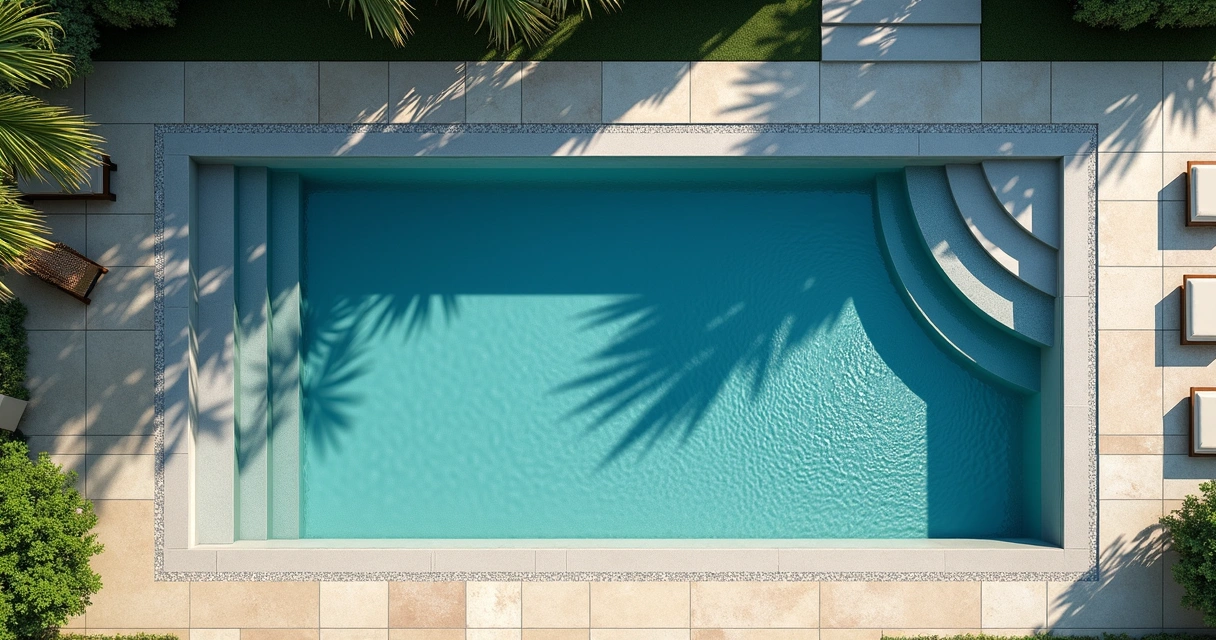
In Florida, paver pool decks are a top choice for their look, comfort underfoot, and durability. But the mix of water, smooth stone or concrete, and nearly year-round humidity can make these outdoor spaces hazard-prone. Slips and falls are among the most common poolside accidents, especially for families, elderly adults, or lively gatherings with kids running around.
We often meet homeowners who love their pool decks for entertaining but worry each time people step out with wet feet. This anxiety isn’t unfounded. Surfaces that look beautiful can quickly become safety risks, especially if mold, algae, or a thin film forms. Even sealed pavers can get slick—so the need for a “grippy” surface is more than just a comfort; it’s a layer of protection.
What are anti-slip additives and how do they work?
Anti-slip additives are mineral-based or polymer materials that are introduced into pool deck sealers or coatings to improve surface texture and provide slip resistance when wet. Popular options include abrasives like aluminum oxide, silica, fine quartz, and specialty plastic grit that can be mixed into a sealer or broadcast onto the surface before application.
By dispersing microscopic grains or particles across the paver surface, these additives create a barely visible, yet tactile roughness. Instead of water forming an unbroken slippery layer, the tiny peaks and valleys of the treated surface disrupt that film, giving feet and shoes better grip—even when wet. The result: a surface that feels secure to walk on and reduces the odds of dangerous slips.
Types of anti-slip additives for paver applications
When it comes to choosing the right anti-slip additive, the options vary based on desired texture, appearance, and performance needs for Florida’s climate. In our experience, these are the main types available:
- Silica Sand: Inexpensive and widely available; offers moderate slip resistance but can create a gritty feel and can wear down quickly in high traffic zones.
- Fine Quartz or Glass Beads: Clear and subtle, often used where aesthetics matter. Good slip resistance and longer-lasting than sand.
- Aluminum Oxide: Extremely durable, often used in commercial settings for maximum skid resistance but may feel a little coarse under bare feet.
- Polypropylene/Plastic Grit: Designed for comfort; gentle underfoot while still increasing slip resistance. These additives blend well into clear sealers.
Each additive can be adjusted to match expectations around feel, longevity, and visual impact. For family pools or resort decks, a balance of safety and comfort is key. For driveways or walkways, a tougher, more abrasive additive might make more sense.
Studies and data: Do anti-slip additives make pool decks safer?
Scientific studies back up what we often observe on site: a slip-resistant finish reduces accidents. According to the Federal Highway Administration’s Technical Advisory on Pavement Friction Management, maintaining adequate surface friction is “essential to safety,” minimizing skidding and related accidents.
While much of the published research looks at asphalt rather than pavers, the principles translate. A study by Auburn University demonstrated that anti-strip (anti-slip) additives improved the durability and moisture resistance of open-graded friction surfaces. Other research from Georgia Tech found certain additives—like hydrated lime—improved the friction and moisture resistance of stone mixtures, which is highly relevant for paver pool decks in rainy, humid climates.
These findings reinforce how adding anti-slip additives is more than a surface fix. Treated surfaces handle moisture better, last longer, and most importantly, keep people safer.
Comparing appearance: Will anti-slip additives ruin the look of your pool deck?
Many homeowners hesitate over anti-slip additives for pool decks because they worry about losing the beauty and “clean lines” of their pavers. We’ve heard it at countless design consultations: “Will it look gritty or weird?” A valid concern.
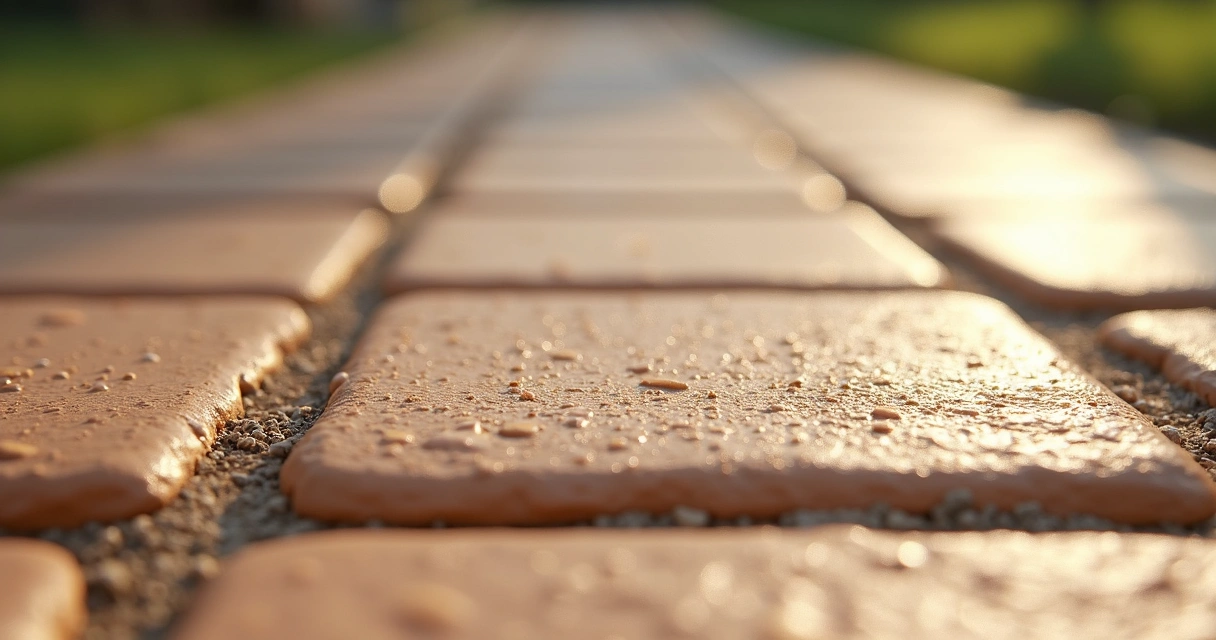
The answer is that modern anti-slip additives can be almost invisible when applied correctly. Glass beads, fine quartz, or clear plastic grits, when embedded in a clear or color-enhancing sealer, do not change the color or pattern of pavers. The deck still has its rich hues and tidy grout lines, just with a slight textural upgrade. Even aluminum oxide, which can feel a bit rough, is available in neutral shades to blend in.
For those who prefer to play it safe with a natural look, we recommend test patches—a standard part of our service process at GCM Best Services. With careful sample application, it’s easy to compare the before and after, feel the surface barefoot, and choose what works for your family or customers.
The process: How we install anti-slip additives on paver pool decks
When clients reach out about making their pool decks safer, we walk them through what the process involves:
- Assessment and Testing: We assess current surface condition, check for existing sealers, and offer moisture or traction testing if needed.
- Cleaning and Repair: Any organic growth, stains, or cracks are thoroughly cleaned and repaired. A pristine surface is key.
- Sample Patch: We can apply small, discreet samples using different additive types or application amounts until the client is happy.
- Application: Additives are either mixed into the sealer or broadcast while the sealer is wet, then “back rolled” or broomed for even texture. Edges and transitions are blended for comfort and appearance.
- Curing and Final Inspection: We let the coating cure, then test the finish barefoot and with shoes before sign-off.
We manage permits, communicate with HOAs when needed, and always provide before/after photos for reference. For more insights on our hardscape processes, you can read our expert guides at Hardscape in Orlando FL and our hardscape solutions page.
The pros and cons: What do you really gain?
The core question on every client’s mind is, what do I really get for this upgrade? Here’s our balanced view:
- Pros
- Higher slip resistance, especially when wet.
- Peace of mind when kids, older adults, or guests use the pool.
- Improved longevity and performance of the sealer.
- Blends into the paver appearance when done right—no strange colors or textures.
- Often aligns with insurance or HOA safety guidelines.
- Cons
- Periodic reapplication needed if sealer wears off in high-traffic spots.
- Grainy feel can be uncomfortable if the wrong additive is chosen.
- DIY attempts sometimes result in uneven finishes or visible patches—professional application is advised.
- Initial upgrade cost, although often offset by reduced future accidents or claims.
For those considering a broader renovation, including drainage and lighting, our team can integrate those features for a cohesive, long-lasting outdoor upgrade. Details on integrated upgrades are available in our driveway and patio paving services.
Cost: Does the investment in anti-slip additives pay off?
The cost question is always present—clients want to know if anti-slip additives are just an “extra” or a worthwhile part of their pool deck installation. From our years of install data and customer feedback, we see real value in the relatively low upfront cost of an additive when compared to potential insurance claims, emergency medical bills, or lawsuits over a preventable slip.
Most anti-slip additive installations only add about 10-20% to the cost of a standard cleaning and sealing service. When you consider the life of a paver deck—often a decade or more—that’s a small price for years of safer use. Studies, like those referenced by the University of Nevada’s Pavement Engineering & Science Program, confirm that anti-strip techniques can extend surface durability, which translates to less frequent maintenance and lower costs over time.
Maintaining anti-slip performance: What’s required?
Our Central Florida weather can be tough on pool decks. Paver surfaces may need to be resealed every 2–4 years depending on sun exposure, traffic, and weather extremes. The anti-slip effect fades as the sealer wears, especially in the highest traffic areas right by the pool steps or diving area.
To keep things safe, we recommend:
- Seasonally cleaning the deck to prevent buildup of oils, sunscreen, or algae.
- Reapplying a quality sealer with anti-slip additive whenever water no longer beads up or the surface begins to lose its “grip.”
- Maintaining proper drainage—an area we specialize in—to prevent standing water and organic growth.
We provide a detailed maintenance guide with every project, and our warranty covers both our installation and the recommended anti-slip performance when our maintenance schedule is followed. For advice on selecting the right contractor or understanding estimate breakdowns, visit our definitive guide to paver installation estimates.
When do we recommend anti-slip additives?
Not every paver pool deck needs an anti-slip additive from day one, but we highly recommend it when:
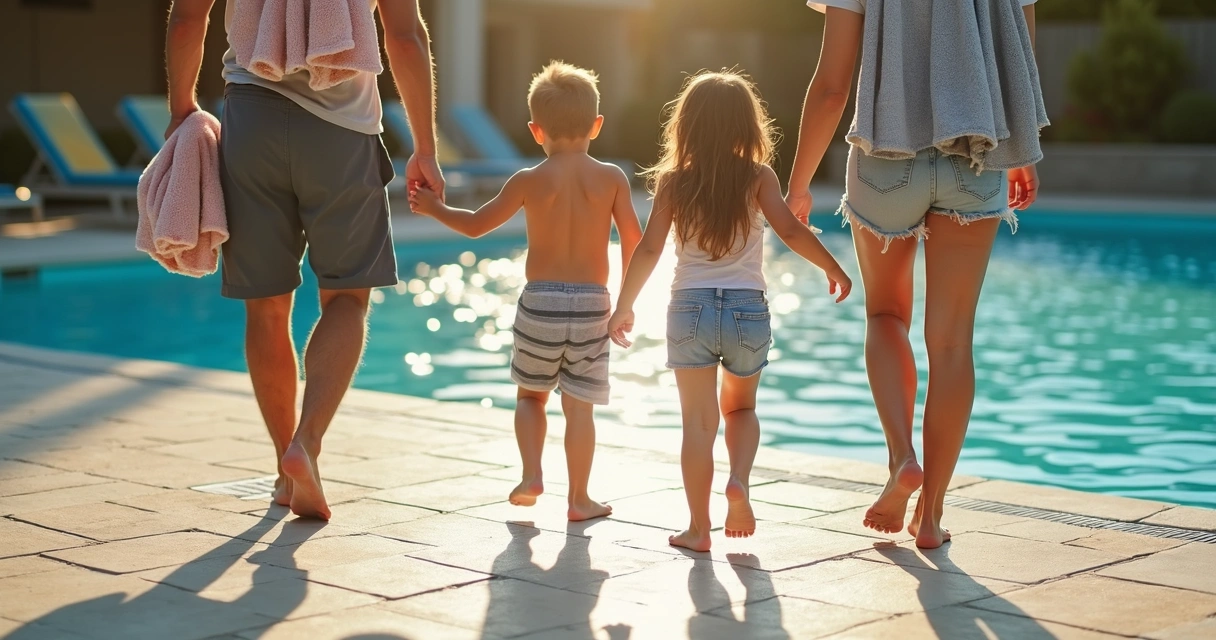
- The deck sees lots of family or guest use, especially young children or older adults.
- There is a history of slipping, or if someone has fallen even once.
- Surfaces are sealed, smooth, or get sunlight only part of the day—shaded areas can stay slick longer.
- Insurance policies or HOAs require documented safety features.
- The pool area is surrounded by trees or landscaping, increasing the chance of algae or mildew.
In our view, a small investment in anti-slip protection is always worth the confidence it brings. Even if you use your deck only in the summer, or mainly for guests, a few extra dollars now can prevent a costly or painful accident later on.
Alternatives to anti-slip additives: Are there other solutions?
Some clients consider leaving pavers unsealed for a “natural” surface texture. While this can result in a little more friction, it also leaves the deck vulnerable to fade, staining, and quicker erosion. Others try mats, rugs, or surface treatments, but these can be a tripping hazard, collect debris, or look out of place.
Based on our years in the field, the most reliable, long-term solution is a high-quality sealer paired with the right anti-slip additive for your specific application. This approach is both subtle and effective, offering safety without sacrificing style.
What about paver color and shape? Does it change the result?
It’s a common worry that rougher finishes will dull the vibrancy or pattern of a carefully chosen paver. We’ve found that, with expert application, paver color and pattern remain clear and strong. Only in rare cases, like glass-smooth white stones, does the texture become more visible—and even then, the tradeoff for a safer deck is usually well worth it.
Because GCM Best Services works directly with both manufacturers and clients, we customize each application. Comfort under bare feet, color enhancement, and a natural look all drive our recommendations and samples. Our team documents every step with before and after photos for transparency and peace of mind.
Want to see more about our range of hardscaping and pool deck solutions? The hardscaping resource section is full of educational articles and visual inspiration.
Case stories: What do clients say about anti-slip upgrades?
We’ve heard relief and gratitude from parents after their first summer with an anti-slip pool deck, or from commercial facility managers who saw liability concerns eased. One local family reported that guests at their twin boys’ birthday barely noticed the change—but parents certainly appreciated the extra surefootedness.
It’s not the kind of upgrade you’ll brag about at a party, but you’ll notice it every time you feel safe walking barefoot across your deck.
Conclusion: Our take on anti-slip additives for paver pool decks
After all the facts, field stories, and research, we believe that anti-slip additives are worth it for paver pool decks in Central Florida—especially where families, guests, or commercial customers gather near water. They reduce slip risk, look natural when applied correctly, and are a small add-on compared to the cost of injuries or worn surfaces.
The decision comes down to your priorities: Are you seeking peace of mind and long-term enjoyment, or is your pool deck rarely used? If you value comfort, safety, and extending the beauty of your investment, we’re here to help.
If you’re considering a pool deck upgrade—or want your existing deck tested and sealed—contact GCM Best Services. We cover the Orlando and Central Florida region, provide clear communication from estimate to warranty, and always put safety first.
Ready for a professional quote? 📞 (407) 250-1948 • 24–48h • Orlando, Tampa & area. Let’s make your deck safer and more enjoyable, season after season.
Frequently asked questions
What is an anti-slip additive?
An anti-slip additive is a mineral or synthetic material (like silica, quartz, glass beads, plastic grit, or aluminum oxide) mixed into or broadcast onto deck sealers or coatings to create a slip-resistant texture on the surface. The result is more grip when wet, helping to minimize slips and falls, especially around pools.
How to apply anti-slip additives?
Application depends on the product type. Usually, we clean the pavers thoroughly first. Then, either mix the additive directly into the sealer, or broadcast it evenly onto freshly applied wet sealer. The surface is then back-rolled or broomed for a uniform texture. After curing, the result is a durable, slip-resistant finish. Professional service ensures even application, but experienced DIYers can manage small areas with care.
Are anti-slip additives worth the cost?
Yes, in most cases, anti-slip additives offer excellent value. For a relatively low upfront cost, typically 10–20% above basic sealing, they can prevent accidents, lower liability risks, and extend the life of your paver pool deck. This small investment pays off in safety, peace of mind, and lasting appearance.
Which anti-slip additive works best?
The best additive depends on your needs. For comfort and subtlety, fine quartz or clear plastic grit are top choices for residential pools. For maximum grip and commercial areas, aluminum oxide or specialty mineral grit provide more aggressive texture. Test patches help you see and feel which is right for your pool deck.
How long do anti-slip additives last?
Anti-slip additives last as long as the sealer remains intact—typically 2–4 years, depending on traffic, sun exposure, and weather. If the sealer wears down, so does the anti-slip effect. Regular maintenance and prompt resealing will keep your pool deck safe year after year.