Outdoor living spaces in Central Florida thrive when comfort and durability meet smart choices. But if you’ve invested in pavers for your patio, pool deck, or walkways, protecting your hardscape is probably high on your list. The right outdoor furniture transforms your space—without causing scratches, stains, dents, or damage.
Strong furniture doesn’t have to mean damaged pavers.
At GCM Best Services, we’re often called to repair or re-level pavers that have suffered under the wrong patio sets. From rust stains to cracked bricks, we’ve seen it all. That’s why we’re sharing our experience-backed list of ten outdoor furniture materials that won’t damage pavers, tailored for Florida’s sun, rain, and humidity.
Below, you’ll find practical insights, design suggestions, and even studies from notable sources like the University of Florida IFAS Gardening Solutions and the Penn State Extension overview of carbon-conscious hardscaping materials.
Why furniture choice matters for paver protection
Pavers are a favorite in Central Florida for their charm and function. But they come with unique needs. Metal feet can scratch or leave marks. Water can seep under heavy bases. Cheap plastics may break and create gouges. Over time, these small issues add up and can ruin your outdoor investment. We always remind clients during our paver installation and repair projects that a hardscape deserves careful furniture pairing.
The right materials don’t just prevent physical harm—they also stand up to Central Florida’s climate without rusting, staining, or fading. That’s the win-win: preserve your patio’s beauty and enjoy your living space.
Our criteria for choosing paver-friendly outdoor furniture
- Non-abrasive bottoms that won’t scratch or chip surfaces
- Resistant to rust, mold, and staining in rain and humidity
- Lightweight or designed for even weight distribution
- No rubber that leaves black marks or sticky residue
- Materials aligned with durability advice from local studies such as University of Florida IFAS Gardening Solutions
Now, let’s look closer at each recommended furniture material, ranked and explained for both performance and real-life comfort.
1. Aluminum: lightweight, durable, and mark-free
Aluminum is one of the most popular, low-risk choices for patios and pool decks on pavers. We highly recommend it because it checks every box for Florida living. Lightweight yet strong, it’s easy to move, doesn’t rust, and is rarely abrasive.
Most sets have smooth, rounded feet or are fitted with plastic glides or bumpers. We often see sets lasting for years without a scratch left behind, and no water pooling issues. Maintenance is a breeze: a quick rinse and you’re ready for your next gathering.
One caution from personal experience—never drag heavy cast aluminum pieces, especially if pavers are a soft natural stone. Always lift to move, or use protective felt pads if needed.
2. Synthetic resin wicker: modern comfort without scratches
Synthetic resin wicker (sometimes called all-weather wicker) is a favorite for those who love coziness and style. The “wicker” is woven from high-density polyethylene or similar polymers, wrapped over sturdy frames.
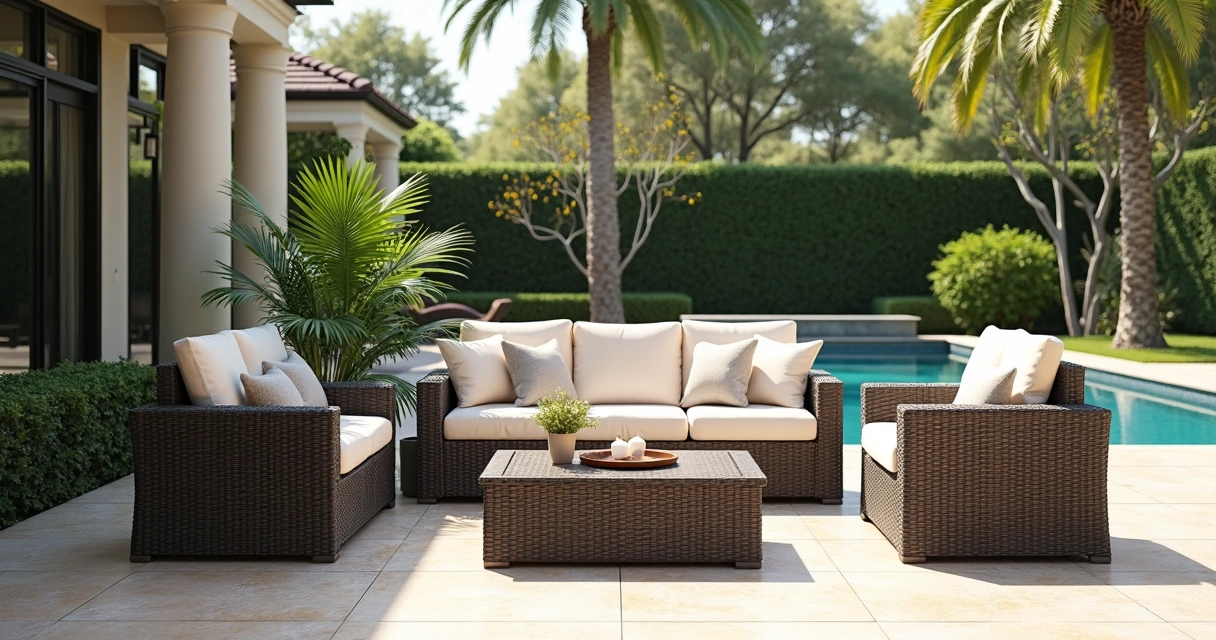
Unlike natural rattan or cheap plastics, resin wicker resists cracking, chipping, and fading—qualities that protect both the furniture and your paver surface. The bases of these chairs and tables are generally smooth, with no metal points to etch into concrete or brick.
- Low risk of rust stains—no exposed iron or steel
- Easy to move—great for changing layouts on event days
- Durable in sun and rain (choose UV-stabilized resin)
We sometimes recommend a furniture-grade outdoor rug beneath wicker groupings for extra peace of mind, especially on soft or decorative pavers.
3. Teak wood: gentle on pavers, stands up to Florida weather
When natural elegance is the goal, teak is first in line. Sourced from hardwoods with a high oil content, teak resists rot, mold, and insect damage exceptionally well. According to recommendations from University of Florida IFAS Gardening Solutions, teak is suited for high-humidity climates, which matches our experience in Central Florida.
Teak furniture rarely damages pavers thanks to its wood legs, rounded edges, and substantial base areas that diffuse weight. We’ve seen decades-old teak sets with no signs of paver depression, scratching, or unsightly stains.
Its only maintenance is periodic cleaning and optional oiling to maintain color. If you don’t oil it, teak will weather to a soft, silvery gray that many clients adore.
- No rust, no oily runoff, and no heat buildup
- Adaptable to any style—modern or classic
- Legs often fitted with plastic glides for extra protection
4. Powder-coated steel: sturdy, with the right finish
Steel gets a bad reputation for rust, but powder coating changes the game. Furniture made from powder-coated steel has a protective finish that repels water, resists fading, and prevents metal-on-stone scratches.
If you want the strength of metal without the risk of orange stains leaching onto your pavers, powder-coated steel is a safe bet—provided you check and maintain the finish. Small chips should be touched up to avoid water infiltration.
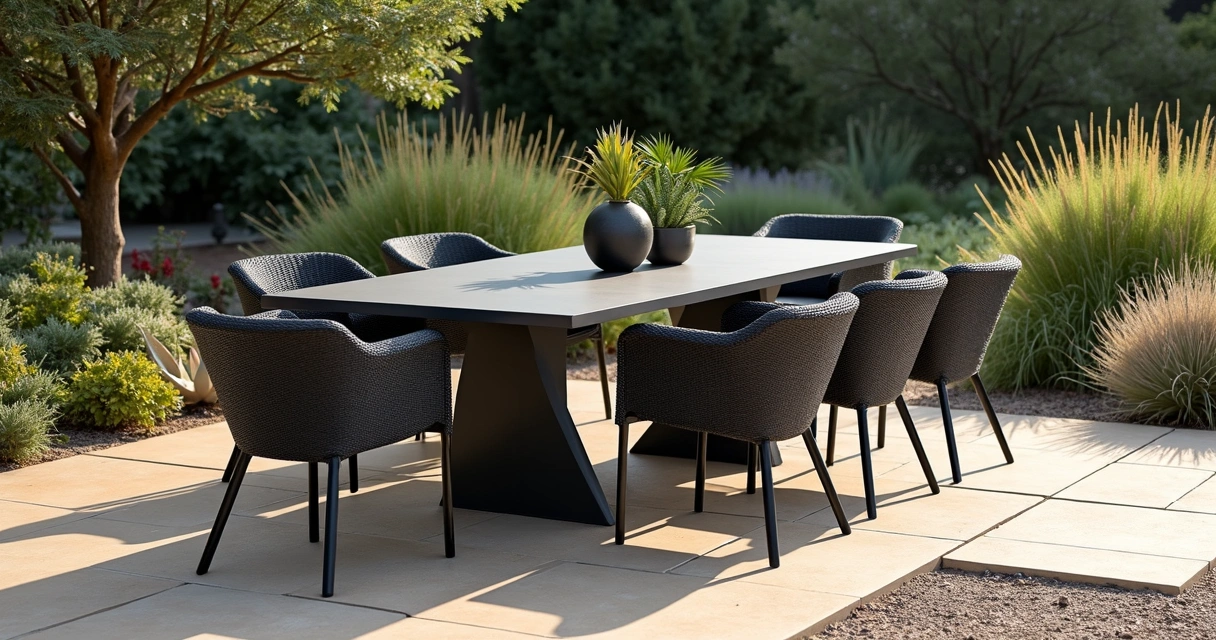
Always check the base: high-quality pieces have capped legs or nylon end pads. We help many clients with this detail during consultations and maintenance.
5. Recycled HDPE (high-density polyethylene): eco-friendly and gentle
Recycled HDPE furniture, often called “poly lumber,” is built from high-density polyethylene plastic—like milk jugs and detergent bottles. It’s a sustainable, weatherproof option gaining ground with eco-conscious homeowners.
HDPE furniture won’t rust, absorb water, or leave marks on brick, concrete, or porcelain pavers. It’s sturdy yet relatively lightweight, making rearranging simple and safe for your patio. The wide bases on “Adirondack” style chairs and tables distribute weight evenly—preventing point-load dents on your pavers.
- Stain-resistant—even red wine and sunscreen usually wipe off
- Zero splinter risk, unlike some soft woods
- Often backed by decades-long warranties
6. Powder-coated aluminum: double defense for paver longevity
We mention aluminum again here for its powder-coated variety. The finish makes a difference. Even in severe sun, salt air, or heavy rains, powder-coated aluminum holds up with almost no maintenance.
The added layer ensures that no chalking or oxidation marks rub off onto light-colored pavers. Plus, all legs on reputable brands have capped ends or smooth, rounded feet.
- No rust or corrosion
- Virtually scratch-proof on most hardscape materials
- Wide choice of styles (modern, mid-century, minimal)
7. Fiberglass: heavy-duty support, gentle on the ground
You may not think of fiberglass first, but it’s popular for tables and chairs in both residential and commercial settings. Fiberglass is molded into smooth forms and finished to resist UV, mildew, and water.
What we love: fiberglass sits flat and stable, with no sharp points or metal feet to etch or puncture your pavers. It’s heavier than plastic, which prevents tipping on breezy days, yet lighter than natural stone.
For contemporary patios, especially where wind is a concern, fiberglass is a responsible and attractive option.
8. Textilene and sling fabric seating: comfort without residue
Textilene or polyester-mesh sling chairs combine breathable fabric seats with metal or plastic frames. The key benefit for pavers: the fabric is suspended, minimizing pressure on the surface.
Because the supporting frames are usually aluminum or coated steel, they’re non-abrasive and safe when finished properly. Plus, textilene and similar sling fabric resists UV, dries fast after rain, and is quick to clean.
- No rubber, sticky, or oily feet
- Ideal for pool decks (quick dry, no mold)
- Lightweight for regular shuffling
We often suggest these for homes with frequent gatherings or hospitality venues aiming for easy upkeep.
9. Concrete, hypertufa, and urbanite: fixed installations with purpose
For those wanting a landscape that flows seamlessly, fixed furniture made from concrete, hypertufa, or reclaimed urbanite is very gentle—because it doesn’t move at all. The Penn State Extension overview of carbon-conscious hardscaping materials notes their environmental benefits and versatility.
Bench bases, tables, or planters made with these materials won’t scratch or chip pavers because they’re placed with care during patio construction, not dragged around. We at GCM Best Services love incorporating these for long-term patios or garden features that fuse style with substance.
- Can match or contrast your existing pavers for cohesive design
- Withstands storms and UV for decades
- Never at risk for creating rust or rubber stains
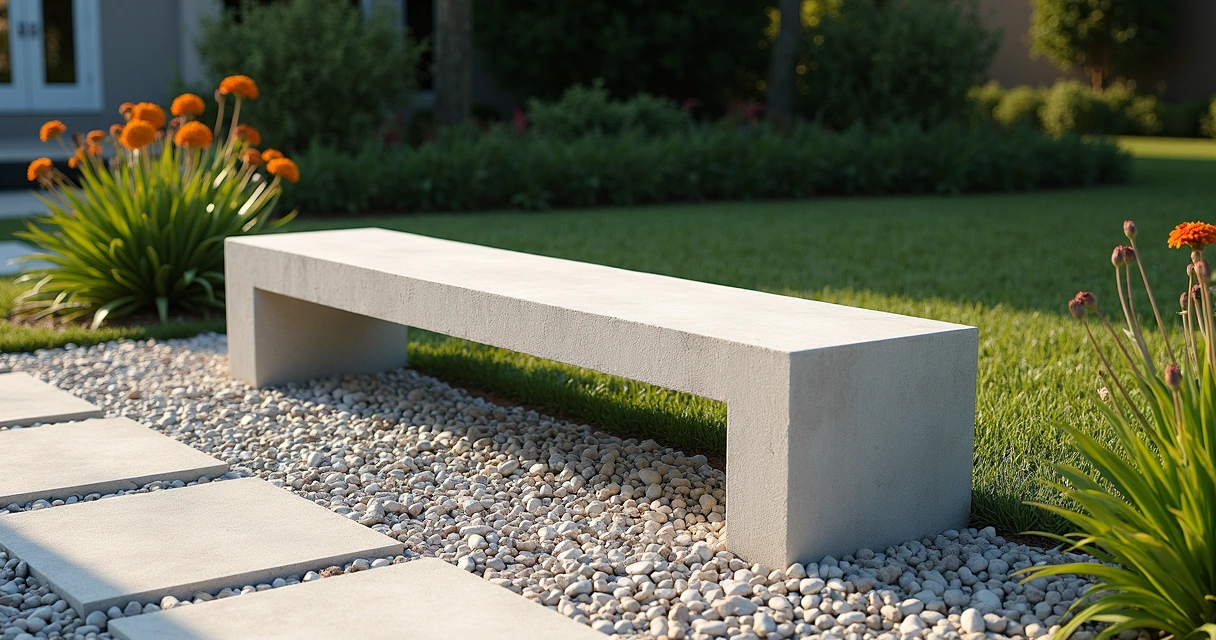
If you’re planning new construction or renovation, we can design these elements alongside your patio for a truly one-of-a-kind backyard.
10. Sustainable bamboo (treated for exterior use)
Bamboo isn’t just for tiki bars. Treated, outdoor-grade bamboo is strong, lightweight, and very gentle on paver surfaces. Sustainability matters, too: responsibly sourced bamboo grows fast and is considered a renewable choice for eco-friendly households.
With smooth, tubular legs and crossbars, bamboo outdoor chairs and tables won’t mark or gouge your pavers—provided legs are fitted with protective glides or pucks. Just ensure you’re buying furniture rated for outdoor use in Florida; “indoor” bamboo can degrade quickly.
Bamboo delivers a breezy, tropical look perfect for Central Florida patios and pool decks. For extra protection, place felt or plastic pads below the legs, especially on textured or decorative pavers.
Design tips for combining paver protection and style
Choosing paver-friendly furniture is only part of the puzzle. Sometimes, a few simple accessories expand your options and extend your patio’s life.
- Outdoor area rugs: Wide coverage provides a buffer, preventing scratches from everyday furniture movement.
- Leg pads and glides: Stick-on or slip-on felt, silicone, or nylon protect both the paver tops and grout joints.
- Modular layouts: Move lightweight pieces regularly to avoid pressure points and prevent moss or mildew beneath bases.
We often remind our clients to check feet and bases annually. Materials age and pads wear out—a five-minute inspection saves a costly repair down the road.
Common mistakes to avoid with outdoor furniture on pavers
In our experience, the most frequent damage comes from:
- Dragging heavy iron or unfinished metal—scratches, rust stains
- Using indoor furniture—paint peels, water soaks in, molds stain pavers
- Skipping on leg protection—bare metal or rough plastic etches hardscape
- Letting water pool beneath planters or storage boxes—causes erosion, weeds, or algae as explored in our guide on weed prevention
And one last important point: acidic cleaners or rust removers for furniture stains can harm paver finishes. Always choose mild, paver-safe solutions.
Bonus: Creating a harmonious Florida outdoor living space
A patio or pool area is more than just furniture—it’s an extension of your home. We believe the ideal space invites you outside, protects your investment, and stands up to the Central Florida elements. That’s why our team at GCM Best Services recommends regular maintenance, responsible material choices, and smart design.
If you want your patio to last, consider scheduling a professional inspection to check drainage, grouting, and paver integrity. Over time, even minor shifts can cause rocking or instability, making furniture placement riskier.
For inspiration and more in-depth advice on paving and hardscape materials, our hardscaping resources are updated regularly—including guides, design tips, and seasonal maintenance reminders.
Maintaining your outdoor oasis
Outdoor spaces in Central Florida endure heat, humidity, and rainfall. This puts extra pressure on both your pavers and patio furniture. Regular cleaning, mindful arrangement, and strategic use of rugs or pads help maximize your investment.
- Sweep and rinse weekly to remove grit that causes scratches
- Inspect and replace leg glides annually, especially before storm season
- Cover or store delicate pieces during severe weather
If damage does occur, such as cracks or sunken pavers, reference our actionable advice on preventing and treating cracks in Florida patios and driveways. Quick repairs keep your surface looking fresh—and your furniture stable.
Conclusion: Outdoor living, made to last
The right patio furniture material protects your paver investment, brings comfort to your family, and stands up to Florida’s unique climate. Whether your look is modern, rustic, or classic, there’s a paver-friendly material on our list to match your style and lifestyle.
We hope our recommendations empower you to select outdoor furniture with confidence—so you can enjoy beauty and durability for years to come.
Ready to create or upgrade your outdoor space for lasting enjoyment and protection? Our team at GCM Best Services is here for you. Schedule your free estimate and discover our full suite of solutions, from patio paving to hardscape restoration in Central Florida.
Ready for a professional quote? 📞 (407) 250-1948 • 24–48h • Orlando, Tampa & area.
Frequently asked questions about outdoor furniture and pavers
What outdoor furniture is safe for pavers?
Furniture made from aluminum, teak, powder-coated steel, synthetic resin wicker, recycled HDPE, fiberglass, and treated bamboo is safe for pavers. These materials resist scratching, marking, and do not rust or stain. To ensure full safety, check that feet are smooth and use protective pads if needed. Furniture that evenly distributes weight and has non-abrasive feet is the best choice for protecting paver surfaces.
How to prevent furniture from scratching pavers?
Use soft glides, felt pads, or nylon end caps on chair and table legs. Place outdoor rugs under dining sets and high-traffic areas for an added buffer. Always lift, not drag, heavy pieces when rearranging. Conduct regular checks to replace worn pads and keep surfaces clean of grit that can scratch.
Which material lasts longest on paver patios?
Teak, powder-coated aluminum, and recycled HDPE furniture typically last the longest, even under Central Florida’s challenging sun, humidity, and rain. These materials are designed for durability, weather resistance, and require minimal upkeep. With basic maintenance, they retain their appearance for many years without damaging the pavers beneath.
Is metal furniture good for pavers?
Yes, provided the metal is rust-resistant and finished properly. Powder-coated aluminum and steel are safe for pavers because they resist corrosion and have smooth finishes that don’t etch or leave stains. Iron or unfinished steel can rust and should be avoided or protected with end caps or pads.
Where to buy paver-friendly outdoor furniture?
We suggest seeking reputable, local and online retailers who specialize in outdoor-grade materials fit for Central Florida. Look for furniture labeled for outdoor or patio use, ask about the base design, and verify warranties. Always select pieces manufactured from proven, paver-friendly materials and read maintenance guides for best care. If in doubt, professional hardscape experts like GCM Best Services can offer design and sourcing advice tailored to your project.