Water costs in Central Florida seem to be on the rise every year. With regulations and frequent drought restrictions, many homeowners and businesses have started looking for real solutions to curb expensive irrigation habits. At GCM Best Services, we’ve seen firsthand how artificial turf can take the stress out of landscape maintenance—and the bite out of those monthly bills. Today, we’re sharing seven practical ways artificial turf reduces water expenses, especially for Florida property owners.
We’ll link evidence from trusted sources and offer practical guidance throughout. And, as artificial turf specialists serving the Orlando area, we’ll pull from our own experience to show how these benefits play out locally.
Why water bills are out of control in Florida landscapes
Before we dig into the ‘how’, we need to understand just how much water Florida yards consume. Studies published by UF/IFAS are clear: more than half of a household’s water—sometimes over 60%—goes to keeping grass green. That means turf alternatives have big potential.
Many cities in Central Florida implement watering restrictions in spring and late summer due to excessive demand on limited supplies. During heat waves, even more water ends up on soggy lawns that, ironically, turn brown anyway from stress or fungus. This cycle is expensive, frustrating, and not very effective.
Swap irrigation stress for a solution that saves water—rain or shine.
This context sets the stage for how artificial turf can help, as proven by our customers and spelled out by research.
The top 7 ways artificial turf helps lower water bills in Florida
Let’s break it down step by step.
1. Eliminates regular lawn irrigation needs
Nothing impacts water bills more than shutting down that sprinkler system. Artificial turf stays green without any irrigation—ever. That means the largest recurring water expense in most Florida landscapes disappears on day one. It’s that simple.
On a typical 5,000 sq. ft. lot with St. Augustine or Zoysia grass, weekly watering can consume thousands of gallons per month, especially from April through September. Even a small yard can use hundreds of gallons each cycle.
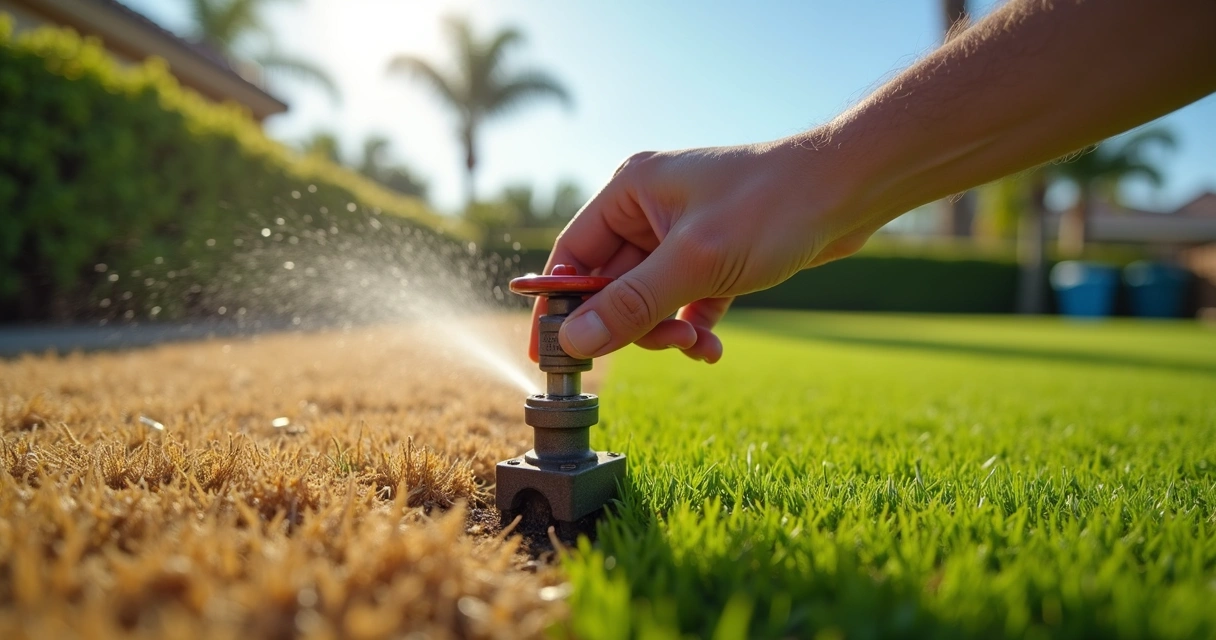 Artificial turf requires no routine irrigation at all, making it the single most impactful change for reducing outdoor water costs. This is why we see the biggest immediate savings for our customers after installation.
2. Reduces need for rainy season flood control
During Florida’s rainy season, constant watering can combine with downpours to overwhelm lawns, causing runoff and flooding—forcing more reliance on drainage systems. With artificial turf from GCM Best Services, water simply passes through engineered perforations and a fast-draining aggregate base—runoff is minimized, and there’s little need for special irrigation adjustments during storms.
We’ve found that well-installed synthetic turf prevents the “ponding” and soil saturation problems that contribute to high-water bills for flood control (like sump pumps and extra drainage hardware), offering additional savings many property owners overlook.
3. No more extra “recovery watering” after stress or disease
If you’ve experienced summer lawn disease or burned patches, you know the drill: excess watering in hopes of “bringing it back.” In Central Florida, it’s easy to go overboard, especially after sod damage from bugs, fungus, or dog urine. Unfortunately, this usually leads to little improvement and a big water bill.
Artificial turf never browns, wilts, or develops fungus, so the temptation (or need) for recovery irrigation is simply gone.
Turf that never needs to “bounce back”—it’s always green, every day.
Our customers report real peace of mind, especially in areas exposed to heavy pets or shade, where natural grass just won’t survive without intervention.
4. Stops waste from broken sprinkler systems and leaks
Leaking or misaligned sprinklers are silent water-wasters. A single broken head can pour out hundreds of gallons in a day. Few homeowners notice underground pipe cracks until a massive bill arrives. By removing in-ground irrigation from large areas, installing artificial turf eliminates both the risk and the expense of these problems.
Artificial turf eliminates hidden water loss from irrigation system failures. Our maintenance team has seen properties where a small leak added dozens of dollars a month—for years. The switch to artificial turf solved it overnight.
5. Makes seasonal watering restrictions a non-issue
Central Florida utilities and homeowners’ associations (HOAs) frequently limit watering during drought or when lakes and wells drop. For homeowners with real grass, complying usually means a browning lawn. For those with synthetic turf, there’s no worry about code violations or costly surcharges for off-schedule watering.
UF/IFAS experts emphasize reducing watering during shorter days and cooler months—turf grows much more slowly then and needs less irrigation anyway. This advice can help, but with artificial turf, these seasonal changes become irrelevant to appearance and water costs.
For commercial spaces, this prevents headaches with code enforcement and unhappy customers during drought.
6. Only occasional rinsing or washdowns needed
Some irrigation might be needed to rinse artificial turf in areas with high dust, pollen, or pet use. Studies from UF/IFAS have shown that on hot days, surface temperatures can skyrocket—sometimes requiring a hose-down for safety or cleanliness. Still, the water needed for these tasks is minimal compared to traditional lawn care. Even a weekly rinse on high-traffic turf areas uses only a fraction of what an automatic irrigation system applies in a single day.
- Pet owners value easy cleanup—the right infill and base allow quick, sanitary rinses.
- Families enjoy yards that never develop muddy patches after storms, reducing the need for sprinklers before guests arrive.
- Allergy sufferers appreciate a surface that stays almost dust-free with light, controlled cleaning.
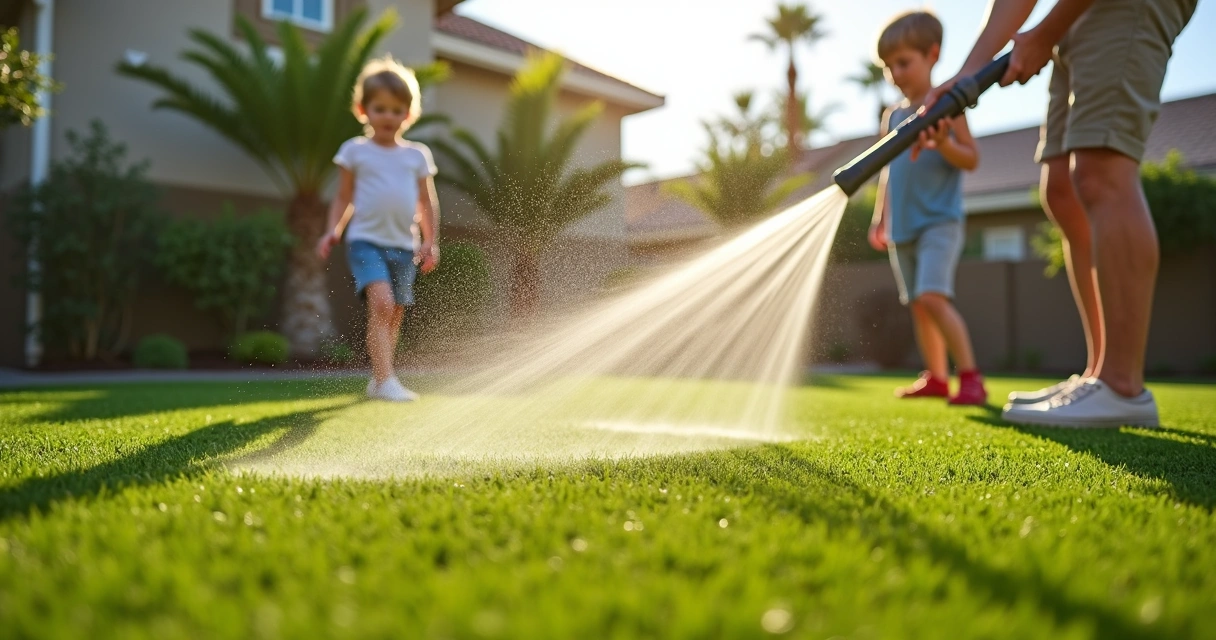
In fact, high-drainage artificial turf designed for Florida’s wet climate typically needs much less cleaning water than a living yard needs to avoid weeds and fungus. The difference is visible right on the monthly statement.
7. Promotes efficient landscape design and plant placement
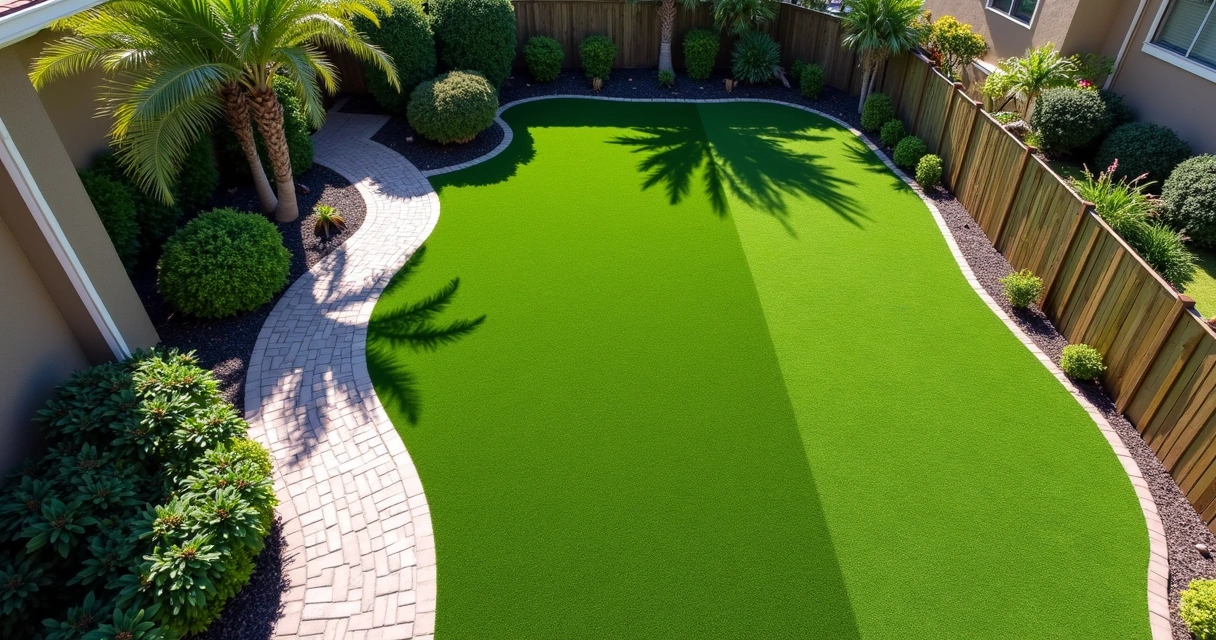
Artificial turf is often paired with hardscape features and carefully chosen native plants, creating “smart” yards that naturally require less water. Rather than irrigating an entire space, property owners can group real plants around foundational beds, paths, or shade trees—and cover the rest with turf.
- Less surface area covered by thirsty grass means smaller watering zones and valves.
- Low-volume drip systems suffice for new landscape areas, cutting usage even further.
- Some homeowners combine artificial turf with pavers, creating walkways or patios that never need watering.
For detailed design inspiration, our hardscape solutions guide is a great starting point.
As turf and paver experts, our team at GCM Best Services has crafted hundreds of water-smart yards across Orlando, Kissimmee, and Central Florida. The permanent reduction in water demand is clear with every combination we install.
What the research says about Florida water use and artificial turf
To put numbers to these savings, we turn to solid research. Water use infographics from the University of Florida’s IFAS program show that landscape irrigation is the single biggest chunk of residential water consumption statewide. For most, the landscape can use as much as all other household taps combined. Replacing even half of a lawn with artificial turf would cut water needs so much that some homes would qualify for conservation rebates in certain municipalities.
Still, there are trade-offs. UF research on yard temperatures and artificial turf highlights that while synthetic lawns save water, they can get uncomfortably hot—sometimes hotter than natural grass. In our experience, proper turf selection and installation, light-colored infills, and shaded designs offset this issue. There’s still no question: the dramatic drop in water bills is real.
Practical artificial turf options for Florida homes and businesses
At GCM Best Services, we source professional-grade turf engineered for Florida’s demanding weather, with features like UV-stable fibers, high drainage, and antimicrobial infills to keep surfaces cool and clean. Every yard we build is designed with drainage and layout in mind, preventing runoff and puddling that would otherwise raise water costs over time.
Whether it’s a full yard, a pet area, or a small play zone, our turf is specified for fast draining over stabilized limestone or gravel, keeping properties dry and clean all year.
Looking for examples near you? Check out our recent installations in Orlando or Kissimmee for inspiration on saving water in your zip code.
Tips for maximizing your water bill savings
Ready to get the most out of your investment in artificial turf? Here’s what we recommend:
- Remove or cap all unused sprinkler heads after turf installation. Don’t leave any irrigation system active beneath turf or pavers, even as “insurance”.
- Incorporate smart drainage layouts—our turf is installed on permeable bases, which let you control where water flows and avoid soggy low spots.
- Use turf as a functional feature, not just a replacement for grass. For a full landscape overhaul, pair with drought-tolerant plants and paths.
- Minimize rinsing by choosing antimicrobial infills and scheduling regular sweeping for leaves and dust.
The best water bill savings always come from an integrated approach—right plant, right turf, right drainage, and the right team to install it all.
The reality of artificial turf in humid Florida: Heat, cleaning, and water savings
We talk often about the upsides, but it’s only fair to mention two water-related issues: surface heat and occasional cleaning. Research from UF/IFAS Extension notes that during peak sunlight, artificial turf can reach higher temperatures than real grass—sometimes unsafe for kids or pets. Watering can cool these surfaces, but it’s far less than routine irrigation for growing lawns.
In practice, we encourage design strategies like:
- Installing in shaded or partially shaded areas when possible.
- Selecting lighter color infills and turf backing to reduce heat absorption.
- Limiting the use of turf around metal playground equipment or south-facing walls.
This approach means that any water used for cooling or cleaning is limited and controlled—not wasted as in a typical sprinkler schedule. For most families, a quick rinse once a week is plenty.
Conclusion: Artificial turf is a proven solution for lower water bills
When we add up all the ways artificial turf helps lower water bills, the numbers speak for themselves. From permanently pausing the sprinkler system, to ending the cycle of “recovery” irrigation and avoiding leaks, to making lawn-related drought restrictions irrelevant, artificial turf is a strong choice for anyone looking to cut costs and stay green—literally and financially. With the unique climate challenges and water demands of Central Florida, these savings can have a lasting positive impact on your home, business, or community.
If you’re considering making a change, our team at GCM Best Services can provide an honest assessment, competitive quote, and samples tailored for Florida’s soils and sun. Take the next step to a lower utility bill and a greener landscape—in every sense of the word.
Ready for a professional quote? 📞 (407) 250-1948 • 24–48h • Orlando, Tampa & area.
Discover more tips and case studies about saving water and smart landscaping on our blog.
Frequently asked questions
What is artificial turf?
Artificial turf is a surface made of synthetic fibers designed to look and feel like natural grass. Originally developed for sports fields, it is now widely used in residential and commercial landscapes. Modern artificial turf typically includes UV-resistant blades and a permeable backing for drainage. We use products designed for Florida, which replicate the look and softness of living grass while requiring minimal upkeep.
How does artificial turf save water?
Artificial turf saves water because it doesn’t need irrigation to maintain its color or texture. Unlike real grass, which demands regular watering (especially during dry spells), synthetic turf stays green year-round with only occasional rinsing to remove dust, pollen, or pet waste. According to studies from UF/IFAS, switching to water-efficient landscaping options like artificial turf can cut landscape water use by 50% or more in many Florida homes.
Is artificial turf good for Florida lawns?
Artificial turf is a popular solution for Florida lawns with shaded, sandy, or sloped areas where real grass doesn’t thrive. Properly installed, it provides a lush, low-maintenance lawn free from brown spots, weeds, or muddy patches. However, on very hot days, surface temperatures may rise above those of natural grass, so shade and cooling strategies are important. For most Florida properties, especially those struggling with water costs or HOA restrictions, artificial turf offers a practical, attractive alternative.
How much does artificial turf cost?
The cost of artificial turf varies based on size, type of turf, site conditions, and installation needs such as base preparation and drainage. In our experience, the investment for residential projects ranges from $8 to $16 per square foot including materials and professional installation in Central Florida. The savings in water bills, fertilizer, and maintenance often offset the upfront cost over time. Contact us for a detailed quote tailored to your yard.
Is artificial turf worth it to install?
Many homeowners and businesses find that artificial turf pays for itself by reducing water bills, landscape repairs, and ongoing maintenance. If you’re battling poor soil, lots of shade, or high irrigation costs, artificial turf is an effective, attractive long-term solution. The best value comes with expert installation that considers drainage, use patterns, and Florida’s unique climate.