Primary keyword: fire pit paver patios
Variants: fire pit safety paver patio, install fire pit on pavers, paver patio fire pit integration
Audience: Homeowners in Central Florida seeking to create inviting outdoor spaces while prioritizing safety and longevity.
Pain/Benefit: Concern about property safety and local code compliance meets the dream of memorable nights outdoors, free from worry.
Adding a fire pit to a paver patio turns any backyard into a space for relaxation, laughter, and cozy evenings. With Central Florida’s mild climate, an integrated fire feature is a year-round gathering point – but it comes with considerations. In this guide, we share how our team at GCM Best Services manages the process, focusing on professional planning, safety, and design for lasting enjoyment and peace of mind.
Outline
- Why integrate a fire pit with your paver patio?
- Planning and design: Comfort, style, and function
- Safety first: Codes, clearances, and local regulations
- Selecting the right fire pit type
- Choosing and preparing the patio base
- Construction sequence and best practices
- Drainage and heat management
- Accessories, seating, and ambiance
- Finishing touches and ongoing care
- Conclusion and next steps
- Frequently asked questions
Ready for a professional quote? 📞 (407) 250-1948 • 24–48h • Orlando, Tampa & area.
Why integrate a fire pit with your paver patio?
With the growing trend of outdoor living in Central Florida, homeowners seek inviting, multi-season spaces for connection and comfort. Adding a fire pit to a paver patio blends practicality and pleasure by creating a dedicated gathering place that fits your landscape and personal style.
We have seen how a fire pit acts as a focal point, fostering conversation and stretching outdoor time beyond summer evenings. Paver patios durable enough to handle fire features can handle decades of use with proper installation and care. When our clients come to us, they usually mention three things: they want ambiance, style, and peace of mind. We always add a fourth – safety, right from the start.
Planning and design: Comfort, style, and function
Before anyone breaks ground, we prioritize careful planning. Integrating a fire pit with a new or existing paver patio isn’t just about where you set the pit. It includes lifestyle needs, layout, and long-term enjoyment.
- Purpose: Will the fire pit host family marshmallow roasts, elegant evenings, or a mix of both?
- Size: Seating capacity and circulation around the fire must feel effortless. Our rule of thumb is at least six feet of clear space from the edge of the fire pit to any seating or obstacles.
- Shape and style: Should the pit be round, square, or custom, and how should it relate to patio lines and existing views?
- Materials: Paver color and texture should harmonize with the fire feature for a cohesive look throughout your outdoor living space.
We often suggest sketching the layout or marking it on the pavers with tape or chalk. This simple step helps everyone visualize traffic flow and seating placement before construction begins.
Safety first: Codes, clearances, and local regulations
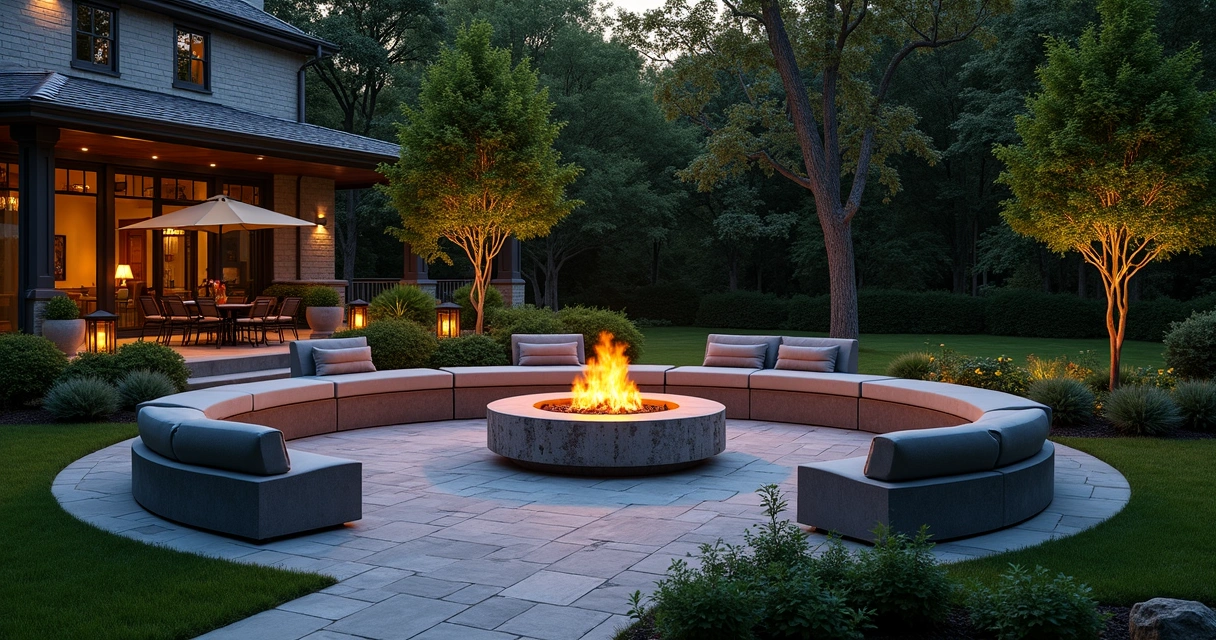
We see peace of mind as non-negotiable. Florida’s permitting and fire codes set standards for fire pit installation, especially as open flames pose obvious risks. GCM Best Services always manages permits and coordinates with HOA when required, but these fundamental concepts apply to nearly every job:
- Distance from structures: Fire pits should sit at least 10 feet from any buildings, fences, walls, or overhanging branches. Some areas may require more. We measure these distances early in planning.
- Clear airspace: Nothing flammable (like screens, awnings, or trees) directly above or adjacent to the pit. This includes house eaves and patio covers.
- Wind direction and local weather: Wind channels and gusty days increase fire risk and smoke discomfort, so pit placement needs to account for prevailing winds and surrounding buildings.
- Barriers and emergency access: Safe pathways and easy reaches for fire extinguishers or water sources are necessary, as is considering emergency service access.
We always say: Safety doesn’t happen by accident. It is part of the plan.
Selecting the right fire pit type
Not all fire pits are created equal. Their fuel, design, and intended use make a difference in both style and safety. Here are options most compatible with paver patios in Central Florida, each with distinct pros and cons:
- Gas (propane or natural gas): Clean, controllable, and often easiest to integrate with hardscape pavers. Gas lines require professional installation and inspection. Our summer kitchen and fire feature projects often incorporate gas lines with underground sleeves and shutoffs.
- Wood-burning: Classic ambiance and heat but requires more clearance, local fire code checks, and an ember screen. Some communities do not allow wood burning, so always check first.
- Custom-built masonry: Built from block, brick, or stone, designed in any shape, often permanent and cohesive with patio material. These can be fueled by gas or wood depending on design and local rules.
- Prefabricated inserts and kits: Fast to install and built to meet standards, often dropped into a paver ring or custom surround. Choose models with approved spark guards and non-combustible materials.
We help our clients match the fire pit choice to their long-term plans, aesthetic preferences, and maintenance tolerance. What works for a party may not work for a quiet evening – so we weigh every option before any commitment.
Choosing and preparing the patio base
The stability and lifespan of your fire pit are only as good as its foundation. For our Central Florida clients, soil movement, moisture, and poor compaction cause patio or fire pit issues down the line. At GCM Best Services, we build paver patios with a 6-8 inch compacted sub-base, matching the process we detail at our hardscape services page. Here’s what works best:
- Remove grass and topsoil, then dig deep enough for base rock. We recommend at least 6 inches of compacted limestone or similar base aggregate.
- Add bedding sand to create a smooth, level surface for pavers.
- Use edge restraints, especially where the patio curves or meets the fire pit ring, to prevent shifting over time.
- For fire pits, an extra-deep base helps spread weight and resist settlement.
- If using an in-ground gas line, coordinate trenching and sleeve placement before laying pavers. We make sure all utilities are marked and protected.
Before laying any pavers, we always perform drainage checks. This foundation keeps pavers flat and helps avoid water pooling, as explained further at our driveway and patio paving page.
Construction sequence and best practices
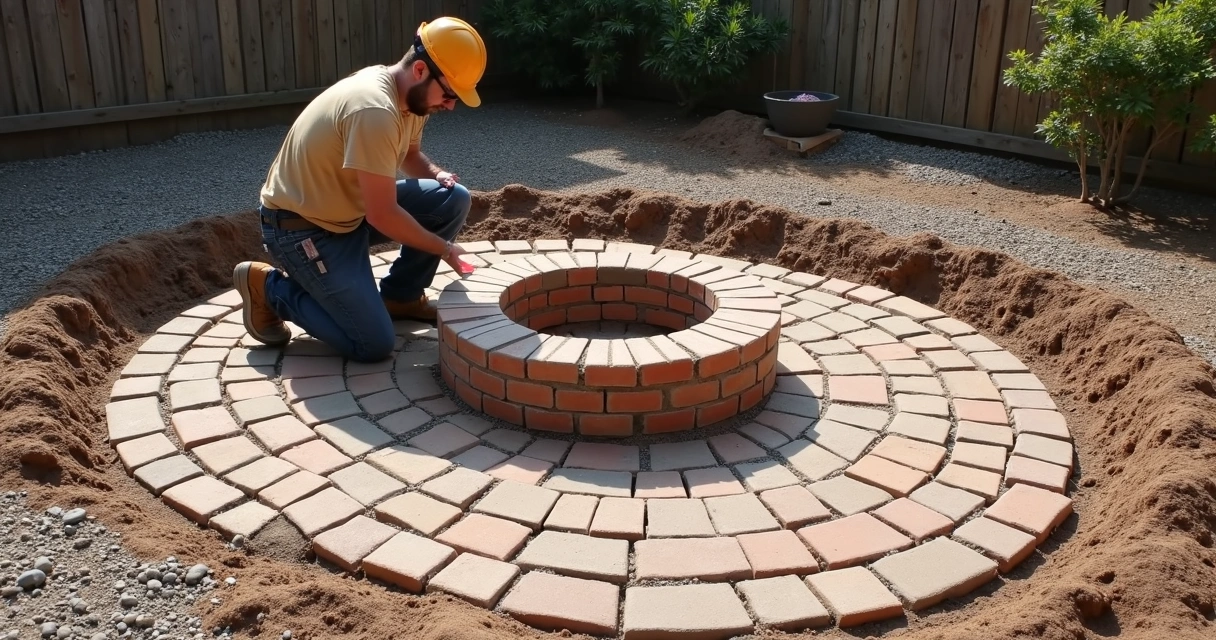
We find that a good installation follows a clear sequence. Here’s how we do it – and recommend you do, too:
- Lay out the full patio perimeter, measuring and marking fire pit center as your focal anchor.
- Install and compact the base rock and bedding sand over the full area. Double-check for level, especially where the fire pit will sit.
- Build paver field up to the pit edge, installing edge restraints as needed. Sometimes, a soldier course or decorative band around the fire area visually frames the pit.
- If building a permanent pit, stack and bond fire-rated block or brick, following the shape and specs planned for the feature.
- Add a steel or firebrick liner in wood-burning or high-heat pits for extra protection.
- Install gas lines, burners, or inserts into prepared sleeves or openings.
- Complete seating, lighting, and finishing with attention to safety and style.
Throughout, jobsite safety and cleanliness come first. Our teams use dust management, OSHA practices, and thorough documentation (including photo updates for clients) at each milestone. This method not only protects the work but builds trust and peace of mind for everyone involved. See more about our approach at our hardscaping learning center.
Drainage and heat management
Central Florida’s rainy season presents challenges that many overlook when planning fire pit projects. Proper water management beneath and around your fire pit and patio will prevent shifting, erosion, and hazardous conditions.
- Patio slope: We like to see paver patios graded away from both the pit and the house, ensuring rainwater quickly drains to plants, yard basins, or underground systems.
- Fire pit base: In permanent fire pits, we use gravel inside the pit to drain ashes and rain. When fire rings are low or in-ground, we create a channel or drain pipe out through the base so water cannot pool inside after a storm.
- Deck permeability: Open joints, polymeric sand, and properly spaced pavers help water escape instead of ponding around the fire pit.
- Heat transfer: For gas and wood pits, using heat-resistant base blocks and liners prevents heat from cracking pavers or damaging the bedding sand.
Ignoring drainage is the quickest way to ruin your investment. That’s something we have learned from many repair projects over the years and is why our drainage recommendations carry so much weight.
Accessories, seating, and ambiance
With safety and structure in place, we turn our attention to comfort and enjoyment. How the space feels often comes down to the finishing touches:
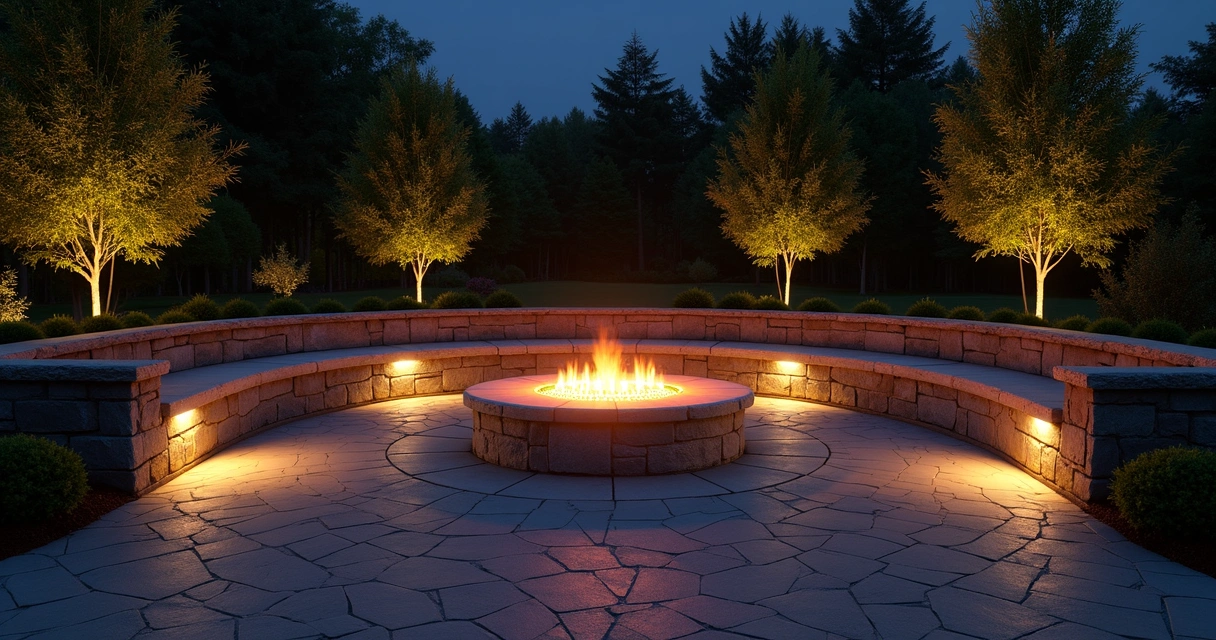
- Seating walls: Built-in walls offer durability, extra room, and wind blocks, plus frame the fire area. We design them to match patio pavers for a unified appearance.
- Portable seats: Weather-proof furniture keeps things flexible. Arrange in a circle and maintain space for easy movement around the pit.
- Lighting: Low-voltage lights in the paver joints or wall caps bring out textures and improve safety walking at night. Our Orlando hardscape portfolio shows great examples.
- Planters and accessories: Plants, decorative rocks, or even a water feature can cool the space and create a sense of privacy.
- Spark screens and covers: No wood-burning pit should go without, and even gas features benefit from weather covers to prolong finish life.
We find our clients have the best experiences when these extras aren’t left as afterthoughts, but are considered part of the big picture from the start.
Finishing touches and ongoing care
Once the fire pit is built, ongoing maintenance ensures years of safe use. In our experience, a few simple steps make all the difference:
- Clear ashes and debris from pits after each use, especially before rain can turn residue into a wet, sticky mess.
- Seal pavers and masonry as recommended to resist stains from soot, rainwater, or grease (especially if hosting grill events nearby).
- Check all gas connections annually and test ignition before every season. Turn off gas at the main when the pit is not in use for long periods.
- Inspect stone and paver joints for any cracks, shifting, or signs of weed growth; reseal or repair right away to prevent water infiltration.
- Keep a fire extinguisher, bucket of sand, or garden hose nearby during any use, even in controlled gas pits.
We supply written maintenance guides at the end of each project, taking guesswork out of care and letting our clients focus on enjoying their new outdoor living space.
Conclusion and next steps
Fire pits on paver patios present one of the most rewarding outdoor upgrades for Central Florida homes. The right planning, professional installation, and thoughtful maintenance provide not just warmth and style but also peace of mind for years to come. At GCM Best Services, we pride ourselves on clear communication, top-quality materials, and always putting safety first. From the first sketch to the final walkthrough, our aim is lasting satisfaction and comfort.
If you would like to transform your backyard with a fire pit integrated into a beautiful paver patio, our team can help you assess, design, and build – all with safety and craftsmanship at the forefront. Request a no-obligation site visit and see how outdoor living can change your home experience for the better.
Ready to make your dream patio fire pit a reality? Reach out for straightforward advice or a fast quote. We’re here to help you enjoy every night outdoors.
To learn more about how we design and install patios, check out our Orlando paver patio guide.
Frequently asked questions
What is a fire pit paver patio?
A fire pit paver patio is an outdoor area where a fire pit feature is built into a hardscape patio made from interlocking bricks or concrete pavers. The combination provides a stable, safe surface for gathering, minimizes fire risk, and adds decorative value to outdoor living spaces. Our clients in Central Florida often choose this upgrade to enhance both their property’s style and their ability to entertain year-round.
How to install a fire pit on pavers?
We recommend beginning with a stable, compacted sub-base under the paver field to prevent future settling. First, mark the fire pit’s location and fully install pavers, including edge restraints. Next, construct the fire pit ring using fire-rated block or brick, ensuring it sits level and centered on its prepared base. Add a steel or firebrick liner for heat protection. Gas pits require gas line installation by licensed professionals. Finally, finish with a protective barrier, spark guard, and clean up the site. Following local fire codes and using materials rated for high heat is critical throughout each step.
What safety measures are needed for fire pits?
Always provide at least 10 feet of clearance between the fire pit and any structure, fence, or overhang, and do not install pits beneath trees or low roofs. Use non-combustible materials, spark screens for wood pits, and verify gas connections annually. Position furniture far enough away for comfortable movement. Keep a fire extinguisher or water source nearby, and never leave a fire unattended. Proper drainage, routine cleaning, and checking local regulations all contribute to safe, worry-free use.
Can I use any pavers with a fire pit?
Not all pavers are suitable for direct contact with high heat, so it is best to choose products tested for fire resistance or use an insulating liner inside the pit. We also recommend professional installation to ensure the ground below can handle expansion and contraction without damage. Most pavers used in our projects work well around a fire pit, with the flame itself contained in a masonry ring or steel insert for extra protection.
How much does fire pit installation cost?
Costs vary depending on fire pit size, fuel type (wood vs. gas), and site access. In our experience, a basic wood or prefabricated pit integrated with pavers starts at a few hundred dollars for simple kits, while custom masonry and gas line installations may run several thousand dollars for a permanent, high-end feature. Site prep, permits, and drainage also affect cost. We provide detailed, transparent quotes after a site visit so you can plan for the best result without surprises.