Primary keyword: low-voltage irrigation system for turfVariants: turf irrigation planning Orlando, low-voltage turf watering, efficient turf irrigation design
Audience pain/benefit: Home and business owners want lush, green turf with lower utility costs, easy upkeep, and no overwatering or runoff.
Summary: Planning a low-voltage irrigation system for turf areas lets us create sustainable, reliable lawns across Central Florida conditions. We’ll walk through everything needed, from system selection and zoning, to installation tips, efficient watering practices, and integration with projects like artificial turf or hardscape. With smarter irrigation, you’ll see real results in lower water bills and healthier grass. GCM Best Services ensures every exterior project, including turf irrigation, is built for long-term success and low stress.
Outline
- Why choose low-voltage irrigation for turf?
- Site assessment and design considerations
- Key components of a low-voltage system
- Steps for sizing, zoning, and layout
- Smart controls and water-saving technologies
- Installation tips for Florida’s soil and weather
- System integration with turf, pavers, and drainage
- Troubleshooting and maintenance
- Cost, ROI, and local code compliance
- Conclusion and next steps
- Frequently asked questions (FAQ)
Why choose low-voltage irrigation for turf?
Central Florida lawns demand regular watering, but the approach matters. We’re seeing more property owners move toward low-voltage irrigation systems for their turf. There are good reasons for it.
- Energy savings. Low-voltage irrigation systems use less power than high-voltage setups. Standard 24-volt controllers and valve wiring cut utility costs—day after day.
- Safety and flexibility. Lower voltage is safer to install and service. These systems work well for new lawns, retrofits, or when mixing natural and artificial turf zones.
- Smart compatibility. Most low-voltage systems easily connect with advanced controls, moisture sensors, or weather data feeds that deliver water only as needed. According to the U.S. Department of Energy, these controllers and sensors can trim water usage by 15% to 40% depending on conditions.
- Better for Florida codes. Low-voltage installations ease compliance with code and often qualify for incentives or rebates in water-conscious communities.
“Less power. Less water. Safer installation.”
Building a smarter irrigation system, in our experience, not only helps the environment but delivers greener, more resilient turf with fewer headaches.
Site assessment and design considerations
We always start on the ground. A careful assessment gives us the best foundation for a reliable, efficient irrigation system. Each property is unique: soil, slope, shade, wind, and the turf species all shape design choices. Let’s break down what matters most.
Understanding your turf needs
The water requirements and root depth of your chosen turf matter. For Central Florida, common lawns feature warm-season grasses that generally root 4–6 inches deep and need 1–1.5 inches of water per week throughout the growing season.
- Sandy soils drain rapidly. More frequent, shorter cycles are best to avoid wasted runoff.
- Clay or compacted soils absorb more slowly. Longer, less frequent watering prevents puddling.
- Shade areas need less water but often remain wetter longer. Zoning can control this.
- Slope and elevation changes require careful head placement and pressure regulation to control erosion and even coverage.
Measuring and mapping
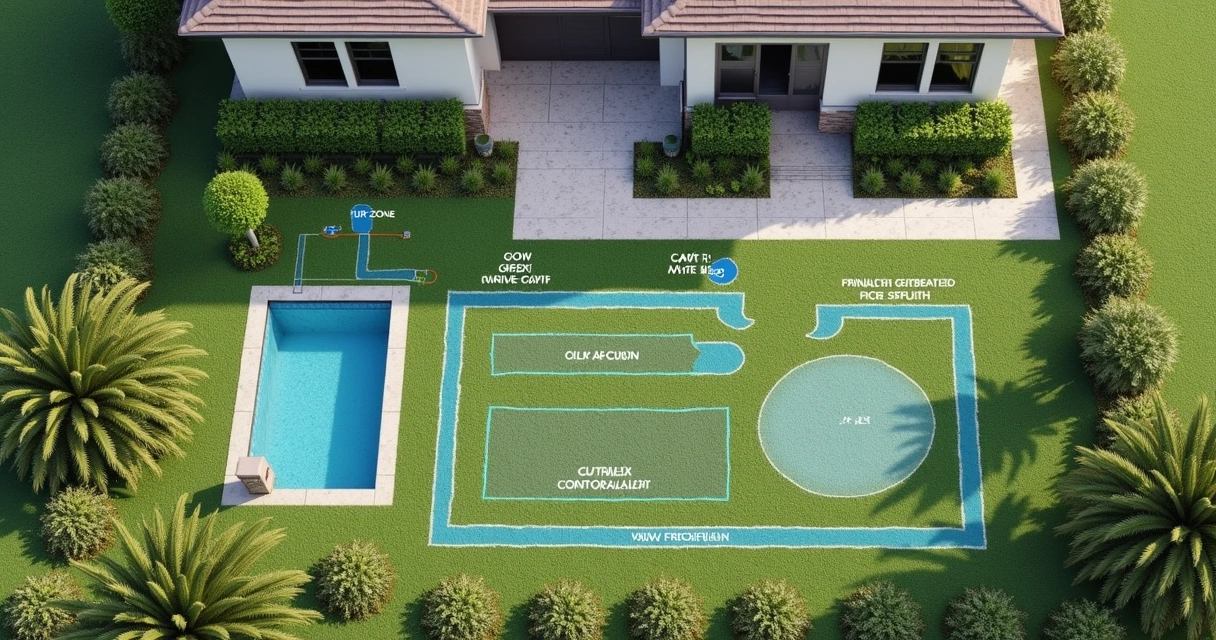
We recommend a simple plan: walk your site, measure each zone, map out fixed walks, driveways, patios, and landscape beds that could block water or create runoff risks. We often integrate hardscape like those described in GCM Best Services’ hardscape projects with the irrigation layout for lasting turf health and easier maintenance.
Accurate measurements and a scaled map help detect trouble spots early and streamline the installation process.
Key components of a low-voltage system
Low-voltage irrigation doesn’t mean less control or reliability. Rather, it works as a network of proven components tailored for turf areas and Florida’s unique environment. Here’s what we specify most often:
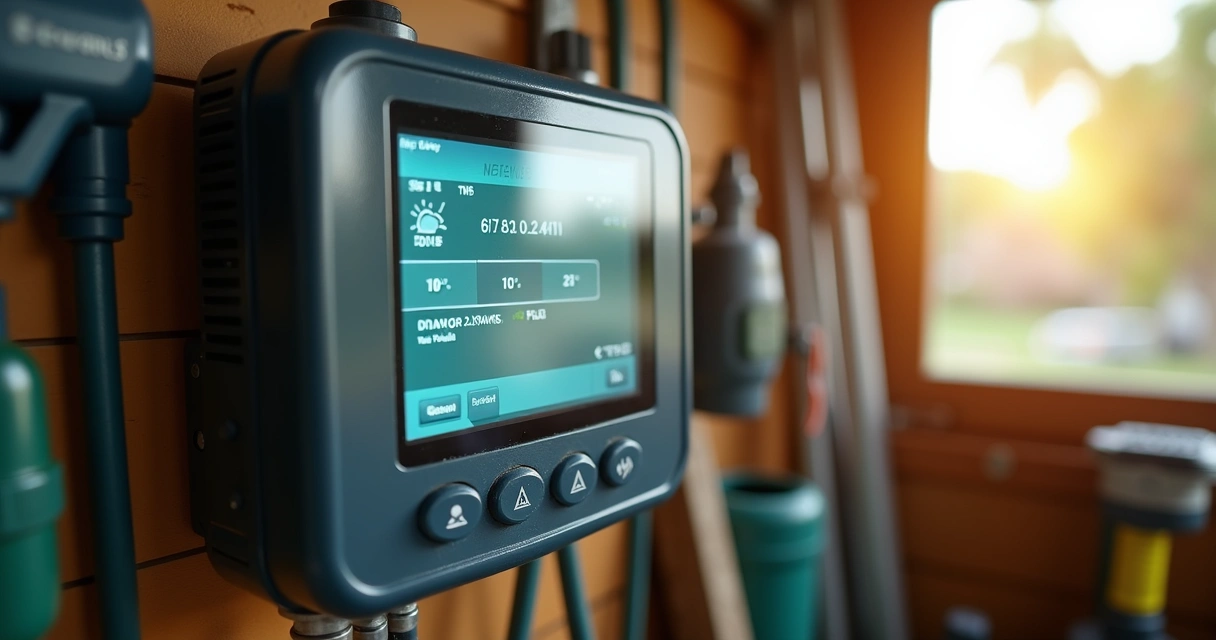
- Controller (timer): The hub, usually 24V AC, which schedules watering by clock, weather, or soil data.
- Zone valves: Electrically activated by the controller to direct water to specific areas. Each turf area can be managed as a separate zone for precise timing.
- Sprinkler heads: Pop-up or rotary, chosen according to zone size, wind, and spray pattern needed. Turf usually needs uniform delivery to avoid brown spots.
- Low-voltage wiring: Communication lines that last for years when buried or housed in conduit, key to reliable performance.
- Pipe and fittings: PVC or polyethylene, sized for flow and pressure, plus backflow prevention if required.
- Optional upgrades: Weather sensors, soil moisture sensors, and mobile connectivity for automated management and better water savings.
Automation and feedback are the new normal for water-wise lawns.
When we bring together the right parts, each system we install is built for durability first.
Steps for sizing, zoning, and layout
Once the property is mapped and goals are clear, we build the plan. Correct sizing and zoning are at the heart of effective irrigation. According to guidelines from the University of California, Davis, irrigation frequency and duration should always match crop water needs and your soil’s absorption rate.
System sizing
Calculate the total area and decide the gallons per minute (GPM) needed, based on sprinkler flow charts and pressure at your site. Too few heads creates dry turf; too many on one zone lowers pressure and wastes water. We always check:
- Maximum flow from the water supply (measure at outdoor spigots)
- Water pressure (PSI), adjusting for elevation change and equipment
- The spray radius of chosen heads, matching head-to-head coverage
Zoning for control
Divide turf areas into separate zones so each gets only as much water as it needs. Areas with sun, shade, slopes, or different soil types should all be zoned apart. This way, overwatering is minimized and water restrictions are easier to follow.
Layout principles
- Heads should overlap spray patterns—this ensures no “dry corners.”
- Pipe runs and valves grouped logically, not just for shortest route but for future service access.
- Keep heads at least 6″ from paver and walkway edges for long-term appearance. Ties into our driveway and patio paving projects as well.
- Valve boxes grouped for protection and easy access but not where water collects.
- Plan for routing wiring well below mowing depth, or inside conduit for peace of mind.
Coverage and efficiency start with smart zone planning.
We enjoy walking customers through the mapping process—your understanding means fewer surprises later on.
Smart controls and water-saving technologies
Low-voltage systems shine when paired with today’s “smart” irrigation controls. These are not gimmicks; they pay for themselves. Advanced controllers use weather inputs, rain sensors, or soil sensors to fine-tune watering and avoid waste. Our experience—and recent research—backs this up.
According to the U.S. Department of Energy’s findings, adding smart irrigation controls like soil moisture sensors or weather-responsive timers can cut water use up to 40% compared to traditional schedules.
Key options we see working for turf irrigation in Central Florida:
- Weather-based (ET) controllers. Use data on temperature, wind, and rainfall to automatically adjust watering. Great for changing Florida seasons.
- Soil moisture sensors. Measure water at root level and stop irrigation when turf is wet—very high value for sandy lawns or artificial turf edges.
- Flow sensors. Detect leaks automatically and alert property managers (or shut down the line).
- Handheld or mobile controls. Manage watering while walking the lawn or from a phone app. Ideal for larger landscapes or multifamily areas.
Conservation is easy when technology does the thinking for you.
We regularly share these upgrades during site visits, and the feedback from commercial and home clients is strongly positive. Studies from the University of Florida show that nearly half of users are interested in moisture sensor-based systems—owners like you want hands-off efficiency. GCM Best Services can handle the selection, installation, and training on all such controls.
Installation tips for Florida’s soil and weather
Many irrigation failures happen not from product issues, but from skipped steps during install. At GCM Best Services, proper installation is a point of pride: it’s how we keep lawns green and clients happy season after season.
- Excavation and backfill. Dig trenches with the correct slope for drainage, never too shallow—pipes need to be below mower blades and safe from light ground freezes.
- Stable connections. Use proper pipe glue, Teflon tape, and waterproof wire nuts at every valve and connection point. We’ve learned not to cut corners here.
- Avoid high-traffic damage. Lay pipe routes parallel to walks, patios, or driveways, but keep a buffer from paver or concrete edges to prevent shifting and leaks.
- Check for low-voltage signal loss. For longer wiring runs, gauge wire size so valves trigger reliably.
- Valve and head accessibility. Place boxes in out-of-the-way locations, but not where puddles form after rain. Make them easy to find for adjustment or repair.
After installation, always do a system test by zone: look for head-to-head coverage, leaks, proper pop-up action, and confirm all sensors (rain, soil) communicate with the controller. For new turf or artificial turf projects by GCM Best Services, we install in partnership with our artificial turf team to get the transition area irrigation right.
System integration with turf, pavers, and drainage
One of the best aspects of a low-voltage system is how cleanly it fits into complex outdoor projects. Whether you’re adding a summer kitchen, expanding pavers, or blending natural and artificial turf, an integrated approach avoids headaches later on.
Drainage integration is a specialty at GCM Best Services:
- French drains or catch basins beneath low spots to prevent pooling
- Pop-up emitters or dry wells for excess runoff from turf or paved areas
- Sleeves under pavers to future-proof for irrigation or lighting upgrades
- Border definition on turf/paver edges keeps both dryer and neater
Linking new irrigation to your existing hardscape projects not only ensures the lawn lasts, but keeps all materials in warranty. Our cross-trained crews can combine turf, pavers, artificial turf, and drainage—one schedule, one warranty, and one less thing for you to manage.
Troubleshooting and maintenance
No system, no matter how modern, is truly “set and forget.” The difference comes in maintenance, troubleshooting, and client support. We are always up-front about it: low-voltage irrigation makes it very easy to fix, expand, or update if needed.
- Regularly check controller programming (especially after power outages).
- Look for leaks at valves, heads, and connections—wet spots or reduced pressure signal the problem area.
- Clean sprinkler heads periodically, as Florida’s sand and debris can clog nozzles.
- Test rain and soil sensors each season; replace batteries or recalibrate as needed.
- Inspect wiring in valve boxes for corrosion or bite marks (rodents sometimes sneak in).
When clients schedule seasonal checkups, or combine irrigation service with other work via our hardscaping maintenance team, issues are caught before costs rise.
Cost, ROI, and local code compliance
Low-voltage was once considered a premium option; today, it’s the practical choice for cost-conscious, law-abiding property owners. Initial install may cost a bit more with advanced controls, but the return comes fast in reduced water use and longer system life. Here’s what owners should consider:
- Controllers: $150–$350+ depending on weather and mobile features
- Zone valves: $45–$75 per zone (plus labor for wiring/trenching)
- Sprinkler heads: $6–$18 each for pop-up or rotary models—turf areas typically need many
- Pipe, wire, fittings: Scaled to size, generally $1–$3 per linear foot
- Smart upgrades: Soil sensors, weather modules, and flow meters can add $150–$800 but pay off in savings quickly
- Labor: $1,600–$4,200 for average residential installations, more for complex or commercial sites
According to the USDA’s latest irrigation survey, water-managed properties are spending less per acre on irrigation—proof that targeted watering technology is paying off nationally. In Central Florida, local building codes often require backflow prevention, and sometimes restrict watering schedules or require smart controllers. As a licensed and insured contractor, GCM Best Services guarantees all installations comply with HOA and permitting requirements.
Turf owners who invest in proper planning and smart controls see savings, healthier lawns, and fewer hassles.
Conclusion
Choosing, installing, and maintaining a low-voltage irrigation system for your turf areas doesn’t need to feel overwhelming. We’ve handled it all—from compact urban lawns to sprawling green spaces—right here in Central Florida. Thoughtful planning, the right technology, and hands-on local expertise mean a system that delivers top results for years.
Ready to move toward a dependable, water-smart turf irrigation system? GCM Best Services is just a call away, and we’re happy to recommend solutions, show you past work, or answer every question. The grass truly is greener with the right partner.
Ready for a professional quote? 📞 (407) 250-1948 • 24–48h • Orlando, Tampa & area.
Frequently asked questions (FAQ)
What is a low-voltage irrigation system?
A low-voltage irrigation system uses electrical components like controllers and valves that operate on 24 volts (AC), making them safer and more energy-conscious than traditional high-voltage options. This design is standard for modern irrigation—supporting timers, smart controls, and zone management for turf and landscape applications.
How to install low-voltage irrigation?
Start by mapping your turf area, noting different zones based on sunlight, soil, and use. Excavate trenches for piping and wiring, then position your sprinklers, valves, and control box accordingly. Connect and waterproof all wiring as per manufacturer instructions, pressure-test the piping, backfill, and program the controller. We recommend professional installation to meet local codes and maximize results.
Is low-voltage irrigation good for turf?
Yes, low-voltage irrigation is especially good for turf because it supports multiple zones, water-saving controls, and safer outdoor installations—even when retrofitted with artificial turf or combined with paver projects. Water is delivered only where and when the grass needs it, cutting costs and supporting consistently green, healthy lawns in Central Florida climates.
What equipment do I need for setup?
Basic equipment includes a 24V controller (timer), electric zone valves, low-voltage wiring (usually 18- or 16-gauge), sprinkler heads suited for turf, PVC or polyethylene pipe, backflow preventer, rain/soil sensors, and standard hand tools (shovel, pipe cutter, wire stripper). For best results and warranty, all parts should meet local standards and be correctly sized to your lawn’s water demand.
How much does installation usually cost?
Installation costs vary by property size and system complexity but expect $1,600–$4,200 for most residential turf systems in Orlando or Central Florida. Advanced controls and sensor upgrades may add to the upfront total, but water savings and reduced maintenance quickly repay the investment. Call us to get a precise estimate tailored to your lawn and needs.