Primary keyword: child safety barrierRelated variants: backyard safety fence, pool safety enclosure, childproof backyard
Audience: Parents, guardians, and property owners concerned about preventing child access to backyard hazards.Pain/Benefit: Stops unsupervised entry, reduces drowning and accident risks, fits Central Florida code, adds peace of mind for families.
Summary: Adding child safety barriers around backyard enclosures is the single most effective step to prevent childhood accidents in Florida homes. In this article, we share practical steps, proven design standards, and material options to help you protect your family, stay code-compliant, and extend the value of your outdoor spaces. Our team at GCM Best Services draws from years of experience with concrete, pavers, screen enclosures, and more—always focused on practical safety.
Outline
- Why child safety matters for backyard enclosures
- Types of backyard hazards needing barriers
- Barrier standards: What does the law say?
- Choosing the right type of barrier for your yard
- Materials: What lasts, maintains, and works in Florida?
- Barrier design: Secure, usable, and attractive
- Installation steps: What to expect
- Maintenance and inspection: Keeping your barrier safe
- Cost, permits, and the Central Florida process
- FAQ: All your questions, answered
Keep kids in sight and danger out of reach.
Why child safety matters for backyard enclosures
If you live in Central Florida, you may already know our region’s homes and yards are made for outdoor living. Pools, patios, and play areas are everywhere. But so is the risk—especially to children under five. As Brown University Health research shows, unsupervised access is a leading factor in tragic accidents. Drowning remains the top cause of accidental death for toddlers and preschoolers.
Safety barriers save lives by creating a real pause between curiosity and danger. Whether it’s a decorative pool, a koi pond, or a turf play zone, every tempting feature in a backyard presents opportunity for misadventure. It only takes a moment of distraction.
A closed gate can be the difference between relief and regret.
We have seen firsthand, at GCM Best Services, how the right fence or barrier stops accidents before they start. It’s not just about rules—it’s about peace of mind.
Types of backyard hazards needing barriers
Not every backyard looks the same, but hazards show up in predictable places. When reviewing a property, we routinely ask clients about:
- Pools and spas (in-ground or above-ground)
- Ponds and water features
- Driveways with street access
- Outdoor kitchens with grills or fire features
- Storage sheds with chemicals, tools, or machinery
- Enclosures with open or retractable walls/panels
- Steep slopes, retaining walls, or drop-offs
If a hazard is movable—like an inflatable pool or temporary fire pit—it still warrants a plan. According to experts at Brown University Health, almost all inflatable pool drowning cases involved children under five and would have likely been prevented by a fixed barrier with a secured entry point.
To be clear, a backyard safety barrier is as much about keeping hazards in as it is about keeping children out. That dual purpose is behind every code requirement and best practice we use in Central Florida projects.
Barrier standards: What does the law say?
Orlando and the wider Central Florida area typically require barriers for:
- Swimming pools, spas, and hot tubs
- Water features deeper than 24 inches
- Yards adjacent to public spaces or busy streets
For pools in particular, state and municipal codes align with recommendations from safety experts—that is, at least 4 feet high, self-closing/self-latching gates, and no gaps wider than 4 inches. Temporary pool fences are seldom code compliant, since children soon learn to climb or push around soft barriers. Similar rules apply for new enclosures built after renovations or permit-triggering improvements.
If you live in a deed-restricted community, an HOA might impose additional design or location standards for fences and barriers, so always check those too. In our experience at GCM Best Services, we handle permit submittals and HOA negotiations for every project to avoid delays.
Permitted, code-aligned barriers must be sturdy, fixed in place, and hard for children to climb or unlock. Smooth materials, no horizontal footholds, and secure hardware matter as much as height.
Choosing the right type of barrier for your yard
No two families have the same priorities. For some, pool safety is the goal. For others, it’s shutting out traffic or keeping outdoor kitchens off-limits to toddlers. Here’s how we help Central Florida clients match solutions to their spaces:
Pool barrier options
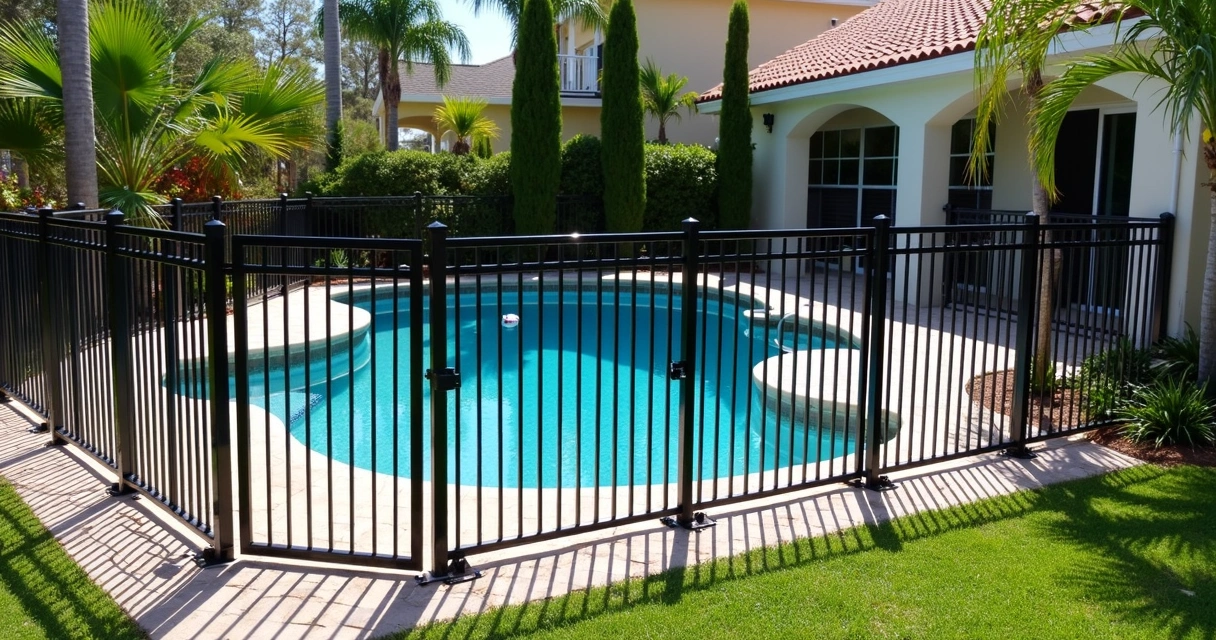
- Permanent aluminum or steel fencing (powder-coated for Florida climate)
- Frameless or framed glass panels (modern, visually open)
- Insulated composite or vinyl fencing (easy maintenance, smooth texture)
- Screen enclosures with wind-rated hardware
For any pool or water hazard, gates must be self-closing and latching, opening away from the hazard. We always install hardware at least 54 inches above ground, so curious hands can’t reach.
Play and yard enclosure solutions
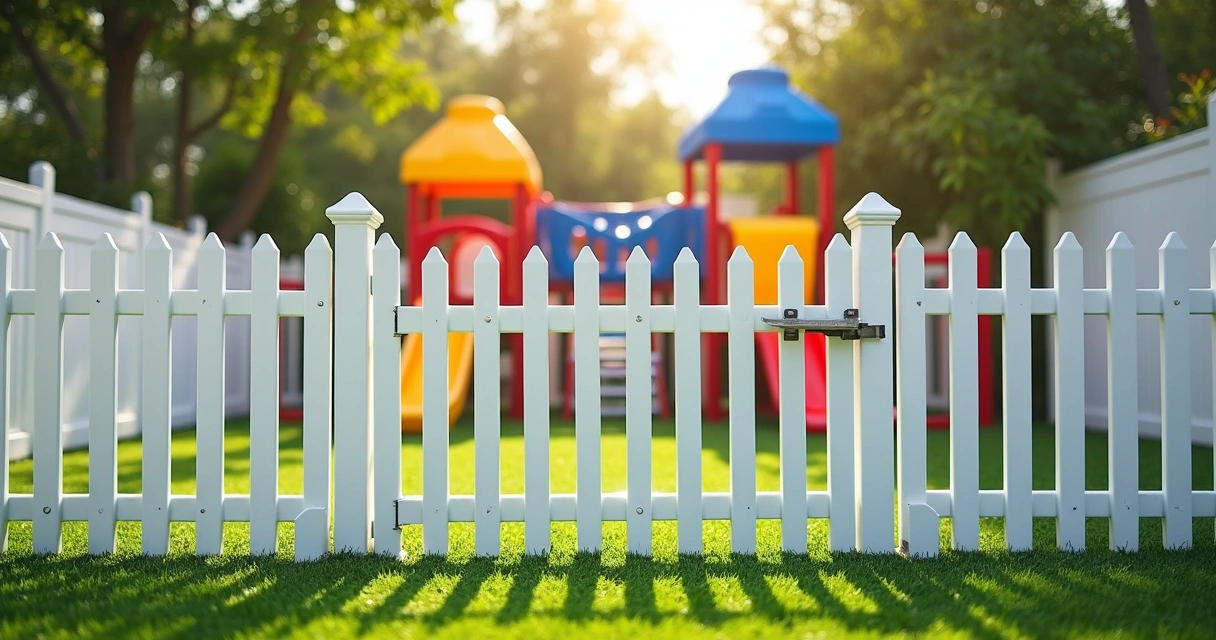
- 4-foot-plus picket fencing with narrow spacing
- Mesh panels fixed in sturdy posts—not the portable kind
- Brick or block low walls with aluminum rails above
Gated play zones are common in our hardscape projects. Durable paver edging integrates beautifully with fence lines and walkways, helping direct foot traffic and manage drainage.
Driveway and street access barriers
- Sliding or swing driveway gates, automated or manual
- Short landscape walls with steel or aluminum infill
- Strategic hedges with fence core
When driveways connect with patios or turf, we often recommend combining secure gates with clear sight lines, so you can see playing children without sacrificing protection.
Materials: What lasts, maintains, and works in Florida?
Florida weather is unforgiving—heat, humidity, storms, and insects all shorten the life of poorly chosen barriers. We have worked for years with materials that suit the soil and climate here.
- Aluminum: Rust-resistant, strong, accepts powder coating, easy to clean. A favorite for code-compliant pool gates.
- Vinyl: Low-maintenance, white or tan, smooth surface discourages climbing. Good near turf or playgrounds.
- Mesh panels: Acceptable for some yards if installed in fixed posts. Not suitable as the sole pool protection.
- Glass: High-end look, won’t corrode, but must be thick and anchored for wind loads. Best for design-driven spaces.
- Pavers and masonry: Durable for lower walls. Useful along sloped grades for transition between fence and driveway or patio areas. See more about these integrations in our hardscape projects in Orlando.
Maintenance is as important as material. Barriers need to resist fading, warping, and hardware rust. Some fence options look sturdy but suffer in heavy rain or sandy soil unless properly installed over a compacted base.
To last in Florida, a barrier should withstand sun, wind, and kids’ daily adventures.
Barrier design: Secure, usable, and attractive
We often get asked if a child safety fence has to look ugly or institutional. The answer is simple: Not at all. With planning and the right team, you can blend code compliance, beauty, and day-to-day function.
- Match fence colors to your home’s palette using baked-on finishes or painted composite rails. Our driveway and patio projects often include custom borders to complement fencing.
- Integrate lighting into posts or along paths to improve night safety.
- Use gate hardware that feels solid, easy for adults yet safe from small hands.
- Design walkways to funnel movement through secure, visible entry points—good near artificial turf zones (see examples here).
- Consider landscaping for added privacy or buffering, but keep mature plants from forming “ladders” over fences.
We always recommend wide access gates for strollers, play equipment, or emergency exits, just be sure all gates self-latch and close easily.
A barrier is only as safe as its gate.
Installation steps: What to expect
Good safety starts with good installation. Here at GCM Best Services, our process follows a few clear steps:
- Site assessment: We visit your property, map hazards, look for slopes/drainage, and measure for code needs.
- Design and estimate: Propose layouts, materials, and finishes—review with client and get necessary approvals.
- Permitting: Submit plans to city/county and HOA as needed.
- Pre-construction prep: Mark dig/cut zones, call utility locates, stage materials. For concrete or paver work, excavate and compact sub-base.
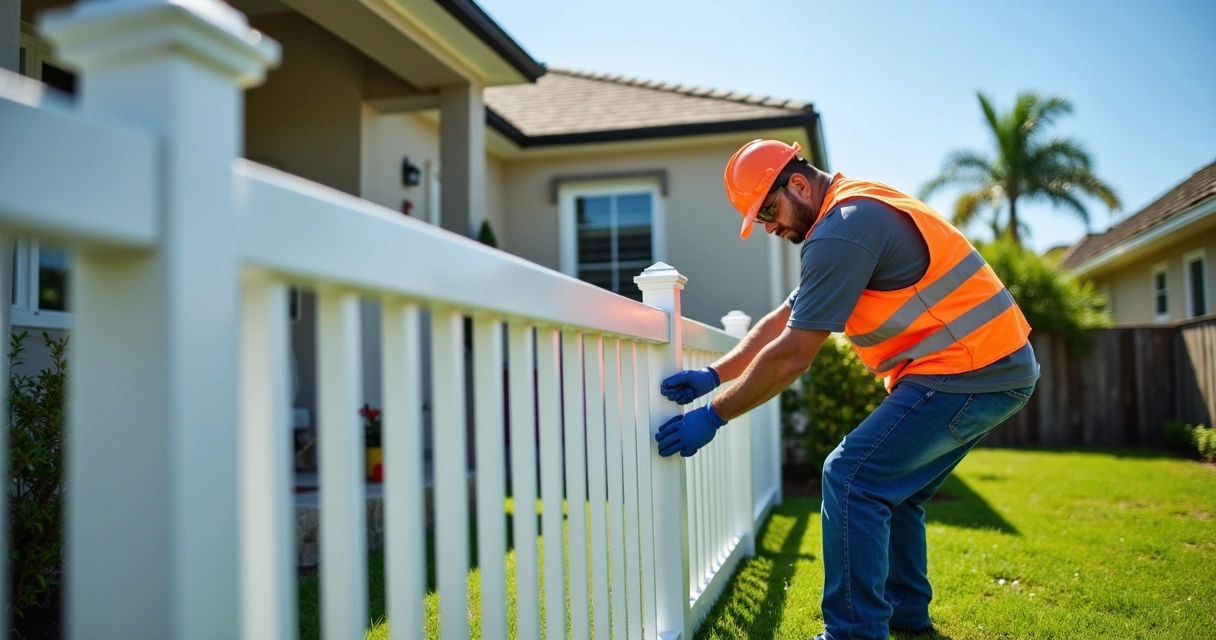
- Barrier build: Set posts deep and true; attach fence panels or glass; install gates with safety hardware. See our latest barrier and fencing work.
- Walkthrough: Inspect gate function and fence height, check for sharp edges or gaps. Take photos and provide a maintenance guide.
- Written warranty: We stand behind every install with a clear warranty and guidance for upkeep.
Every step should give you confidence that your barrier will stay upright and effective for years—not months.
Maintenance and inspection: Keeping your barrier safe
Even quality fences can wear over time, especially in Florida’s harsh weather. We encourage every client: Inspect seasonally, and after major storms. Here’s what to check:
- Wiggle test each panel and post for looseness
- Operate every gate, ensuring self-latching hardware works smooth
- Scan for rust, corrosion, or UV cracking—especially at ground level
- Watch for missing or sagging pickets, mesh, or glass panels
- Trim back shrubs or vines that could provide footholds or obscure sight lines
Repairs should happen quickly. A single gap or stuck latch cancels out the purpose of your barrier.
We recommend annual checkups, and offer service to repair or upgrade as needed, all with photos and clear documentation. A safe fence is a maintained fence—never ignore a small issue, especially when children are involved.
Cost, permits, and the Central Florida process
Most families want to know: What does it cost, and how long does this take? The answer depends on size, material, and local code. Here are realistic ballparks based on our local projects:
- Material/labor for a basic 4-foot powder-coated aluminum fence: $35-55 per linear foot
- Decorative glass or steel: $75-150 per linear foot
- Vinyl or composite: $45-70 per linear foot
- Gate hardware and installation extras: $200-500 per gate
- Permit fees and plan submittal: Varies by city/HOA, often $100-350
Most installs wrap up in 2-7 days, after receiving permits and HOA green lights. Complex sites with drainage or hardscape tie-ins may take longer. We always communicate expected schedules up front, with daily updates and photo progress as you see in our other hardscape services.
The investment in a barrier adds to property value and, more than that, to your confidence as a parent or caregiver.
Conclusion: Strong protection starts with one decision
Adding a child safety barrier around your backyard enclosure is a practical step, grounded in common sense and backed by proven standards. It stops accidents before they happen, reassures family members, and helps meet the requirements of city codes and HOAs throughout Central Florida. At GCM Best Services, our experience in outdoor projects—concrete, pavers, screen enclosures, and more—gives us a unique perspective on how to blend protection and style, without compromise. Every yard tells a story. Let’s make yours a safe one for children.
Ready for a professional quote? 📞 (407) 250-1948 • 24–48h • Orlando, Tampa & area.
Frequently asked questions
What is a child safety barrier?
A child safety barrier is a physical fence or enclosure built to prevent children from reaching hazards like pools, streets, or outdoor kitchens without adult help. These barriers are designed to be too tall for climbing, too difficult for young children to open, and solid enough to withstand weather and wear. In Central Florida, child safety barriers often use sturdy materials like aluminum, vinyl, or glass and always include self-closing, self-latching gates that meet local codes.
How to install a backyard safety barrier?
To install a backyard safety barrier, first measure your hazardous area and choose a code-compliant material and design, like a minimum 4-foot fence with narrow picket spacing. Mark your layout lines and set sturdy posts at proper intervals, mounted deep for wind resistance. Attach fence panels, then install self-closing, self-latching gates with hardware at required height. Always check local codes and get permits as needed. The process is easiest and safest when handled by contractors familiar with Florida’s soil, drainage, and legal standards, such as the GCM Best Services team.
Are safety barriers required by law?
Yes, child safety barriers are required by law for most pools and some high-risk backyard features in Florida. State law and most local ordinances require at least a 4-foot barrier with a closing, self-latching gate for private pools and spas. HOAs may add extra design or placement requirements. Always check with your city or county before starting a project.
How much do child safety barriers cost?
The cost of child safety barriers depends on material, length, and hardware, but most 4-foot aluminum or vinyl fences range from $35 to $75 per linear foot installed in Central Florida. Decorative glass or steel, complex gates, or custom designs may cost more. Permits and HOA approvals are extra but not usually a major expense compared to peace of mind.
What are the best materials for barriers?
The best materials for child safety barriers in Florida are powder-coated aluminum, vinyl, and tempered glass, thanks to their resistance to rust, sun, and impact. Mesh can be used for short yard fences if fixed in posts, but not as the only pool barrier. Masonry, like short brick or block walls, can pair with metal for a long-lasting, attractive solution.