Artificial grass brings many benefits—low maintenance, year-round greenery, and resilience under Central Florida’s subtropical sun. But homeowners and businesses in Orlando, Kissimmee, and the surrounding region know pests, especially ants, can become unwelcome guests even on turf. At GCM Best Services, we’ve seen ant hills and persistent bugs work their way into artificial lawns and disrupt both looks and function. Today, we’ll walk you through why ants and pests show up, which strategies work best for removal, and how to better protect your investment long-term.
If artificial turf is treated properly, pests rarely become more than a minor, fixable nuisance.
In this detailed guide, we’ll share how to spot ant activity early, the safest ways to remove them, and steps to strengthen pest resistance from the start—without risking damage to your turf or health. Our team at GCM Best Services believes that with the right knowledge, your grass stays beautiful, comfortable, and safe for families, pets, and visitors.
Why do ants and pests find their way to artificial turf?
We sometimes hear the question, “Why would ants bother with fake grass?” From our experience, there are several practical reasons they migrate to synthetic turf, especially in Florida’s climate.
- Poor drainage: Water that doesn’t drain properly creates damp, inviting environments under turf, which ants and other bugs love.
- Organic debris: Leaves, food scraps, and soil can settle into infill or on top of grass blades—providing a food source and nesting material for insects.
- Edging gaps: Weak, unsealed turf edges allow easy access beneath the surface, helping ants start their underground tunnels and colonies.
We’ve seen that with well-built artificial turf installations, proper grading and base layers reduce pest issues, but no yard is immune given Florida’s active insect life.
Spotting early signs: How to identify ant hills and pest issues
An artificial lawn won’t always show the same above-ground ant mounds as real grass, but attentive eyes can catch problems before they grow. Here are common indicators to look for:
- Loose infill/raised spots: Tiny patches where turf bulges slightly or feels soft underfoot, signaling tunnels or nests below.
- Ants visible at seams or edges: Trails of insects moving along borders or emerging near drains.
- Dirt or sand heaps: Accumulated particles on the surface, pushed up through drainage holes by burrowing ants.
- Pest activity at night: Some pests are more active after dusk; use a flashlight to inspect movement in hidden areas.
- Pet focus: Dogs and cats often sniff or dig at infested areas—if your pet is interested in a patch, check closely.
If you see these signs, quick action is key. Ants multiply rapidly and can undermine the surface if left unchecked.
Common pests found in artificial grass in Florida
Florida landscapes foster a wide range of bugs. In the context of turf, here are the most frequent invaders:
- Ants (Fire ants, Carpenter ants, Sugar ants): These are the most frequent burrowers under fake lawns due to their adaptability and persistence.
- Chinch bugs: Although less troublesome on synthetic grass, these insects sometimes shelter in turf with organic debris.
- Fleas and ticks: They don’t nest in turf but may hide in organic matter, especially where pets roam.
- Mole crickets: More likely in lawns with sandy, poorly compacted sub-bases beneath turf.
- Other nuisance species: Occasional beetles, spiders, and even worms can appear if infill is contaminated.
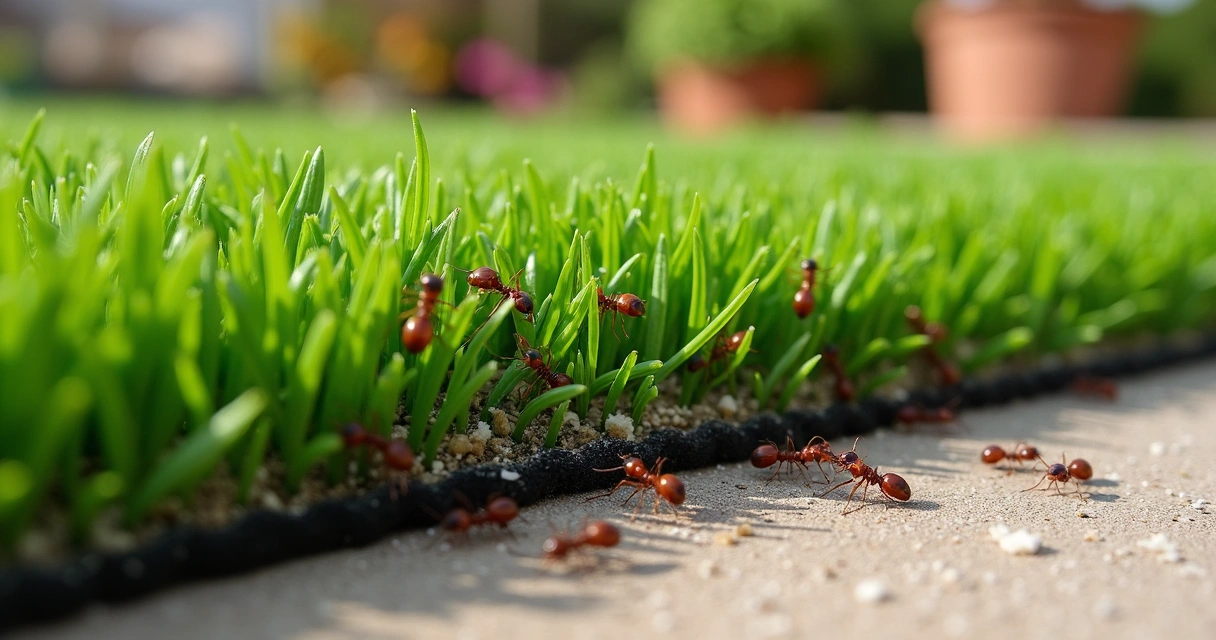
Why ant hills in artificial grass are a real problem
Beyond being unsightly, ant infestations and their hills can threaten your landscape’s durability and safety. Ant activity beneath artificial turf can compromise base compaction, causing uneven surfaces and spreading contaminated soil.
- Raised mounds eventually create tripping hazards or low spots.
- Displaced infill leads to bumpy or spongy turf and accelerates fiber wear.
- Ant bites, particularly from fire ants, pose a real risk to children and pets.
- Migrating pests can move into patios, pools, or the interior of your home.
We consider prompt and thorough solutions the best way to minimize these risks. Plus, a solid defense encourages ants and bugs to look elsewhere entirely.
Effective removal: How to eliminate ant hills and pests from turf
Step 1: Remove food and organic material
The first and most overlooked step is always surface cleaning. Leaves, crumbs, and soil particles act as attractants. We recommend:
- Regularly brushing the turf with a stiff broom to dislodge debris.
- Using a leaf blower for quick, non-invasive clearing of larger areas.
- Carefully vacuuming exposed sand or infill where allowed.
A clean, well-groomed lawn gives pests fewer reasons to stay.
Step 2: Water flooding method
Ants can sometimes be forced out using water. For mild infestations, this can help:
- Flood the suspected ant hill with a strong jet of water for several minutes.
- Repeat for a few days, flushing tunnels and disturbing their nests.
This method rarely solves severe cases but reduces surface activity while you prep for chemical or natural remedies.
Step 3: Targeted ant control products
In our experience, spot-treating with ant-specific solutions is highly effective if done carefully to avoid turf damage. Safe options include:
- Ant bait granules: Use a bait marked “safe for turf,” sprinkle onto infested patches, and avoid getting the product on surrounding flowers or bedding.
- Non-staining liquid ant killers: Select those labeled for ornamental landscapes; apply directly onto the mound and allow to soak in.
Never pour harsh concentrated chemicals or borax directly onto synthetic fibers, as this can weaken turf and impact children or pets.
Step 4: Natural and pet-safe alternatives
If you have frequent outdoor activities or pets and prefer a safer approach, try these:
- Diatomaceous earth: Food-grade only. Sprinkle onto visible ant trails or mounds. It dehydrates bugs but won’t harm the turf.
- Vinegar and water mixture: Use a 1:1 mixture in a spray bottle. Douse entrance holes and seams in the evening for the best effect.
- Baking soda and powdered sugar: Mix and apply to problem areas. The sugar lures ants while baking soda disrupts their metabolism.
Results may be slower, but these methods offer peace of mind for play areas or pet runs.
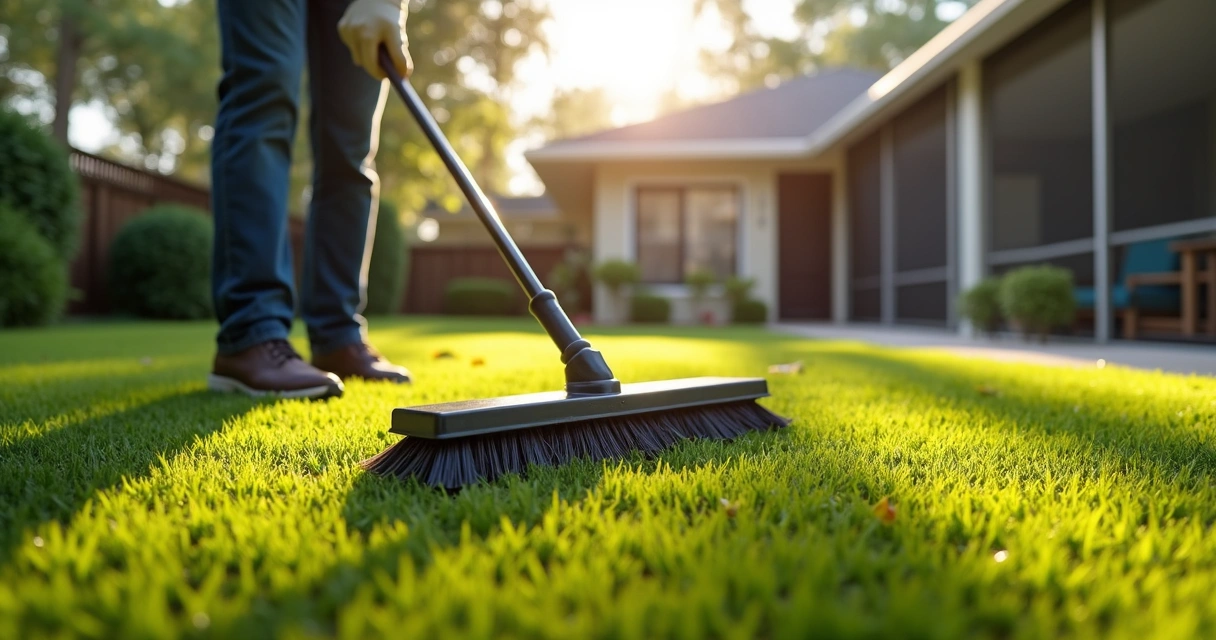
Step 5: Repair, fill, and refresh the turf surface
Once ant hills and pests are minimized, we recommend restoring disturbed turf:
- Level out any raised or sunken patches by gently unlocking the turf and redistributing infill as needed.
- Top up with fresh infill (antimicrobial options available) to discourage new colonies.
- If seams are opening or edges are lifting, reset and secure them with the proper adhesive or edging material.
These simple restorations can make your artificial lawn look flawless again, while reducing shelter opportunities for pests.
Best practices to prevent future infestations
From our years serving Orlando, preventive methods matter as much as removal. Here’s how we build pest-resistant artificial turf systems and recommend continued care:
- Compacted, deep base: Installing 6–8″ of compacted sub-base under turf, like our Orlando artificial turf projects, gives ants little space to tunnel.
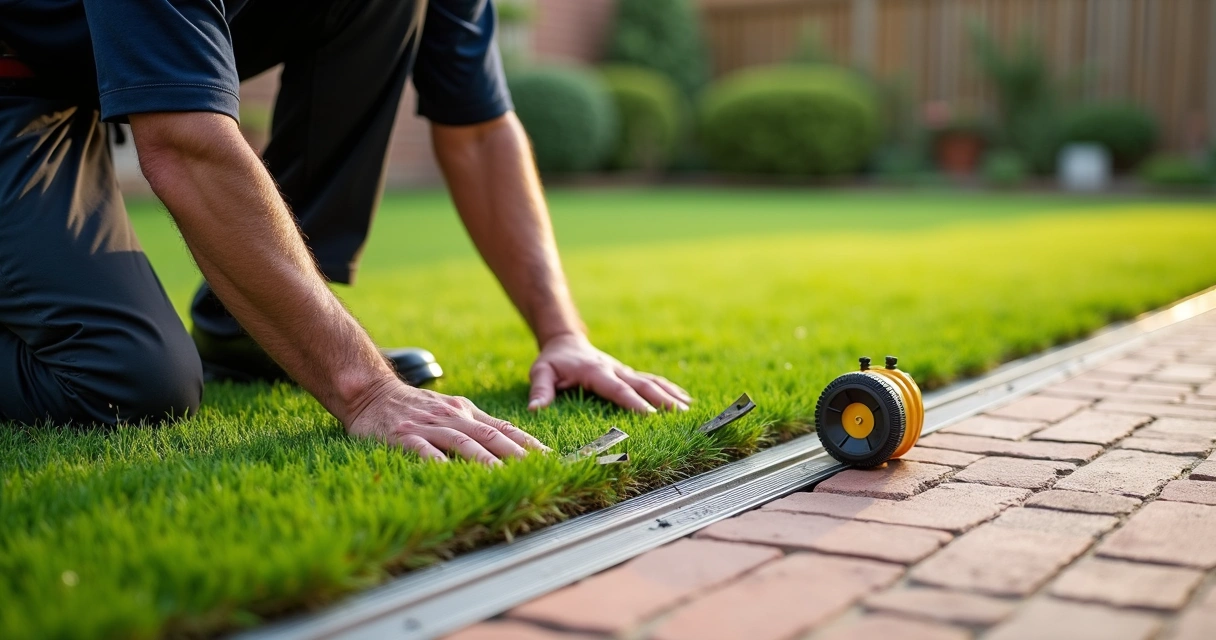
- Professional edge restraint: Using clean, sealed edges keeps entry points closed, blocking migration under the turf perimeter.
- Fast-draining infill materials: Choose infill types that don’t retain excess water; this keeps the surface and base too dry for most pests.
- Routine cleaning and raking: Monthly maintenance with a stiff broom and an occasional rinse extends turf life and pest resistance.
- Prompt repairs: Fix gaps or popped seams quickly, since exposed bases are a main pest entry.
Studies such as the three-year study on turf management regimes have found that the right maintenance practices help keep healthy soil organisms while not supporting common pest outbreaks.
Choosing and applying pest control products on turf safely
We’re sometimes asked if pesticides and ant baits really are safe for synthetic turf. According to a systematic review of artificial turf health impacts, there are chemicals in some products that require care. We advise the following anytime you need chemical applications:
- Read product labels to confirm “safe for synthetic turf/lawns.”
- Follow dosage and timing exactly; overuse can cause fiber discoloration, infill loss, and runoff.
- Keep children and pets off recently treated areas until dry or as the product tells you.
- Never use boiling water, lye, or petroleum-based chemicals as these may break down fibers or glue bonds in the turf system.
When in doubt, stick with targeted ant baits or ask our team for professional guidance. Responsible use keeps your yard secure and the environment healthy.
Should you remove and reinstall contaminated turf?
For severe, multi-year ant infestations where the turf base has been heavily disrupted, removal may be the best way to restore stability and comfort. Our process at GCM Best Services would include:
- Professional assessment of the entire area and source of recurring pest problems.
- Full removal of infested sections, including sand and soil base if needed.
- Installation of a compacted, pest-resistant base layer (rock and sand mix).
- Resealing edges and possibly integrating new drainage runs or infill materials.
In most cases, however, timely removal of ant hills and proper surface management saves you from the costs or inconvenience of full replacement.
Integrating pavers, edging, and landscaping for even fewer pests
We’ve found that integrating well-drained paver borders or pathways with artificial grass enhances appearance and makes it easier to spot and deter pests. Brick or stone edging keeps seams tight and drainage flowing, reducing the risk of burrowing ants.
For inspiration, you can check our hardscape projects in our project gallery. The right design choices up front mean fewer pest worries year after year.
Long-term turf health: What research says
While artificial turf is generally less friendly to bugs than natural grass, some insect species still adapt. Several studies on arthropod abundance and turf management show that mowing, infill type, and regular cleaning affect how many beneficial or nuisance insects might appear. In our service areas, we recommend:
- Regular inspections during high-ant seasons, usually spring and fall.
- Using UV-resistant infill and fibers to keep grass cooler and less attractive to pests.
- Educating kids and guests to keep food, sugary drinks, and pet waste off turf surfaces.
By staying proactive, you make pests a rarity rather than a recurring issue.
Summary: Keeping your artificial turf pest-free in Central Florida
At GCM Best Services, our mission is to help homeowners and businesses in Orlando and Central Florida build and maintain beautiful, long-lasting outdoor spaces. While ants and pests occasionally challenge even the highest-quality installations, the right practices make all the difference. From vigilant cleaning and early identification to the careful use of safe control treatments, your artificial turf can resist pests season after season.
If you have an active infestation, want a maintenance assessment, or are looking to upgrade to pest-resistant turf, we’re ready to help with proven solutions. Protect your yard, family, and investment—trust experts who build lawns as sturdy as they are stunning.
Ready for a professional quote? 📞 (407) 250-1948 • 24–48h • Orlando, Tampa & area.
For more guidance on installation methods and turf care, we invite you to see our solutions for artificial turf in Kissimmee or browse our resources on Florida turf and landscaping.
Frequently asked questions
How to remove ant hills from artificial grass?
The best way to remove ant hills is first to clean organic debris, then spot-treat hills using a turf-safe ant bait or non-staining ant liquid, and follow up with brushing and infill replenishment. Water flooding can also push ants out for mild cases, but always avoid harsh chemicals that could harm turf fibers. If infestations recur, check turf edges and repair gaps to block future access.
What are common pests in artificial grass?
The most common pests in artificial grass in Central Florida include fire ants, sugar ants, carpenter ants, chinch bugs, fleas, ticks, and occasionally mole crickets or beetles. Of these, ants are by far the most persistent. Regular cleaning and professional edging deter most pest activity.
Is it safe to use pesticides on turf?
It is generally safe to use turf-labeled pesticides and ant baits when application instructions are followed precisely. Always select products marked as safe for synthetic lawns, avoid overuse, and allow sufficient drying time before letting pets or children play. Avoid corrosive or petroleum-based chemicals as they can degrade artificial grass or impact health, a finding supported by research on chemical exposure risks in synthetic turf systems.
How can I prevent ants from returning?
To prevent ants from returning, keep your turf free from organic debris, quickly repair edge gaps and seams, maintain a well-compacted base, and use an appropriate infill that drains well. Monthly brushing, even surface checks, and prompt cleanup of spills or garbage will stop most problems before they start.
What is the best ant killer for turf?
The best ant killer for turf is a bait granule or gel listed as safe for lawns and ornamental landscapes, applied directly at the source of ant activity. For pet-safe or natural control, diatomaceous earth or a vinegar solution can also be effective. Always avoid boiling water, borax, or household chemicals to protect your turf’s appearance and lifespan.