If you live in Central Florida, you are likely no stranger to the intense sunshine, frequent rain, and balmy evenings that shape life outdoors. As professionals specializing in hardscapes and outdoor solutions, we at GCM Best Services have found that shade isn’t just a luxury in our region—it’s a necessity for enjoying your yard or patio year-round while protecting both your guests and your surfaces. Yet, not all shade structures are created equal. Some blend seamlessly with elegant patios, others fold away when skies are clear, and some double as sturdy weather barriers. Our job is often helping clients decide: pergola, awning, or patio cover? Let’s break down the real-world advantages and trade-offs of each, with a practical eye on Central Florida’s climate and lifestyle.
Understanding shade structures: The essentials
Before comparing options, it’s helpful to lay out what each type of shade structure means for a home or business. We see confusion over definitions regularly, especially when discussing projects with homeowners or designing outdoor improvements for retail or hospitality customers.
- Pergolas: Open-sided frames, often with slatted roofs. They filter sunlight but are not fully enclosed. They are usually built as permanent structures and can be made from wood, aluminum, or vinyl.
- Awnings: Attached covers that project from a wall or over a window, typically using fabric stretched over a frame. Many are retractable, allowing you to adjust coverage as needed.
- Patio covers: Roof-like, fixed structures that provide complete coverage and weather protection over patios, decks, or even driveways. They can be freestanding or attached and are commonly constructed from aluminum, wood, or composite panels.
Pergolas, awnings, and patio covers each have a role to play—sometimes even combined creatively in a single property plan.
Pergolas invite the outdoors in. Awnings adjust to your needs. Patio covers create all-weather rooms.
Materials and durability: What stands up in Central Florida?
Orlando and Central Florida present specific challenges: blazing sun, strong storms, high humidity, and—of course—pests. Choosing the right materials makes the difference for both longevity and everyday comfort. At GCM Best Services, we often recommend materials that handle moisture well, resist UV breakdown, and meet wind-load requirements.
Wood: Beautiful, but requires care
Wood pergolas and covers remain popular for their natural look and flexibility, but Florida’s heat and humidity mean regular sealing, painting, or staining is needed. We’ve found that rot-resistant options like cedar or pressure-treated pine help, but still demand routine upkeep.
Aluminum: Low maintenance, highly practical
Aluminum performs exceptionally here due to its resistance to rust and insects. Whether as slats for a pergola or panels for a patio cover, powder-coated aluminum keeps its color and shape through seasons of rain and sun. With awnings, aluminum is a top choice for frames, even if the covering itself is fabric.
Vinyl and composites: Modern alternatives
Vinyl and composite materials have grown in popularity for pergolas and patio covers. They never rust and require less maintenance than wood, but they can heat up in full sunlight and may show wear from UV rays after several years.
Fabric: For flexible and fast shade
Awnings most often use heavy-duty acrylic or polyester fabrics, specifically designed to endure fading, mildew, and mold. The quality of the frame and the way fabric is stretched are just as important as the cloth itself. When we repair or upgrade awnings, we focus on these points to give clients years of trouble-free use.
Design and curb appeal: How style plays a role
Shade is practical, but how a structure looks counts for everyday enjoyment and adds to your home’s or business’s value. We enjoy working with customers to develop designs that fit their vision. Here’s how these three shade solutions typically shape outdoor spaces:
Pergolas: Architectural focal points
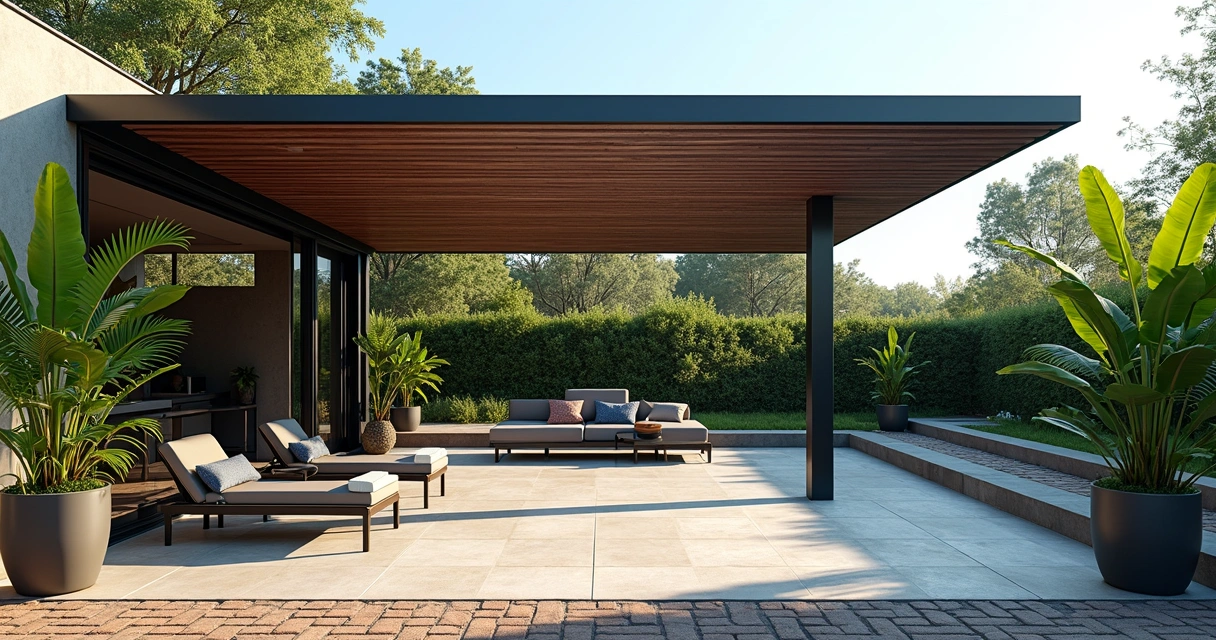
Pergolas can be classic or contemporary, depending on profile, material, and details. Their open framework creates a play of light and shadow, adding depth and dimension to patios, walkways, or garden nooks. We’ve installed pergolas as standalone statements, extensions to buildings, or transitions between zones, integrating them with hardscaping projects for a unified look. Even an unfinished concrete patio feels transformed topped with a well-designed pergola.
Awnings: Subtle or statement-making
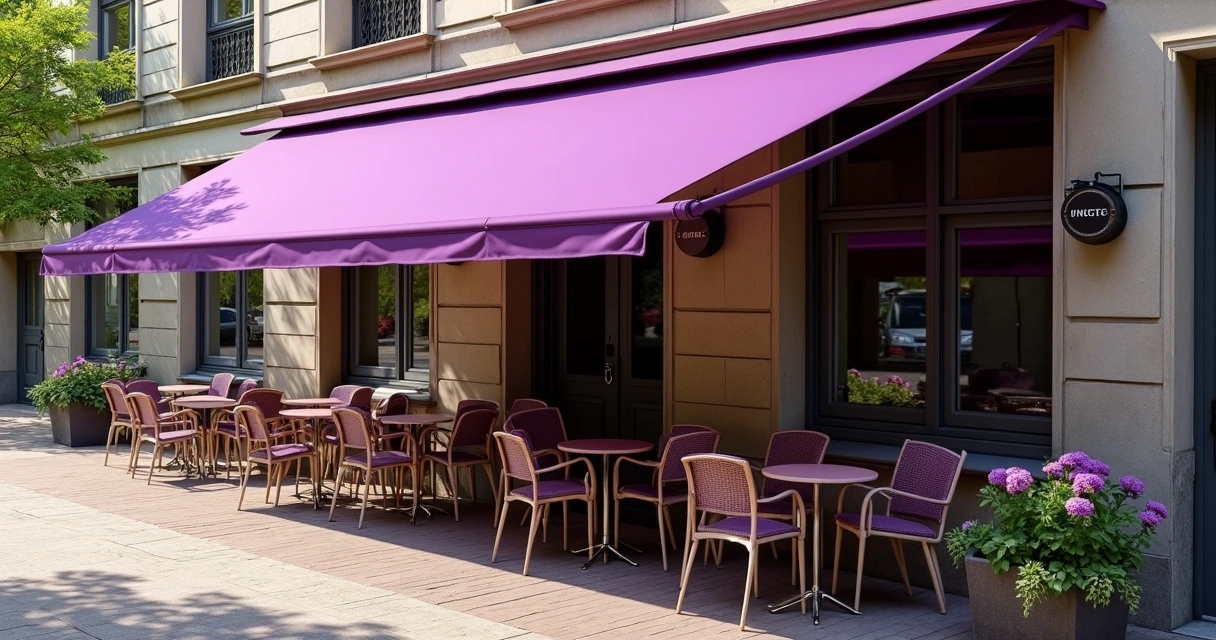
Wall-mounted awnings provide instant relief and come in hundreds of colors and styles—from simple solid sheds to scalloped edges and bold stripes. We’ve noticed that commercial customers lean toward bright or branded fabrics, while homeowners prefer awnings that blend with siding or trim. Because they retract, they don’t take over the space the way a permanent structure does.
Patio covers: Seamless extensions
Patio covers can echo the roofline of your home, extend an eave, or create a free-standing destination next to the pool. With the right finish, they look like a natural part of the house, often raising perceived value and providing shelter for outdoor kitchens or dining zones. We always consider integration with existing drainage or the need for electrical, as Central Florida’s year-round outdoor living keeps spaces in near-constant use.
Shade performance and climate control
Choosing a shade solution isn’t just about blocking midday glare. It’s about controlling heat, improving comfort, and even reducing indoor cooling costs. Shading solutions have a measurable impact on both outdoor enjoyment and indoor temperature regulation.
For example, a peer-reviewed article available through PubMed Central shows that rooftop shading systems in hot climates improve indoor comfort by up to 35% in some rooms, by reducing sun exposure and thermal loading (peer-reviewed article available through PubMed Central).
- Pergolas: Filter sunlight and reduce direct heat, but provide only partial shelter. If covered with fabric or climbing vines, shade improves but rain protection can remain limited.
- Awnings: Offer variable coverage, excellent for controlling solar gain on windows or over patios, and retract when not needed. They are best for preventing sun fade indoors and keeping seating cool outside.
- Patio covers: Deliver full overhead protection. They keep furniture dry, block harmful UV, and reduce the risk of heatstroke in exposed areas. Solid covers can also direct rain away with built-in gutters.
We always evaluate sun angles, prevailing wind, and adjacent landscape to design a shade solution that works as the seasons change.
Functionality: Flexibility, upgrades, and integration
Outdoor living spaces should be as practical as they are appealing. We’re often asked to mesh shade structures with surfaces, walkways, or even summer kitchens, given the rise of multi-use patios in Orlando. Patio paving under a pergola, for example, delivers an area that drains well, handles wear, and invites year-round entertaining.
What about upgrades and features?
- Pergolas can be fitted with retractable canopies, shade sails, lighting, ceiling fans, or even misting systems.
- Awnings now offer motorized remote controls, sensor-based wind retraction, integrated LED lighting, and custom valance shapes.
- Patio covers support mounted lighting, outdoor speakers, screened walls (for bug control), and built-in guttering for clean drainage. Some are strong enough to support hanging swings, heaters, or plants.
We find clients want spaces that work morning, noon, and night—and prefer low-maintenance choices that don’t add chores to their weekends.
Installation and permitting: What to expect
Not all shade structures are equal in terms of installation demands. At GCM Best Services, we make sure the process is trouble-free, guiding you from design to permits and final sign-off. Here’s what usually matters:
- Pergolas: Often require a poured concrete or paver foundation, rebar for stability, and sometimes wind-rated fasteners per code. If attached to a building, proper flashing or integration with existing drainage is key.
- Awnings: Can sometimes be installed in a few hours, using mounting brackets and weather sealing for walls or ceilings. Larger motorized setups may need electrical upgrades or support bracing.
- Patio covers: Generally call for structural review, permits, slab footings, and, in wind-prone areas, hurricane-rated supports. The process is more involved, but the result is permanent, weatherproof shelter.
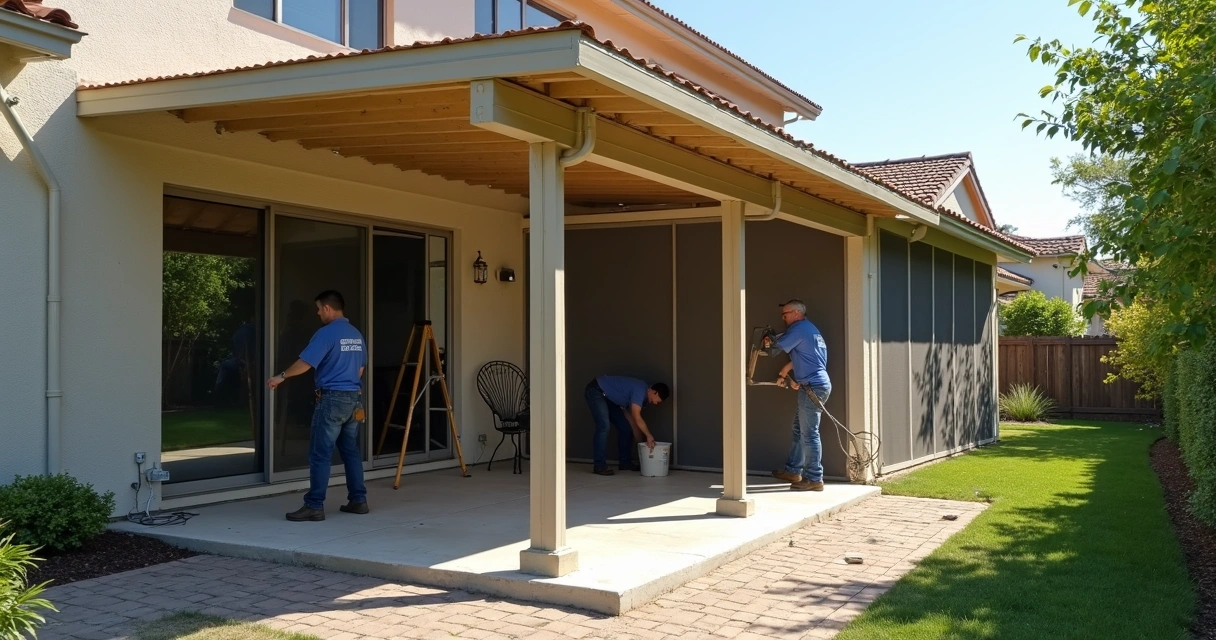
Projects usually proceed from site assessment to design, followed by HOA or permit coordination, scheduled execution, and a final walkthrough with warranty documentation. Our hardscape expertise means we can seamlessly blend patios or paver borders with any type of overhead coverage.
Cost considerations: What influences price?
Cost matters, and it always comes up fast in our consultations. The good news is, there’s a range to fit different budgets. Here are the main factors:
- Size and complexity: Bigger, more intricate structures use more materials and take more labor, raising costs.
- Material and finish: Wood usually costs less upfront than powder-coated aluminum or custom composites, but consider ongoing maintenance.
- Foundation and integration: Replacing or adding a concrete slab, paver patio, or drainage features adds to the project, but boosts long-term value and durability.
- Features and automation: Retractable covers, lighting, and fans can drive up price, but also comfort and utility.
- Permitting and engineering: Some areas require engineered plans or special permits, especially for hurricane readiness.
For Orlando and Tampa homes, we usually see pergolas starting at the lowest end, especially DIY kits; awnings falling in the middle for quality motorized retractables; and patio covers—especially those matching the roof and code—at the higher range due to their size and permanence.
Maintenance: Keeping shade strong year after year
No one enjoys surprise repairs or faded coatings after just one summer. Our approach, as always, is proactive. Here’s what regular care looks like for each option:
- Pergolas: Inspect connections, treat wood as needed, wash down surfaces to prevent mildew, and ensure climbing plants don’t overwhelm the frame. Aluminum and vinyl pergolas need only a rinse.
- Awnings: Clean the fabric several times a year, check for mold and tears, and lubricate moving parts. Fold up before strong winds or storms.
- Patio covers: Clear gutters and downspouts, check fasteners and posts, and touch up paint or powder-coat finishes. Keep an eye out for leaf build-up near slopes or rooflines.
Real-world examples: How shade structures change spaces
We’ve seen the difference that a thoughtfully-designed structure brings: a family spending afternoons under a sturdy paver-edged pergola, local businesses drawing crowds with shady outdoor seating, summer kitchens humming under solid patio covers even during passing showers. At Sacramento State University, the installation of eight modern pergolas gives students and staff sun-safe seating throughout the day, showing how even larger spaces benefit from shade planning (pergolas installation at Sacramento State University).
We also notice that combining shade with surfaces such as professionally paved patios or integrated lighting turns once-overlooked yards into all-day retreats. The key, always, is coordination—with HOA rules, with architecture, and with intended use.
Comparing the options: At-a-glance decision guide
- Pergolas: Best for partial shade, architectural enhancement, and places with good drainage. Upgrades include retractable canopies and climbing plants.
- Awnings: Best for quick, flexible sun control and shading windows, doors, or small patios. Top choice for spaces that don’t warrant a permanent structure.
- Patio covers: Best for full-weather protection, high-traffic gathering areas, outdoor kitchens, and year-round use.
Whichever you choose, planning for drainage, wind resistance, and coating quality pays off—in both reduced maintenance and greater comfort. We’re always available to help you weigh these factors and design the right solution for your family or business.
Conclusion: Crafting outdoor comfort for Central Florida living
With sun, rain, and high humidity, the right shade structure is an investment in comfort, value, and the year-round use of your outdoor space. Pergolas, awnings, and patio covers each offer unique strengths—and when integrated with surfaces like concrete, pavers, or turf, they turn ordinary patios into daily destinations. At GCM Best Services, we combine expertise in hardscaping with knowledge of local code and climate to deliver shade solutions that last, look great, and make life outside easier for our clients. If you want to see more of our work or get ideas for your next project, check out our hardscaping blog for inspiration tailored to Central Florida living.
Ready for a professional quote? 📞 (407) 250-1948 • 24–48h • Orlando, Tampa & area. Speak with our team and let’s bring more comfort, beauty, and lasting value to your outdoor spaces.
Frequently asked questions
What is the difference between pergola and awning?
The primary difference is in structure and function: Pergolas are typically freestanding or attached, with an open-lattice roof that filters (not blocks) sunlight, serving as architectural features and partial shade providers. Awnings, on the other hand, are attached covers that extend from buildings, often made of fabric, and are used for targeted, adjustable shade. Awnings are retractable or fixed and mainly serve to block sun or rain over windows, doors, or small patios. Pergolas bring a more permanent, decorative touch, while awnings deliver flexible, quick shade.
How much does a patio cover cost?
The cost of a patio cover varies by size, materials, design, and installation requirements. For a typical Central Florida home, expect patio covers to range from several thousand dollars for simple aluminum models to much higher investment for larger, custom, hurricane-rated structures with integrated lighting, drainage, or finishes. Material choices, local code, and feature upgrades (like electrical or fans) influence final price. We always provide detailed estimates after a site visit, so clients get a clear idea before committing.
Which shade option is best for rain?
Patio covers deliver the most reliable rain protection for outdoor areas. They are built with solid (aluminum, wood, or composite) roofing, directing water away with integrated gutters or slopes. While some awnings also block rain, especially those with robust tensioned fabric and sealed mounts, they may not cover as much area. Pergolas, unless fitted with a waterproof canopy or panels, provide only limited shelter from rain.
Are pergolas good for small patios?
Yes, pergolas work well for small patios, providing filtered shade and architectural interest without dominating the space. Their open design keeps the area airy and can make even compact zones feel larger, especially if paired with pavers or low edging. Custom-sized pergolas can be tailored to scale for courtyards, townhomes, or narrow yards, making them ideal for maximizing style and function in tighter footprints.
Is it worth it to install an awning?
Installing an awning can be highly worthwhile for controlling sun, reducing indoor heat, and extending comfortable outdoor time in targeted areas. If your focus is on shading windows, glass doors, or a porch that sees harsh sun, an awning offers flexible, retractable coverage without demanding structural changes. Modern fabrics are tough and easy to maintain, while motorized models add a touch of convenience. The flexibility and speed of installation often make awnings a smart investment where full patio covers are unwarranted.