Epoxy and polyaspartic floors are popular choices for both residential and commercial properties in Central Florida, including busy garages, retail stores, warehouses, and even patios. Their glossy yet tough surfaces, fast turnaround times, and easy cleanup tick plenty of boxes. But one concern that always surfaces is: how do we keep these floors safe and slip resistant?
The smooth, seamless look of epoxy and polyaspartic floors can be a safety risk if slip resistance isn’t managed over time—especially in high-traffic, wet, or oily areas. Whether you’re a business owner who needs to reduce liability, a homeowner who wants family safety, or a facilities director responsible for public spaces, understanding how to maintain and renew slip resistance is key.
At GCM Best Services, we’ve helped countless clients throughout Orlando and Central Florida not only install these coatings, but also maintain optimal traction for years. In this article, we’ll guide you through why slip resistance matters, how to test for it, effective cleaning and care routines, the role of additives and texture, and when to recoat or retexture. We’ll also connect to the latest research about how slip resistance truly works—revealing tangible steps anyone can take.
Safety on your floor begins before the coating ever dries.
Why slip resistance matters for epoxy and polyaspartic floors
The hard, durable nature of epoxy and polyaspartic coatings, when installed as a seamless layer, often results in a smooth finish. While beautiful and easy to clean, this surface can get slick, particularly when water, oil, or debris accumulate. In a home garage, this means higher fall risk when rainwater drips off cars. In a warehouse or store, it exposes employees and customers to liability—in fact, in the US, slip and fall accidents account for thousands of injuries each year.
The need for slip resistance isn’t just about injury prevention. We’ve heard from clients who want to preserve the appearance of their floors, or who were initially drawn to a high-gloss look but later realized that safety is more valuable than shine. Others are focused on meeting insurance or code requirements, or aligning with HOA and municipal safety standards.
Research has confirmed the importance of managing floor surface properties. In one peer-reviewed study examining how floor surface roughness affects slip resistance, increased surface texture significantly improved safety, especially in wet or oily conditions. This supports the widespread use of textured finishes, flakes, quartz, anti-slip beads, and other functional additives in our coatings at GCM Best Services.
A slip can change everything—prevention should be part of every floor plan.
How slip resistance is measured and what’s considered safe
Before we can maintain slip resistance, we must understand how it’s measured and what targets we’re aiming for. The most common standard is the Coefficient of Friction (COF). This value estimates how much grip exists between a shoe or wheel and the floor. Higher values mean more slip resistance.
Industry standards often recommend a minimum “static” COF of 0.5 for level walking surfaces. Sloped surfaces, ramps, or especially hazardous environments may require 0.6–0.8 or higher. Independent testing methods—such as the ASTM D2047, D1894, or ANSI A326.3—provide laboratory and field measurements using calibrated “slip meters.”
- Static COF: The grip felt when starting to move
- Dynamic COF: The grip experienced while already moving
We often test cured floors using a tribometer, which simulates a standard shoe or heel. But in a real setting—rain, dust, detergent residue, motor oil, or even sand can dramatically change results, especially for glossy coatings.
A floor that’s safe when dry can still be dangerous when wet.
What affects slip resistance on epoxy and polyaspartic floors?
Multiple variables control grip, and most of them can be managed or improved during the design, installation, and maintenance phases of your project:
- Surface texture: Smooth epoxy or polyaspartic cures can be slick. Textured finishes—created by adding broadcast flakes, quartz, aluminum oxide, or silica sand—offer more traction. According to research on floor roughness, even moderate surface roughness makes a major difference, especially in wet situations.
- Chemical additives: Beads, grit, or aggregate additives can be broadcast during installation or applied in later maintenance coats to refresh grip.
- Cleanliness: Dirt, dust, detergent films, oil, and spills lower friction. That’s why regular sweeping and degreasing matter.
- Moisture and humidity: High Florida humidity, condensation, or splash zones often demand a higher level of slip-resistant texture, especially outdoors or near pools.
- Wear and tear: Over time, foot traffic or tires can slowly smooth out texture, especially on cheaper or poorly installed coatings. This is where a trusted maintenance and recoating plan becomes invaluable.
At GCM Best Services, we address all these factors when specifying coatings for Orlando and Central Florida conditions. We never rely solely on glossy coats for spaces exposed to moisture, and we recommend anti-slip upgrades as standard practice.
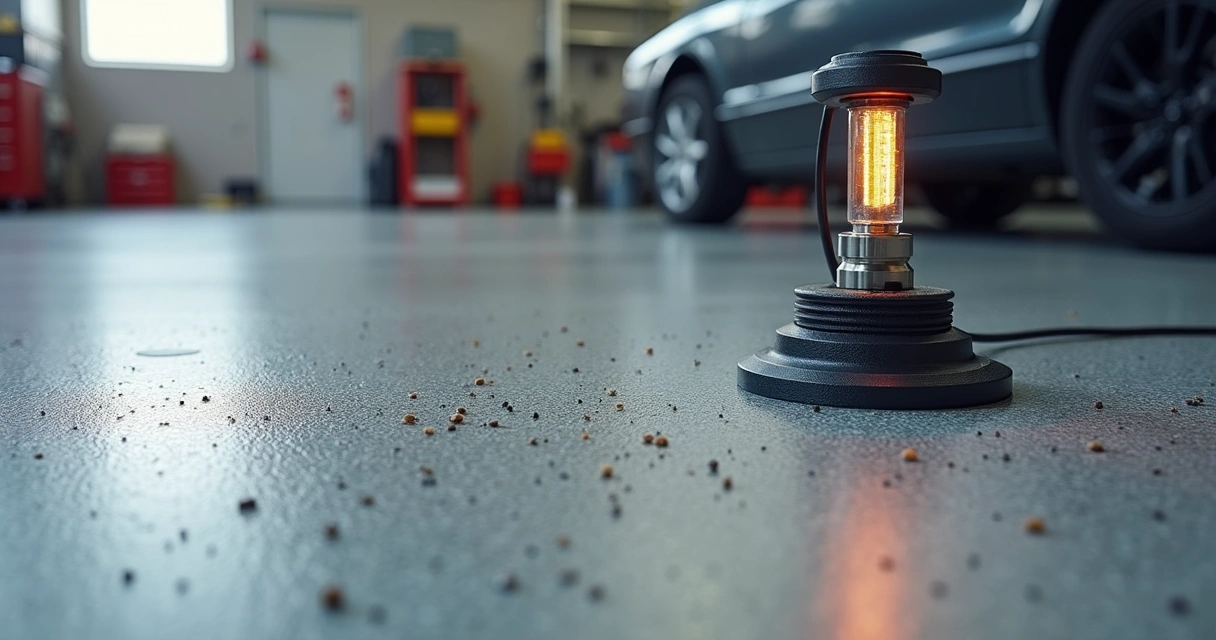
Routine cleaning: your first line of defense against slips
Here in Central Florida, sand, pollen, and even salt from nearby coastlines can work their way onto floors. Garages and shops see everything from muddy tires to spilled oil. Regular cleaning isn’t only about appearances—it’s the first step to preserving traction.
Dust, sand, and film on an epoxy or polyaspartic floor reduce real-world slip resistance by creating a layer between your foot and the texture below.
- Daily or weekly sweeping: Use a microfiber dust mop or soft-bristle broom to keep grit from building up in texture grooves.
- Wet cleaning: Periodically mop with warm water and a neutral-pH cleaner. Avoid cleaners with high residue, wax, or oil—these leave films that defeat the anti-slip properties.
- Degreasing spots: Promptly de-grease any oil, tire marks, or rubber buildup with an appropriate cleaner. Even small spills can transform safe floors into hazards.
- Rinsing: After washing, rinse thoroughly and let the floor dry. Standing water is slippery even on textured coatings.
We also recommend occasionally inspecting for buildup in corners, drain areas, or under racks. These collection points often become slick before main walkways do.
Periodic maintenance: inspecting and restoring surface grip
Over time, any floor system’s slip resistance may decrease—in our experience, the most common causes are gradual smoothing from foot traffic, or loss of broadcast aggregate in isolated spots. High-use paths, parking turns in a garage, or entry points need special attention. Maintenance isn’t only about fixing actual damage; sometimes, you just need to refresh the anti-slip layer.
We suggest establishing an inspection routine, at least semi-annually, for public or high-traffic settings. Homeowners can check main walkways every six months, especially before the rainy season. Look for these signs:
- Shiny worn patches where texture is less visible or feels smoother under foot
- Embedded dirt in pores, which indicates a deep clean may be required
- Discoloration, bubbling, or peeling—these call for professional attention
- Unexpected slipperiness after mopping or a spill
If you notice even slight smoothness, it’s worth addressing. Restoring traction is far easier (and cheaper) than fixing a fall-related injury or replacing a failed coating.
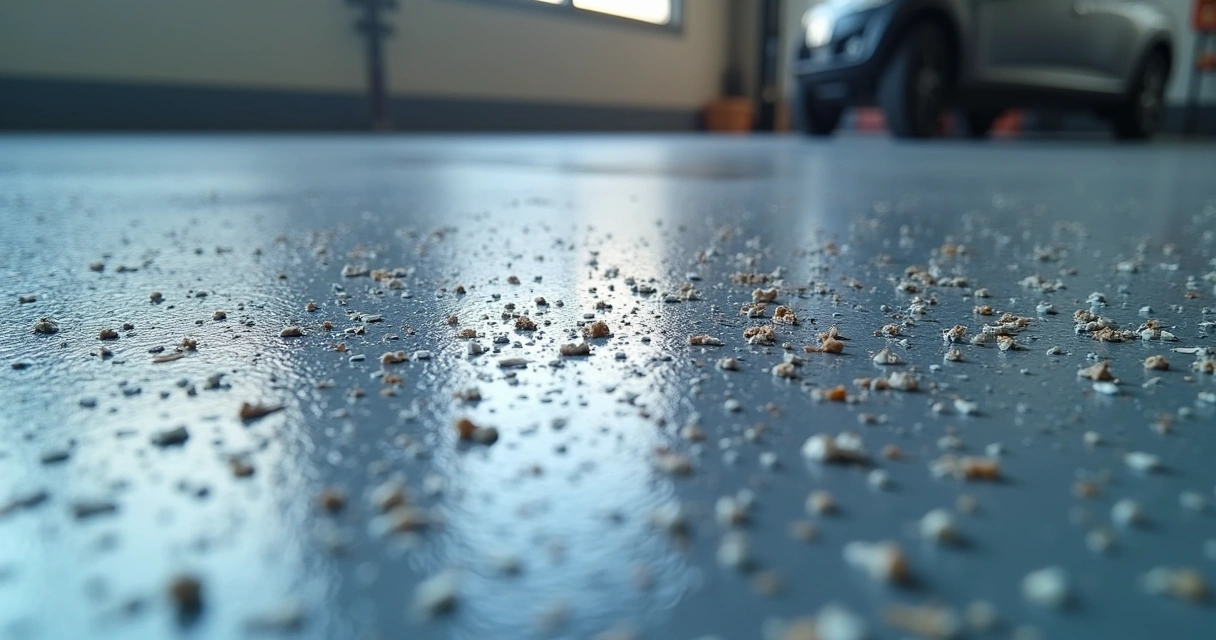
Choosing and maintaining anti-slip additives
During initial installation, most professional coatings include a slip-resistant additive broadcast into the surface or mixed in the final coat. The most common options we work with at GCM Best Services include:
- Vinyl/polymer flakes: Add color and subtle grip, best for light-duty garages or living spaces. Not as aggressive as quartz or sand, but easy to clean and flexible for color matching.
- Quartz granules: Colored silica sand offering excellent slip resistance, ideal for commercial and high-wet zones like pool decks or public walkways. The broadcast can be “full” (completely covering the base layer) for maximum texture or “partial” to moderate grip and simplify cleaning.
- Aluminum oxide grit: One of the toughest, most slip-resistant additives, used where maximum traction is mandatory. Slightly harder to mop, but needed in ramps or outdoor areas.
- Clear microbeads: For residential interiors or shops, these offer invisible traction with less impact on gloss.
The condition and distribution of these materials are what matters most. After years of use, areas with more traffic may lose their embedded texture, which in turn reduces safety. We recommend evaluating slip zones and recoating with a fresh layer of anti-slip additive as needed. We have recoated floors in Orlando offices, restaurants, and even medical clinics, always tailoring the grip to each client’s needs.
Tips for maintaining additive performance
- Do not sand, buff, or “polish” epoxy or polyaspartic floors. Doing so flattens the micro-texture and can ruin anti-slip additives.
- Machine scrubbing should be done with soft pads and light pressure only.
- Spot patch any obviously worn spots promptly. Do not wait for the entire floor to get slippery.
- During any topcoat refresh, always rebroadcast anti-slip material or mix it into the sealer.
Our experience shows that routine patch recoats—focused just where texture is worn—can extend the life of slip resistance for many years between full floor upgrades.
When to reapply, retexture, or recoat your floor
Sometimes, cleaning and spot fixes aren’t enough. Reapplying a slip-resistant coat is the right move when:
- Extensive areas have become slick or glossy
- Patch repairs are no longer blending well
- New requirements call for higher grip (for example, elderly residents, ADA access, new business operations)
- Previous coatings are showing early failure or peeling
When we recoat for our clients in Central Florida, we typically:
- Thoroughly clean the floor and allow to dry
- Lightly sand or abrade to ensure new coating adhesion
- Apply a fresh layer of high-bond epoxy or polyaspartic resin
- Broadcast new anti-slip media—quartz, fine sand, or grit—suited to the location and needs
- Optionally, seal with a clear topcoat that won’t hide the texture
This process can restore appearance, prolong floor life, and make the space safe again. For spaces exposed to weather or pool water, use only slip-resistant materials suited to wet environments. Studies like the systematic review of shock-absorbing flooring and injury risk also support the case for considering multiple layers of fall-prevention—including both slip resistance and overall space planning.
Special tips for Central Florida environments
Epoxy and polyaspartic flooring in Orlando and surrounding areas faces some unique challenges: high humidity, rain, sandy soils, and exposure to outdoor debris. The slips we see most often are driven by a sudden rainstorm, bare feet near a pool, or tire marks after a long drive.
For outdoor and poolside use, always specify a deep, textured quartz or sand finish.
Some other key lessons from our work at GCM Best Services:
- Plan for outdoor drainage and avoid ponding. Water that sits on a patio or drive lessens any texture’s value.
- Inspect paver borders and drains to see if they are moving sand onto coated floors. Integrating hardscapes and drainage with epoxy and polyaspartic coatings preserves safety as a system, not just a surface.
- Request night crews for retail or business locations. Fast returns to service matter, but ample drying time ensures new anti-slip coats are both effective and durable.
If you’re curious about preventing hairline cracks, settling, or how base preparation affects future slip resistance, our in-depth guide on Florida concrete installation and care is a valuable read.
Common mistakes to avoid with slip resistance
Even well‐meaning property owners sometimes make decisions that undermine safety. Here are the errors we see—and how to prevent them:
- Waxing or sealing over texture: Many “shiny” sealers or waxes fill in texture, making floors more hazardous.
- Smooth recoats: Some DIY kits skip the anti-slip step to save time, but this almost always leads to more risk down the line.
- Improper cleaning: Avoid oil-based sweep products, strong acid/alkaline cleaners, or polishers—these leave films or wear out the anti-slip layer.
- Assuming grip lasts forever: All slip-resistant finishes wear out with use. Testing and visual checks are part of floor maintenance, not just an extra.
Our project managers will always advise you if we see a risk factor during your routine maintenance visit or new installation. When in doubt, check it out—unsafe floors can escalate quickly.
The GCM Best Services process: long-term slip resistance in every step
Our standard installation process for epoxy and polyaspartic coatings always includes:
- Moisture testing and subfloor prep, for a bond that lasts
- Grinding/abrading to remove weak spots and accept new coatings
- High-quality resins suited to Florida’s humidity
- Selection and application of a custom anti-slip additive, broadcasted or mixed, matched to your unique activity and location
- Expert topcoating (polyaspartic, UV-stable, or high-build options available)
- Clear warranty and maintenance instructions, so you always know how to keep your grip
Our service covers garages, retail stores, showrooms, driveway approaches, and every commercial setting—always meeting or exceeding local codes regarding safety and accessibility.
For specialized settings, including public walkways and ADA compliance, we work with designers and property managers to document real-world COF results, and schedule maintenance plans to keep your floor grippy, year after year. Visit our concrete services page to learn more about the robust systems we combine with coatings for a holistic safety solution.
If you’re comparing Orlando flooring contractors or want guidance on correct installation, read our advice for selecting a trustworthy concrete and coatings professional.
Conclusion: Built-in prevention pays off for years
Whether your floor is new or a few years old, keeping it slip resistant is a combination of good design, routine cleaning, timely inspection, and professional help when it’s time to recoat. Little actions—a quick sweep, a targeted spot repair, or a new layer of anti-slip additive—can prevent injuries, minimize downtime, protect your warranty, and give you a better experience using your space.
We believe every floor can be safe and attractive when it’s maintained well. At GCM Best Services, our clients in Orlando and throughout Central Florida trust us to install, restore, and maintain epoxy and polyaspartic coatings that balance style with year-round safety. If you’re ready to upgrade your traction or need a written slip-resistance strategy for your property, reach out for a proactive assessment. We’ll help you take every step with confidence.
Ready for a professional quote? 📞 (407) 250-1948 • 24–48h • Orlando, Tampa & area.
Frequently asked questions
What is slip resistance on epoxy floors?
Slip resistance on epoxy floors is the ability of the coated surface to provide enough friction for safe walking, even when the floor might be wet or dirty. It mainly depends on texture, additives, and ongoing cleaning. Standards recommend a coefficient of friction of 0.5 or higher for safe pedestrian traffic, and this can be measured using specialized slip meters. The right mix of surface roughness and proper maintenance preserves this safety feature over time.
How to keep epoxy floors non-slip?
The most effective ways to keep epoxy floors non-slip are to select and maintain a textured finish—through added flakes, quartz, or grit—and clean it regularly to remove dirt, dust, and spills that create slick films. Periodic inspections to check for worn, smooth, or glossy spots are also helpful. Recoating with fresh anti-slip additive or repairing targeted areas will keep traction high for years, especially in high-use or wet settings.
What are the best slip-resistant additives?
The best slip-resistant additives for epoxy and polyaspartic floors are:
- Quartz (colored silica sand), for durable, visible grip indoors and outdoors
- Aluminum oxide grit, for industrial-grade traction and ramps
- Vinyl/polymer flakes, for moderate slip resistance and decorative effect
- Clear microbeads, for situations where texture must be subtle but effective
Each additive has strengths. Quartz and aluminum oxide are strongest, but may feel rougher underfoot. Flakes and microbeads balance grip with easy cleaning.
How often should I check slip resistance?
We recommend checking slip resistance at least every six months in high-traffic, commercial, or wet environments. Homeowners might inspect main traffic paths before the rainy season and after any repainting, cleaning, or spills. If you spot smooth areas or feel less traction, it’s time for cleaning, testing, or a quick recoating to restore safety.
Is it worth recoating for better grip?
Yes, recoating an epoxy or polyaspartic floor with new slip-resistant additive is often the simplest, most cost-effective way to restore or increase grip. This process refreshes the surface texture, addresses any wear points, and improves safety. A proactive recoating may prevent injuries, meet code standards, and extend the life of your floor investment.