As we look toward 2026, the colors we choose for our home’s concrete pavers have become more than a design decision—they shape first impressions, boost curb appeal, and can even impact return on investment. At GCM Best Services, we’ve seen the power of color to transform driveways, patios, and walkways in Orlando and across Central Florida. In this guide, we’ll share what colors are trending, why these choices matter, and how you can achieve a timeless yet fresh look for your Florida home.
Color isn’t just surface deep—it’s the foundation of your home’s story.
Why paver color trends matter in Florida
Every region has its own signature style, and in Florida, our weather, light, and lifestyle play a big part in shaping trends. We know that concrete pavers aren’t just functional; they’re part of the architectural character that sets Central Florida homes apart. But why do trends shift? A few drivers:
- Climate adaptation: We have months of sunshine and downpours, so color choices often balance heat reflection, algae resistance, and fade resilience.
- Architectural trends: Shifts in home design, such as more modern or eclectic exteriors, lead to fresh color palettes.
- Return on investment: Popular colors can mean a better resale value. A Florida Realtors report highlights that stone-like finishes and trending tones are adding financial value.
- Integration with landscape: Floridians want pavers that look great with palms, live oaks, and lush gardens.
- Personal expression: Homeowners are braver with color, enjoying personal touches that reflect their style.
We’re seeing clients excited to make bolder choices while still caring about lasting appeal.
From neutral to bold: The evolution of paver color trends
In the past, Florida paver colors leaned conservative: think solid grays, beiges, and muted reds. Over time, we’ve watched color expectations evolve. Today’s market is shaped by both nostalgia and new ideas:
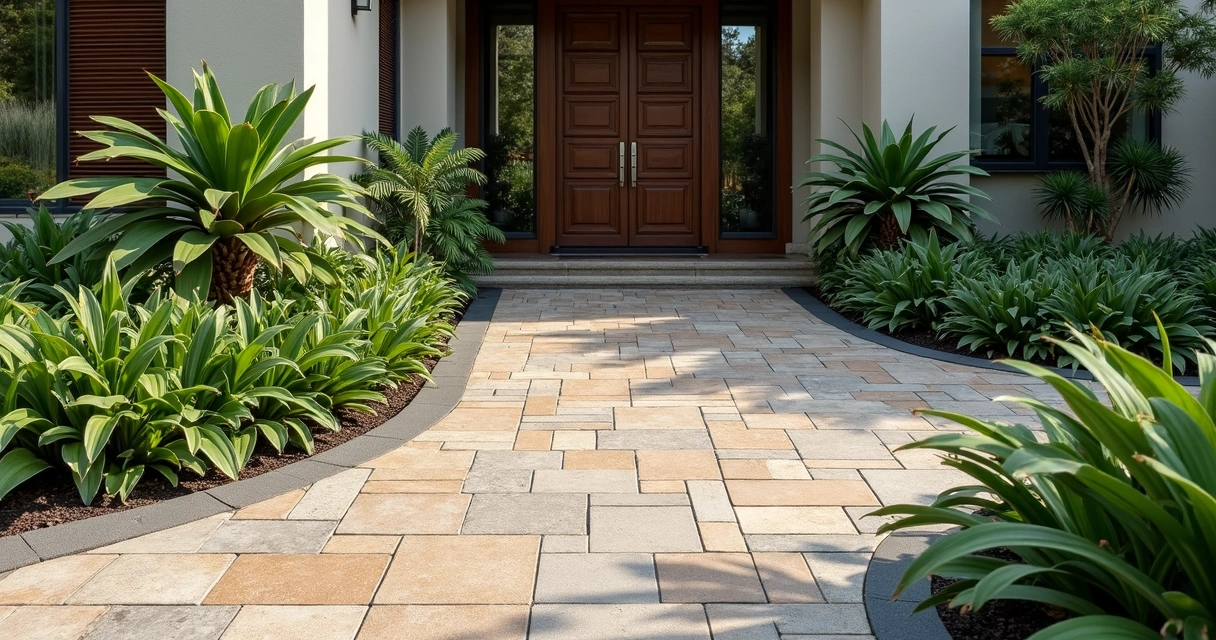
- Minimalist gray and taupe: Still popular, but now in cooler and warmer shades, offering versatility for both modern and traditional homes.
- Earthy and sunbaked: Tones inspired by Florida’s native sands and stones (think buff, sand, terracotta) are gaining ground.
- Bolder borders and contrasts: Pairing light and dark pavers, such as sand with charcoal, adds sophisticated framing and curb appeal, as seen in landscaping trends reported by The National Association of Landscape Professionals.
- Mixed finishes: Blending matte and glossy, or using exposed and stamped surface textures, brings out varied tones in the same paver.
We believe that the “safe option” is no longer a default—today, it’s about matching home style, neighborhood, and nature around you. Warm palettes, in particular, are experiencing a renaissance.
2026 forecast: The leading paver colors for Florida homes
Drawing from projects at GCM Best Services, along with research on buyer preferences and recent ROI data, we see several key trends for 2026:
Warm neutrals: Buff, beige, and cream
Homebuyers are favoring cozy, inviting tones. The trend toward warmer paver colors—like beige, sand, cream, and pale gold—reflects a move to more welcoming, down-to-earth entryways and patios. These shades offer a soft background that works with most home styles, and, as reported by Florida Realtors, gold and brass fixtures often follow. Paired together, there’s a seamless transition from hardscape to home.
- Cream and buff: Lighter colors help keep surfaces cooler under the Florida sun.
- Pale terracotta and sand: Add warmth without overpowering plantings and furniture.
- Soft gold: Subtle metallic undertones are appearing in border accents for a hint of luxury.
Stone-inspired blends: Gray, charcoal, and pewter
Stone-look pavers are more popular than ever. With advances in manufacturing, we can offer mixes that capture natural veining, layering, and tonal shifts. The ROI for manufactured stone finishes is at 153% according to Florida Realtors, so homeowners are opting for:
- Mid-gray and pewter: Timeless and subtle, pairing well with stucco, brick, or painted surfaces.
- Deep charcoal and slate: Ideal for borders and dramatic contrast, as recommended by professional landscaping groups.
- Salt-and-pepper mixes: Blended for movement and modern appeal without being too stark.
Our clients often request these for pool surrounds, walkways, or patios that should feel cool and contemporary.
Bolder statements: Reds, bronzes, and brutalist grays
Unique color expressions are rising fast. While not for everyone, the use of Mediterranean reds, deep rust, or even industrial gray is capturing attention. As noted in recent trends, there’s a 452% increase in listings featuring “brutalism”—homes embracing unfinished concrete, steel, and raw, textural looks.
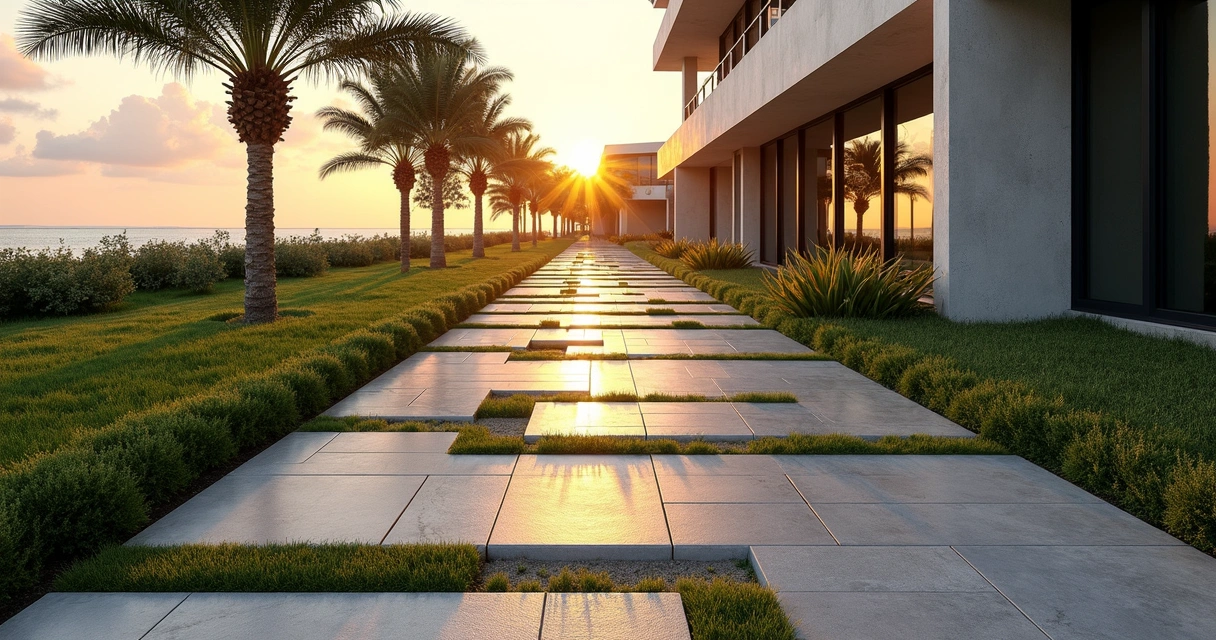
- Burnt ochre and sage green: Combine for earthy, natural patterns that stand out but still “belong.”
- Bold gray: Even classic shades feel contemporary with oversized or asymmetrical layouts.
- Industrial finishes: Exposed aggregate and rough, textured faces are popular for the “wabi-sabi” effect—beauty in imperfection.
Factors shaping color trends in Central Florida
We always remind clients at GCM Best Services that color isn’t just about personal taste. Trends are guided by practical factors in our climate and culture:
- Sunlight intensity: Lighter colors reflect heat better and can resist fading, helping outdoor spaces stay cooler and look fresh longer.
- Algae and mildew resistance: Slightly darker or variegated pavers are less likely to show stains from humidity, rain, or leaf debris.
- Consistency with architecture: Many neighborhoods have guidelines or HOA rules for paver tones and finishes—coherence is key.
- Maintenance and perception: Neutral mixes help disguise dirt, while deeply colored pavers may need more frequent cleaning to look their best.
- Material shifts: According to The Concrete Masonry & Hardscapes Association, Florida’s hardscape material preferences are shifting, impacting what’s most available and affordable on the market.
In every project, we aim for a balance: durable, stylish, easy to own.
Combining paver colors: Borders, patterns, and custom effects
One trend that continues to gain ground in Central Florida is the use of two or more paver colors together. The right combination can completely change the appearance and mood of a space. We often guide clients through these creative choices:
Borders and inlays
Design professionals, like those at The National Association of Landscape Professionals, are spotlighting high-contrast borders—such as pale sand pavers with rich charcoal frames. Borders provide crisp definition, reduce visual clutter, and help patios and walkways feel intentional and finished. We’ve also incorporated patterns like herringbone or basketweave, using a darker or complementary color for a standout effect.
Color blending and “tumbled” effects
Many of our clients are drawn to pavers manufactured with variegation—color blending inside one unit or between sets for a natural, less repeatable appearance. Soft blending works for larger patios and pool decks, making them appear seamless and organic, whereas bold shifts between light and dark add a modern punch.
Mixing textures as color
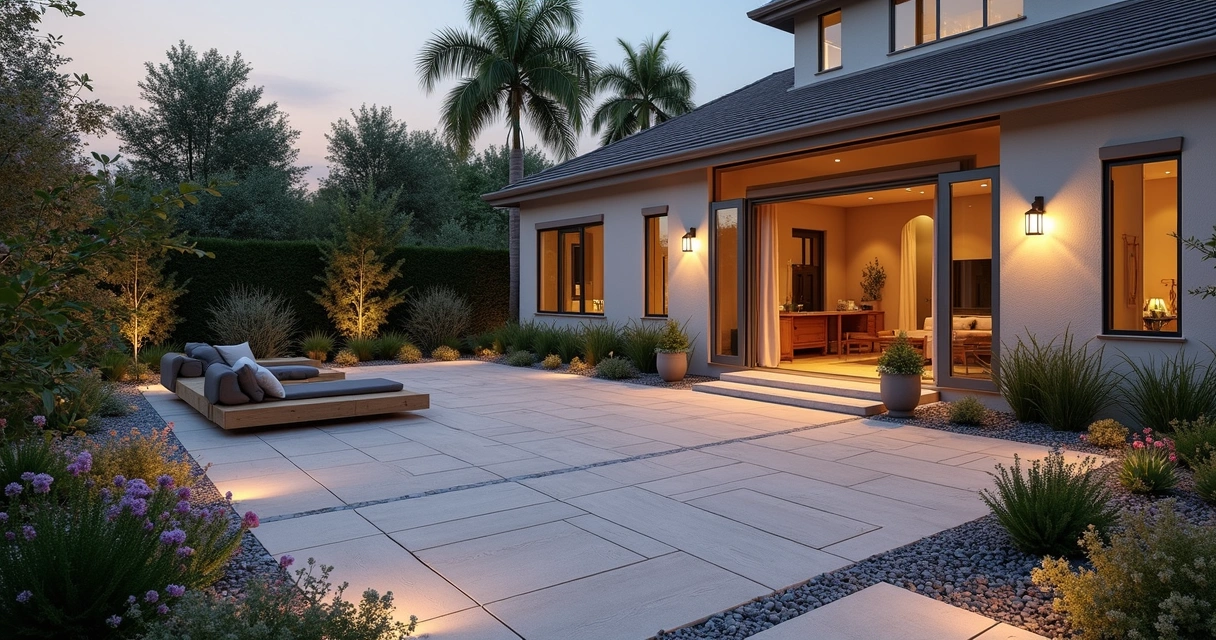
Concrete pavers are about more than just pigment. We use stamped, broom, or exposed aggregate finishes to highlight texture, which shows off different hues under changing sunlight or after a rain. This play in light is especially dramatic on larger surfaces, giving driveways and walkways their own personality while supporting the chosen color palette.
Achieving lasting beauty: Paver finishes and protection
At GCM Best Services, durability is as essential as first impressions. We help clients protect their color investment with the right sealing and maintenance. Key factors we consider:
- UV-stable colorants: Modern pavers are infused with pigments that resist fading, so deep charcoals and light creams keep their intensity even in our harsh sun.
- Professional sealing: We recommend an appropriate sealer—and may reapply every few years—to enhance color richness and protect against stains, algae, and mold.
- Proper drainage: Color lasts longer where runoff is managed, so we design patios and driveways with slope and edge restraints to avoid puddles and water damage. You can learn more about strategies to prevent cracks in Florida patios and driveways for added longevity.
- Low-maintenance joint sand: Polymeric sand in lighter or color-matched shades can enhance the look and keep weeds at bay. We address this in our article on preventing weeds between pavers.
By integrating these steps, color vibrancy can be preserved year after year, making that first impression last for the long term.
Choosing the right color for your home and neighborhood
In our experience, the “best” paver color is often found at the intersection of trend, personal taste, and timelessness. Before selecting a color, we encourage every homeowner to consider:
- Home architecture: Modern, Mediterranean, mid-century, and coastal homes can call for very different palettes. Grays and taupes suit contemporary styles, while beiges and warm browns flatter Spanish and colonial influences.
- Existing exterior features: Roof color, paint, and landscape all contribute. We suggest bringing a few paver samples to the site and seeing them in natural daylight next to these surfaces.
- Neighborhood style: Some communities have rules or norms; a harmonious choice can enhance value and neighborhood consistency.
- Resale goals: Trends evolve but avoid very quirky or extreme shades unless you plan to stay long-term. Warm, blended neutrals tend to have the broadest appeal. This is echoed in broader homebuyer preferences for 2026.
Think about who will enjoy your hardscape, now and in the future.
Paver color trends and hardscape integration
Many of our clients in Orlando and Tampa want more than just a walkway—they’re looking for outdoor rooms that unite patios, fire pits, turf, and even summer kitchens as one complete space. Coordinating paver colors with other exterior features is key. We enjoy helping with:
- Pathways that echo main patio or pool deck colors, for flow between zones.
- Built-in features (like seat walls or outdoor kitchens) that use paver tones or textures as a design “language.”
- Edging and lighting: Pavers can frame lawns or beds, with subtle integrated lighting that highlights color at night.
- Combining pavers and artificial turf, for high-drainage, low-maintenance designs where soft and hard surfaces balance each other. For inspiration, see our hardscape project portfolio.
Integrating color across features creates cohesion and “curb-to-pool” harmony, a source of pride in our region’s beautiful neighborhoods.
The installation process: What we do at GCM Best Services
Color, pattern, and finish are only as good as the quality behind them. At GCM Best Services, every project starts with a no-obligation assessment, continues through design, engineering, and installation, and finishes with a careful walkthrough and a written warranty.
Our process includes:
- Site inspection for drainage, HOA guidelines, and natural light impact on paver color.
- Sample mock-ups: Testing color blends and border choices on location.
- Managing permits and inspections to ensure code and long-term stability.
- On-time, professional execution—with photos of every stage, and options for finishes and maintenance.
- Guidance on sealing and upkeep, so your pavers maintain their color for years.
We believe a well-executed project ensures the colors you choose will delight and impress, and we invite you to browse our driveway and patio paving gallery for examples.
Are current trends right for you?
It’s easy to be swept up by new styles, but we recommend weighing these questions:
- Does this color complement my home’s paint, trim, or roof?
- Will this style age gracefully in five or ten years?
- How will it look under different lighting, or after a tropical rain?
- Does it make me feel comfortable and proud?
Our best advice: combine trend awareness with personal taste. And trust experience—it’s often the projects with careful planning and thoughtful color choice that look best, year after year.
Conclusion: Setting the tone with paver color in 2026
Concrete paver color trends for Florida in 2026 are warm, confident, and flexible. We see a bright future for blended neutrals, stone-inspired mixes, and custom contrasts—each designed to work with our homes, gardens, and lifestyles. With professional guidance from GCM Best Services, selecting and installing the right paver color is simple, rewarding, and built to last.
If you’re ready to enhance your exterior with the latest paver colors and quality installation, we invite you to experience our approach and see why so many Central Florida homeowners trust GCM Best Services. Ready for a professional quote? 📞 (407) 250-1948 • 24–48h • Orlando, Tampa & area.
Frequently asked questions
What are the top paver colors for 2026?
The top paver colors for 2026 in Florida blend warm neutrals like beige, cream, and sand with stone-look grays, pewter, and charcoal. There is also growing interest in bold reds, metallic gold accents, and raw gray tones inspired by brutalist architecture. These options are not only on-trend but have shown popularity in both homebuyer preferences and resale value. Blended and variegated finishes are also popular for their natural, multidimensional appearance.
How to choose the right paver color?
We recommend matching your paver color to your home’s exterior, including paint, roof, and landscaping. Consider natural light, neighborhood style, and any HOA guidelines. It’s a good idea to test samples on-site at different times of day to see how the color works with the existing environment. Neutral blends tend to offer longevity, but don’t be afraid to add contrast with borders or patterns for personal style.
Is it worth it to follow color trends?
Trends can add value and keep your home looking modern, especially if you plan to sell soon. However, choosing a color that fits your architecture and personal taste is also highly recommended. Trending neutrals and blended tones often retain broad appeal, while bolder choices offer more individuality but may not suit every buyer if resale is a concern.
Where to find trending paver colors?
You can find trending paver colors through local contractors like GCM Best Services, who offer on-site samples and the latest options from quality manufacturers. Visiting finished projects in your area or browsing hardscape galleries can also inspire color choices tailored to your space and region. Many suppliers update their offerings annually to match national and regional trends.
How much do colored pavers cost?
Colored pavers are typically a small premium over standard gray, ranging from $8 to $14 per square foot installed, depending on color complexity and pattern. Custom blends or premium finishes may add 10–20% to the base price. Factors like material availability, size, and installation features (like borders or drainage) can also influence overall costs, but the investment often improves visual appeal and resale value.