Concrete slab performance in Central Florida depends on materials, workmanship, and the essential but often overlooked detail: the right joint fillers. Given the state’s heat, rain, and soil movement, making a wise choice here can prevent cracks, extend lifespan, and preserve curb appeal. At GCM Best Services, we’ve seen how the wrong filler can turn a beautiful slab into a maintenance headache—and how the right one creates tangible value for years.
Concrete joint fillers for Florida slabs, concrete joint sealants Florida, best joint materials for driveways, exterior slab expansion joint filler
Audience: Florida property owners, builders, and managers looking to protect concrete slabs from climate and soil challenges.
Pain point: Preventing cracks, water infiltration, and premature repairs in exterior slabs while meeting local code and HOA guidelines.
Benefit: Long-lasting, attractive, and low-maintenance concrete slabs resistant to ponding and cracking.
In this guide, we bring you straightforward knowledge and real-world experience on exterior slab joint fillers. Our goal: help you select the right solution for Central Florida’s demands, reduce liability, and enhance appearance. Let’s break down your best options, installation steps, and the nuances unique to the Sunshine State—backed by our hands on the trowel here at GCM Best Services.
What are joint fillers and why do Florida slabs need them?
It’s easy to overlook joints—until a slab cracks, weeds push through, or water wreaks havoc underneath. Joints—whether they’re control, expansion, or construction joints—exist to allow concrete to move safely. The problem is, without proper joint filling, these very lines become weak points instead of protection.
In Florida’s climate, this has specific consequences:
- Intense afternoon thunderstorms pour water into unprotected joints, attacking the base and causing erosion.
- High humidity feeds mold and vegetation growth in open gaps, especially around pool decks and walkways.
- Sun-baked slabs expand and contract daily, opening the door for unsightly and hazardous cracks.
- Sand and silt get swept in by wind, undermining bedding and causing uneven settling.
Our experience at GCM Best Services shows that proper joint fillers do more than look neat—they create a proactive barrier against Florida’s toughest slab enemies.
Understanding Florida’s climate and how it affects joints
We’ve poured countless driveways, patios, sidewalks, and commercial floors across Orlando and Central Florida, and can say: the environment shapes everything. Just look at the data from the National Center for Asphalt Technology (Auburn University), which stresses that improper joint protection is a leading cause of reflective cracking and early slab failure in climates like ours.
Here’s what we watch for on every job:
- Temperature swings: During peak summer, surface temperatures soar—sometimes above 120°F. Even in winter, unexpected cold snaps can stress slabs through contraction.
- Heavy, quick rainfall: Without sealed joints, water infiltrates fast, especially along driveways and pool decks, soaking the sub-base and eroding support.
- Sandy and clay soils: These expand and contract beneath slabs, pressing against slab edges and amplifying the impact of slab movement.
- UV exposure: Many ordinary fillers can break down, fade, or shrink after consistent sun exposure.
All these add up to a simple fact:
Florida slabs need joint fillers that provide movement, moisture protection, and sunlight resistance.
Types of joints to fill in exterior Florida slabs
Not every joint is the same. Each type has its purpose—and its unique filling requirements.
Control (contraction) joints
These are the most common, usually scored or saw-cut every 8 to 12 feet in driveways and patios. Their job is to direct shrinkage cracks into neat, intentional lines. For these, flexibility and adhesion count most.
Expansion (isolation) joints
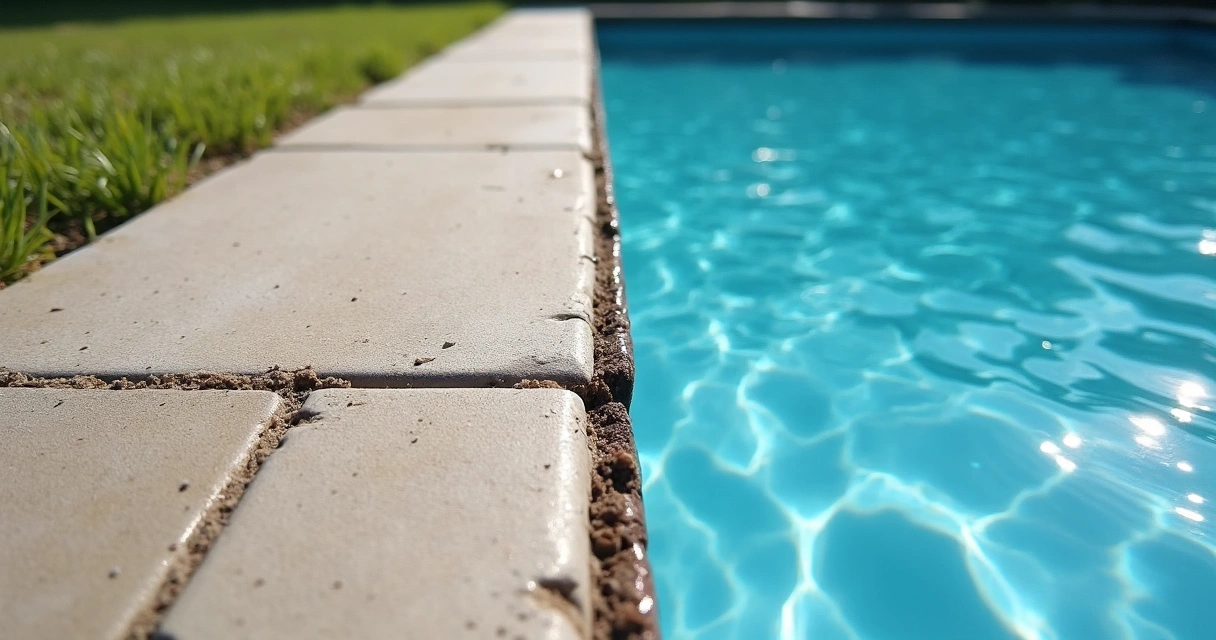
You’ll see these against foundations, around pools, or wherever slabs meet other structures. Designed for big movements from heat or soil pressure, these joints need fillers that compress and rebound—never harden and fail.
Construction joints
Created where two separate pours meet, these are a common sight on large patios or commercial walks. Filler here bridges new and old concrete, supporting bond and preventing water seepage.
Think through what joints your project has—because the best filler choice sometimes changes with joint type.
Common joint filler materials for Florida slabs
Over the past two decades, we’ve tested nearly every concrete joint filler available. Here’s what stands out for Central Florida’s tough outdoor conditions:
Polyurethane sealants
Flexible, paintable, and available in pourable or caulk styles. They bond well to both wet and dry surfaces, resist UV, and remain elastic. Perfect for sidewalks and driveways with moderate movement.
Silicone-based sealants
Ultimate flexibility—these stretch and rebound far beyond their original width and boast excellent UV and water resistance. We use these most around pool decks, where water and sun are relentless.
Epoxy joint fillers
Rigid, chemical-resistant, and extremely durable, epoxies are popular in garages and warehouses. Outdoors, their low movement tolerance makes them best for tight construction joints, not expansion joints.
Preformed (compressible) foam fillers
Commonly made from polyethylene or neoprene, these strips fit into wide expansion joints before being sealed over. They compress as slabs move, limiting stress on both concrete and sealant.
Hot-applied bituminous fillers
Still used in heavy-duty commercial settings, these require special equipment. They deliver robust moisture resistance but can be messy—and excessive heat can cause leakage in Florida summers. That’s why we hardly use them for residential work.
Flexible PVC waterstops
Installed during pouring, these stay flexible and are designed for joints that get frequent standing water, such as pool decks and certain patios.
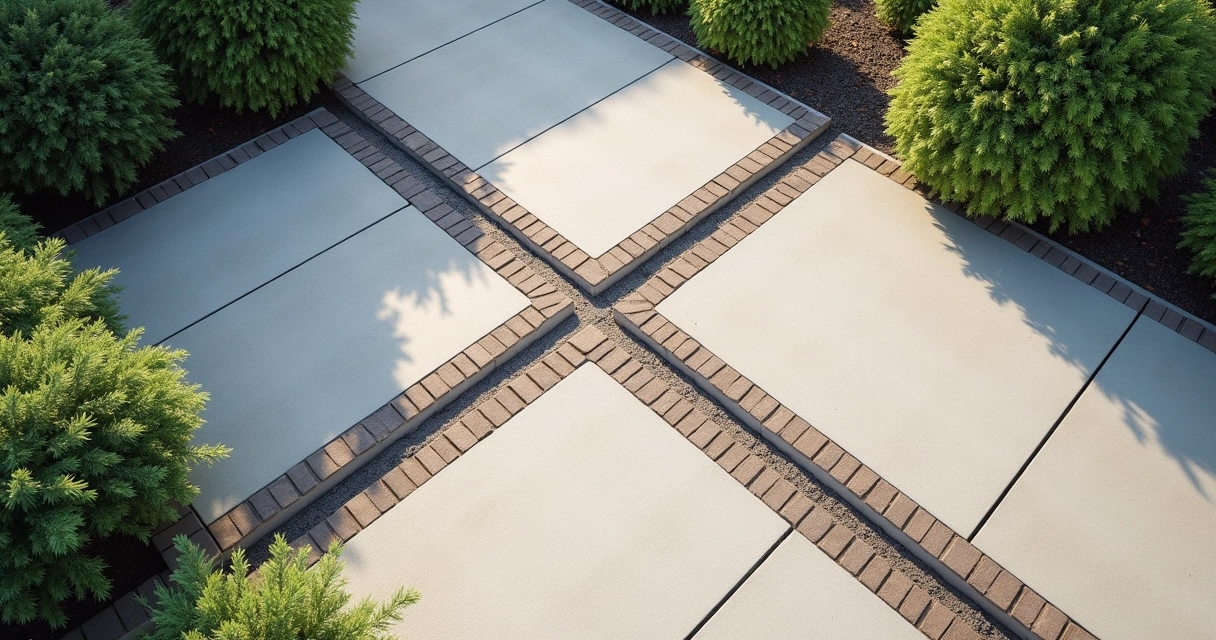
Key criteria for selecting joint fillers in Florida
Not every driveway, sidewalk, or pool deck faces the same pressures. We ask ourselves these questions before making any recommendation:
- Movement tolerance: How much will this joint expand and contract? Bigger movements (against a house or pool) require foam inserts and flexible sealants, while control joints may work fine with self-leveling polyurethane.
- UV and weather resistance: Is this slab in full sun all year? Choose fillers rated for UV resilience and temperature swings.
- Chemical exposure: Does the area see de-icers (on vehicle drives) or pool chemicals (near water)? In that case, select chemical- and algae-resistant fillers.
- Traffic type: For heavy vehicles or carts, fillers must withstand compression without being displaced or degraded.
- Appearance: Sometimes, matching the color, finish, and sheen of your slab is as important as durability—especially on front walks or decorative patios.
- Compliance: HOA or city guidelines may dictate joint material, especially in certain communities.
Sometimes, it’s a combination—such as a joint on a sunny driveway that butts up to a chemical-treated lawn. It’s why we always weigh the entire environment before acting.
Installation steps and best practices for lasting joints
The proper product only performs if installed right. At GCM Best Services, our crews use the following sequence—backed by inspection photos, warranties, and decades of fixes on failed DIY jobs:
- Clean and prep: We always clear sand, loose debris, and vegetation from the joint. Sometimes, we use grinders for an even base.
- Drying: Even quick-setting fillers need a dry substrate. We schedule our projects after a drying stretch in the weather forecast.
- Backer rod (if necessary): In wide or deep joints, a foam backer rod controls filler depth and shape, boosting flexibility and reducing waste.
- Apply primer/sealant: Some sealants require a bonding primer, especially on older slabs. We apply as needed, smoothing for a watertight finish.
- Tooling: We finish the surface with a rounded or flat edge that matches the surrounding slab, ensuring water sheds away and there are no trip hazards.
- Cleanup and inspection: All surfaces adjacent to the joint are cleaned immediately—no haze or sticky residue left behind—before we photograph the job for warranty documentation.
This process aligns with the best practices advocated in studies by organizations like the National Center for Asphalt Technology and helps us avoid many slab issues covered in our guide to preventing cracks in Florida concrete patios and driveways.
How the right joint filler extends slab life
The right joint filler acts as the first line of defense against water damage, weeds, and shifting in Florida slabs. Here’s what we’ve observed in our warranty visits several years after installation:
- Sealed joints remain clean and intact, discouraging weeds and eliminating frequent joint cleaning.
- No standing water or base erosion along sealed expansion joints, even after hurricane season downpours.
- Crack development controlled—cracks (if any) appear within control joints, never random or along slab edges.
- Color-matched fillers blend with broom or stamped finishes, keeping curb appeal high and maintenance minimal.
When we inspect failed slabs—often as part of our concrete repair services—we almost always spot missing, decayed, or inappropriately chosen joint fillers as the leading cause.
Comparing cost, lifespan, and maintenance
If you’re budgeting a new driveway or patio renovation, you might be tempted to skip or save on joint fillers. In Florida, this choice can cost more in the long run. A quick comparison:
- Polyurethane and silicone sealants: Generally last 5–10 years with yearly inspection, require minimal cleaning, and about $1–$3 per linear foot installed for residential jobs.
- Preformed foam strips: Roughly $1–$2 per linear foot, last up to 15+ years with routine checks, and rarely need replacement unless physically damaged.
- Epoxy or specialty fillers: $2–$5 per linear foot, best for commercial or chemical-exposed settings, often included with heavy-duty slab installations.
The real expense is in not sealing: Open joints can invite pests, undermine slabs, and prompt full-surface repairs—our concrete services have seen the “savings” on skipped joint sealant vanish in months.
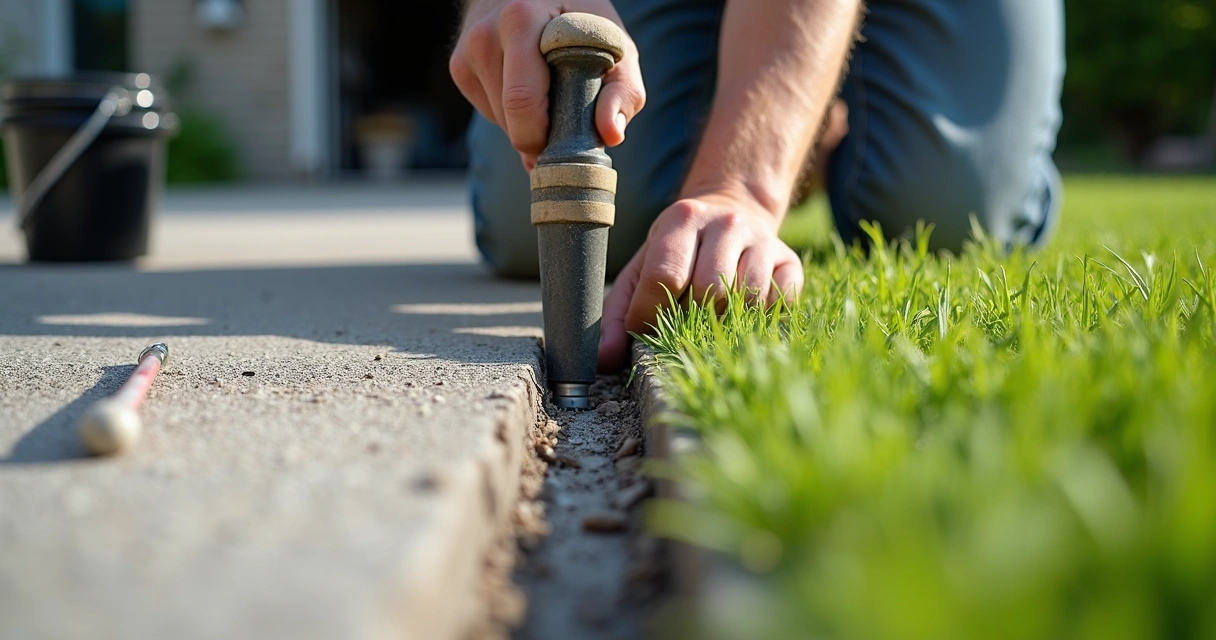
Color coordination and finishes for Florida curb appeal
We see more property owners now opting for exposed aggregate or stamped finishes. Standard gray joint fillers sometimes stick out. At GCM Best Services, we source and apply color-matched or sanded joint fillers on request for enhanced appearance.
Top tips we recommend:
- Always test a sample of filler on a small part first—color can shift slightly after curing, especially with UV exposure.
- Consider ultra-low gloss sealants to avoid shiny lines across a matte-finished decorative slab.
- For paver borders or integrated artificial turf, select a filler that coordinates with both the hardscape and the adjacent green areas (learn about our hardscape solutions).
Special considerations: drainage, inspection, and code compliance
A beautiful joint is only half the story if it impedes drainage or fails inspection. We always review playbook items such as:
- Slab drainage slope: Joints shouldn’t pond water. We assess and correct slopes, and design drainage that won’t overwhelm sealants.
- HOA regulations: Some associations require specific colors, joint shapes, or documentation—especially around driveways and community pool decks.
- City inspections: Most municipalities mandate that materials are listed and meet ASTM (American Society for Testing and Materials) standards—for example, ASTM C920 for elastomeric sealants.
- Scheduled resealing: Our maintenance guides always include timing for resealing, usually every 5 years, because in Florida, UV and driving rains test every product to its limit.
If you want more on municipal and HOA coordination, our driveway and patio paving service page covers local permitting in detail.
When and why to get professional help
We respect DIYers—many of our clients start with a repair kit and realize the scale of the job at hand. Here’s when it’s time to call in professional help, based on our decades of local experience:
- Joints are wide, deep, or irregular, making correct filler selection a puzzle.
- Previous fillers have failed, leaving stains, sticky residue, or structural gaps.
- There’s visible movement between slabs, or signs of water infiltration and base erosion.
- You need written documentation for HOA or warranty purposes.
- Accessibility requirements or slip resistance matter, such as at business entrances.
Our process at GCM Best Services starts with an on-site inspection. We offer design ideas, code-compliant material choices, and a clear plan for execution—backed by photos, open communication, and a written warranty. Poor joints can cost thousands; the right approach is always a conversation worth having with an expert.
Our process: GCM Best Services
We’ve refined our system to minimize disruption, maximize lifespan, and do it in writing—every time:
- Assessment: Free, on-site, and HOA/inspection friendly.
- Estimate & design: Clarity on costs, timelines, and compatible finishes.
- Permitting/approvals: We handle the documentation with your city/HOA, aligned with Florida code.
- Scheduling & execution: Slabs are safely prepped and sealed, with photo updates and OSHA-safe work zones.
- Final walkthrough: We won’t leave until it’s right. Walk it, test it, and get your written warranty plus maintenance guide.
This process is why so many local property owners return to us for new slabs and maintenance alike. It gives peace of mind—in writing and in practice.
Conclusion: Your next step to lasting Florida slabs
Joint fillers are the silent protectors of every slab, patio, driveway, and pool deck, especially in Central Florida. When you choose the right material—for the right joint, with attention to climate, traffic, and appearance—you boost your slab’s lifespan and beauty by years.
At GCM Best Services, we help you make the right choice with real-world advice and skilled installation. Start with a free on-site review—see how the right joint treatment can save time, money, and hassle. Get your warranty in writing and your slab ready for whatever Florida throws at it next.
Ready for a professional quote? 📞 (407) 250-1948 • 24–48h • Orlando, Tampa & area.
Frequently asked questions
What is a joint filler for slabs?
A joint filler for slabs is a material used to fill and seal the gaps (joints) in concrete surfaces to control movement, prevent water infiltration, stop weed growth, and protect against cracking. These fillers can be flexible (like polyurethane or silicone), semi-rigid (like epoxy), or preformed foam. Filling these joints means concrete can expand and contract safely, which helps extend the lifespan and performance of the slab—especially in variable climates such as Florida’s.
How to choose joint fillers in Florida?
We recommend considering several factors unique to Florida: movement tolerance (for expansion in heat or contraction in cooler weather), UV and water resistance (to handle sun and storms), chemical exposure (like pool chemicals), the type of joint, and traffic loads. Match filler type—flexible for expansion joints, semi-rigid or rigid for tight construction joints, and always choose products rated for outdoor use and compatible with Florida’s climate. Consulting with a local contractor can help ensure code compliance and long-term performance.
What are the best joint fillers brands?
There are several reputable manufacturers whose joint fillers meet Florida’s climate and code requirements. At GCM Best Services, we focus on products that are ASTM-rated for exterior use, show proven resistance to sun and moisture, bond well with Florida’s 3,000–4,000 PSI mixes, and are compatible with a wide range of slab and hardscape styles. Product selection should be tailored to your specific slab conditions and environment to ensure results that last.
How much do joint fillers cost?
Installed joint filler costs approximately $1–$3 per linear foot for most residential applications in Florida. This depends on the type of filler (polyurethane, silicone, foam, or epoxy), the joint width and depth, and whether specialty colors or extra surface preparation is needed. Larger jobs (like commercial driveways or wide expansion joints) may cost more per foot, and do-it-yourself material kits can be less expensive but often have shorter lifespans.
Where to buy joint fillers in Florida?
Joint fillers specifically rated for exterior slab use are available from local construction materials suppliers, hardware stores, and through specialty contractors. We at GCM Best Services source our fillers directly from distributors who understand Florida’s climate challenges, ensuring consistent supply and the right specifications. For lasting results and warranty coverage, we recommend partnering with a professional or verified supplier who matches product to project needs instead of relying solely on retail options.