Primary keyword: automatic irrigation for artificial turf lawns
Variants: automatic sprinkler systems for turf, artificial grass irrigation, turf irrigation systems
Audience: Homeowners, property managers, and business owners in Central Florida seeking to improve maintenance and performance of artificial turf using water-efficient irrigation solutions.
Pain: Difficulty maintaining cleanliness, odor control, and cooling of artificial turf due to lack of automated washing and irrigation.
Benefit: Consistently clean, cool, and fresh lawns, with reduced manual maintenance and better longevity for artificial turf installations.
Summary: Automatic irrigation for artificial turf lawns is an emerging practice, especially in climates like Central Florida’s where managing debris, pet waste, and surface temperature are concerns. We will discuss the range of irrigation solutions, why some irrigation is beneficial for synthetic turf, types of systems, design tips, and smart watering technologies. We integrate these insights with our methods at GCM Best Services, aiming for reliable, low-maintenance landscapes that look great year-round, and conserve water.
- Why irrigate artificial turf?
- Core types of automatic irrigation for synthetic lawns
- Irrigation design strategies for Central Florida
- Rain sensors, soil moisture meters, and smart controls
- Research and water savings
- Cost, installation, and return on investment
- Professional process: How GCM Best Services manages artificial turf irrigation
- Internal and external resources
- Conclusion/CTA
- FAQ: Automatic irrigation systems for artificial turf lawns
Why use automatic irrigation for artificial turf?
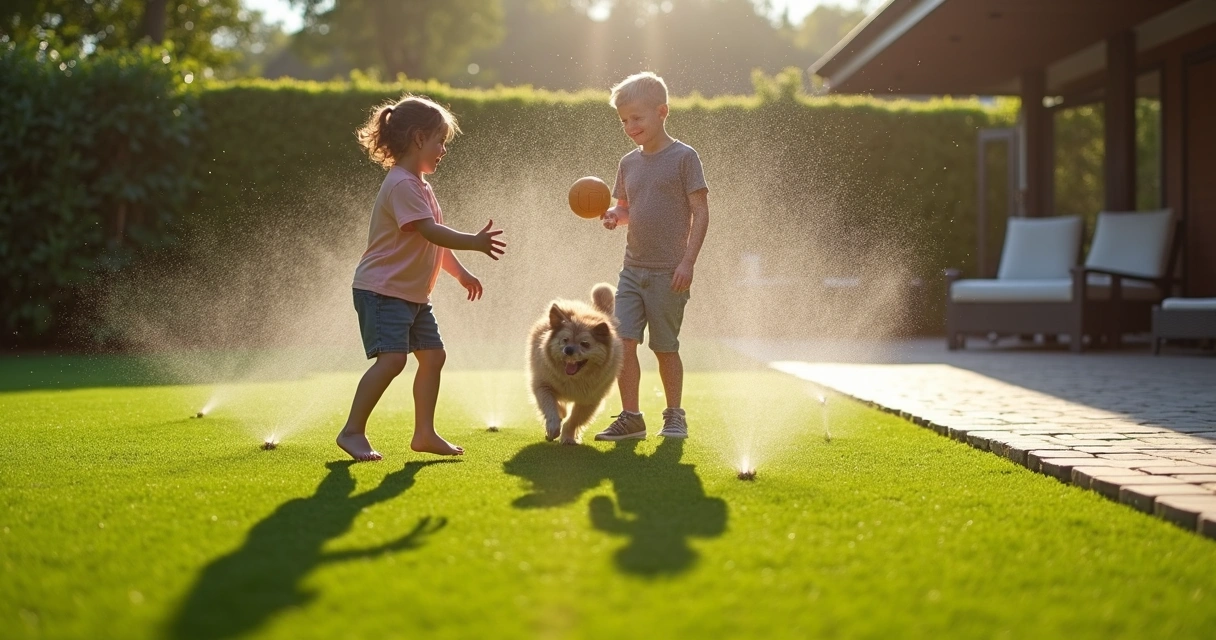
At first glance, it might seem unnecessary to water artificial grass. Synthetic turf doesn’t need hydration like natural grass, but it benefits from occasional rinsing to remove dust, pollen, pet residues, and to minimize heat buildup from Central Florida’s strong sun. An automatic irrigation system can automate these tasks, keeping turf safe, clean, and pleasant year-round with little manual work, especially important for homes with children, pets, or those seeking the neatest look for outdoor spaces.
Here are places and purposes for irrigating artificial lawns:
- Cooling the surface during hot weather, preventing melted turf fibers and burns on bare skin or pet paws;
- Flushing away pet odors and residues, helping decomposition and hygiene;
- Washing dust, pollen, and organic debris to prevent buildup;
- Maintaining a fresh look for events or high-traffic spaces (family BBQ, outdoor play, retail, etc.);
- Supporting surrounding plants if natural beds or trees are integrated with turf and share the irrigation system.
We’ve experienced many clients at GCM Best Services who find their artificial turf looks and feels better, and lasts longer, with a periodic washdown, done by either manual hose or a properly designed automatic irrigation zone. It’s a small addition that adds tangible value, especially in the Central Florida climate.
What are the main irrigation system options for artificial turf?
Let’s look at the main types of irrigation systems that can be adapted or custom-designed for artificial grass. Each has its advantages, depending on the lawn’s use and size:
1. Spray irrigation (pop-up or fixed nozzle)
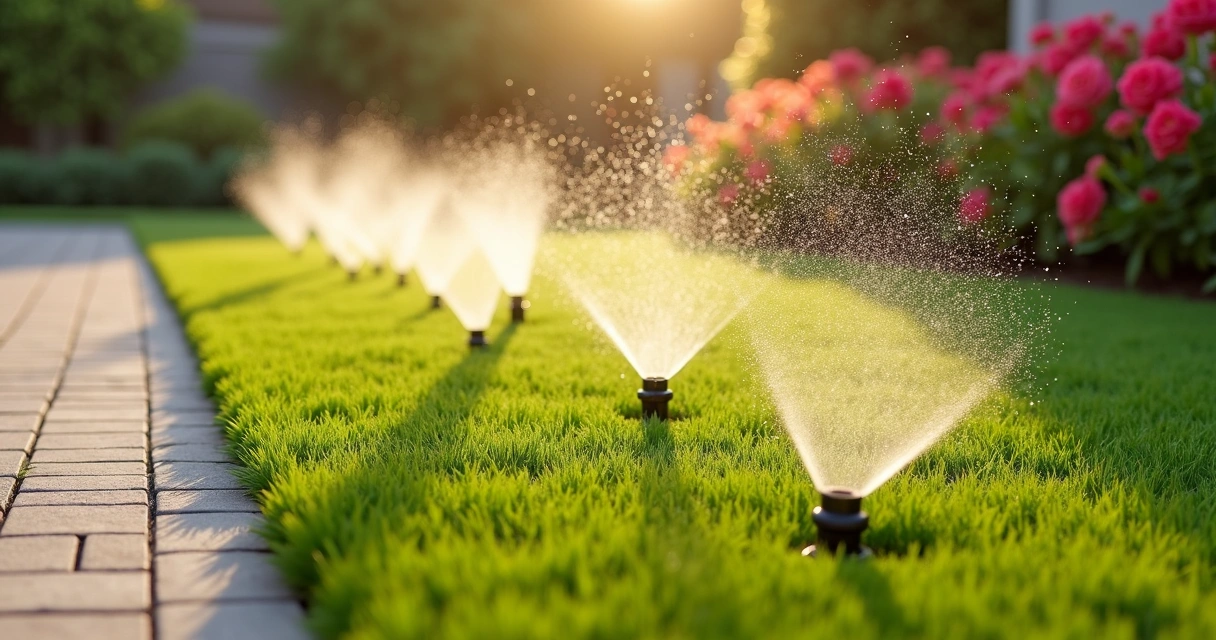
This is the most familiar type of automatic irrigation. Pop-up sprinkler heads, flush with the perimeter or edges, spray water over the turf surface on a set schedule. They’re easy to install, zone, and automate, especially if converting an old lawn. Spray systems allow broad rinsing coverage and can help cool surfaces fast, but they need careful alignment to avoid overspray, water waste, or damaging joints.
2. Subsurface drip irrigation
Subsurface drip lines run just below or around the turf, delivering water at low pressure throughout the base layer. While more common with soil and plant beds, drip systems can be used to target border plants, paver-turf edges, or shared transition areas. However, drip often isn’t the best for cleaning or cooling the turf’s top surface itself; they’re better as a supplement for multi-material spaces.
3. Misting systems
Dedicated mist lines, using low-flow nozzles mounted along fences or structures, are sometimes used for cooling or fast debris washing. These can run briefly and evaporate quickly, cutting surface heat on playgrounds or rooftop lawns while using far less water than full sprinklers.
4. Integrated hybrid systems
Some installations combine drip for adjacent plants and spray or mist for the synthetic turf. Coordinating both with a smart controller is practical in Central Florida, where tropical landscaping, pavers, and turf often share space.
Design strategies for Central Florida artificial lawns
Designing an automatic irrigation solution means more than just picking heads and pipes. In Central Florida’s climate, we tailor every irrigation system for artificial turf to match the unique needs of each property. Here’s what we look for at GCM Best Services:
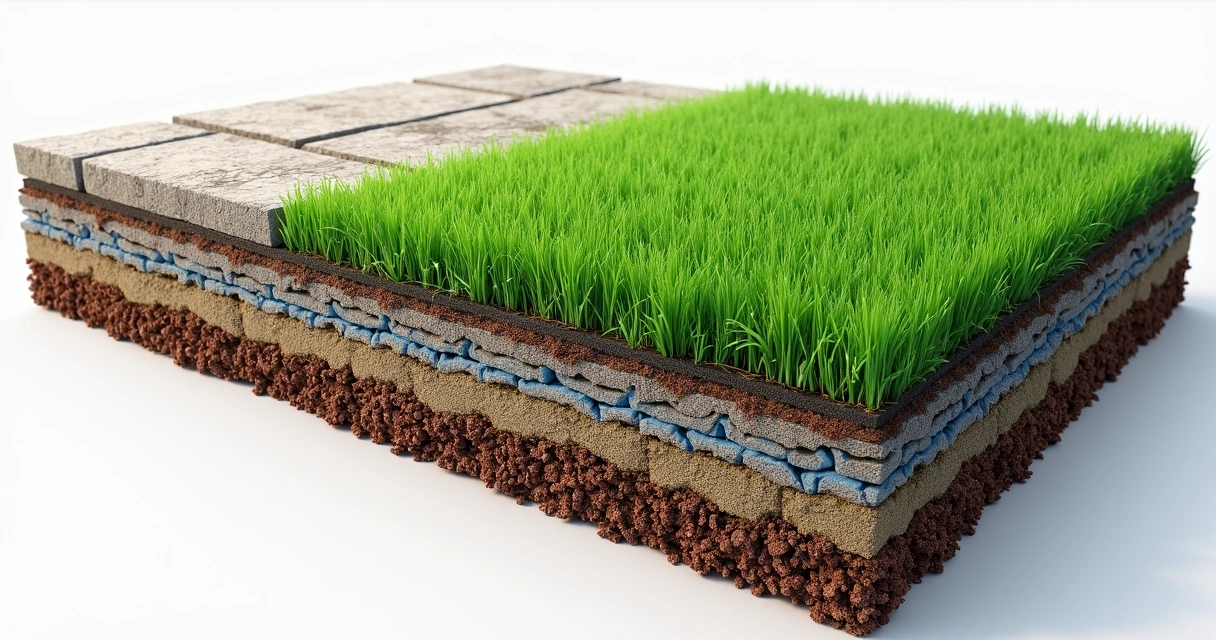
- Proper drainage: Artificial turf must drain well. We use permeable sub-base and integrate system drainage so water never pools or causes mold/mildew beneath the turf, especially after heavy irrigation cycles.
- Zone control: We isolate turf wash zones from plant or grass zones. That way, turf areas can be rinsed as needed without overwatering real beds.
- No overspray: Careful nozzle placement avoids spraying windows, walkways, or structures, a common issue on small urban lots.
- Schedule flexibility: We often set up “rinse only” programs, allowing a gentle wash once or twice a week (or after heavy pollen or pet use), instead of daily lawn watering.According to University of Nebraska-Lincoln studies, excessive irrigation “set and forget” schedules waste water, so we plan for smarter manual or sensor-driven operation.
- Plant health: When live beds, pavers, or tree rings meet turf, we recommend separate zones or dual irrigation to meet the different requirements.
Smart irrigation technologies
Water conservation is a top priority for us, as Central Florida faces periods of drought, water restrictions, and rising utility costs. Modern automatic irrigation for artificial turf should combine simplicity with smart technology to avoid waste and keep landscapes healthy and fresh. Here are some features we highlight:
Rain sensors
Florida’s afternoon thunderstorms provide nature’s irrigation, repeating sprinkler cycles during or just after rainfall only wastes water. Studies from the University of Florida have shown that a simple rain sensor can avert more than 13,500 gallons wasted per event, and even a basic sensor saves owners real money over time.
Soil moisture sensors
While not strictly required for turf (since there is no live root zone), soil moisture monitors are a breakthrough for blended hardscape and landscape projects. Research from the University of Florida has shown these monitors can cut irrigation use by half or more, especially if you have mixed real and artificial turf.
Weather-based controllers and smart apps
Smart irrigation controllers adjust watering schedules based on real-time weather forecasts or sensor data. The Smartirrigation Turf app from the University of Florida brings this capability to Florida users, it tracks seasonal rainfall, temperature, and wind, helping owners limit runoff, reduce unnecessary irrigation, and lower bills. We regularly recommend app-integrated controllers for our customers who want hands-off efficiency and precise control.
“Water only when needed, and let the turf surface dry in between.”
That guidance, from turfgrass experts, is just as true for rinsing and cooling artificial grass as it is for keeping living lawn lush.
Case insights from research
Smart irrigation gains are confirmed by university data and our own project experience. The California Institute for Water Resources found that sensors, combined with remote data, let owners fine-tune their irrigation, keeping lawns usable and good-looking with much less water.
For artificial turf, we’ve found this means you can schedule a quick 5–10 minute mist wash just when needed (at dawn or dusk for cooling, or after a party or heavy pollen drop for cleanliness), with the rest of the week left dry. The result: less mess, odor, and heat, plus measurable savings.
Planning and installing irrigation for turf, process, cost, and ROI
At GCM Best Services, we’ve helped hundreds of clients in Orlando and Central Florida add irrigation to new and existing turf. The common questions are: What’s the process? How much will this actually cost? And does it pay off?
Our project process for automatic turf irrigation
- On-site evaluation: We visit, document the space, assess drainage, and map out existing water lines or nearby irrigation zones.
- Custom design and estimate: Based on turf area, intended use (pets/play/events), and nearby beds, we plan the right number of heads/zones, smart controls, and drainage supports.
- Scheduling and permits: We handle local permitting (if required), HOA approvals, and set an installation schedule that works for your family or business hours.
- Installation: Our insured teams work safely to install irrigation lines, adjust heads, add sensors/controls, and ensure clean transitions at all edges.
- Testing and walkthrough: Every irrigation system is pressure-tested, scheduled, and adjusted for optimal spray. We show you how to use controls and set cleaning/cooling cycles.
- Warranty and support: GCM Best Services offers written warranty coverage and a maintenance guide after every project. We’re local and ready to help, year after year.
Typical costs and long-term savings
Installations vary by lawn size, complexity, and technology, but the investment pays off over time through:
- Less manual rinsing/cooling labor
- Consistent, reliable cleaning, even when you’re away
- Lower pet odor and allergy issues
- Fewer turf repairs or replacements, helping your investment last longer
- Big water savings with smart sensors versus old-school sprinklers, as proven by university research
Return on investment also shows up in everyday comfort. For families with pets, active kids, or frequent outdoor entertaining, a fresh, cool artificial lawn can be a real improvement.
Key integration: Hardscaping, turf, and irrigation
Modern landscapes mix artificial grass with pavers, patios, and live plant beds. In Central Florida, outdoor living often means everything works together: hardscape installations, synthetic lawns, and irrigation sharing service routes and zones. We design irrigation to match these multi-purpose spaces, pairing turf rinsing with drip irrigation for mulch beds or sprays for sod. This coordinated system keeps every outdoor feature looking its best, whatever your layout or budget.
For inspiration on turf and paving design, we recommend seeing our hardscaping project gallery and the options for driveway and patio paving that pair beautifully with irrigated synthetic lawns.
Why choose GCM Best Services for artificial turf and irrigation?
As a licensed, insured, and locally owned contractor in Orlando, GCM Best Services has decades of experience delivering beautiful, durable outdoor environments, and we stand by our work with clear communication, transparent photos, and written warranties.
Our approach to artificial turf in Orlando FL combines premium products with honest advice. We’ll always let you know if and how irrigation will improve your turf’s performance, longevity, and daily enjoyment. We handle everything, design, permitting, installation, and long-term support, so you can enjoy your clean, green, and low-maintenance lawn.
To learn more about our range of artificial turf options and automatic irrigation setups, reach out for a free consultation. Our team will craft the best solution for your home or business, tailored to Central Florida’s unique climate and lifestyle.
Conclusion
Automatic irrigation for artificial turf lawns is about comfort, cleanliness, and lasting value, not just watering “grass.” By adding the right type of automated washdown, cooling, or integrated hardscape irrigation system, you make artificial turf easier to own and more reliable all year long.
Smart controls, rain and soil sensors, and thoughtful design ensure every drop is used wisely, keeping your turf cool, clean, and beautiful with just the right amount of effort.
At GCM Best Services, we’re proud to set the standard for low-maintenance, high-performance landscaping, and we’d love to help you transform your outdoor living. Ready for a professional quote? 📞 (407) 250-1948 • 24–48h • Orlando, Tampa & area.
Frequently asked questions about automatic irrigation for artificial turf lawns
What is automatic irrigation for artificial turf?
Automatic irrigation for artificial turf refers to systems that deliver scheduled, controlled water sprays or misting across synthetic lawns, primarily for surface rinsing, cooling, and odor control. Unlike live grass, artificial turf doesn’t need hydration, but periodic washing keeps it clean and pleasant without manual labor. Systems may use pop-up sprinklers, misting heads, or emitters, often on a dedicated irrigation zone separate from real plants.
How does automatic irrigation work on turf?
Automatic irrigation systems for turf work by distributing water through strategically placed spray heads or nozzles that activate on preset schedules or by sensor input. A timer, weather-based controller, or manual switch triggers short watering cycles to wash away dust, pollen, pet debris, and to cool the turf in hot weather. Most well-designed setups keep artificial lawn zones separate from live landscape beds, for targeted cleaning without waste.
Is automatic irrigation worth it for fake grass?
Automatic irrigation is often a worthwhile investment for artificial turf when you want to save time, improve surface cleanliness, reduce pet odors, and keep lawns cooler and safer in high heat. The “worth” depends on property use: families with kids, pet owners, and commercial sites benefit most. Sensor-driven, efficient systems further increase savings by minimizing unnecessary watering and supporting long-term turf quality, as shown by independent research.
How much does automatic irrigation cost?
The cost to install automatic irrigation on artificial turf in Central Florida can vary widely based on lawn size, complexity, system choice (basic timer, smart controller, rain/soil sensor add-ons), and site conditions. Ballpark numbers range from a few hundred dollars for a small, basic wash zone, up to several thousand for large, multi-zone, or high-tech installations with advanced controls. Most customers see return on investment in less labor, lower water bills due to sensor tech, and extended turf lifespan.
What are the best irrigation systems for turf?
The best irrigation system for artificial turf is one that uses efficient spray nozzles or misters, targeted to cover only the required surface, with a smart or sensor-based controller to avoid waste and accidental overwatering. Pop-up heads around lawn edges paired with a programmable or weather-synced timer work well in most homes. Adding rain and soil moisture sensors, as advised by university research, further improves water savings. For mixed hardscape landscapes, hybrid or flexible systems can simultaneously serve both turf and plant beds without wasting resources.