Aluminum screens are a staple in homes and businesses across Central Florida. Over time, they may fade, corrode, or start looking worn. Painting them can breathe new life into your space, improve curb appeal, and even enhance durability if done right. At GCM Best Services, we’ve seen countless projects benefit from a thoughtful approach to screen enclosure care, and we want to share the complete picture of what painting aluminum screens truly involves.
Why people paint aluminum screens
Painting aluminum screens isn’t just about color. The reasons are as practical as they are aesthetic. Based on our project experience, here’s why owners consider it:
- Restoration: Faded or chalky finishes make enclosures look old before their time. Paint brings back vibrancy.
- Protection: A quality coating helps shield aluminum from weathering and corrosion.
- Customization: Change the look to match renovated spaces or HOA requirements in places like Orlando and other Central Florida communities.
- Cost-saving: When the structure is solid, painting is more budget-friendly than replacing the frames or screening.
We know that well-kept aluminum screens can last for years or decades with attention and the right methods, as research by the U.S. Fish & Wildlife Service shows.
The basics: What are aluminum screens made of?
Before picking up a paintbrush, it’s helpful to understand the actual material. Most exterior screen enclosures in Florida are made of extruded aluminum. This material is lightweight, rust-resistant, and strong enough to withstand wind and storms when properly installed. Sometimes, these frames are pre-finished with a colored baked-on enamel or a powder-coated surface.
Over time, UV rays and humidity take a toll. Even a painted or powder-coated aluminum frame can suffer from oxidation, chipping, or streaking. When that finish fails, repainting is a logical next step.
Is painting aluminum screens a good idea?
We are often asked, “Should I paint our pool cage or patio enclosure frames?” Our answer depends on the condition and your goals.
If the frame is still structurally sound, painting can add years to its lifespan and dramatically improve appearance.
But, there’s a catch. Paint won’t hide deep corrosion or cracks. If you see severe pitting, loose sections, or flaking metal, replacement or more extensive repairs are necessary.
In Central Florida, we often see faded but solid aluminum frames, and painting makes sense. Properly done, it’s a process that pays off, provided the surface is prepared and compatible paint is used.
Picking the right paint for aluminum screens
Not all paints stick to aluminum, much less to aluminum exposed to Florida sun and rain. The best paint for aluminum screens is an acrylic latex specifically made for exterior metals. Some formulas also include modifiers for UV and salt air resistance.
We typically recommend:
- Direct-to-metal (DTM) acrylic latex paints
- Specialty coatings designed for aluminum and galvanized surfaces
- Primers that bond to slick, non-porous surfaces like aluminum (self-etching or acrylic bonding primers)
Oil-based paints can be used in some cases, but modern acrylics tend to perform better in Florida’s humidity, are easier to clean up, and last longer with less yellowing.
Getting ready: What to expect before you start
Preparation is the most critical step. At GCM Best Services, we can’t stress this enough. Even if you buy the most expensive paint, skipping prep will lead to early peeling or patchy coverage.
Preparation makes the difference between a job that lasts for years and one that fails in months.
Here’s what we do before every repaint, and what you should consider:
- Inspection: Look for corrosion, flaking, loose joints, or missing screens. Address these before painting.
- Cleaning: Dirt, mildew, and chalky residue have to be washed away. Pressure washing (at safe settings) followed by a scrub with a degreaser often works best.
- Sanding: Light sanding with fine-grit sandpaper or a sanding sponge helps paint stick by scuffing up the prepared surface. Remove all dust afterward.
- Masking: Cover all surrounding surfaces, pool equipment, plants, and screen mesh with plastic and painter’s tape. This is especially critical for fine mist from spray painting.
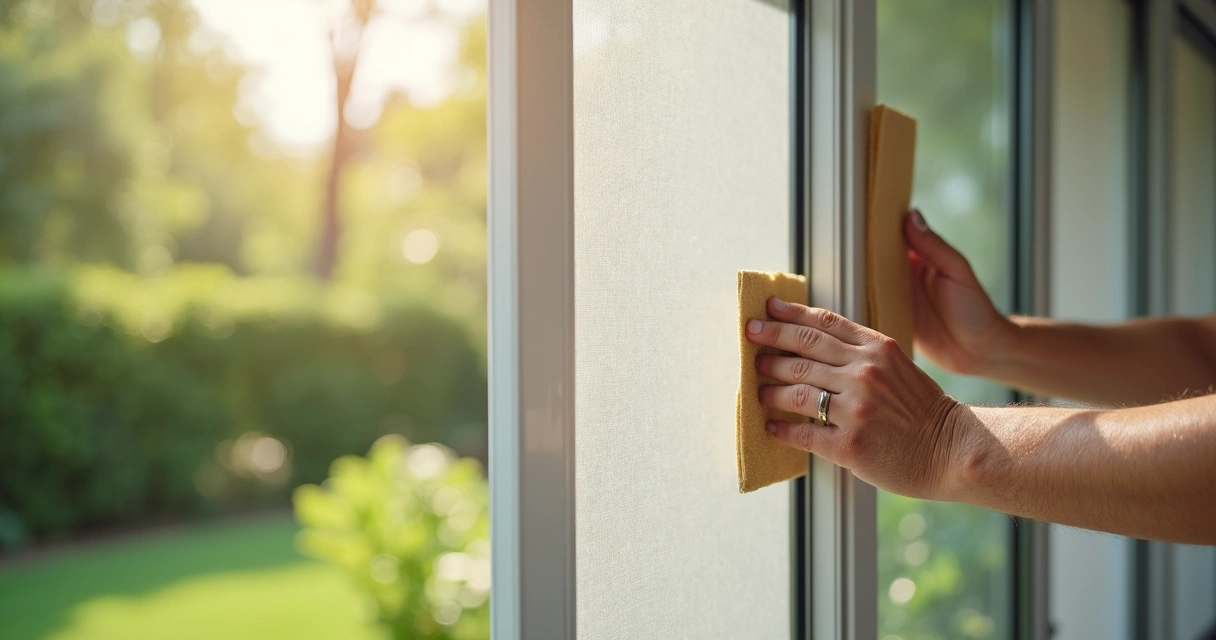
It may sound tedious, but these steps protect your investment and create a professional, long-lasting result. For more related technical prep articles, our blog covers topics like concrete preparation, painting, and hardscaping in depth.
Choosing brushes, rollers, or spray equipment
Application tools shape both finish quality and efficiency. We select our method based on the job size, enclosure complexity, and the level of precision needed.
For small touch-ups or intricate spots, a good synthetic brush does the trick. Rollers help on wide, flat surfaces for a more even coat. However, on large enclosures, sprayers deliver the most uniform finish—something we favor on commercial and residential jobs when feasible.
- Brushes: Use high-quality synthetic bristles for water-based paints.
- Rollers: Small-diameter or “mini” rollers (4″ to 6″) work well on narrow rails and posts.
- Sprayers: Airless sprayers speed up coverage but demand skill for overspray control and masking. They give a factory-like finish when done right.
We always test the spray pattern on cardboard or scrap first to avoid drips and streaks.
Safety, ventilation, and weather considerations
Safety and environment matter as much outside as inside. Paint fumes can be irritating, and working at heights on aluminum frames adds risk. We follow best practices from large facilities, like those described in the Temple University printmaking facilities guide:
- Work when winds are calm to avoid overspray and drifting paint.
- Wear proper PPE—masks, gloves, safety glasses, and non-slip footwear.
- If inside a pool cage, open doors/panels for cross-ventilation.
- Stop work if rain is possible within 24 hours.
We monitor weather forecasts closely during exterior paint jobs, because even a drizzle can ruin fresh paint. Sometimes, waiting one more day makes all the difference for results. For projects at scale in Central Florida, our crews schedule work around local weather quirks to protect every job.
The painting process: Step-by-step guide
In our experience, painting aluminum screens goes like this:
- Prep the workspace: Move furniture and cover everything you don’t want painted.
- Wash and scrub: Remove all dirt, mildew, and debris.
- Sand lightly: Focus on glossy or slick areas for better paint adhesion.
- Prime (if needed): Some paints are self-priming; otherwise, apply an aluminum-compatible bonding primer.
- Apply paint: Use a steady, overlapping motion. Thin coats prevent runs and drips.
- Let dry and recoat: Most exterior paints need 2 coats. Follow the manufacturer’s dry time guidelines.
- Remove masking: Peel off tape and coverings while paint is slightly tacky to prevent peeling.
- Final inspection: Touch up missed spots and review all joints and corners.
Throughout the process, we use clean, controlled motions and stay patient—rushing leads to uneven coverage and headaches later.
Common mistakes to avoid
We’ve rescued more than a few DIY projects that ran into trouble. The main pitfalls are surprisingly avoidable if you know what to watch for:
- Poor prep: Skipping cleaning or sanding causes paint to bubble or flake off.
- Using wrong paint: Standard wall paints won’t last. Always pick exterior metal-rated products.
- Painting in humid weather: High humidity lengthens drying times and leads to a tacky finish.
- Over-applying: Thick coats cause sagging and drips.
- Poor masking: Overspray on mesh or glass is tough to remove.
If you’re planning a large project, sometimes it’s worth consulting professionals, not just for workmanship but also for the peace of mind that comes with written warranties. Our team at GCM Best Services provides both for all screen and painting jobs across Orlando and Central Florida.
How long does painted aluminum screen last?
With good prep, the right paint, and favorable conditions, a painted aluminum screen can look sharp for five to ten years or more, even in our tough Florida climate. Factors that affect lifespan include:
- Exposure to direct sunlight or sprinkler overspray
- Frequency of washdowns and cleaning chemicals used
- Quality of the paint and primer
- Skill of application
We’ve observed that enclosures cared for as described in several facility guides from the U.S. Fish & Wildlife Service tend to outlast those left to weather naturally.
Can you match custom colors?
Absolutely. One of the biggest benefits of painting is freedom of choice. Modern color-matching technology means you can replicate the original screen color, match new home renovations, or even comply with HOA palettes—all with durable, UV-resistant paint.
Bring a sample or code to a paint supplier who knows their exterior products. With custom tinting, updates to homes and businesses look cohesive and intentional, something we aim to guarantee on all GCM Best Services jobs.
Best time of year for painting screens in Orlando
Timing really does play a role in painting success. The best windows fall between late fall and early spring, when humidity is lower and storms are less frequent in Central Florida. Ideally, daytime temps should be between 60–85°F, with dry weather forecasted for a couple of days.
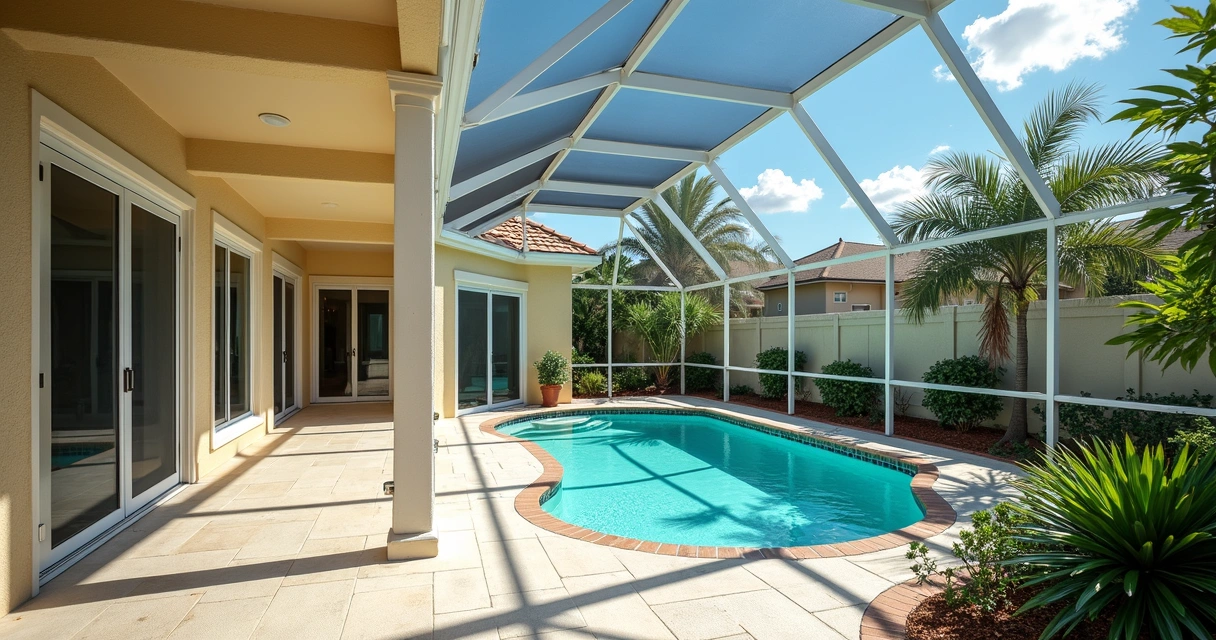
Painting at the wrong time can lead to poor results, so we often schedule large residential or commercial projects to take advantage of these more predictable weather patterns.
Unique benefits of painted aluminum screens
When you invest in your home or business, every detail matters. Beyond aesthetic appeal, there are several less obvious benefits to painting your aluminum screens:
- Improved corrosion resistance: Paint forms a barrier against moisture and salt air.
- UV protection: Modern paints reflect harsh rays that cause fading and breakdown.
- Easy maintenance: New paint sheds dirt and is simpler to clean than chalky, oxidized metal.
- Personalization: Tailor the look and feel of your outdoor space or storefront.
As seen in the work of artists using aluminum as a painting surface, color and finish can truly transform a simple structure into something unique.
Restoring instead of replacing: Environmental and financial perspective
Replacing an entire enclosure is a big decision—waste, cost, and time all add up. Painting is a smart, low-waste solution when the skeleton is still in good condition.
From an environmental standpoint, reusing solid aluminum cuts down on landfill waste. Financially, painting costs a fraction of full replacement and can be repeated over a structure’s life. With the right approach, painting gives you control over both appearance and longevity.
For proper care and more tips on hardscaping and outdoor upgrades, see our hardscaping resource center.
Maintaining painted aluminum screens
Even a great paint job needs maintenance. Here’s what we recommend:
- Rinse with a hose or gentle pressure washer a few times a year.
- Avoid harsh chemicals—mild soap and water are enough for most dirt.
- Inspect annually for chips or wear, especially after storms.
- Touch up any thin spots quickly to prevent peeling or corrosion.
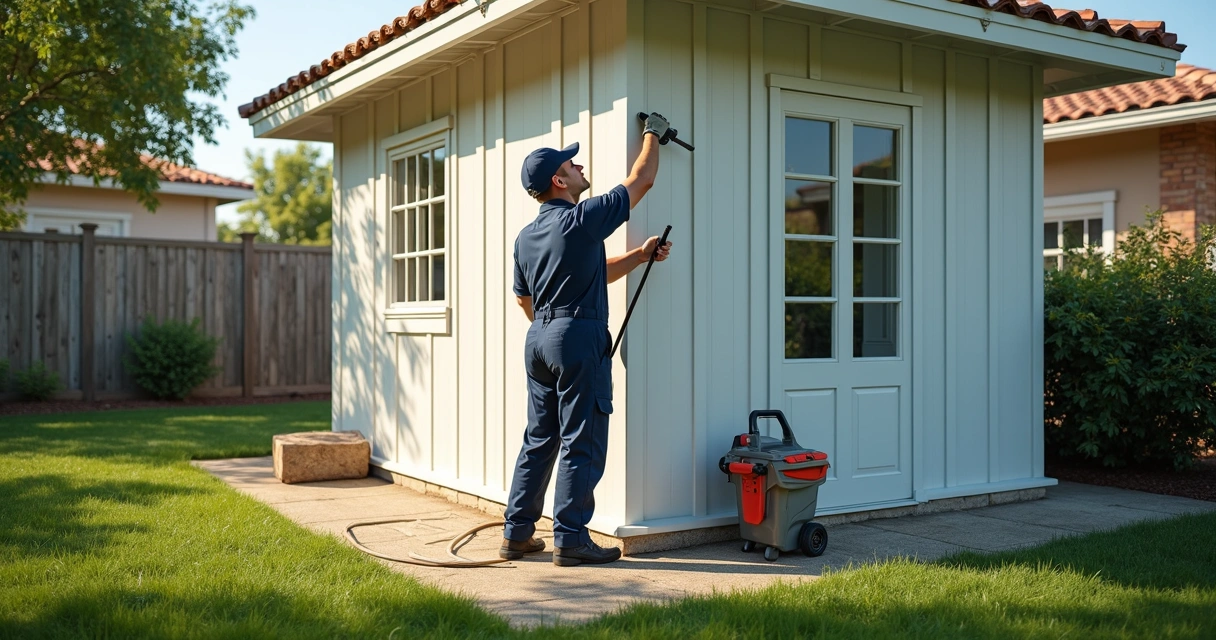
We give every GCM Best Services client a maintenance guide with their warranty, to make sure their investment goes the distance. For more on maintenance, see our posts in our learning hub.
When to call a professional for painting aluminum screens
Some DIY projects are fun and fulfilling. Others require professional expertise and safety precautions, especially with tall enclosures or intricate shapes. You might want help if:
- The enclosure is multi-story or awkward to access.
- There’s significant corrosion requiring repairs.
- You need a flawless finish for commercial or retail settings.
- Written warranties and permits are desired.
At GCM Best Services, we back up every project with clear communication, photos, and care instructions. For a look at our complete process and project gallery, see our concrete and enclosure project highlights.
Conclusion: Aluminum screen painting brings value to Central Florida spaces
Painting aluminum screens blends practicality with fresh style, offering a smart way to update and protect your enclosure. When you follow the right prep, choose the right paint, and apply with care, the results can be striking and long-lasting. Orlando’s climate makes attention to detail even more pressing—but with best practices, you can enjoy beautiful screens for many years.
If you’re considering revitalizing your pool cage, lanai, or commercial screen structures in Central Florida, our team at GCM Best Services is ready to help, from assessment to warranty. Restore, protect, and upgrade your space—ask us for our no-obligation on-site quote and discover the difference a professional finish can make.
Ready for a professional quote? 📞 (407) 250-1948 • 24–48h • Orlando, Tampa & area.
Frequently asked questions about painting aluminum screens
What is the best paint for aluminum screens?
The best paint for aluminum screens is an exterior-grade acrylic latex designed for direct application to metal surfaces. These paints resist UV, moisture, and salt air, which suits Florida’s climate. For best results, pair with a bonding primer made for aluminum.
How to prepare an aluminum screen for painting?
Thorough cleaning is the first step—remove all chalky residue, mildew, and oil. After cleaning, lightly sand glossy or smooth metal to help paint bond. If the original paint is flaking, remove all loose spots. Mask the screen mesh and surroundings carefully before priming and painting.
Can I paint an old aluminum screen?
Most older aluminum screens can be painted if the frame is structurally sound and free from severe corrosion or holes. Fix any damage first, and make sure to prep the surface well so the new paint adheres and lasts.
How long does painted aluminum screen last?
With proper preparation and application, painted aluminum screens can look fresh for five to ten years or more in Central Florida. Weather exposure, care, and the quality of both paint and prep will impact how long the finish holds up.
Is it worth it to paint aluminum screens?
Painting aluminum screens is usually much less expensive than replacement, renews your home’s appearance, and protects metal from further corrosion. If the screen frame is undamaged, painting is almost always worth it.