When planning a retaining wall in Central Florida, we face unique challenges. Our soils are sandy, sometimes clay-rich, often moist, and always dynamic with rain and heat. The right material makes the difference between a wall that shifts, leans, or fails—and one that delivers safety and beauty for decades. In our experience at GCM Best Services, clients want to make smart investments, avoid future headaches, and meet all local codes. Let’s share what we know. This guide brings together field wisdom, Florida-specific studies, and the practical know-how needed for success.
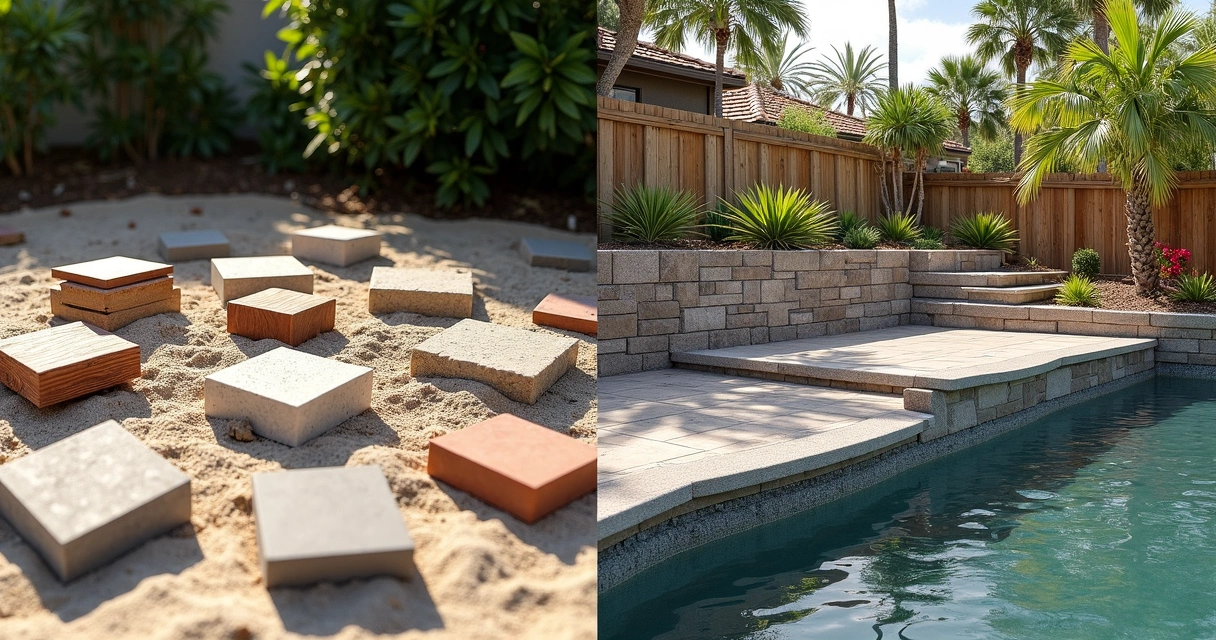
Contents
- Why soil matters for retaining walls in Florida
- Types of soils found in Florida landscapes
- What makes a good retaining wall material?
- Concrete blocks: robust and predictable
- Natural stone: timeless aesthetics meets local challenges
- Timber: affordability with a finite lifespan
- Poured concrete: monolithic strength and design
- Brick and paver walls: style with structure
- Masonry and reinforced options for demanding sites
- Drainage, stability, and finishing touches
- Regulations, codes and permitting in Florida
- Conclusion: Smart choices, lasting results
- Frequently asked questions
Why soil matters for retaining walls in Florida
Every retaining wall relies on what sits beneath and behind it. In Florida, soil is anything but uniform. Coastal areas brim with sand. The central corridor, from Orlando outward, includes organic soils and clays. Sometimes, two neighbors can have very different soil profiles due to fill, past construction, or old creek beds.
Florida soils are reactive—they can shift with rain, settle with drought, or expand if clay content is present. Wall material must account for these changes. The Florida Department of Environmental Protection notes that expansive clays in North Florida, especially smectite minerals, have an impact on structures by swelling or shrinking with moisture changes, resulting in cracks and uneven conditions (expansive clays in Florida).
We believe every wall should begin with a soil assessment. Sand may need a broader base. Fill dirt? It can hide hidden voids. Clay calls for better drainage. If you skip this critical step, no wall stands a fighting chance.
Walls withstand more than gravity—they battle Florida’s shifting earth.
Types of soils found in Florida landscapes
We find several dominant soils in the Central Florida region. Each impacts wall performance differently:
- Sandy soils: Good drainage, but prone to erosion and shifting; common in Orlando and much of Florida.
- Clay-rich soils: Found more in the north but appear in pockets throughout; expand and contract, leading to wall movement.
- Organic/peat soils: High moisture, often compresses over time; needs special treatment for walls.
- Fill soils: Previously disturbed and non-native; may be unpredictable in structure or compaction.
According to research from the Florida Department of Transportation, each of these soils requires a different engineering approach and has unique impacts on wall design and material choice.
When we conduct site visits for GCM Best Services, our first check is always—what soil are we building into?
What makes a good retaining wall material?
Retaining wall materials are not one-size-fits-all, especially on Florida’s diverse soils. Here’s what we look for:
- Durability: Must withstand rain, sun, pests, and seasonal movement—Florida’s climate tests materials quickly.
- Drainage compatibility: The material should allow (or work with) water to escape; trapped water builds pressure fast.
- Resistance to corrosion or decay: Humidity and soil chemistry can attack some materials far faster here than in other regions.
- Local code compliance: Municipalities and HOAs enforce strict rules—material choice can affect approval.
- Installation method: Some walls require skilled labor or special equipment; others are more straightforward.
We share these priorities with every customer, whether the wall will serve as a garden border or hold back a whole hillside.
Start with soil. Match the material. Succeed in both strength and style.
Concrete blocks: robust and predictable
In the Florida market, segmental concrete blocks—sometimes called modular retaining wall blocks—are a reliable favorite. Their popularity is no accident. We use them on most of our hardscape projects at GCM Best Services, and here’s why:
- Strength: Designed to interlock and stack, concrete blocks distribute weight and withstand shifting soils better than many choices.
- Design variety: Come in multiple colors, shapes, and textures to pair with any landscape.
- Predictable engineering: Their known properties help us follow structural guidance from research published by entities like the Florida Department of Transportation’s studies on retaining structures.
- Simple repairs: Individual units can be replaced if damaged, unlike monolithic walls.
However, even block walls require a compacted gravel base and good drainage. Without these, blocks may tilt or buckle. We always include a filter fabric, weep holes, and a drainage pipe behind the base course—especially vital for clay or poorly draining sites.
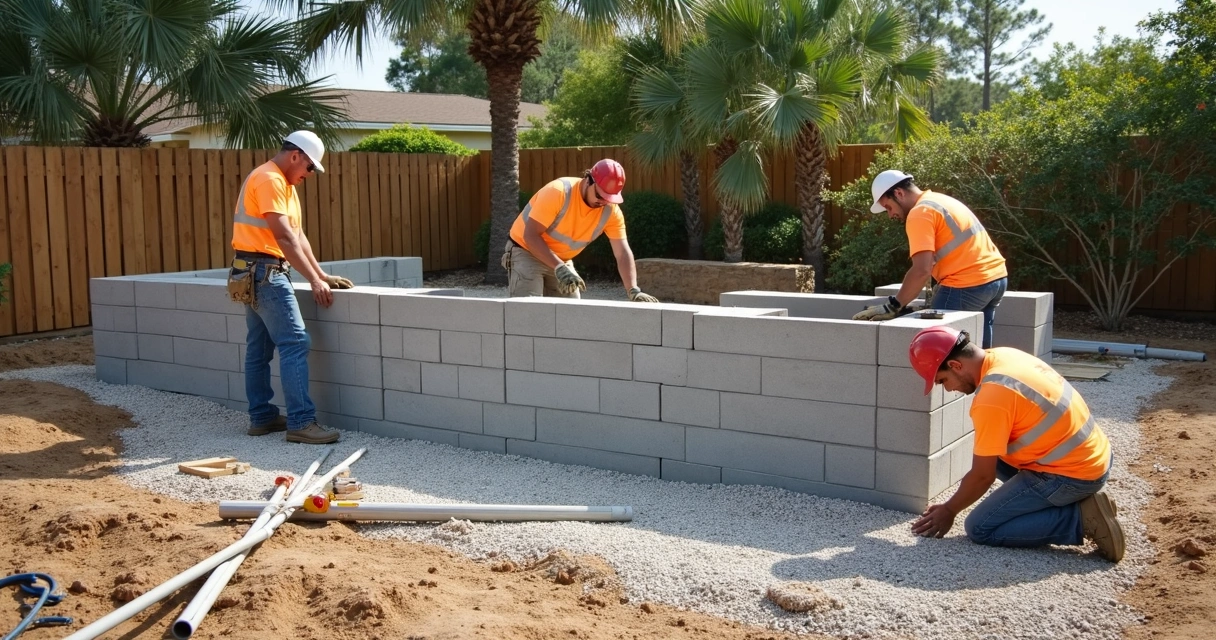
We see these walls last for decades, with little movement or cracking, as long as the preparation work is correct.
Natural stone: timeless aesthetics meets local challenges
For clients seeking a classic or upscale look, natural stone attracts plenty of attention. Flagstone, limestone, or coquina are locally available choices, each with its own beauty. The main selling points:
- Unique appearance: No two stones are identical; owners get a wall like no one else’s.
- Longevity: Properly installed stone is highly durable.
- Eco-friendly: Sourced nearby, stone can have a smaller environmental impact.
That said, we always warn about the labor-intensive installation—which tends to make stone the pricier option. Stones require individual fitting, and the irregular shapes mean there’s more room for water intrusion if drainage is missing. For sandy or organic soils, we bolster stone walls with a deeper base, backfill with washed gravel, and add rear drainage. This ensures movement is minimized, following the findings in many material performance studies for Florida retaining structures.
Stone fits perfectly in historic districts, lush tropical gardens, or as a feature wall in a modern yard. If you want a showpiece and are willing to pay more upfront, natural stone shines.
Timber: affordability with a finite lifespan
Wood, often treated pine, sometimes cedar or cypress, is another material we’re frequently asked about. Timber walls can look rustic and warm and make sense for shorter runs or garden areas.
Some of the main upsides?
- Cost-effective upfront, especially for walls under four feet.
- Faster installation than stone or concrete block.
- Simple for decorative or short-term uses.
However, the downsides: moisture, humidity, and pests are hard-working enemies. Termites are aggressive in Florida, and even pressure-treated lumber eventually becomes soft, warped, or infested.
See a timber wall as transitional. Beautiful now, but not for generations.
If you opt for timber, we recommend:
- Hot-dipped galvanized hardware—never basic steel or iron.
- Gravel backfill with plenty of drainage to reduce wood rot.
- Use for decorative, not load-bearing, applications.
In HOA communities, wood walls often need early replacement due to aesthetic or pest concerns. For more permanence, consider an upgrade to blocks, stone, or poured concrete instead. More about our installs and maintenance tips can be found in our hardscape resource section.
Poured concrete: monolithic strength and design
Poured-in-place concrete walls offer maximum strength, modest thickness, and a modern look. These monolithic structures are formed and cured on site. Here is why they matter for Florida soils:
- Unbroken barrier: Zero joints means fewer places for water or root intrusion.
- Performance on variable sites: When soils are a mix of sand, clay, and organic material, big footings and reinforced pours keep things stable.
- Flexible design: Can include curves, angles, or even integrated seating and planters.
We always reinforce poured walls with rebar, following specs based on soil tests. The concrete’s psi rating—often 3,000–4,000 psi—must be matched to the stress expected. Poured walls are heavy-duty and built for challenging sites, but do require skilled labor and careful permit management. This is a good reason to have a contractor with state-wide experience like GCM Best Services handle the details.
Brick and paver walls: style with structure
Brick, manufactured “stone” pavers, and concrete retaining paver systems are a favorite for those seeking both function and style. You’ll find these lining flowerbeds, outlining patios, or even supporting gentle slopes. At GCM Best Services, we love the way brick and paver walls pair with driveways, patios, and landscape lighting, as you can see in our driveway and patio paving examples.
- Color and pattern flexibility—matches many home styles
- Modular systems available for engineered load-bearing walls
- Easier repair of individual sections
Like all other wall types in Florida, base compaction and drainage are non-negotiable. We build these with a compacted aggregate sub-base and use polymeric sand for the joints. Structural brick or manufactured wall pavers, designed specifically for retaining walls, perform far better than simple garden-edge bricks.
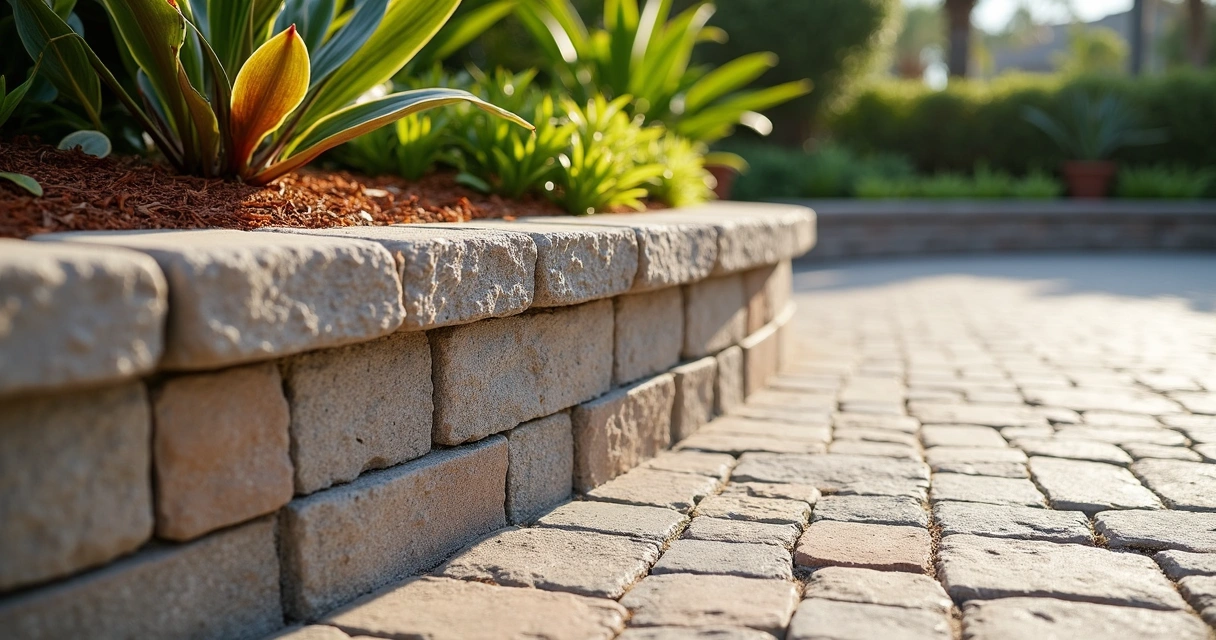
Even with DIY-friendly appeal, city regulations may dictate height limits and structural design for retaining walls, especially those over two feet tall or supporting slopes. Always check before building.
Masonry and reinforced options for demanding sites
Some situations call for the next tier of strength. Masonry walls—think concrete block, hollow-core units filled with reinforced concrete, or even geo-grid-reinforced backfill—step in when soils are loose, slopes are severe, or heights surpass four feet.
These options pair traditional looks with modern structural upgrades. We design these walls for:
- Large elevation changes near buildings or driveways
- Support of heavy loads (parking lots, steep embankments)
- Flood-prone or poor-draining locations
Designs often include tiebacks or geo-grids—reinforcing elements that anchor the wall far into the retained soil. The Florida Department of Transportation’s geotechnical studies offer detailed performance data on these systems, which we reference for robust, code-aligned projects.
Masonry-reinforced walls require careful engineering. For our GCM Best Services clients, we manage design, permitting, and HOA coordination for such projects, as detailed further in our hardscape service area guide.
Drainage, stability, and finishing touches
No matter which material you choose, drainage is the real hero of Florida retaining walls. Poor drainage causes far more failures than material flaws. Our practice is simple: always include a drainage pipe, coarse gravel backfill, and filter fabric behind the wall. This keeps water moving and pressure off the structure. French drains, weep holes, or composite wall drains may also be required depending on soil and slope.
On slopes, we sometimes terrace multiple walls, spreading the load and breaking up run-off. Final touches—like surface sealers, color-matched copings, steps, or lighting—boost both resilience and property value. We offer integrated lighting, drainage, and surface treatments as part of our full-service approach. More ideas can be found in the hardscaping project gallery.
Regulations, codes and permitting in Florida
Every Florida municipality enforces its own building codes, often influenced by state requirements for erosion control, stormwater management, and wind resistance. Even for walls under four feet, many cities and HOAs require at least a permit application, basic engineering plan, and in some cases, compliance with hurricane wind-load codes for fences, screens, or walls near homes.
Our project managers at GCM Best Services always confirm:
- Wall height and setback limits
- Drainage and stormwater requirements
- Material allowances and restrictions, particularly in HOA communities
- Inspection protocols and final close-out of projects
We suggest not skipping these steps—penalties for unpermitted work can be steep and even require entire walls to be removed. For guidance, see our article on drainage solutions for brick paver installations in Florida’s climate for practical advice on meeting codes with smart design choices.
Conclusion: Smart choices, lasting results
When it comes to choosing the right retaining wall material for Florida soils, everything starts with knowledge—both of the ground below and the materials above. We’ve seen walls that fail due to skipped steps or poor choices and walls that stand as a statement of beauty and strength for the long haul.
Right soil, right wall, right prep. That’s the Florida formula for success.
We’re here to help, from the initial soil test to the final walkthrough, whether you need a short garden border or a critical earth retention system. If you’re ready to discuss ideas, compare options, or get a professional assessment, reach out—GCM Best Services delivers clarity, quality, and peace of mind throughout Orlando, Tampa, and Central Florida.
Ready for a professional quote? 📞 (407) 250-1948 • 24–48h • Orlando, Tampa & area.
Frequently asked questions
What are the best materials for Florida soils?
For most Florida soils, the best retaining wall materials are segmental concrete blocks, poured concrete, or masonry systems, as these provide strength, stability, and compatibility with local soil conditions. In specific areas, stone or brick may be chosen for their looks, but always pair with solid drainage and foundation systems. Timber can be used for smaller, temporary walls but is less suitable for long-term structural needs due to Florida’s humidity and pests. Always factor in your property’s soil and drainage before making a final decision.
How much does a retaining wall cost?
The cost to build a retaining wall in Central Florida varies based on size, wall height, material choice, drainage requirements, and site difficulty. On average, segmental block or paver walls can range from $25 to $50 per square foot installed, with stone or poured concrete walls often costing more due to materials and labor. Timber walls tend to be less expensive but may need earlier replacement. For a detailed breakdown based on your property and needs, it’s best to request a site assessment from an experienced contractors team like GCM Best Services.
How to choose the right wall material?
Choose your retaining wall material based on soil conditions, wall function, aesthetics, budget, and any local codes or HOA guidelines. Sandy soils often pair best with concrete blocks or pavers, while sites with high clay or organic matter may require poured or reinforced concrete. Consider maintenance needs, project lifespan, and whether you plan to use the wall mostly for looks or critical slope retention. Professionals can help recommend the right match during a site visit.
Is it worth it to build a retaining wall?
Yes, when designed and built correctly, a retaining wall improves usable space, prevents erosion, and can increase property value—all crucial benefits in Florida’s changing climate. Retaining walls often solve drainage problems or create more level, functional yards. The key to a worthwhile investment is solid design, the right materials for your soil, and high-quality installation with proper permits. A well-built wall can protect your property and landscape for decades.
What is the easiest retaining wall to install?
For most DIY-friendly projects, segmental concrete block walls are the simplest to install, given the modular blocks and clear stacking patterns. Pre-engineered paver or block kits often come with instructions and require just basic compaction, leveling, and simple tools. However, even these projects succeed only if the base and drainage are properly built—which are not optional steps in Florida’s climate.