Primary keyword: polyaspartic floor coatingsVariants: polyaspartic coatings for lanais, polyaspartic for breezeways, polyaspartic vs epoxy outdoor
Audience: Homeowners and property managers seeking long-lasting, attractive outdoor surfaces for breezeways, lanais, and covered patios.Pain/Benefit: Deteriorating outdoor concrete, unsightly stains, slippery finishes, or recurring surface maintenance—solved with a high-performance, low-maintenance solution built for Florida.
Polyaspartic floor coatings are promoted as the next-level upgrade for garage floors, but do they deliver on breezeways and lanais in the intense Central Florida climate? As contractors specialized in exteriors, we’ve worked with dozens of polyaspartic and epoxy systems and have seen their impact firsthand. In this article, we dig into what polyaspartic coatings are, their chemistry and benefits over alternatives, performance in open-air breezeways and lanais, aesthetics, drawbacks, and what to consider before investing. If you’re dreaming of a breezeway, patio, or lanai that stands up to sun, storms, and everyday use, our insights will help you decide if this finish is worth it for your space.
Outline
- What are polyaspartic floor coatings?
- How are polyaspartic coatings different from epoxy?
- Performance in Central Florida: UV, moisture, and temperature
- Benefits of polyaspartic coatings for breezeways and lanais
- Drawbacks and limitations to know
- Typical process for polyaspartic installations (what to expect)
- Costs, ROI, and comparing alternatives
- Design options and style matching
- Case stories: Polyaspartic success in Orlando-area homes
- Our recommendation: Are polyaspartic floor coatings worth it?
- FAQ
Durability you can feel, beauty you can see—right in your own breezeway.
What are polyaspartic floor coatings?
Polyaspartic coatings are a type of polyurea floor coating, often used as a high-performance alternative to epoxy or acrylic finishes. Chemically, they are aliphatic polyaspartic esters blended with isocyanates, resulting in a fast-curing, flexible, and highly UV-resistant surface. Originally developed for industrial settings, these coatings have moved into the residential sphere thanks to their rapid installation and resilience.
Polyaspartic coatings cure fast, offer low odor, and create a seamless, non-porous barrier against water, stains, and chemicals. Because of their fast-setting properties, a professional crew can install a polyaspartic floor in as little as one day, even on outdoor or partially covered spaces like lanais and breezeways. The result is a finish that is tough enough to resist tire marks, falling tools, pet accidents, and rain, but attractive enough to enhance any outdoor living area.
This coating technology has been carefully reviewed in resources such as the reference book ‘Polyurethanes’ by Meier‑Westhues and Ulrich, where the chemistry and application of polyaspartic and polyurethane variants are detailed for both industrial and architectural uses.
How are polyaspartic coatings different from epoxy?
When we talk about floor coatings for outdoor or semi-outdoor areas, epoxy is often the first solution that comes up. But the differences are significant where it matters: UV stability, moisture handling, speed of cure, and flexibility.
- UV stability: Unlike epoxy, polyaspartic coatings do not yellow, chalk, or fade when exposed to sunlight. This makes them a stronger choice for Florida’s year-round sun.
- Fast curing: Polyaspartic cures quickly—sometimes in under two hours per layer—so a new surface can be ready for foot traffic or furniture almost the same day. Epoxies may require days to fully cure, especially in humid or damp conditions.
- Flexibility: The chemistry behind polyaspartic systems allows some movement and expansion. That helps prevent chipping or delamination from seasonal concrete movement or thermal cycling.
- Moisture tolerance: Many polyaspartic formulations can be applied even when humidity is moderate, and they provide a dense barrier against rain and groundwater intrusion after curing.
As documented in detailed studies of polyurethane coatings, the distinctions at the molecular level show why polyaspartic systems hold up better in changing or outdoor-facing environments.
Performance in Central Florida: UV, moisture, and temperature
In Central Florida, breezeways and lanais don’t get a break. They are exposed to:
- Intense and direct sunlight most months
- High levels of humidity and rain, especially in late spring through fall
- Sudden temperature shifts or seasonal cool fronts in winter
- Occasional pooling or standing water in low spots, and the resulting slip hazards or mold
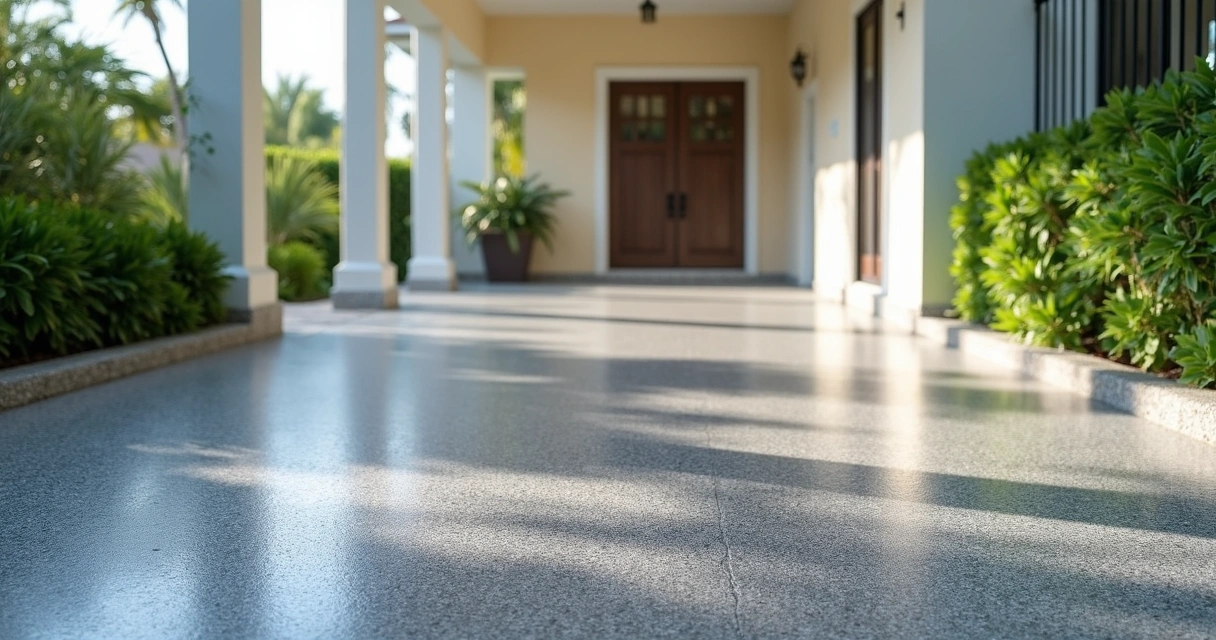
We’ve seen that polyaspartic floor coatings shine under these conditions. Unlike traditional epoxy, polyaspartic keeps its color, gloss, and texture over many years of direct Florida exposure—even without shade or screens. It’s highly waterproof, defending the concrete substrate against mold, algae, staining, and even common chemicals like pool treatment runoff. Rapid curing minimizes risk of moisture vapor bubbles causing surface flaws, which can occur with slower curing alternatives.
Benefits of polyaspartic coatings for breezeways and lanais
- Superior weather resistance: Outperforms many coatings under direct sun and rain cycles—meaning a more stable color and finish for years.
- High chemical and stain resistance: Protects against landscaping chemicals, pool water, grill grease, drinks, and pet accidents.
- Slip resistance options: Textured flakes or quartz can be broadcast into the finish, greatly improving traction under wet conditions. This is critical for pool-adjacent lanais.
- Low maintenance: The dense, seamless finish means debris, dirt, or spills clean off with a light sweep or hose-down—no pressure washing or harsh chemicals needed.
- Rapid turnaround: Most jobs are complete and back in service within 24 hours, so there is minimal disruption to your patio or entry area.
- Custom appearance: Choose from solid colors, multicolor flakes, metallics, or subtle natural tones to blend with paving, stone, or home paint colors.
Homeowners especially value the flexibility in design, as breezeways and lanais often connect interior and outdoor spaces, and a poor finish can clash. We work closely to match finishes with surrounding concrete, brick, or patio pavers, as discussed further in our hardscape services overview .
Drawbacks and limitations to know
No coating is a magic bullet, even with all these advantages. From our extensive installations, here are some points you should keep in mind before choosing polyaspartic:
- Higher material costs than paint or standard epoxy: Polyaspartic resins are premium for a reason; expect to pay more per square foot for the raw product.
- Surface prep is critical: The best polyaspartic result depends on extremely clean, properly profiled concrete. Old coatings, glue, or sealer must be removed, and high moisture situations may require specific primers.
- Not a structural fix: Polyaspartic coatings will not address underlying slab deflection, significant cracks, or drainage failures. We always assess drainage and base stability (how to prevent cracks) before application.
- Professional installation is necessary: The chemistry of polyaspartic systems leaves very little margin for error. Inexperienced application can result in streaks, blisters, or reduced lifespan—resembles art as much as construction.
Quality prep and skilled installation are the secret to a great floor.
Typical process for polyaspartic installations (what to expect)
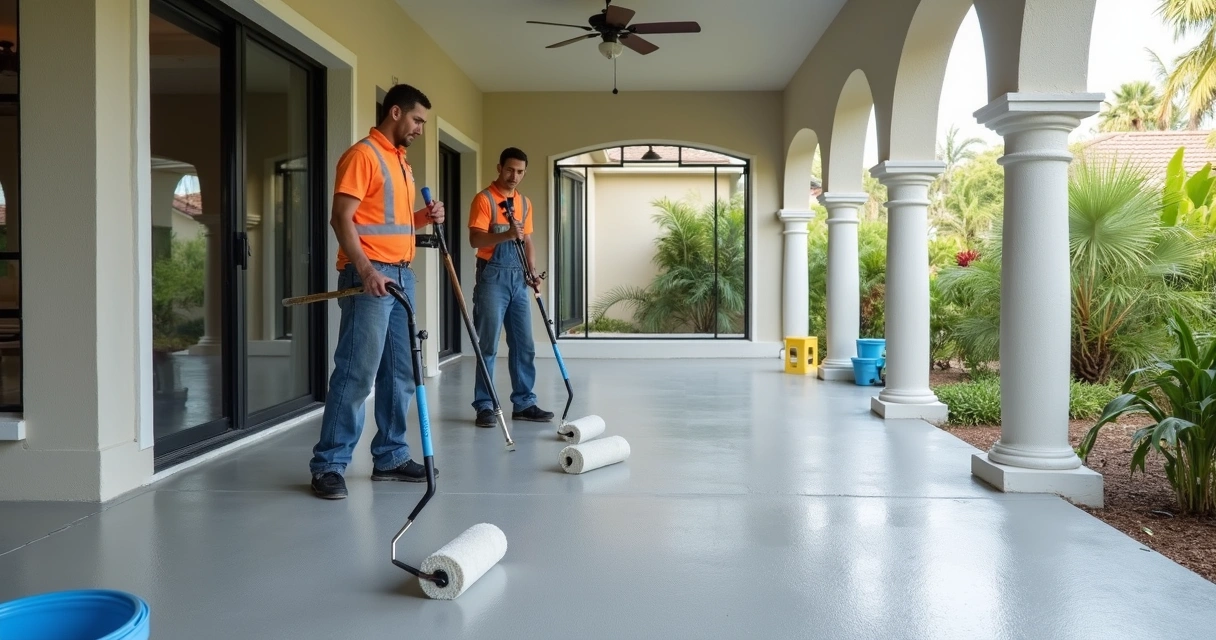
The installation process is efficient, but it’s also methodical. Here’s our step-by-step approach to polyaspartic for outdoor breezeways and lanais:
- Assessment and testing: We start by checking for moisture issues, surface contaminants, and slab stability. Any underlying concerns, like poor drainage (see our concrete services resources), must be addressed first.
- Surface preparation: Concrete is mechanically ground and vacuumed to create an ideal profile for bonding. Old coatings, glues, or sealers are eliminated.
- Crack and joint repair: Spalls and cracks are filled with compatible repair materials.
- Base layer application: The first coat (sometimes a moisture-tolerant primer) is applied for ideal adhesion.
- Broadcast of texture (optional): Flakes or quartz are added at this stage for slip resistance and style.
- Topcoat: The polyaspartic top layer is spread and leveled, completing the durable, glossy, UV-safe finish.
- Cure and inspection: Within hours, the coating is solid and ready for use. We check for uniform finish, gloss, and proper bonding.
With this process, disruption is kept short, and your breezeway or lanai transforms nearly overnight.
Costs, ROI, and comparing alternatives
Polyaspartic coatings are an investment. On average, for breezeways and lanais in Central Florida, the installed price per square foot may range from $7 to $13, depending on slab condition, texture or design options, and access (source).
- Paint or acrylic sealers: Lower up-front cost but can fade and peel quickly outdoors, needing refreshment every 1–3 years.
- Epoxy: Slightly less expensive, but may discolor, chalk, or delaminate over time if not fully shaded. Cure time delays use of the space.
- Paver or tile overlays: A higher cost and more involved install. Maintenance for joints and weeds is ongoing.
While polyaspartic coatings cost more initially than a basic paint or sealer, the need for maintenance or re-coating is vastly reduced. Homeowners often recoup their investment in fewer call-backs, lower cleaning effort, and a smoother patio experience. When it’s time to sell, a well-coated lanai or breezeway also adds curb appeal and value for Orlando buyers seeking move-in ready outdoor spaces.
Design options and style matching
Since polyaspartic is a clear or pigmented liquid during application, there’s complete freedom over final color, gloss, and pattern. Some favorite options for breezeways and lanais include:
- Multicolor vinyl flakes: Broadcast flakes come in every shade, from stone-like neutrals to modern gray/blue/white blends.
- Quartz sand: For increased slip resistance, and to echo Florida coastal color palettes.
- Solid or metallic finishes: For a bold, modern look, choose deep tones, metallics, or subtle pearl shading.
- Matte, satin, or gloss sheen: Customize based on intended use and amount of sun exposure.
We routinely help clients coordinate finishes between their polyaspartic-coated lanai, adjacent concrete slabs, and even paver borders. See more on hardscape blending in our concrete solutions section.
Case stories: Polyaspartic success in Orlando-area homes
From poolside lanais that double as party spaces to breezeways connecting garages to the main home, we’ve delivered many standout projects in the Orlando and Tampa areas. For example:
- Breezeway transformation, College Park: The owner wanted to eliminate the constant dust, water staining, and “dingy” feel of a bare concrete walk. We installed a gray flake polyaspartic with light traction. Guests now comment on how easy it is to sweep and how crisp it looks even after Florida thunderstorms.
- Pool lanai upgrade, Winter Garden: This space had failed acrylic sealer that blistered each summer. After deep grinding and one-day installation, the polyaspartic system matched the tile coping and withstood year-round splash and sun.
- Classic porch, downtown Orlando: The classic terracotta slab had deep stains and frequent mildew. Our team went with a faux-stone flake, darkened the grout lines, and created a finish that has not needed pressure washing even after two hurricane seasons.
These aren’t “one-off” stories; they’re representative of what we see again and again. The investment pays off in convenience, beauty, and peace of mind. For more guidance on choosing the best professional for coatings or concrete work, see our recommendations in this guide to selecting a concrete company in Orlando.
Our recommendation: Are polyaspartic floor coatings worth it?
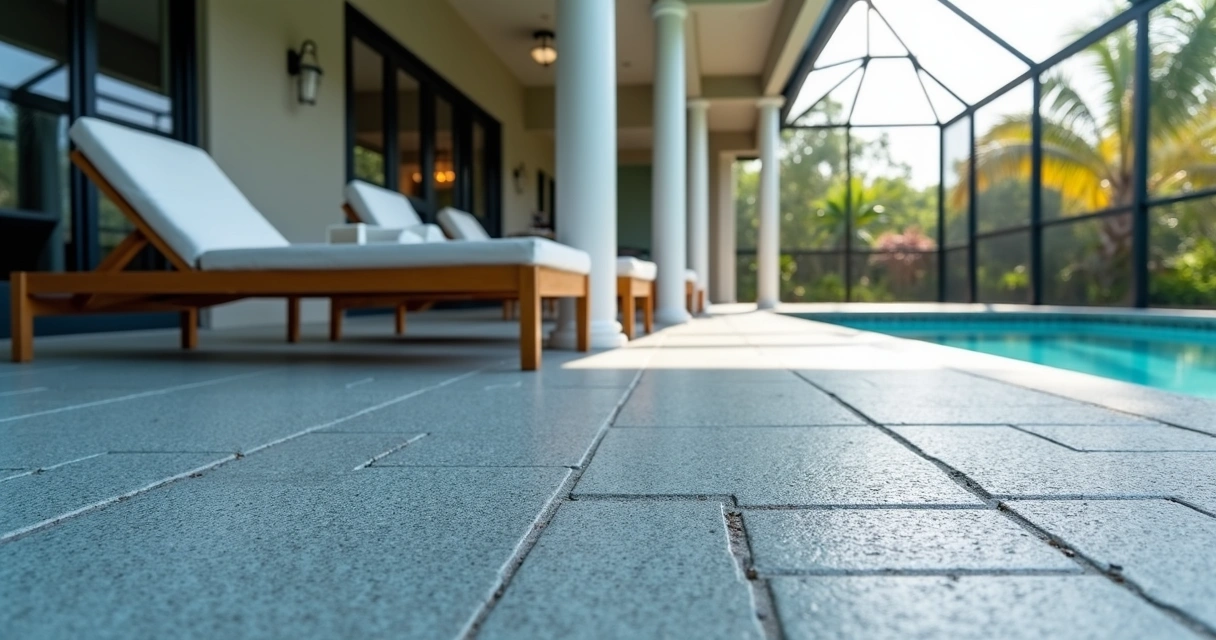
After years of coating breezeways and lanais in the Central Florida climate, we believe polyaspartic is often the single best value for most homeowners and property managers seeking durability, easy cleaning, and strong aesthetics. The upfront cost does run higher than some alternatives, but the payoff comes in years of stable color, protected concrete, and less time spent on maintenance. Especially for spaces that bridge inside and out, where people walk barefoot, grill, entertain, or enjoy the evening breeze, the impact of a surface that looks great and feels safe is immediate.
The key to success is proper surface preparation, careful drainage planning, and professional installation. That’s why at GCM Best Services, we stand behind our work with photos, written warranties, and practical maintenance guides. We know what works in our climate, and our coatings consistently deliver for Orlando, Tampa, and the surrounding areas.
If you have a breezeway or lanai that’s fading, flaking, or feels impossible to keep clean, consider a polyaspartic upgrade. Your space—and your weekends—will thank you.
Breezeways and lanais should welcome, not worry. Polyaspartic coatings make them shine—season after season.
Learn more about concrete repair and surface protection for Florida homes here.
Ready for a professional quote? 📞 (407) 250-1948 • 24–48h • Orlando, Tampa & area.
Frequently asked questions about polyaspartic floor coatings
What is a polyaspartic floor coating?
A polyaspartic floor coating is a high-performance surface finish made from aliphatic polyurea derivatives, which cure quickly to form a dense, UV-resistant, and waterproof barrier. Unlike epoxy, it remains colorfast in outdoor light and resists moisture and temperature changes. The technology is detailed in the technical resource ‘Polyurethanes’ by Meier‑Westhues and Ulrich and has become popular for garages, patios, lanais, and breezeways.
Is polyaspartic worth it for breezeways?
For most breezeways exposed to Florida weather, polyaspartic coatings are worth the investment. They provide unmatched UV protection, color retention, slip resistance, and ease of cleaning compared to many alternatives. Fast installation and long-term performance mean less maintenance and more enjoyment of your outdoor space.
How much does polyaspartic coating cost?
Installed costs for polyaspartic floor coatings in breezeways and lanais generally range from $7 to $13 per square foot. The total price depends on size, preparation needs, design choices, and any repairs required. While the upfront cost is higher than paint or standard sealer, the long life and low upkeep often provide a better overall value.
How long does polyaspartic coating last?
Properly installed polyaspartic coatings typically last 10–15 years or more in outdoor conditions, maintaining color and gloss far longer than many alternatives. In Central Florida, we often see only minor touch-ups required even after extended use. Longevity depends on surface prep, weather extremes, and upkeep.
Where to find polyaspartic installers near me?
If you are in the Orlando or Central Florida area, GCM Best Services provides licensed, insured polyaspartic installation for breezeways, lanais, garages, and patios. Our process includes onsite assessment, detailed estimate, HOA and permit support, and a written warranty. For other regions, we suggest looking for established, reviewed professionals specializing in coatings for outdoor concrete and covered patios.