Painting brick exteriors isn’t just about fresh color; it’s about choosing finishes that defend against Florida’s heat, storms, and humidity. At GCM Best Services, we’ve seen how the right paint finish can transform old brick into a low-maintenance showpiece that stands up to Central Florida’s unique conditions. Let’s share what really makes a difference—appearance, lifespan, and ease of care—so you get results you’ll enjoy for years. We wrote this guide using our experience in Orlando neighborhoods and the latest research into how paint technology plays out on Florida’s sunbaked, rain-hammered brickwork.
Why painted brick is growing in Florida homes
We often meet homeowners who want to refresh faded brick walls, protect against algae, or just update curb appeal. While some love the natural look, more Floridians are discovering that painting brick solves real problems—especially in our subtropical climate. Modern coatings can help block water, resist mildew, and even reflect the sun’s heat.
Painted brick isn’t just a trend. For many homes, it’s about longer life and less hassle.
There’s a catch: brick is naturally porous. Covering it demands the right prep and a finish that matches both look and lifestyle. We’ll walk through what actually matters when comparing finishes, so you can spot real value beneath the surface gloss.
Florida’s climate: Why it’s tough on painted brick
Central Florida’s weather tests painted surfaces daily. UV intensity, sudden storms, humidity, and airborne contaminants all play a role. Over time, improper coatings fade, blister, or allow water to seep in—or let mildew take hold. It’s different from painting wood or siding. Brick needs paint that breathes but still resists water and sun.
- Heat and sun: Direct sunlight bakes exterior paint, especially on south and west walls.
- Rain and moisture: Frequent downpours and splash-back from driveways or patios keep surfaces damp.
- Mildew and algae: Shady spots, like north-facing walls or where landscaping is close, invite growth.
These challenges are why we recommend specialized strategies for prepping and finishing painted brick, and why the paint’s finish really matters. For those eager to see real-life transformations, we suggest browsing our project gallery and tips—you’ll see a spectrum of finishes in action.
Types of paint finishes for exterior brick
Most major paint suppliers recommend several finishes for brick, each with its own look and feel. In our experience, these are the top contenders you’ll see on Florida homes:
- Flat (matte)
- Eggshell
- Satin
- Semi-gloss
- Elastomeric coatings
Let’s walk through what each offers when it comes to appearance, durability, and upkeep—especially in the Florida sun.
Flat finish: Classic but requires care
Flat paint is often chosen for its natural, non-reflective look that mimics the original brick texture. It hides imperfections and works well for older brick, especially where you want a rich, even appearance that won’t glare in the sun.
- Advantages: Best for hiding surface flaws; offers a soft, classic look many traditionalists prefer.
- Challenges: Less washable. Florida’s storms can leave muddy splash marks or algae that are tough to scrub off. Flat finishes also fade a little faster with our strong UV exposure.
Flat finishes tend to absorb sunlight rather than reflect it. According to Florida Solar Energy Center research, lighter and smoother finishes reflect more heat, which matters for energy use. This means flat, dark paints make brick—already a heat-holder—even warmer, so color and finish both influence comfort and costs.
Eggshell finish: Subtle sheen for modern brick
Eggshell finds a sweet spot between flat and slight gloss—a gentle glow rather than a strong shine. We often suggest eggshell for homeowners who want a finish that handles a bit more cleaning while preserving a mostly-matte look.
- Advantages: Easier to wipe down than flat paint. The slight sheen makes water run off better, reducing dirt marks from Florida’s sudden rains.
- Challenges: Still not ideal for high-abuse zones (like near barbecues), but it’s a noticeable step up in stain resistance compared to matte finishes.
Eggshell is popular for its subtlety. In neighborhoods with historic homes and newer builds side-by-side, we see eggshell used to bridge styles—and as a practical upgrade when flat finishes require too much touchup.
Satin finish: Best all-around for Florida brick?
Satin may be our most commonly recommended finish for brick exteriors in Central Florida. It’s what we choose for projects aiming at a modern look that’s still low-shine but long-lasting.
- Advantages: Satin offers excellent washability. Dirt, mildew, and algae can often be rinsed away with a hose or gentle scrub—key after summer storms.
- More durable: Satin tends to resist chipping and fading from the sun better than eggshell or flat finishes.
- Appearance: The soft shine can make colors appear richer and help brighten shaded areas.
For many brick homes in Orlando, satin finish is the “just right” choice—modern, easy to clean, and tough enough for our weather.
We typically steer long-term homeowners and rental property owners toward satin. It’s also helpful where bushes, irrigation, or walkways keep the lower wall areas dirty—satin lets you hose it off in minutes.
Semi-gloss finish: Bold and easy to clean
If you love a clean, crisp appearance and want the ultimate in washability, semi-gloss deserves a look. This finish reflects more light, making colors pop and improving night lighting near entryways or patios. We see semi-gloss used on brick features like columns, borders, and accent walls.
- Advantages: Highest stain and moisture resistance among standard exterior paints. Rain and splashes bead right off.
- Appearance: Makes details (like mortar joints or decorative panels) stand out with dramatic contrast under bright Florida sun.
- Challenges: Shows surface flaws and repair patches, so prep needs to be thorough. Not everyone likes the shinier look for large wall surfaces.
For homes with kids, pets, or frequent parties, semi-gloss on lower walls or trim makes cleaning up after those events quick and stress-free.
Elastomeric coatings: Heavy-duty for hurricane-prone areas?
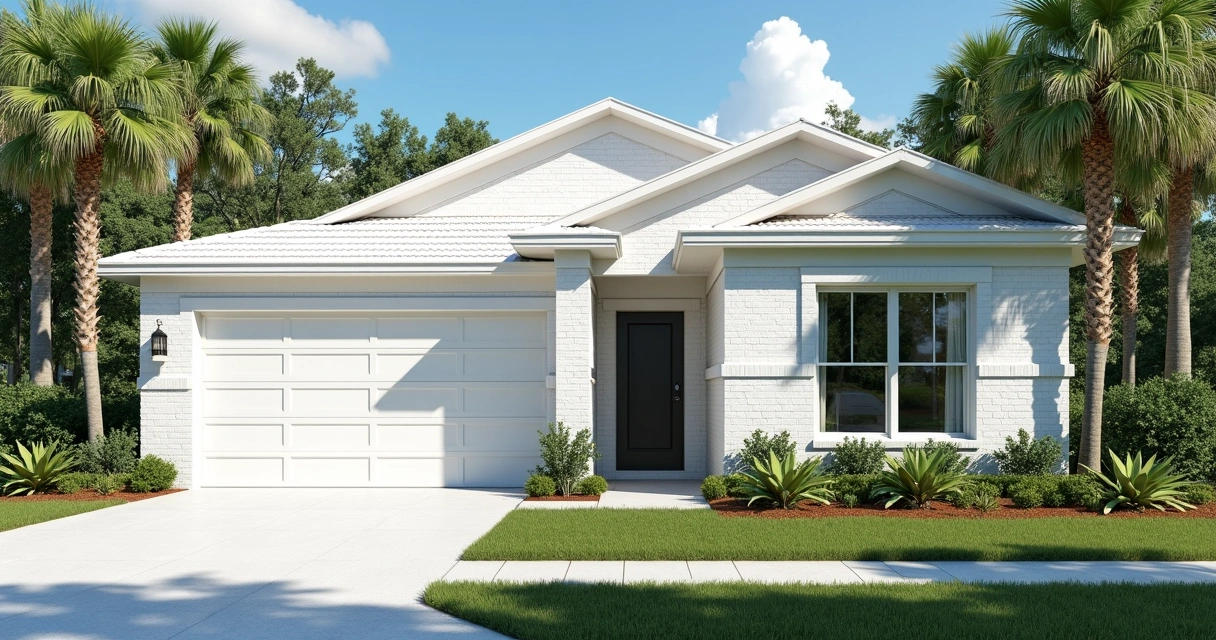
Elastomeric paints are thick, flexible coatings designed to bridge small cracks and provide serious weatherproofing. We sometimes specify elastomeric finishes for homes near the coast or those with aging brick that needs more protection.
- Advantages: Outstanding waterproofing and resistance to high winds, rain, and thermal cycling (hot days and cool nights).
- Appearance: Slight sheen, similar to satin, but with more of a “rubbery” texture up close. Hides hairline cracks better than regular paint.
- Challenges: More expensive and a bit trickier to apply; professional prep is necessary for proper performance. Some homeowners may find it feels less “authentic” to brick’s look and touch.
It’s not always needed, but where storms and wind-driven rain batter walls, elastomeric coatings can extend the life of the underlying brick and mortar while delivering a painted finish that’s easy to clean.
Choosing color and finish for Florida energy savings
We advise clients to think about energy impact as well as looks. Light paint colors—especially in satin or semi-gloss—reflect more sunlight and keep homes cooler. Research from the Florida Solar Energy Center shows this for roofs, but the basic idea carries over to exteriors: the more light reflected, the less heat absorbed by walls. This can help reduce cooling costs in summer.
Finish matters too. Smooth, higher-sheen paints reflect better than chalky, flat finishes. If you want a deep color, consider moving up to eggshell or satin to counteract the heat absorption, and skip super-dark burgundies or navies on wide sun-facing walls unless you really love the style.
Best painting practices for Florida brick
No finish will perform without solid prep and the right application. This is where many projects go wrong—and why we take the time to do it right at GCM Best Services. The main steps for a painted brick exterior built for Florida are:
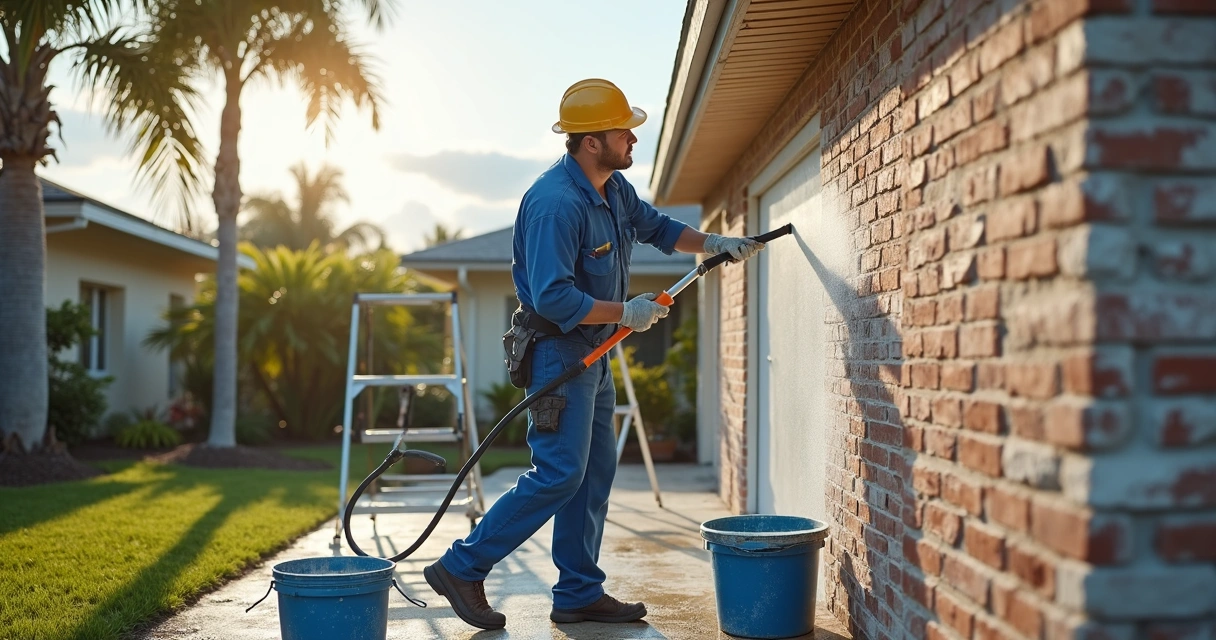
- Power wash to remove mildew, chalk, and dirt.
- Repair mortar or cracks before priming.
- Apply a breathable masonry primer. This step seals pores while allowing vapor to escape—if skipped, paint can bubble or peel.
- Choose a premium exterior paint or coating, with the right finish and UV blockers.
- Finish with even, thick coats, using rollers or sprayers built for masonry.
Maintenance is another plus point for painted brick. Most finishes mean no need to pressure wash the actual brick, just hosing down the surface yearly is usually enough. Elastomeric or satin finishes can go five to seven years between full repaints, with only minor touchups after storm season. For more details about maintaining hardscaping features, our hardscaping articles share tips that apply to pavers and concrete too.
How exterior paint finish impacts resale value
Beyond personal choice, a well-executed painted brick project can attract buyers and raise perceived value. We’ve heard feedback on home sales where buyers preferred modern, light-colored satin or semi-gloss finishes for their fresh, low-maintenance look. Smooth paint jobs suggest a recently improved home and can help older brick feel brand-new again.
It’s even more effective when paired with landscaping, paver borders, or upgraded lighting, as described in our Orlando hardscaping services. Curb appeal counts at first glance, and a new paint finish on brick becomes a standout feature, not an afterthought.
Real-world examples and what to expect after painting brick
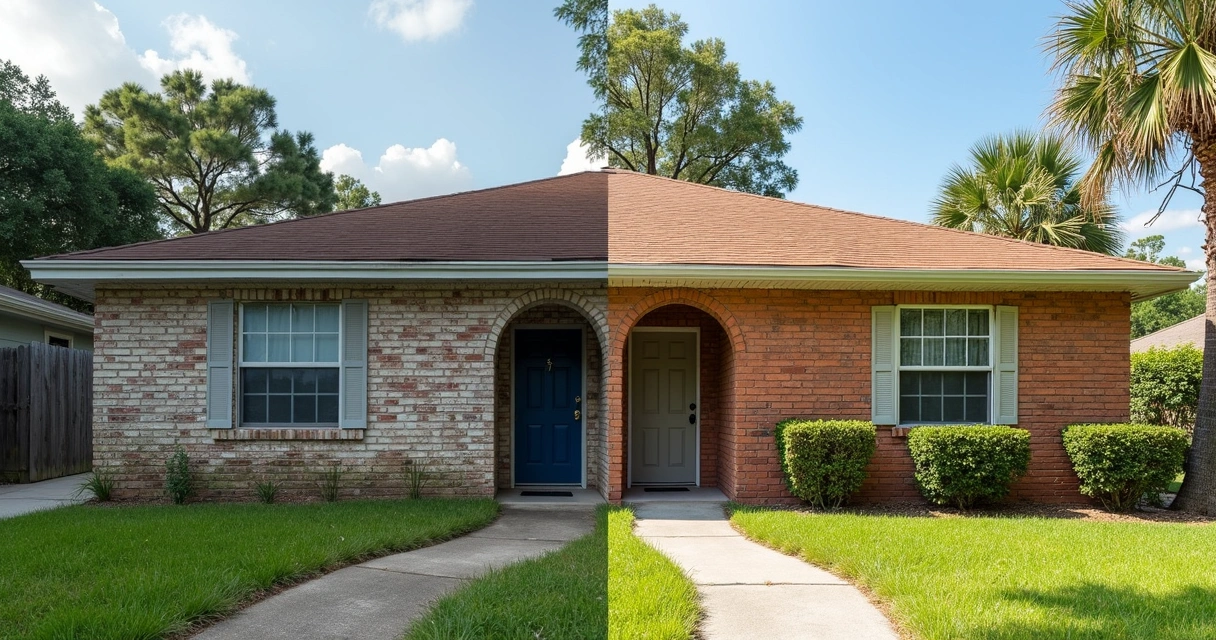
We’ve completed projects in many Central Florida neighborhoods where the brick was faded, stained with mildew, or just looked tired. After painting—whether matte, eggshell, satin, or elastomeric—the results were often dramatic. Homeowners report experiencing:
- Easier cleaning after storms
- Surfaces that resist fading for years
- Noticeably cooler rooms near sun-facing walls when light colors and smooth finishes are chosen
We also see homes where a carefully-chosen semi-gloss finish on brick details or trim frames entryways and windows, giving them a high-end touch that used to require new construction. Integrated lighting and pavers can complete the transformation, as explained in our hardscaping guides.
Maintenance and touchup tips for painted brick
Satin and semi-gloss are the easiest to maintain in Florida, requiring just a mild detergent wash after pollen season or storms. Flat finishes, though attractive, may need spot cleaning and, over time, more frequent repaints—especially under big oaks or in shaded areas that never fully dry. Elastomeric coatings will often go a decade between new coats, provided they were applied over sound masonry and primer.
Touchups are simple if you keep leftover product labeled with color and batch. For larger surfaces or after major storms, repaint only the sunniest or rainiest sides—north and east walls often last longer. For more exterior and maintenance ideas, the category section offers extra resources for Florida homes.
Cost comparisons and the value of professional preparation
At GCM Best Services, we’ve learned that the finish itself is often less of the cost than preparation and application. Professional prep saves money in the long run—by ensuring that the paint sticks, resists Florida’s punishing cycles, and won’t peel after the first season.
Flat and eggshell are usually the most affordable finishes, but may cost more over a decade with added maintenance. Satin and semi-gloss sit in the mid-range, with elastomeric at the high end due to materials and labor. But elastomeric can delay expensive brick or mortar repairs by sealing out water.
In most cases, our clients find that picking the right finish for their specific brick, sun exposure, and intended use is the best way to protect their investment. Smart finish choices add up to lower hassle, better curb appeal, and even smaller utility bills.
Summary: What finish should you choose for painted brick in Florida?
Every homeowner’s priorities differ, but here’s how we’d sum up our experience:
- Choose satin for most painted brick; it brings durability, easy cleaning, and a classic look.
- Go eggshell if you love minimal shine but want better washability than flat paint.
- Reserve semi-gloss for bold details, columns, or high-traffic areas where stains happen often.
- Pick elastomeric for aging, cracked, or storm-exposed brick where maximum weatherproofing is needed.
- Always opt for lighter, reflective colors when possible to reduce heat gain and maintenance.
Whatever your choice, a solid prep, breathable primer, and premium exterior paint matter as much as finish. Projects with these elements outperform quick DIY jobs—both in appearance and staying power. If you’re still on the fence, browsing some recent transformations in our gallery might spark the right idea for your own home.
Ready for a professional quote? 📞 (407) 250-1948 • 24–48h • Orlando, Tampa & area. If you want your brick exterior to look beautiful, stay protected, and be easy to care for, let’s plan your next project together. At GCM Best Services, we’ll help you choose—and deliver—a finish that fits your style and stands up to Florida’s real-world demands.
Frequently asked questions
What is the best paint finish for brick?
For most Florida homes, satin is the best all-around finish for painted brick. It delivers superior durability, resists weathering, and is easy to clean. Some may prefer eggshell for low shine or semi-gloss for high-traffic utility, but for general curb appeal with minimal upkeep, satin wins in our experience at GCM Best Services.
How does Florida weather affect paint finishes?
Florida’s sun, humidity, and storms put extra stress on painted exteriors. UV rays fade certain finishes faster (especially flat), while humidity and rainfall test washability and mildew resistance. That’s why premium exterior paints in satin or semi-gloss, with UV blockers, are preferred for lasting protection on brick in our climate.
How often should brick exteriors be repainted?
Brick exteriors in Florida often need repainting every 5–7 years for optimal appearance and protection. Flat finishes may require touchups sooner, especially on sun-exposed or damp areas. Elastomeric coatings can extend repaint cycles to 8–10 years if applied over well-prepared, stable surfaces and with annual maintenance.
Is it worth it to paint brick?
Painting brick can be well worth it for Florida homeowners who want a low-maintenance, modern look and better weather resistance. Painted brick is easier to clean, resists mildew, and can reflect more heat—especially with light colors and satin or semi-gloss finishes. A professional job can increase curb appeal and resale value.
Where to find brick paint professionals in Florida?
If you’re in Central Florida, GCM Best Services offers licensed, insured painting solutions for brick exteriors with warranty and proper preparation. You can learn more about our step-by-step process, see recent projects in our blog, or call us for a quick quote. Our team knows what works for brick in Orlando and the surrounding areas.