In Central Florida, people often ask us whether it’s a good idea to insulate paver walkways. The local climate, known for its rain, heat, and humidity, adds some unique factors to paver installations compared to other regions. The choice to insulate pavers has grown in popularity, with many homeowners and business owners asking about its actual value, best practices, expected benefits, and potential drawbacks. At GCM Best Services, we’ve seen insulation trends evolve and have hands-on experience with what truly works for long-lasting, beautiful, and functional outdoor spaces. In this article, we break down the real-world benefits, methods, and things to consider, so you can make the best decision for your property in Orlando or anywhere across Central Florida.
Insulation goes beyond warmth—it’s about protection, comfort, and long-term value.
What is insulation for paver walkways?
When discussing paver walkway insulation, we’re talking about adding a layer between the pavers and the ground or using specific construction techniques and materials that create a insulation effect. This can mean thermal insulation, moisture barriers, or both. In places like Central Florida, where ground movement, extreme bounce from rain, and sun exposure are everyday issues, insulation serves several purposes.
Insulating a paver walkway may involve steps such as:
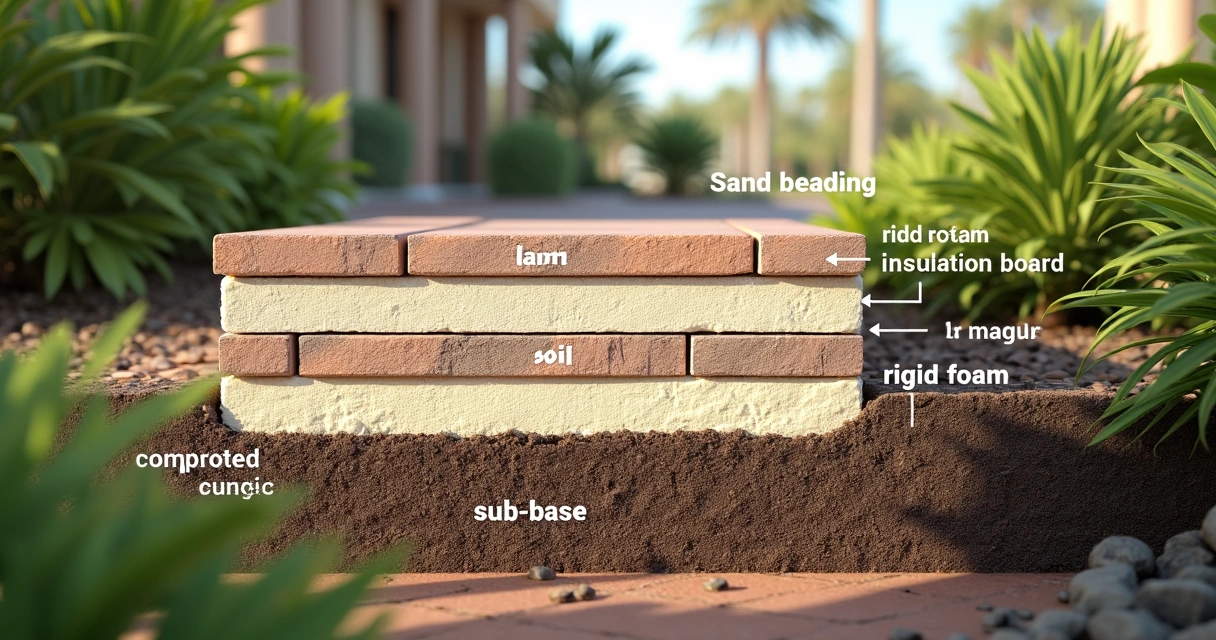
- Installing foam board or rigid insulation panels underneath the bedding layer
- Adding vapor or moisture barriers to limit dampness from below
- Using specialty bedding sands or geotextiles designed for temperature control and moisture resistance
- Applying reflective or “cool” coatings directly on pavers for heat management
Most often, the type of insulation chosen depends on the desired outcome—whether it’s to reduce the surface temperature, improve freeze/thaw resistance in rare cold snaps, restrict weed growth and moisture movement, or optimize drainage. At GCM Best Services, we consider site-specific concerns for every project, ensuring solutions meet both performance goals and code requirements.
Why consider insulating your paver walkways?
The climate of Central Florida makes paver insulation an interesting topic. While many regions use insulation to combat freezing and frost heave, in our area, the focus shifts toward managing moisture, drainage, heat, and durability. We’ve noticed more customers wanting their paver paths and patios to last longer, stay cooler, manage heavy downpours, and prevent weeds or shifting.
- Paver insulation reduces surface heat, improves comfort, and protects underlying materials.
- Insulation can prevent upward movement of moisture, limiting mold, mildew, and weed growth.
- It helps manage stormwater, keeping the walkways safer during and after heavy rain events.
- It may also increase the longevity of a walkway by protecting the sub-base from erosion.
Insulated walkways mean less heat, fewer weeds, and longer-lasting beauty.
Let’s look more closely at these benefits and whether insulation makes sense for your project.
Thermal benefits: Keeping walkways cool and comfortable
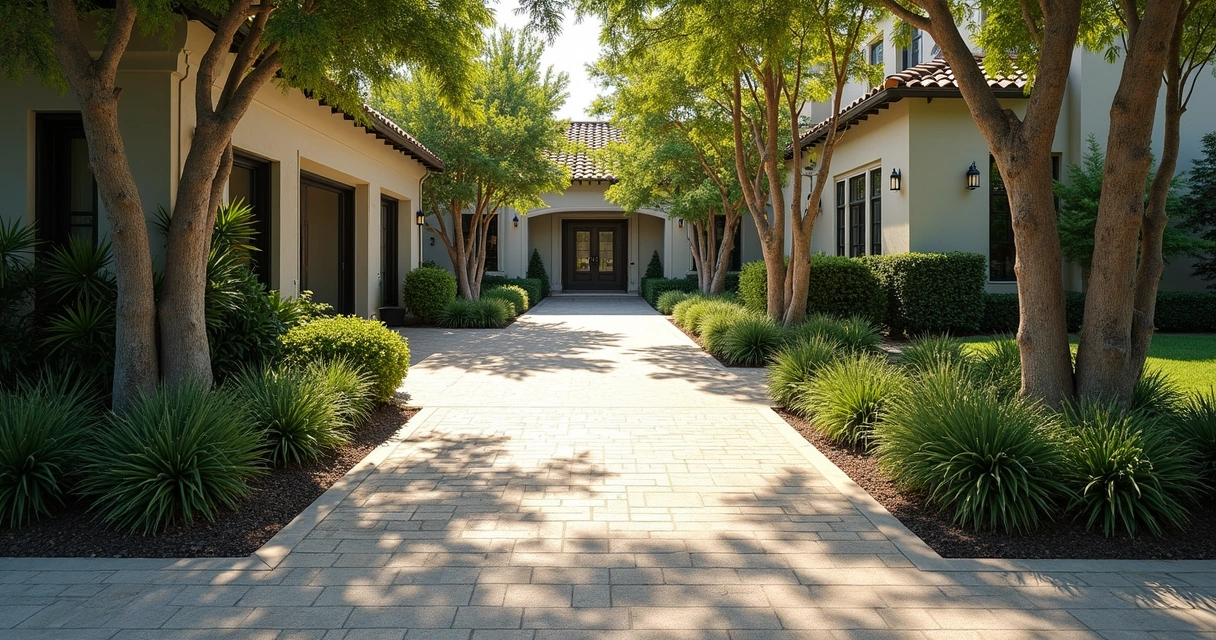
Paver walkways can get extremely hot in the Florida sun. While pavers are chosen for durability and appearance, dark or uncoated surfaces can easily exceed 120°F on summer afternoons—a problem for bare feet, pets, or kids. Insulation and reflective surfaces can play a big role in reducing temperatures.
Cool pavers and insulated layers keep surface temperatures several degrees lower, making walkways more comfortable for daily use.
Studies by the Heat Island Group at Lawrence Berkeley National Laboratory show that cool pavements—including those with insulation or reflective finishes—can reduce ambient air temperatures and cut energy usage in nearby buildings. This advantage is pronounced in tightly built neighborhoods or commercial zones, especially when several walkways or patios are installed close together (Heat Island Group at Lawrence Berkeley National Laboratory).
Practical benefits of cooler walkways include:
- More usable outdoor paths during the hottest months
- Increased safety and comfort for pets and children
- Potential reduction in air conditioning costs for adjacent structures
Moisture, drainage, and weed control
One of the biggest pain points for Florida walkways is persistent moisture. With sandy soils, frequent afternoon downpours, and high humidity, water management is key. Without proper insulation or underlayment, pavers may allow moisture from below to push upward, softening bedding sands, causing settling, and encouraging weed growth. That’s why every quality paver installation in our region, like those from GCM Best Services, includes a rigorous approach to prepping the substrate.
Insulating layers and geotextiles can help by:
- Blocking capillary rise of ground moisture
- Directing water toward designed drainage solutions, not back up through the paver joints
- Making it tougher for weed roots to penetrate from below
- Reducing staining and efflorescence caused by moisture and minerals rising up
Florida’s climate rewards those who control water under their walkways.
Research by the U.S. Geological Survey confirms that permeable pavement systems, when insulated and installed with proper moisture barriers, can dramatically improve stormwater management while also reducing total suspended solids by about 60% (U.S. Geological Survey research).
For more detailed information about integrating drainage solutions for paver walkways in our climate, we encourage reading our guide on effective drainage for brick paver installations in Florida. Drainage and sub-base prep go hand in hand with insulation decisions.
Types and methods of paver walkway insulation
Depending on your site conditions and goals, there are several main methods for insulating paver walkways. At GCM Best Services, we recommend solutions tailored for Central Florida’s soils, rainfall, and temperature swings. Here are the proven methods:
1. Rigid foam board underlayment
We often use foam insulation boards below the bedding layer. They provide a lightweight, moisture-resistant, yet thermally-protective barrier. Common materials include extruded polystyrene (XPS) and expanded polystyrene (EPS). Foam boards break the direct thermal link between hot (or cold) pavers and the soil beneath.
- Recommended for: walkways near pool decks, patios exposed to sun, areas with poor drainage
- Helps prevent heaving in rare freeze cycles
- Needs proper edge sealing and drainage design to avoid trapping water
A hidden layer can change how your walkway feels all year.
2. Geotextiles and vapor barriers
Heavy-duty geotextile fabrics can be placed beneath the sand bedding or base. When combined with a vapor barrier membrane, this system keeps water from rising up while maintaining strength and flexibility in the paver system.
- Recommended for: areas with high groundwater, moisture-sensitive locations
- Improves weed resistance and bedding lifespan
- Often paired with traditional compacted bases for best performance
3. Special bedding sands
Some installations use engineered bedding sands or mixes with added binders, polymers, or water repellents. These help keep the layer stable and less susceptible to water migration, even during storms.
Specialty sands maintain joint integrity and make weed growth more difficult.
4. Reflective or ‘cool’ coatings
Direct coatings or the use of blended aggregate pavers can reflect more sunlight. These are applied on the paver surface and can either be part of the initial installation or a retrofit to existing walkways.
- Reduce surface heat and UV wear
- Available in many colors and textures
- Can be re-applied over time
5. Hybrid layered systems
For high-end or performance installations—such as outdoor walkways in commercial centers, or pool decks exposed to heavy use—we sometimes combine rigid insulation, geotextile barriers, and special bedding sands for maximum benefits in comfort, stability, and durability.
Potential downsides and considerations
While insulated walkways have many benefits, there are considerations every property owner should weigh before making the choice. In our experience, these include:
- Added material and installation cost compared to direct-over-sand paver installs
- Need for accurate drainage design to avoid trapping water against buildings or structures
- Occasional need for repairs if foam or insulation is punctured by digging or ground movement
- Risk of improper insulation leading to “floating” or shifting of paver surfaces
Insulation increases the technical complexity of paver walkway projects and needs professional planning.
We always assess the site, consider slope and runoff, and check with HOAs or local building codes before recommending insulation layers. Customizing each project, as we do at GCM Best Services, means fewer unpleasant surprises and longer-lasting results. If you want a full breakdown of what a typical paver walkway installation estimate covers—including insulation and sub-base work—take a look at our definitive guide to brick paver installation estimates.
When insulation makes sense
Over the years, we have found that insulating paver walkways is usually the right choice if one or more of the following apply:
- The walkway receives intense sun and gets very hot in summer
- The soil is soft, wet, or prone to shifting
- The area sees regular weed growth from below
- Heavy foot traffic or rolling loads cross the path often
- There’s a need to tie in with insulated patios, driveways, or pool surrounds
Some projects—like those in shaded, well-drained spaces with minimal heat buildup—may get by fine without insulation. But in our view, it pays to think ahead. Especially for high-value or high-use walkways, insulation provides durability and peace of mind. We balance added cost against potential savings in repairs, comfort, and maintenance over the long term.
Proper insulation step by step
If you choose to insulate your walkway, here is a broad overview of how a professional team like ours at GCM Best Services would approach the task:
- Conduct a site inspection to assess soil, drainage, slope, and sun exposure
- Obtain needed permits and communicate with HOAs as required
- Excavate to the required depth to fit base, insulation, bedding, and paver thickness
- Install and compact the base layer, ensuring proper slope away from structures
- Lay geotextile or vapor barrier for separation and moisture control
- Add rigid foam insulation boards with tight, sealed joints where needed
- Place and level the bedding sand or specialty base mix on top
- Install pavers in the desired pattern, with care not to shift the bedding
- Finish joints, edges, and restrain borders to prevent future shifting
- Seal or coat the surface for additional cooling or moisture resistance, if planned
- Verify drainage paths, clean the area, and conduct a final walkthrough
A quality installation is only as good as its foundation and underlayment choices.
Our process always includes photo documentation, written warranties, and clear communication throughout each step—features our customers in Orlando and Central Florida have come to trust from GCM Best Services projects.
How paver insulation fits with other property improvements
We often see customers pairing walkway insulation with upgrades to driveways, patios, or pool decks. This ensures a consistent performance and appearance throughout all paved areas. Our team coordinates design, permitting, and material choices to make sure all elements work together for drainage, durability, and appearance.
For homeowners and businesses interested in expanding or improving their hardscape, our driveway and patio paving services and hardscape solutions can be customized with similar insulation and drainage features. Those planning to prevent weed growth in walkways and patios should also look at our recommendations on weed control for pavers—some of which naturally overlap with insulation benefits.
The link between insulation, maintenance, and longevity
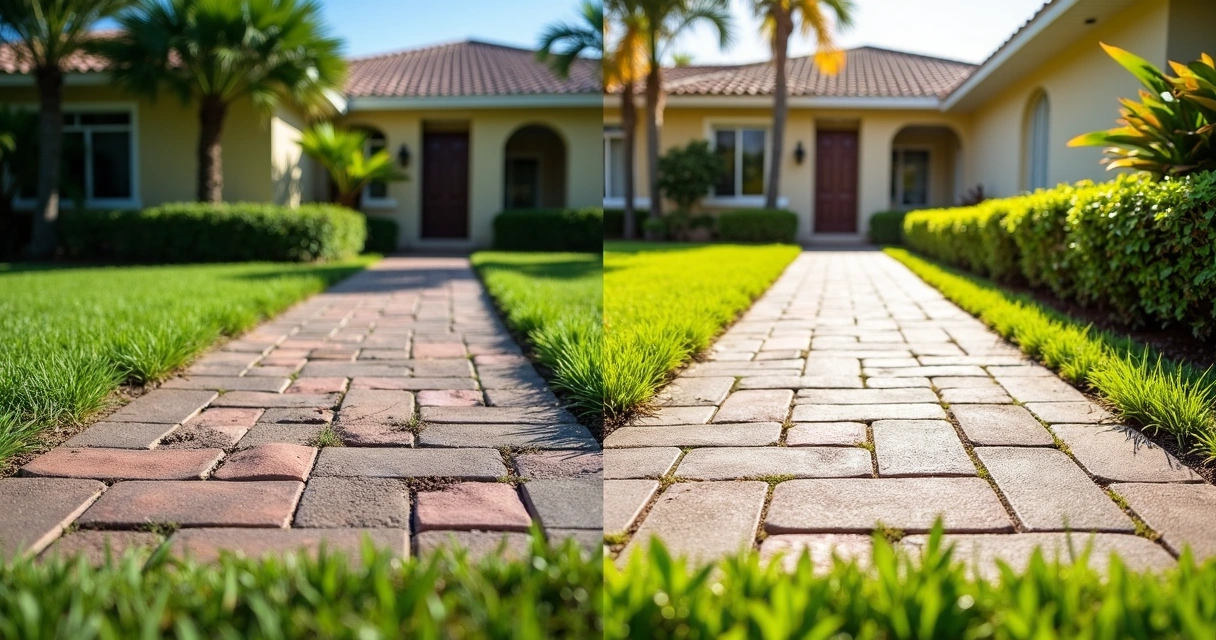
Properly insulated paver walkways tend to last longer and require less frequent repairs. By blocking moisture, reducing heat stress, and stabilizing the base, insulation slows down many of the problems that shorten the lifespan of outdoor paths—like shifting, sinking, algae growth, and fissures in the bedding layer. We’ve seen walkway projects that required major repairs after just five years, while similar insulated installations stood up beautifully for much longer.
Choose insulation and you may go years without needing more than simple cleaning and resealing.
Avoiding early repairs means saving money and hassle. At GCM Best Services, our warranty and maintenance guides are matched to the system you choose, so you can plan ahead with confidence.
Insulation and Florida building codes
Many of our customers ask if insulation is necessary for code compliance. In most Central Florida municipalities, insulation isn’t specifically mandated for outdoor walkway pavers, but stormwater management, drainage, and slip resistance usually are. Insulation can be a key tool in meeting drainage code requirements and minimizing hazards. If your walkway is near pools, driveways, or public access points, insulation and moisture barriers align with building best practices—even if not strictly required by code. We always specify products and installation methods aligned with Orlando and Central Florida standards.
Should you insulate your walkway? How to decide
At GCM Best Services, we don’t think every single walkway requires insulation. Site conditions, exposure, traffic, maintenance preferences, and budget all influence the final decision. We recommend asking a few questions before choosing insulation:
- Does the area get hot enough to be uncomfortable for bare feet or pets?
- Have you experienced weeds, moss, or mildew forming between pavers?
- Is your soil frequently damp or prone to pooling water?
- Does your HOA or municipality have specific drainage or stormwater rules?
- Are you planning to invest in high-end pavers or want peace of mind against shifting?
If any of these apply, insulation is worth discussing in your next walkway project. We are always happy to walk you through the process, evaluate your property, and recommend what works for your goals and budget.
Conclusion: Florida walkways that last and look better
We believe insulation is a smart, future-forward investment for many (but not all) paver walkways in Orlando and throughout Central Florida. The right insulation keeps walkways cooler, drier, more stable, and looking new for years longer—especially when installed professionally and tailored to each site. If you care about comfort, durability, and lower maintenance, insulation is an option that’s hard to ignore, especially for high-value paved areas.
Our team at GCM Best Services approaches each walkway as a custom project, from the initial on-site assessment through detailed quotes, scheduling, and final warranty. If you’re thinking about a new walkway or want to make the most of your current pavers, insulation may be the detail that takes your property to the next level.
Ready for a professional quote? 📞 (407) 250-1948 • 24–48h • Orlando, Tampa & area. Let’s get your walkway project started the right way.
Frequently asked questions
What is paver walkway insulation?
Paver walkway insulation is the process of adding a thermal or moisture-resistant layer underneath pavers to provide benefits such as temperature control, moisture management, and weed reduction. This often involves using rigid foam boards, geotextiles, vapor barriers, or special bedding layers to improve comfort and durability in outdoor paved areas.
What are the benefits of insulating pavers?
Insulating pavers provides several benefits: it keeps the surface cooler in direct sunlight, improves comfort for bare feet and pets, reduces moisture rising from the ground (which helps prevent weeds and mold), and increases the longevity and stability of the walkway. By managing both temperature and water, an insulated paver walkway is less likely to shift, sink, or require frequent repairs.
How to insulate a paver walkway?
To insulate a paver walkway, start by preparing and compacting the sub-base, then lay a vapor barrier or geotextile fabric, followed by rigid foam insulation panels if desired. Place the bedding sand or special mix, set your pavers, and finish with sealing or edge restraints for stability. Each project may vary, so professional planning and drainage consideration are recommended, especially in Florida’s wet and sunny climate.
Is it worth it to insulate pavers?
In regions with extreme sun or heavy rainfall like Central Florida, it is often worth insulating paver walkways—especially if you want cooler surfaces, less weed growth, and longer-lasting paths. The value is highest when insulation prevents problems such as heaving, weed growth, and drainage issues, leading to lower maintenance costs over time. For shaded areas or less-used paths, the investment may be less significant.
How much does paver insulation cost?
Paver insulation typically adds 10–20% to the total walkway installation cost, depending on material choice, site conditions, and project size. Costs can vary widely, with small walkways on easy terrain requiring less investment than large, complex, or sloped areas. Most of our customers find the comfort and durability provided by insulation to be a good value in the long run. For tailored quotes and options, we provide free on-site assessments throughout Central Florida.