Primary keyword: Playground synthetic turf systemsVariants: Synthetic turf playground safety, Safe artificial turf playgrounds, Playground turf installation
Audience pain/benefit: School and community leaders stress over playground injuries, messy surfaces, and Florida’s climate. Modern turf systems help cut risks and keep play zones cleaner, softer, and more accessible for kids.
Designing playgrounds is one of our favorite challenges at GCM Best Services. We see every new play zone as more than a “project,” but a place where laughter, growth, and safety are non-negotiable. As families and schools across Central Florida look for durable, easy-upkeep surfaces, interest in synthetic turf systems for playgrounds keeps rising. But with it comes more questions about safety, heat, drainage, and what’s really best for kids.
In this article, we’ll map out how to plan a safe, fun playground using synthetic turf. We want parents, facility managers, and even future young architects to see what goes into great play zones: from site prep and shock-absorption layers to thoughtful drainage and keeping turf cool and non-toxic. Along the way, we’ll share proven methods, address health studies, discuss compliance, and show how companies like ours in Orlando bring these playground dreams to life.
Why synthetic turf is changing playground design
Years ago, sand, mulch, or plain grass covered most playgrounds. But, as we all know, those solutions rarely stay soft, clean, or safe in Florida’s conditions. Our teams have seen first-hand how rain, sun, and foot traffic quickly turn grass into dirt patches, while sand hides hazards and harbors bugs. That’s why so many parks, schools, and communities now turn to purpose-built synthetic turf systems for safer, cleaner play all year round.
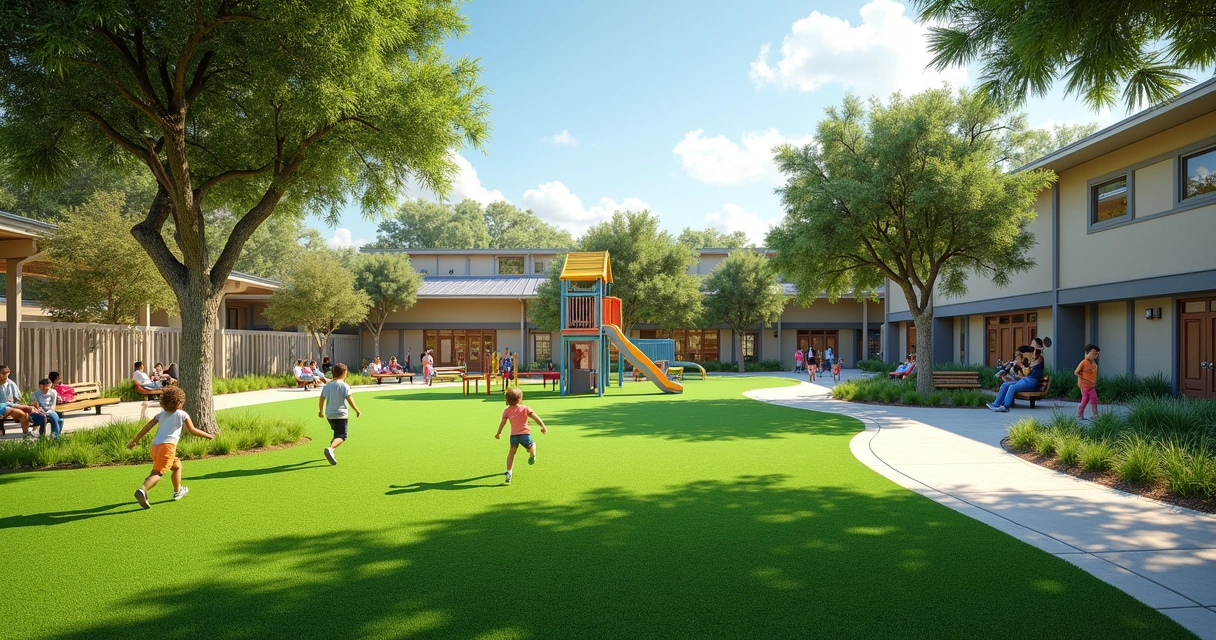
Synthetic turf for play areas stays even, doesn’t wash away, and resists wear—making it a smart choice for high-traffic zones. A proper system offers a smooth, mud-free, trip-resistant surface that helps shield kids from scrapes and falls. Modern turf systems, such as those designed by our team at GCM Best Services, can look and feel surprisingly close to natural grass, but with much more predictable safety, longer life, and built-in drainage.
Core benefits of synthetic playground turf
- Consistent, soft surface with custom shock-absorption layers tailored to fall heights
- Quick drainage—reducing muddy, slippery areas after rain
- Surfaces stay level and don’t get rutted or patchy
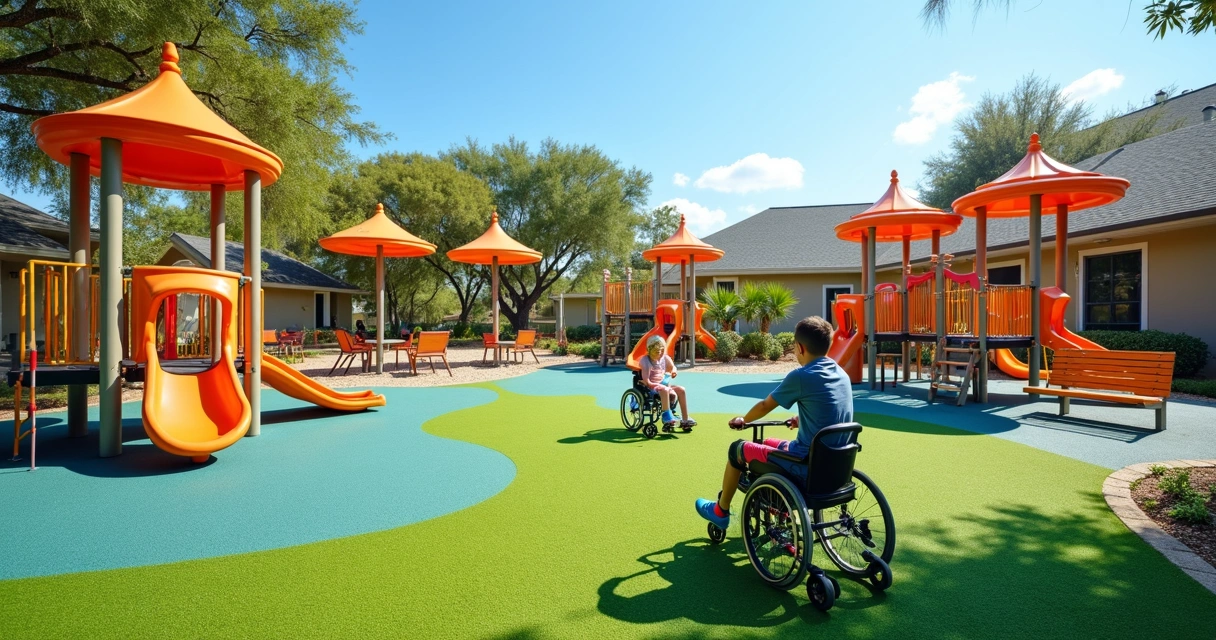
- Easier accessibility for children using mobility aids
- Lower upkeep—no mowing, fertilizing, or frequent replenishing of mulch or sand
- Designed to minimize tripping hazards and support ADA guidelines
But just picking any turf isn’t enough for a safe playground. We guide our clients through a careful planning process, meeting safety codes and choosing turf options that make sense for Florida.
What defines a “safe” playground turf zone?
It’s not just about putting down some green carpet. There are layers—literally and figuratively—to get right. Safety comes from how the system is designed and built, not just the look of the surface you see.
Impact attenuation: Why the underlayment matters
Children love to climb, jump, and sometimes fall. The real safety test is how the surfacing absorbs impact. To meet both local and national standards, we always focus on these:
- Proper base and drainage: We install a stable, compacted sub-base—often 4–6″ of crushed stone—and ensure water drains away so the turf doesn’t get squishy or unstable.
- Shock pads or foam layers: Special foam or rubberized underlayments are installed under the turf. They’re rated for “fall heights”—up to 5 or even 8 feet, depending on the play equipment above.
- Consistent surface: Turf seams are bonded and edges anchored, avoiding wrinkles that could trip children.
We always select shock pads that are designed and laboratory-tested to meet ASTM F1292 standards for impact attenuation. This means that, in a real fall, the surface helps reduce the risk of head injury. Our installation methods align with national standards and local safety codes.
Surfacing temperature and chemical safety: Addressing modern concerns
Recent research, including findings by the Mount Sinai Children’s Environmental Health Center, raises valid points about safety uncertainties. There are questions about turf surface heat and exposure to certain chemicals. We take these concerns to heart every time we design a new playground in Central Florida.
- Heat: Artificial turf in direct sun can get much hotter than natural grass. Studies like those referenced by the National Center for Health Research show high midday temperatures can cause discomfort or burns, especially if kids are barefoot. That’s why, for open areas, we plan for shade trees, shade structures, or turf varieties engineered to stay cooler.
- Chemical exposure and off-gassing: Modern playground turf is manufactured to minimize lead, PFAS, microplastics, and dangerous outgassing. We recommend suppliers that share lab results about what’s in their products, and always follow guidelines for safe use, as outlined in leading health center position statements. When in doubt, we encourage local facility owners to request third-party test data.
- Safe infill: Instead of traditional rubber crumb, which raises some concerns, many modern systems use encapsulated sand, antimicrobial infill, or new “cool” infill blends that help reduce both heat and odor.
Playgrounds should invite, not intimidate.
At GCM Best Services, we are transparent about the products we use and always prioritize systems that align with latest research and family concerns.
Planning for every player: Compliance and accessibility
Beyond falls and chemicals, playgrounds should be fun and safe for everyone. Synthetic turf makes it easier to create spaces that support all ages and abilities.
- ADA accessibility: We install turf to create firm, stable paths for wheelchairs and strollers, unlike mulch or gravel which can get rutted.
- Seam transitions: Turf should blend seamlessly into paver walkways and curbs (see our hardscape solutions), with tapered edges to avoid trip hazards.
- Clear zones: Pads beneath play equipment are sized to meet code requirements for clearance and fall zones.
Proper signage, good lighting, and integration with drainage are also part of our design checklist.
Site preparation and drainage: Getting the groundwork right
Central Florida’s soils can be sandy, clay-like, or variable across a small space. We know that proper site prep always pays off. Here’s how we do it at GCM Best Services:
- Grading: The whole play area must slope gently so water runs off, but never so much that it causes slips.
- Drainage layers: Beneath the turf, we build a free-draining base, with side drains if needed. This keeps the surface dry and free from pooling after our heavy summer rains.
- Root barrier: When installing turf near trees or shrubs, we add barriers to protect both the plants and the playground surface.
Our teams regularly coordinate with landscape architects and HOA representatives to ensure every step meets code, looks natural, and performs for years. Every playground, no matter how large or small, gets a customized drainage design during install.
Choosing the right turf for playgrounds
There is no “one size fits all” in playground turf. The choice depends on foot traffic, budget, age group, sun/shade, and what play equipment is planned. Based on our experience, here are key features we look for:
- Non-abrasive yarns that feel soft to touch
- UV-stabilized fibers for long-lasting color and durability
- Permeable, quick-drainage backing to prevent surface water
- Infill type that meets safety and temperature goals
- Color and pile height to mimic natural grass and reduce glitter or shine
We often show clients samples to compare texture, color, and temperature when exposed to sun. We also go through warranty details, clarifying what is covered and how to maintain the system for a long, safe life.
Project spotlight: Building a playground that works
We want to share a true-to-life picture from a recent playground project in Orlando. The school wanted a mud-free, soft play surface that looked inviting and met strict fall-height standards. Our approach walked them through every phase, from site analysis to final walkthrough:
- Site survey: We mapped out the equipment layout, measured required clear zones, checked soil stability, and identified drainage needs.
- Base construction: Existing turf and soil were excavated and compacted rock and geotextile added for stability and drainage.
- Shock pad installation: Impact-absorbing foam panels were laid down, tailored for each piece of playground equipment according to fall-height standards.
- Turf selection: After onsite demos with parents and staff, a “cool fiber” blend was chosen to reduce temperature. Sand-based infill kept the surface stable but cooler than crumb rubber.
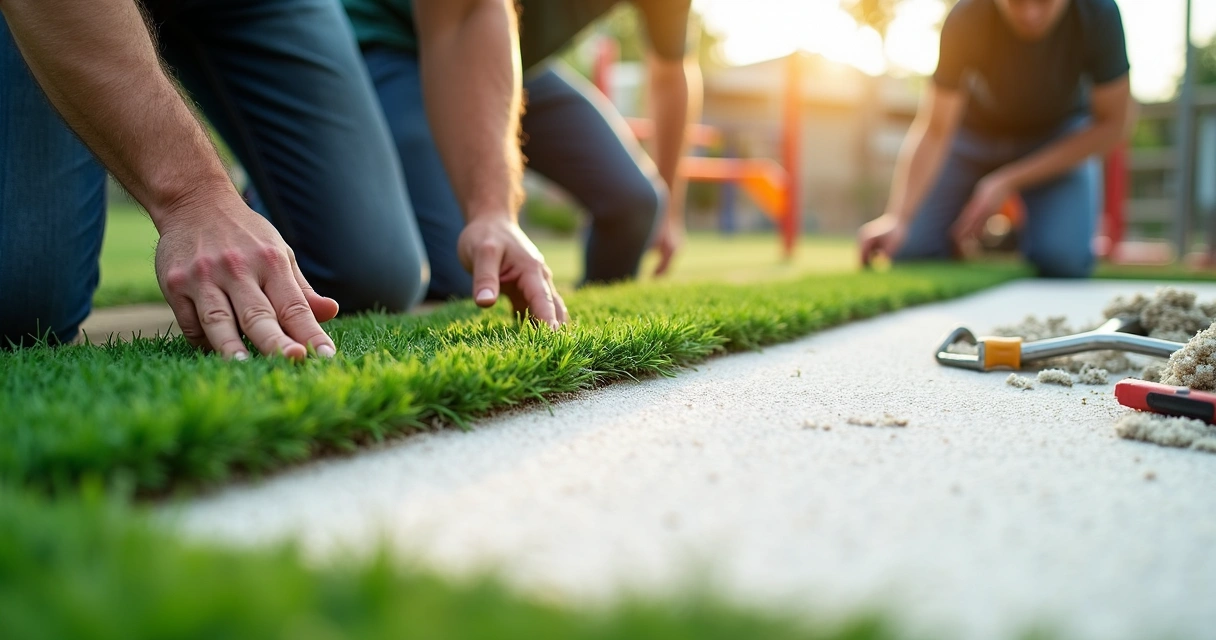
- Seamless install: Turf was rolled, trimmed, and bonded for a stretch-free surface. Infill was brushed in, and edges secured to concrete borders and paver walks.
- Walkthrough and care guide: The team did a final site walkthrough and handed over a written warranty and maintenance guide.
This process is similar to what clients can expect throughout Central Florida when working with experienced, licensed contractors like GCM Best Services. Our photo record and clear communication brought the administration extra peace of mind.
Turf maintenance for long-term safety and appearance
The best systems are low-maintenance, but “maintenance-free” surfaces do not exist. For playground turf, the schedule is straightforward:
- Regular brushing with a stiff broom to keep blades upright and infill evenly spread
- Occasional sanitizing spray, especially in high-use public zones
- Checking seams and infill depth 1–2 times a year, topping up or tightening as needed
- Quick spot-cleaning of gum, food, or spills
- Leaf and debris removal—essential in Florida’s leafy neighborhoods
We always leave our playground clients with a simple care guide and encourage them to call us for annual checkups, repairs, or questions.
What about integrating turf with hardscape and other features?
A safe and attractive playground almost always needs a blend of surfaces. Synthetic turf pairs seamlessly with paver paths, curb edges, benches, and multipurpose zones. We often design:
- Curving paver walkways that divide play areas by age group or type of activity
- Rubberized or colored paver zones for hopscotch and creative games
- Integrated drainage grates and transition strips between turf and hardscape
- Artificial turf borders around trees or flower beds with mulch or stone
Our expertise includes both turf and hardscape projects in Orlando, which makes it easier to craft a complete playground. The result is a “finished” space—no rough edges.
How we manage playground projects in Central Florida
School boards, HOAs, and city parks all want the same thing: a project that’s safe, code-compliant, and done on time. At GCM Best Services, our process includes:
- Free site assessment and detailed estimate up front
- Clear design documents showing falls zones, materials, and all permitted work
- Permit management and coordination with inspectors or HOA review
- Organized execution, with photos, timelines, and daily cleanup
- Final walkthrough and a written warranty
This approach removes surprises and keeps playgrounds on pace—even if the Florida weather tries to test our patience.
Heat and environmental questions: Staying proactive
After high-profile studies from medical and health groups, it’s natural for families and managers to ask tough questions about chemical safety and field temperature. We take a proactive answer:
- We choose infills and turf fibers with proven lab data for low VOC, minimal chemical leaching, and less surface heat.
- We recommend plantings or built shade structures where possible.
- We educate on monitoring temperatures—no surface is burn-proof at peak summer, but turf blends and design choices can make it much safer.
Every public playground project gets a review of product Safety Data Sheets, and we never install anything that we wouldn’t accept for our own families.
Planning for the future: What playgrounds can become
In the years ahead, we think synthetic turf will only get better: cooler, safer, and even more eco-friendly. Advances in infill technology, recycled-content products, and better shade planning are making playgrounds more inviting and inclusive than ever. But the best playgrounds will always be shaped by thoughtful human design, not just new materials.
At GCM Best Services, every project is a promise. We’re proud to help shape safe, beautiful play spaces where children can run, climb, and dream. If it matters to you that your school, HOA, or local park’s playground is built for safety and lasting fun, let us help. Our team is ready to assess your space and recommend trusted playground turf and installation for Central Florida’s unique needs.
For more details about artificial turf systems and how they work, see our resource pages on artificial turf and review project insights at our company blog.
Every playground deserves a surface that keeps kids smiling—and parents confident.
Ready to talk about your playground project? Schedule a no-obligation assessment today with GCM Best Services, and let’s create a safe, beautiful play zone for your community.
Frequently asked questions about playground synthetic turf systems
What is synthetic turf for playgrounds?
Synthetic turf for playgrounds is a manufactured grass-like surface designed with soft, child-friendly fibers and a system of shock-absorbing pads underneath. This system creates a level, cushioned surface that looks like natural grass, drains quickly, and stays durable with everyday play. Playground turf is different from sports turf—it’s built to minimize cuts and scrapes and to absorb the impact from falls off play equipment.
How safe is synthetic turf for kids?
When installed with certified shock pads and proper drainage, synthetic turf meets national safety standards for playgrounds and can help prevent injuries. Installations by reputable contractors, like GCM Best Services, meet ASTM standards for impact and comply with local codes. Concerns about heat and chemical exposure do exist, as recent research shows, which is why it’s important to choose certified safe products and consider heat mitigation strategies like adding shade.
How to maintain playground synthetic turf?
Maintenance for playground turf includes regular brushing to keep blades upright, spot-cleaning debris or spills, checking seams and infill levels, and occasionally disinfecting busy areas. Leaves and debris should be cleared to ensure proper drainage and surface performance. A quick monthly inspection is usually enough, with more detailed checks done once or twice a year.
Is synthetic turf worth the investment?
For many schools, parks, and HOAs, playground turf pays off through reduced injuries, easier cleaning, and longer life compared to mulch or grass. It avoids muddy, uneven surfaces and stays attractive with less work. The upfront cost is higher, but you save on ongoing mowing, re-mulching, and repair. Plus, warranties can last 8–15 years or more.
Where to buy quality playground turf?
Schools and communities should always buy through licensed, insured contractors who offer product transparency, certified install crews, and written warranties for playground turf. At GCM Best Services, we help Central Florida clients choose, install, and maintain quality playground synthetic turf for years of safe, fun play.
Ready for a professional quote? 📞 (407) 250-1948 • 24–48h • Orlando, Tampa & area.