Artificial turf promises a worry-free, evergreen yard—until the gentle breeze carries a reminder that Fido was just there. We at GCM Best Services have seen how quickly pet odors can become an annoying, stubborn guest on artificial grass, especially under the sun and humidity of Central Florida. The good news? With the right approach, a lush, odor-free artificial lawn is not just a dream. It’s something we’ve helped families and businesses enjoy season after season.
A truly fresh yard is possible—no matter how many paws enjoy it.
In this guide, we will reveal proven methods, practical routines, and product choices that make a real difference for pet owners. Drawing from our hands-on experience serving the Orlando and Tampa areas, we’ll walk through the process, from what causes the stink to how to get rid of it and stop it from returning. We’ll also touch on the particular needs of Florida installations—because our soil, storms, and sunshine demand best practices at every step.
Why pet odors develop on artificial turf
Before prescribing a solution, we look at the source. Pet odors on artificial turf are caused by a combination of urine and organic matter that get trapped between the blades and infill, then linger in the base layer. Unlike natural grass, artificial turf doesn’t absorb liquids or break down waste with soil microbes. Instead, residue can settle into the backing—even more so if drainage isn’t ideal.
Several factors in Central Florida can make matters worse:
- High humidity encourages bacterial growth, intensifying natural smells
- Heavy rain may wash away surface debris, but can carry waste deeper into the infill
- Warm weather accelerates the breakdown of organic matter, producing ammonia-like scents
At GCM Best Services, we have seen how some installations, if not planned for pets, can lack adequate drainage or proper infill. That’s when persistent odors really take hold. For homeowners considering a new installation, our Orlando artificial turf team always plans for good drainage and pet-friendly infill blends from the start.
How to prevent pet odors before they start
While many people first think of cleaning after the fact, our experience tells us most odors are much easier to prevent than to remove once established. These steps can be built into installation and daily use so odors never become a battle:
Start with a proper base and drainage
A compacted aggregate base that allows for fast drainage is the best foundation for any pet area. The base should be at least 3–4 inches thick, with a slight grade away from structures and toward drains. This is especially true in areas like Orlando and Kissimmee where heavy rain is common. If you want more information on how we professionally construct bases, our hardscape solutions page details how to plan for proper water movement.
Use pet-friendly infill
Some infills hold onto odors more than others. Antimicrobial, odor-neutralizing infills specifically designed for pets make a noticeable difference in long-term yard freshness. These infills often use minerals or treated sand to reduce the buildup of bacteria and absorb ammonia odors from urine.
Rinse and remove waste promptly
As a rule, the faster you rinse after your pet uses the turf, the less chance the waste has to soak into the layers. Solid waste should be removed daily with gloves or a pooper scooper. For liquid waste, a quick rinse with a hose every day or two is usually enough if performed consistently.
Everyday turf cleaning habits that work
With the basics in place, regular maintenance is simple. These habits keep the yard pleasant for both people and pets:
Daily waste removal
Solid pet waste is removed as soon as possible. The longer it sits, the higher the chance of odor and bacteria. Bags, rakes, or pooper scoopers all do the job. For best results, spray the affected spot with water afterward.
Routine rinsing
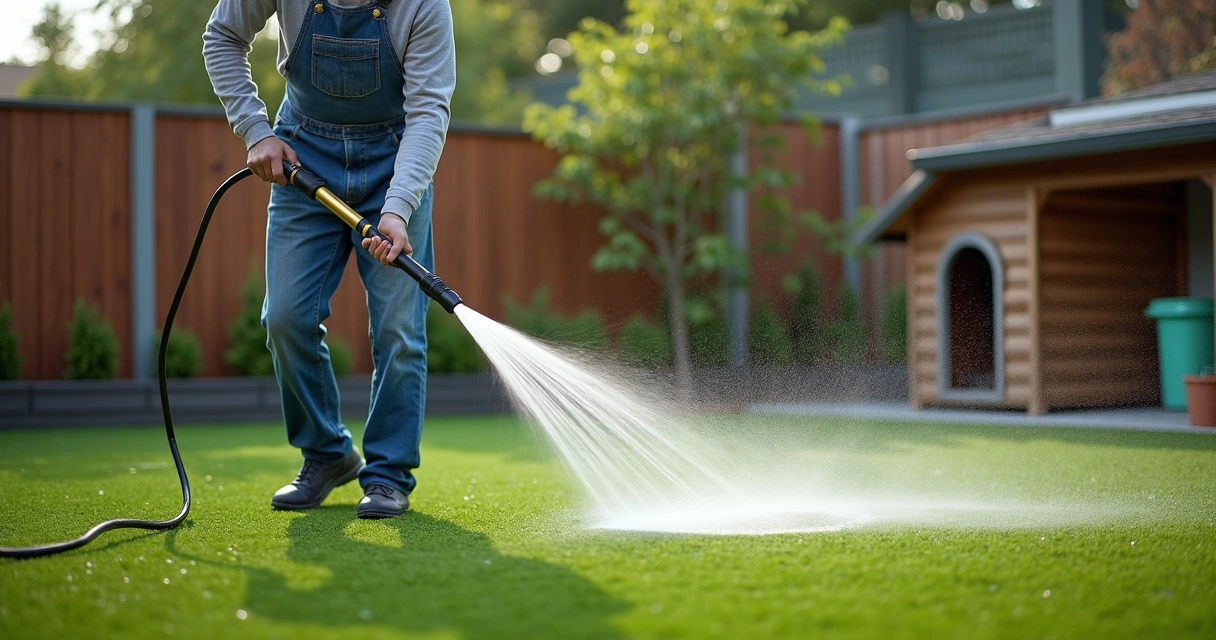
Weekly rinsing is ideal, especially in summer. Use a garden hose set at medium pressure and spray the turf thoroughly. Pay attention to corners, shaded areas, or trenches where runoff might pool. Rinsing doesn’t just dilute urine, it washes away bacteria before they establish themselves.
Brushing to prevent matting and buildup
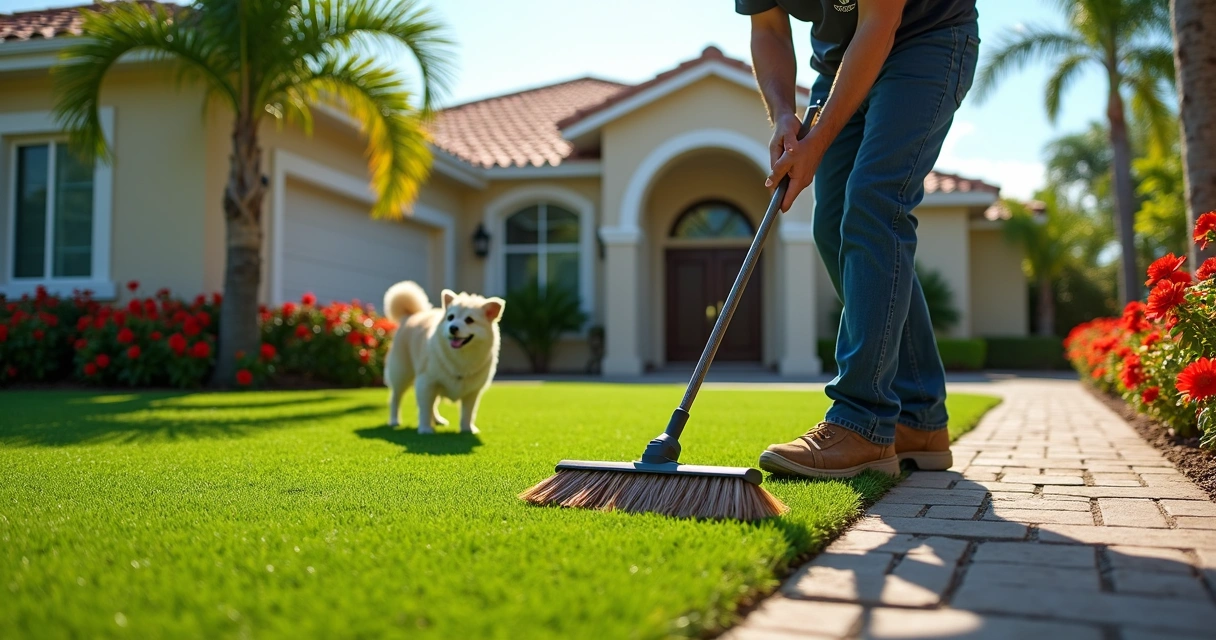
We recommend using a stiff-bristled turf broom every couple of weeks. Brushing uprights the grass blades and loosens trapped debris. It’s extra helpful if you have large or energetic dogs that flatten the fibers, which can trap organic matter.
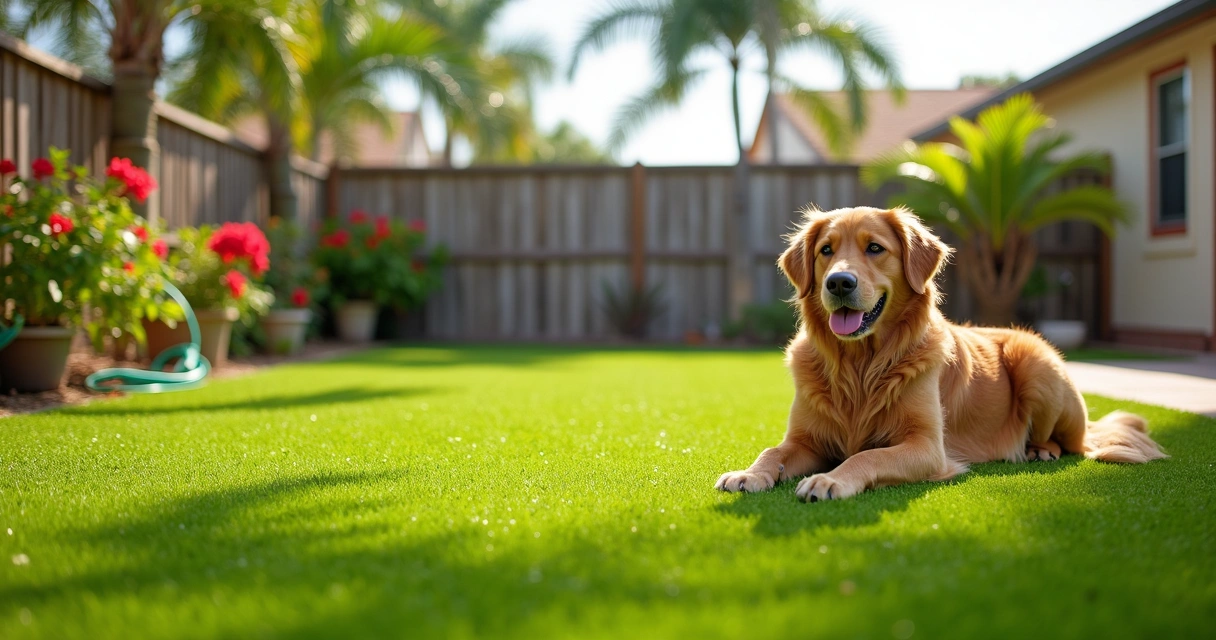
Odor control strategies for persistent smells
If smells linger despite regular habits, it’s time for a deeper solution. Our team at GCM Best Services applies the following methods to eliminate stubborn turf odors:
Enzyme cleaners for artificial turf
Specialty cleaners made with enzyme or bacterial cultures break down pet urine at a molecular level. These natural products digest uric acid, which is the prime cause of stubborn pet smells. Enzyme-based products don’t just mask odors—they destroy them at the source.
- Choose a cleaner labeled for synthetic turf and safe for pets
- Follow the dilution and saturation instructions; applying more than you think is often better
- Let the cleaner sit for 10–20 minutes before rinsing thoroughly with water
Hydrogen peroxide-based deodorizer sprays are also popular. They break down urine chemically and neutralize lingering odors, but always test a small patch first to ensure they are safe for your turf system.
Deep cleaning and power washing
For yards with months or years of buildup, a periodic deep clean is often needed. Our process at GCM Best Services for these cases:
- Remove large debris, toys, and furniture from the turf
- Use a power broom or pressure washer (set on low) with a turf-safe cleaner
- Rinse until all foam and residue is cleared from the area
- Allow several hours for drying before heavy use resumes
Deep cleaning twice a year keeps even the busiest dog runs or multi-pet yards smelling fresh all year.
Odor-neutralizing infills: When should we refresh them?
Over time, even the best infills can lose effectiveness. Depending on pet traffic and weather, we may recommend adding a new layer every 2–3 years. Zeolite and coated silica are the most popular materials. When we refresh infill for clients, we ensure it’s brushed in evenly and worked deep into the fibers, not just sitting on the surface.
Adding a small amount of new infill can dramatically reduce recurring odors without replacing the entire yard.
Natural and safe deodorizer options
Many clients want to avoid harsh chemicals for their pets’ safety and our Florida waterways. Here are solutions we approve and have seen succeed in thousands of yards:
Baking soda for mild odors
Baking soda is gentle and absorbs mild smells. Sprinkle a generous layer over the smelly area, let it sit for at least 30 minutes, then brush and rinse away. For stronger odors, combine with a light vinegar mist—but rinse thoroughly afterward, as too much vinegar can harm some turf backings.
Vinegar solutions: Use with caution
A 1:1 mixture of white distilled vinegar and water is effective against bacteria and mildew. Spray just enough to dampen the area. Always rinse thoroughly after application, and test a hidden section first. Too much acid can harden or discolor turf backing if overused. Vinegar is safe in moderation but should not replace regular rinsing and proper cleaners.
Sunlight as a natural sanitizer
Our Florida sunshine helps keep turf smelling fresh. When possible, let sunlight hit the problem area for a few hours after cleaning. UV rays naturally kill many odor-causing bacteria. If the odor lingers in shaded areas, focus extra attention there during manual cleaning.
Professional maintenance for artificial turf in Florida
While routine odor control is manageable for most pet owners, some yards benefit from semi-annual professional treatment. Our team at GCM Best Services can provide:
- High-powered mechanical brushing to remove compacted debris and hair
- Application of commercial-grade, pet-safe enzyme cleaners
- Replenishment or upgrading of infill for ongoing odor resistance
- Inspection for drainage or seam issues that might trap waste
- Guidance on building the right maintenance routine for your home or business
If you are considering a new installation in Orlando or Kissimmee and want the most pet-friendly system possible, our artificial turf experts design custom solutions that address odor management from day one. For residents who want to research more about the differences in turf types and maintenance, see our collection of guides on hardscaping best practices.
Tips for multi-pet households and high-traffic areas
When you have several pets or a busy play area, odor risks increase. We’ve found extra steps can make all the difference:
- Train pets to use one corner or an easy-to-rinse strip of the turf area
- Add drainage channels underneath, especially in shaded or low-lying sites
- Brush more often—weekly or biweekly for three or more dogs
- Double up on infill: mixing two types (like zeolite and silica) to boost odor protection
- Inspect for dog hair or debris mats that could be trapping moisture and waste
For larger commercial spaces, playgrounds, or pet boarding facilities in Central Florida, scheduled maintenance services from professionals like GCM Best Services can keep odors under control even during peak season.
What about artificial turf with paver borders?
Many clients in Orlando ask about areas where artificial turf meets brick or paver borders, especially for yards with both play and patio zones. Where turf meets pavers, drainage becomes even more critical for odor control.
Properly sloped sub-bases, integrated drains, and sanded paver joints keep water moving away from these transition zones. Our teams routinely design these layouts so that rinsing the turf also helps clean the edge of the pavers, cutting down on algae and bacteria.
If you want to see examples of successful installations, our Kissimmee artificial turf projects often include mixed zones with seamless paver integration and hidden drains.
Common mistakes that make odors worse
Over the years, we have helped correct hundreds of yards where repeated mistakes kept the odor battle going. Here are a few traps every homeowner should avoid:
- Using standard sand as infill. It traps ammonia odors and has no deodorizing power
- Neglecting to rinse thoroughly after cleaning with enzyme solutions or vinegar, leaving residue
- Letting leaves and organic debris collect, feeding bacteria growth
- Trying bleach or harsh disinfectants. They can damage turf backing, harm pets, and pollute runoff
- Ignoring drainage issues, especially near patios or at low points in the yard
Correcting these habits is often all it takes to keep turf fresh year-round.
Long-term turf freshness: A Central Florida approach
Artificial turf is a significant investment. In our practice, everyone enjoys it more when maintaining its beauty and comfort is a simple, repeatable routine instead of a constant chore. For this:
- Plan drainage and infill correctly during installation
- Build rinsing, brushing, and waste removal into your pet care routine
- Treat odors as soon as they start—don’t put off cleaning problem areas
- Lean on professional help or product upgrades as traffic or seasons change
We’ve found these steps mean less work over time, a better-smelling yard, and happier pets and owners.
How GCM Best Services supports pet owners with turf
We know odor-free turf transforms outdoor living. That’s why GCM Best Services installs and services pet-friendly artificial lawns across Central Florida. Our crews use:
- UV-stabilized, high-drainage fibers
- Stabilized edges and bonded seams to prevent gaps for waste
- Professional-grade, pet-safe enzyme and infill products
- Clean-up and inspection routines for every project
Our process includes education for pet owners and ongoing support, whether for a busy backyard, pet daycare, or commercial play zone. We’re committed to turf that stays beautiful and fresh, season after season.
Conclusion: Fresh turf for a happy, healthy home
Odor-free artificial turf is not only possible—it can be the standard with the right habits, products, and support. We take pride in helping Central Florida homeowners enjoy their yards to the fullest, no matter how many pets share the space. Whether you’re maintaining an existing lawn or planning a new one, we’re ready to help you get the very best results.
Ready for a professional quote? 📞 (407) 250-1948 • 24–48h • Orlando, Tampa & area.
Frequently asked questions
How to remove pet odor from turf?
The most effective way to remove pet odor from turf is by using an enzyme-based turf cleaner designed for synthetic grass. Saturate the affected area, let it sit for 10–20 minutes, then rinse thoroughly with water. Rinse the spot immediately after each use and pick up solid waste promptly. For stubborn odors, deep cleaning with a turf-safe pressure washer and replacing infill can further reduce lingering smells.
What products work best for pet smells?
Enzyme and bacterial cleaners formulated for artificial turf are the best for pet smells, as they break down urine at the molecular level and destroy the source of the odor, not just mask it. Odor-neutralizing infills, such as zeolite or treated silica, can also help prevent the buildup of unpleasant smells. Natural options like baking soda work well for milder cases or for quick touch-ups.
How often should I clean artificial turf?
For best results, solid waste should be removed daily. A general rinse should be done at least once a week for households with pets. High-traffic or multi-pet areas may benefit from twice-weekly rinses and weekly brushing. Twice a year, consider a deep clean with a professional-grade solution and equipment.
Is vinegar safe on artificial grass?
Vinegar mixed with water in a 1:1 ratio is safe for most artificial grass as an occasional cleaning solution, but always rinse thoroughly afterward and test a small, inconspicuous area first. Repeated or heavy use of vinegar may stiffen or fade some turf backings, so moderation is key. Do not use undiluted vinegar or let it pool on the surface for long periods.
Can dog urine damage artificial turf?
Dog urine does not damage the synthetic fibers or color of modern artificial turf, but it can create lingering odors if allowed to soak into the backing and infill. Proper drainage, regular rinsing, and prompt waste removal prevent any lasting effects or unpleasant smells, keeping your turf fresh and safe for years.