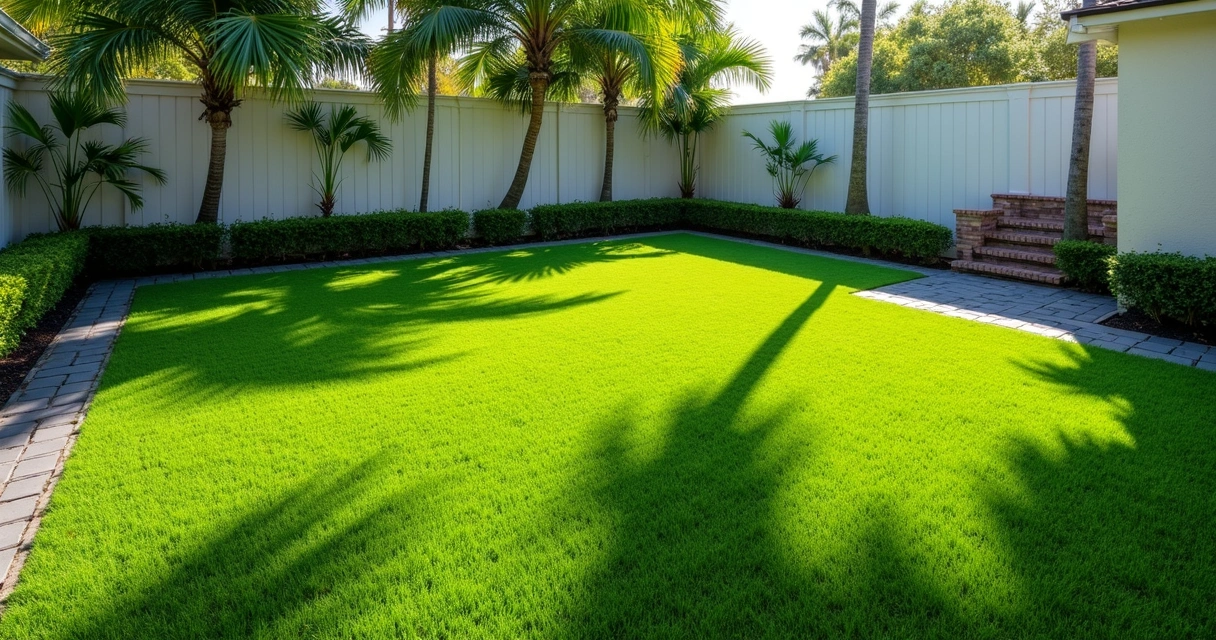
Artificial turf installations have taken Florida yards by storm, combining green year-round lawns with less maintenance and significant water savings. Yet, many people overlook a critical step that determines not just how turf feels and looks—but also how it performs in the Florida heat, rain, and humidity. That step is selecting the right infill. Based on our extensive experience at GCM Best Services, supported by the latest scientific research, we’ll walk you through the top four infills we recommend for artificial grass in Florida, tailored for local weather and lifestyles.
Why infill is the unsung hero of turf in Florida
When we talk to homeowners about installing artificial grass, a common question arises: “What’s infill, and does it really matter?” Infill is the loose, granular material brushed down between the blades of artificial turf to add weight, stabilize fibers, and influence the feel and performance of the surface. Its job isn’t just to hold the turf in place. It’s about temperature, safety, durability, and even how we walk and play. In Florida, this matters more than most places. Our local climate—hot, humid, at times rainy—adds demands most states don’t face.
Selecting the best infill for our region means your lawn handles the sun, pets, kids, heavy storms, or long dry spells. It reduces unwanted heat, improves drainage, and even addresses safety issues. Penn State’s Center for Sports Surface Research has shown that infill material greatly influences surface abrasiveness, and thus comfort and safety (study on turf abrasiveness).
How we identify the best infill options for Florida
In our daily work at GCM Best Services, we weigh turf infills using a few main points. The best ones for Central Florida must:
- Stay cool, even in peak afternoon sun
- Drain rapidly after rainstorms or irrigation
- Discourage bacteria, mold, and odors—especially for pet owners
- Be safe for bare feet and paws
- Last for years without unhealthy dust or smell
That’s why we consider the right mix of function and long-term performance, instead of following trends or marketing claims. Let’s break down the four infill options we trust most for Florida lawns.
Silica sand: The cost-effective classic
Silica sand remains a time-tested standard for artificial turf installations in homes and light commercial spaces. It’s our starting point for cost-effective, reliable infill where lawns are mostly decorative rather than high-traffic play or pet zones.
What is silica sand?
Made from rounded grains of quartz, silica sand is washed and dried for safe use in landscaping. Its small grain size lets it fall easily between turf blades, keeping them upright and giving a bit of “give” underfoot, almost like walking on dense grass.
Pros in Florida yards
- Affordable and widely available
- Adds weight to keep turf stable in storms or wind
- Does not compact or cake over time
- Drains water quickly—key in Florida’s heavy downpours
Silica sand does not retain moisture, so lawns dry fast after rainfall. This helps avoid puddles, which is especially helpful because our sub-tropical climate brings frequent rains from April to October. Its sharp grains also help slow weed growth when installed with a proper weed barrier.
Limitations and precautions
- Can retain heat in direct sun, making turf hot to walk on
- Not antimicrobial, so not ideal for pet lawns unless used with additives
- Fine grains may cause dust if not handled properly
That last point is essential. In our experience, using only kiln-dried, washed silica sand prevents problems with dust or compaction. Cheap, “play sand” grades are much less suitable. To address heat concerns, we never recommend pure white sand, which is hotter in the sun. We select the correct grade for both shade and sun, matching it to each lawn’s unique microclimate.
Zeolite: The natural odor-fighter
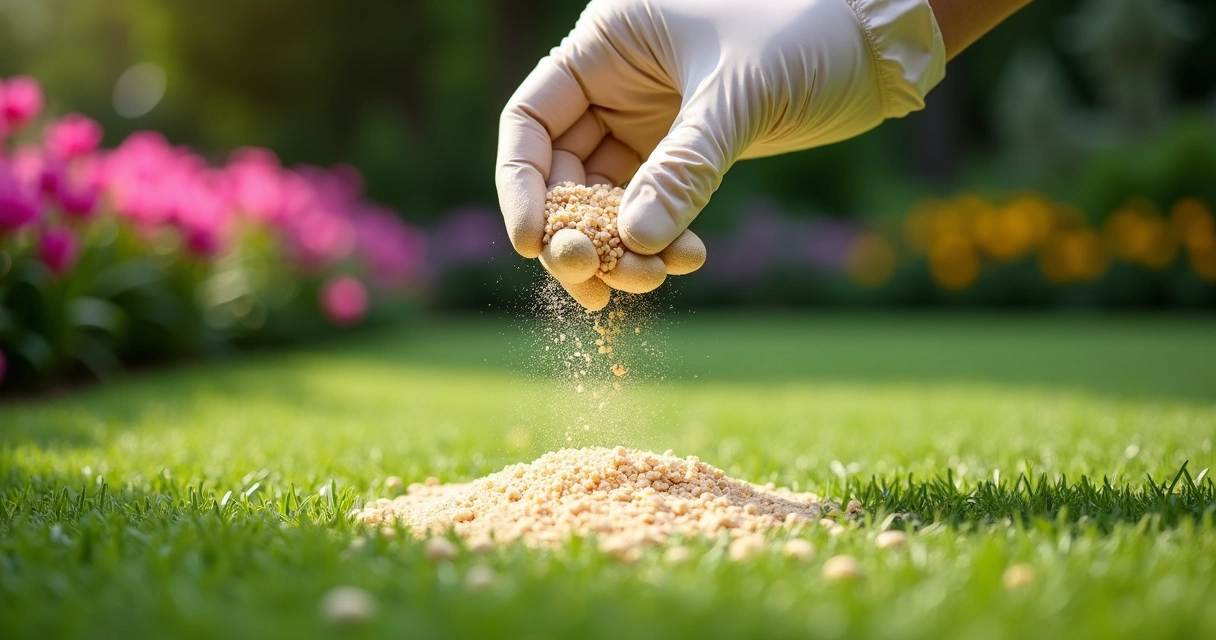
Zeolite is a mineral-based infill gaining traction for yards where pets and odors are a major concern. If dogs, cats, or other animals use your artificial turf, Zeolite offers a key extra: it captures ammonia, the main chemical in pet urine that leads to smell.
What is Zeolite?
Zeolite is a porous mineral (clinoptilolite) formed from volcanic ash and seawater. Its honeycomb-like structure lets it absorb liquids and lock away certain molecules. On artificial turf, this means:
- Catches pet urine and neutralizes the smell
- Allows rainwater to flush away waste easily
- Keeps turf noticeably fresher between cleanings
Key benefits for Florida
- Reduces long-term pet odors, a concern with heat and humidity
- Completely natural and safe for skin, paws, or wildlife
- Does not get muddy or compacted after storms
- Provides moderate cooling—less hot than rubber, more than silica sand
For pet-friendly yards, Zeolite is our most trusted odor control infill. We see this especially beneficial in shaded areas where moisture lingers, as it slows bacterial growth. It can also be blended with silica sand for larger lawns, balancing budget and benefits.
Downsides to consider
- Costs a little more than basic silica sand (though well worth it for pet owners)
- Will slowly lose odor-absorbing power after several years; needs occasional top-up
- May cloud slightly after initial rain, but clears quickly
City infrastructure projects, like those described by the City of Alexandria’s reports, are starting to include natural infills such as Zeolite, both for homes and for public parks. This reflects growing awareness of environmental and health factors that matter deeply to Florida residents as well.
Envirofill: Clean, safe, low-maintenance
Envirofill is a coated, round sand infill designed for both pet-friendly and family-oriented yards. It brings an extra level of safety and cleanliness, as every grain is coated with a colored, antimicrobial layer. This means less worry about bacteria, mold, or mildew, which makes a difference in Florida’s muggy, rain-prone climate.
What makes Envirofill unique?
It starts with kiln-dried, round quartz grains, colored for a clean, natural look. Each grain is then encapsulated in a non-toxic, antimicrobial acrylic. This outer shell does not wash off with rain or wear, so the infill keeps fighting bacteria for years.
- Won’t compact, stay loose for cushion and safety
- Makes turf more comfortable and clean for kids and pets
- Keeps the surface 15-20% cooler than crumb rubber, based on field studies
Florida-specific pros
- Excellent drainage after downpours; surface dries quickly
- Stays cooler than most infills on sunny, humid days
- No strong dust or smell, even after heavy rainfalls
- Prevents mold, mildew and bacterial build-up, which thrive in Florida’s humidity
We sometimes recommend this option for high-traffic play areas, shaded backyards, and any setting where hygiene and heat are top priorities. It’s also a top pick in communities with small children or immune-sensitive residents.
Considerations and care
- More expensive initial cost than uncoated sand or Zeolite
- Should be brushed occasionally to maintain even coverage
- May have more visible granules if over-applied
That extra antimicrobial feature is supported by studies like those from Penn State’s Sports Surface Center, which highlight the impact of infill material on safety and playability. Families in Florida frequently decide the healthy environment is worth the modest investment.
Cork-based infill: Organic, cool, and sustainable
Cork infill is our “green” champion. Made from the bark of cork oak trees, it’s an all-natural, renewable option that really shines under the Florida sun. Cork doesn’t get hot, is naturally antimicrobial, and won’t break down as fast as coconut or other organics.
What does cork bring to artificial turf?
Each granule acts as a tiny air pocket, insulating the turf and keeping surface temperatures far lower than sand or most synthetics. This makes a yard stay cooler, even in direct sun. Cork is also light and springy—for bare feet, it feels gentle yet lively.
- Fully natural, biodegradable and chemical-free
- Reduces turf surface temperatures by up to 40°F in direct sun
- Prevents static build-up and skin irritation
- Ideal for eco-conscious families or places near waterways
Cork’s high resistance to Florida’s humidity and UV rays means it doesn’t rot, mold, or turn sour with time. With many local homeowners increasingly prioritizing sustainability, cork appeals for both environmental and practical reasons.
Potential drawbacks
- Tends to cost more than sand and even Zeolite
- Lighter weight, so may need a little more careful installation in windy spots
- Can sometimes be displaced in areas of heavy pet traffic
For those seeking the utmost in “green” materials, cork infill is hard to beat for peace of mind and performance in Florida yards.
Honorable mentions: Crumb rubber and coated foams
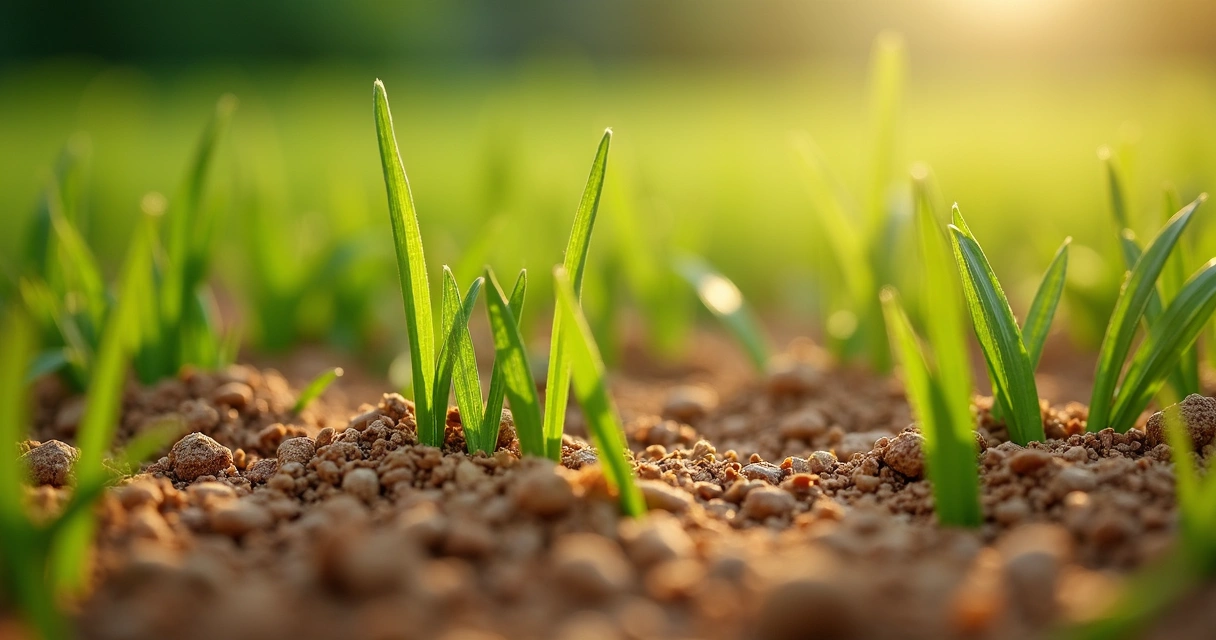
In the past, crumb rubber (recycled tire particles) was the default infill for many sports fields, but growing doubts about safety and environmental impact mean we do not use it for residential installs. Major cities, including Alexandria, VA, are moving away from tire crumb in favor of options like cork and engineered wood. Some products use foam or EPDM (rubberized synthetics) for shock-absorption—these work in specialty playgrounds but aren’t usually needed for private yards.
How to choose the right infill for your yard
We always weigh several factors when helping a homeowner pick the right infill:
- How many pets will use the turf regularly?
- Is it open sun, part shade, or deeply shaded?
- Will it get heavy play from kids or just light foot traffic?
- Is “green”/chemical-free a must-have for you?
- What’s your total budget for installation and maintenance?
There is rarely a “one-size-fits-all” answer for Florida yards. Sometimes, we use blends: a layer of Zeolite in pet areas, silica sand elsewhere for stability, or cork topping on a sports setup for extra cooling where kids play in the summer.
Maintaining your artificial turf and its infill
Once your yard is installed with the right infill, everything depends on keeping it spread evenly and topped up as needed. In Central Florida, lawns benefit from a few maintenance habits:
- Brush the infill upwards every 2-4 months to prevent flattening
- Remove organic debris regularly; leaves and dirt can harbor mold in our humidity
- Flush pet areas after heavy use, especially if you have Zeolite
- Top up infill if you notice thinning or soft spots
According to Cornell’s Sports Field Management program, professional maintenance on community-sized fields averages around $6,000 per year, but home lawns require only modest effort and occasional topping off. At GCM Best Services, we offer turf refresh and maintenance plans for those who want their lawn to always look its best.
Integrated solutions: Drainage, hardscapes, and more
The best turf installation is more than just turf and infill. At GCM Best Services, our process also accounts for drainage design, connecting turf borders to pavers or walkways, and managing Florida’s tough subsoils. Combining the right infill with strong edge restraints, drainage channels, and hardscaped borders guarantees your investment performs beautifully for years.
We welcome you to check our dedicated artificial turf pages to see local projects: Florida’s artificial turf services, our Orlando-focused page at Orlando artificial turf page, or details for Kissimmee at artificial turf in Kissimmee. If you are interested in integrating pavers or hardscape features with your lawn, see our hardscape solutions.
For more knowledge and inspiration
To dive deeper into turf, drainage, and hardscape ideas for Central Florida, browse our home improvements blog for honest, local expertise.
Conclusion: Choosing confidence for your Florida artificial turf
Choosing the right infill is as critical as selecting the turf itself. Whether your priority is durability, cooling, pet odor control, or sustainability, there’s a proven infill for every need in Florida. At GCM Best Services, we tailor every lawn to match your lifestyle and the unique demands of our subtropical region.
The grass may be artificial, but your satisfaction should be real.
Are you ready to transform your yard with the perfect artificial turf system? To start with a professional site evaluation and honest quote, give us a call. We deliver local service, clear communication, and results that last.
Ready for a professional quote? 📞 (407) 250-1948 • 24–48h • Orlando, Tampa & area.
Frequently asked questions
What is infill for artificial turf?
Infill refers to the granular materials spread between the blades of artificial grass to provide stability, cushioning, and to keep the blades standing upright. It also plays roles in drainage, cooling, odor control, and safety. In Central Florida, infill is key to turf’s performance under heavy sun and rain.
Which infill works best in Florida?
There’s no single best infill for all situations in Florida. Silica sand works for basic lawns with low pet traffic; Zeolite is ideal for pet owners due to its odor-fighting power; Envirofill is optimal for families wanting cleanliness and safety; cork-based infill is best for those wanting a chemical-free, cool-feeling surface. We match the infill to each site’s sun, shade, use, and budget.
How much does artificial turf infill cost?
Materials range widely, from about $0.40 to $2 per square foot installed, depending on type. Silica sand is the most affordable, while Zeolite, Envirofill, and cork cost more but bring added benefits. Installation size and prep work also affect total cost. Cornell’s Sports Field Management program outlines broader maintenance and cost details for synthetic turf, helpful for both homeowners and communities.
Is infill necessary for my yard?
Yes, infill is necessary for almost all artificial turf installations (except some very short golf putting greens). It keeps the turf stable, prevents flattening, helps with drainage, and improves safety. Skipping infill reduces turf life and causes more maintenance problems in Florida’s climate.
Where to buy artificial turf infill?
We recommend working with professional suppliers or installers like GCM Best Services, who source the correct grade and type for Florida lawns. This avoids problems with low-quality sand or unproven materials. Trusting local expertise ensures your turf gets the right infill, installed the right way.