Primary keyword: Best exterior caulk for FloridaVariations: Weatherproof caulking Florida, Durable outdoor caulk for Florida, Exterior sealant for humid climate
Audience: Homeowners and property managers in Central Florida seeking reliable exterior caulking to resist humidity, sun, and storms.Pain/Benefit: Tired of caulk failing, cracking, or letting in moisture? Discover caulks proven to withstand Florida’s unique weather patterns and keep your property secure.
When you live or work in Central Florida, your exterior surfaces face relentless sun, humidity, tropical storms, and often rapid temperature swings. We see it every season at GCM Best Services: joints and cracks on driveways, patios, windows, and more suddenly leak, peel, or grow mold. But some caulks and sealants genuinely stand the test of time here—if you know what to look for and apply them right. With our decades of hands-on experience and referencing the latest studies from the U.S. Department of Energy, this guide breaks down which exterior caulks hold up best in Florida’s climate, what matters in choosing them, and how you can get long-lasting, weather-resistant results.
- Why Florida puts exterior caulks to the test
- Main choices for exterior caulks
- Silicone caulks
- Polyurethane caulks
- Acrylic latex caulks
- Specialty/high-performance hybrid caulks
- Comparing performance of each under Florida weather
- Features that matter in Florida: what to look for
- Applying caulk for real weather resistance
- Mistakes we see and how to avoid them
- Where Florida properties need the best caulk
- How we select and apply caulk at GCM Best Services
- Maintenance and warranty concerns
- Conclusion: Our Florida caulk recommendations
- Frequently asked questions about exterior caulks in Florida
Why Florida puts exterior caulks to the test
Florida is unforgiving on building materials. Year-round humidity, salty breezes, hurricanes, and pounding storms mean that any gap, crack, or joint can widen, leak, and bring in problems. We hear from clients each month who struggle with:
- Mold or mildew forming on failed caulk
- Sun-baked caulk losing flexibility or splitting
- Expansion/contraction cracking from wild temperature swings
- Moisture intrusion leading to rot or staining
- Sealants literally washing away after a heavy rain
- Painted caulk lines flaking or peeling from mismatched materials
This is why ordinary caulking simply doesn’t last in Central Florida compared to other regions. We take cues from studies such as those from the University of Alaska Fairbanks Cooperative Extension Service, which highlight that even high-quality caulks may not outlast the building itself and will need reapplication—especially when exposed to weather extremes.
Main choices for exterior caulks
Not all caulks are the same. Over the last 20 years, we’ve learned which types can handle Florida’s outdoor demands. Here’s how they break down:
Silicone caulks
Silicone caulks rank among the most flexible and long-lasting sealants. The U.S. Department of Energy calls them excellent for adhesion and flexibility, and they are available in 100% silicone or hybrids. Silicone caulks are known to resist extreme UV exposure and tolerate moisture, so they rarely dry out or crack early.
- Excellent flexibility for expansion and contraction
- Waterproof even after years of sun and rain
- Great for non-porous materials (glass, metal, tiles)
- Often not paintable unless labeled “paintable silicone”
- May have strong odor during application
Polyurethane caulks
These have gained a reputation for tenacity on high-movement joints like concrete, driveways, and pavers.
- Long-lasting, adheres to masonry, stone, stucco
- Very flexible, resists abuse from storms/hail
- Generally paintable after curing
- Slower curing (humidity helps), can be sticky to work with
- Not ideal for all plastics or glass
Acrylic latex caulks
Acrylic or latex caulks are probably what most people picture and buy first. They are affordable and easy to find, but need to be the outdoor/“siliconized” version for Florida weather. Ordinary latex caulk will not survive Florida’s weather; always check for exterior-grade or elastomeric formulas.
- Water cleanup, low odor, easy to apply
- Paintable in hours
- Should contain silicone for weather durability
- Can shrink or wear faster than higher-end options
- Great for joints between wood, trim, siding
Specialty/high-performance hybrid caulks
New hybrids blend silicone, polyurethane, silyl-modified polymers (SMP), or other additives. Their benefits:
- Superior adhesion and flexibility
- Mold and mildew resistance built-in
- Compatible with most construction materials
- Some can be painted; check the label
- Costlier and less common in big box stores
Comparing performance of each under Florida weather
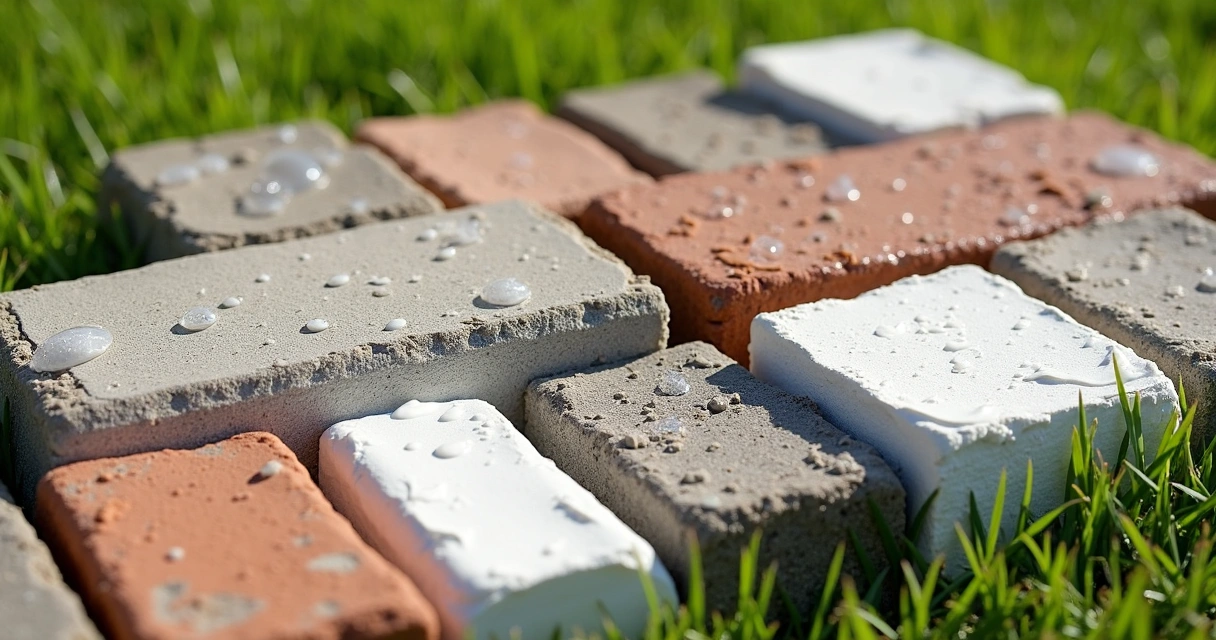
The best caulk lasts years, not months, even in the face of hurricane prep, “driest” winters, and muggy, stormy summers.
- Silicone: Lasts 10-20 years with minimal cracking or shrinkage if properly installed. Keeps water and air out. May discolor if not UV-stable but rarely loses performance.
- Polyurethane: Real-world tests show up to 15 years on stable, prepared surfaces. Its flexibility prevents gaps despite strong storms or shifting slabs.
- Siliconized acrylic: Reliable for medium-term fixes (5-10 years), but needs special “elastomeric” or “all-weather” rating for Florida. Easy renewal—simply cut out and reapply.
- Hybrid/specialty caulks: These take the best of silicone and polyurethane. Field results for GCM customers show reduced future maintenance and fewer callbacks for leaks or mildew.
We have seen joints on old driveways sealed with basic acrylic finally crumble after a few years, while polyurethane bead applied at the same time still flexed and blocked water. Our recommendation always couples product and preparation (more on that shortly).
Features that matter in Florida: what to look for
When choosing the best exterior caulk for Florida, never go by price or name alone. Instead, focus on these characteristics:
- UV resistance: No matter how shaded the spot, Florida sun will try to break down caulk. Seek “UV stable” or “exterior” labeling.
- Mold/mildew protection: Essential for humid climates. Some hybrids include added fungicides/fungistatic agents, making them more suitable for lanais, pool decks, or anywhere drainage might lag.
- Movement capability: The best caulk stretches and recovers—especially for use on concrete, pavers, and large exterior joins. Check for “high movement” or “elastomeric” claim.
- Permanence: Some caulks can be easily removed and replaced, while others stick fast. In areas needing inspection (like pool cage posts or under windows), removable caulk may be smart.
- Paintability: Not all caulks can be painted. If coordinating with new exterior paint, check application instructions for paint timeframes.
- Application temperature and humidity: Some caulks require dry, cooler weather for best cure. Others benefit from humidity. The U.S. Department of Energy highlights that proper application in dry weather maximizes longevity.
Choose caulks that match these criteria and suit your materials—whether you’re working with concrete, aluminum, stone, or wood trim. For more on exterior materials, including concrete and paver performance, see our resources on preventing cracks in Florida concrete and brick paver drainage solutions.
Applying caulk for real weather resistance
Even the world’s best caulk will fail quickly if basic prep is skipped. We see this every year on “quick-fix” jobs.
- Clean and dry the joint: Any dirt, loose paint, or old caulk left behind will block adhesion. Concrete dust is especially sneaky.
- Remove failed caulk: Never caulk over old, peeled, or moldy material. Use a utility knife, scraper, or even a caulk remover gel.
- Apply in correct weather: Check the label, but most sealants like 50–90°F with no rain for at least 24 hours. The DOE’s guidelines support this, referencing best results in dry, moderate conditions.
- Use backer rod for wide joints: Joints over 1/4” wide need a backer for proper shape and flexibility. This is common on pool decks or between driveway slabs.
- Tool and smooth: Use a caulk tool or gloved finger to gently press and shape the bead. Smoothing helps prevent water pockets and gives pro appearance.
Prep is everything. Don’t rush the basics if you want results that last.
Mistakes we see and how to avoid them
Years of repairs have shown us some repeat offenders that ruin even good caulk:
- Applying to wet surfaces or in full sun (forces bubbles, weakens adhesion)
- Skipping cleaning (dirt and oils block stickiness)
- Using the wrong type of caulk for the material—like basic acrylic on metal windows
- Overfilling or underfilling joints (can’t expand or tears quickly)
- Not checking manufacturer’s instructions for temperature, paint-compatibility, or drying time
Solve these, and most caulking jobs last years—protecting, not just patching.
Where Florida properties need the best caulk
Florida’s weather exposes your property’s weak links. At GCM Best Services, we target high-risk zones, including:
- Expansion joints on concrete driveways, patios, and sidewalks
- Where brick pavers meet walls, steps, or drains
- Screen enclosure anchors (pool cages, lanais)
- Window and door frames—especially north, east, and west exposures
- Transitions at garage floors or threshold plates
- Any wood trim or siding seams
Water only needs one weak spot to get in. Seal it right the first time.
Our concrete, driveway and patio paving, and hardscape services depend on quality sealants for long-term performance.
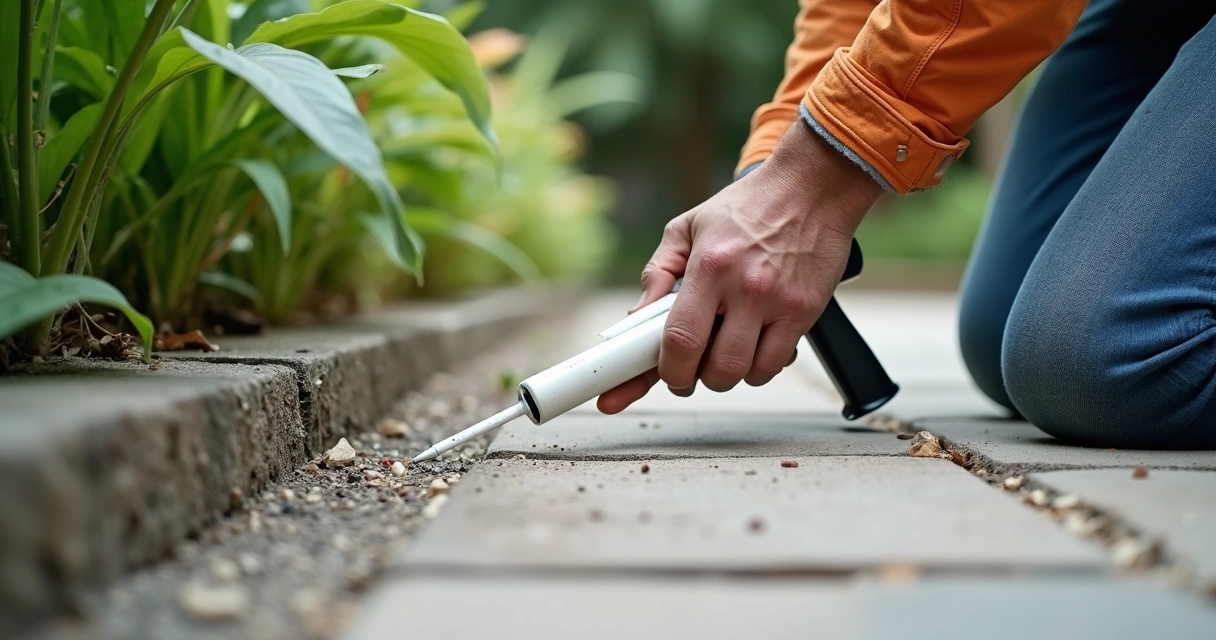
How we select and apply caulk at GCM Best Services
Every project in Central Florida is different. When we’re specifying caulking compounds and finishes, our team:
- Looks at movement requirements (static crack vs. wide expansion joint)
- Tests ambient humidity and temperature at time of install
- Specifies UV and mildew resistance for any material facing the weather
- Chooses color-matching or paintable caulks as needed
- Documents the work with photos, so you know what to expect over time
- Offers a written warranty, because a good seal doesn’t just look good—it performs
This method means we are never “winging it.” We take pride in selecting materials that not only meet code but make maintenance easier. If you want caulking to last, the right material—installed with care—matters most.
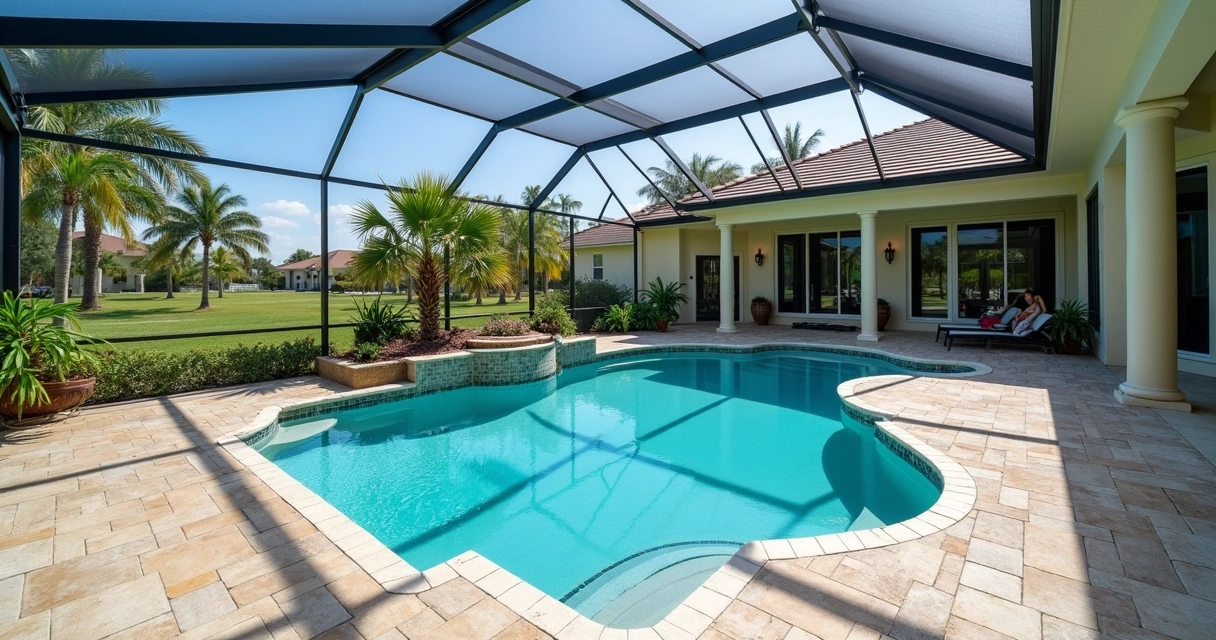
Maintenance and warranty concerns
We’re often asked: How long will my new caulking last? The short answer is: it depends on location, substrate, and weather exposure. Even with the best caulks, periodic inspection matters. As studies noted by the University of Alaska Fairbanks explain, the effective lifespan of caulks is less than a building’s.
- Plan to check exposed caulk lines once or twice a year for cracks or mold growth
- Clean mildew-prone spots with diluted bleach and water
- Replace failed or peeling caulk quickly to avoid bigger repairs
Our maintenance program points out the areas most at risk so you can keep small problems from turning into big ones.
Conclusion: Our Florida caulk recommendations
Florida homes and businesses face constant punishment from humid air, UV rays, and sudden storms. In our years of providing construction and maintenance for Central Florida, certain caulks clearly stand out:
- Silicone caulks are your first choice when you want maximum weather and mildew resistance on non-porous materials like metals, glass, and tile.
- Polyurethane or advanced hybrid caulks work best for expansion joints, pavers, concrete, and surfaces with lots of movement.
- Siliconized acrylic caulks suit paintable spots and wood/siding seams but must be high-grade and labeled for exterior, humid climates.
- Always pick products with clear claims of UV stability, flexibility, and mold resistance—then apply with careful cleaning, in the right weather.
The right caulk, used correctly, guards your home from Florida’s biggest threats.
At GCM Best Services, we don’t cut corners. From driveways to screen enclosures and summer kitchens, we seal and warranty every job so you can rest easy. If you want professional, long-term solutions—let’s talk. Ready for a professional quote? 📞 (407) 250-1948 • 24–48h • Orlando, Tampa & area.
Frequently asked questions about exterior caulks in Florida
What is the best exterior caulk?
The best exterior caulk is one that combines superior flexibility, UV resistance, weatherproofing, and long-term adhesion to your specific substrates. For Florida, this often means high-quality silicone or polyurethane-based caulks, or advanced hybrid formulas with mold inhibitors. Always check the label for outdoor and “high movement” suitability.
Which caulk lasts longest in Florida?
Silicone caulk, especially formulations made for exterior use, typically offers the longest service life in Florida’s harsh climate—often 10–20 years—thanks to its flexibility and waterproof properties. Polyurethane also performs well outdoors, especially for concrete and paver joints.
How to choose caulk for humid weather?
Choose caulk labeled for exterior, humid, or “wet location” use. Look for mold/mildew resistance, high flexibility (sometimes listed as “elastomeric”), and UV stability. Silicone and hybrid caulks often outperform others in these conditions. Always ensure surfaces are clean and dry before applying.
Is silicone or acrylic caulk better?
Silicone caulk provides superior flexibility, longer life, and weather resistance outdoors in Florida, but may not be paintable. Acrylic caulk is easier to apply and paint, but wears out faster unless it is high-quality, siliconized, and labeled for exterior use. For tough and humid locations, silicone wins, but for painted surfaces, exterior-grade acrylic is an option.
Where to buy top caulks in Florida?
You can find premium exterior caulks, including silicone, polyurethane, or hybrids, at most reputable hardware stores, building supply outlets, or through your chosen licensed contractor or service provider. For major jobs or specialized needs, we recommend consulting an experienced contractor like GCM Best Services, who can select and warranty the right caulking for your application in Central Florida.