As demand rises for lush, low-maintenance artificial turf in Central Florida, many home and business owners wonder what lies beneath that perfect stretch of green. The secret is the infill—the layer added between the synthetic blades to keep turf upright, comfortable, and functional. At GCM Best Services, we know that the choice of infill plays a big role in drainage, safety, longevity, temperature control, and even keeping odors in check.
In our experience, most questions come down to four popular infill materials: silica sand, rubber, zeolite, and cork. Each has clear strengths, and there’s no one-size-fits-all solution. As licensed installers committed to clear communication and strong outcomes, we want you to understand not just what’s available, but how each infill type performs in real-world Orlando, Tampa, and Central Florida applications.
In this article, we compare the qualities, advantages, and limits of the top four turf infill types, blending our hands-on experience with the technical details that matter most for pet owners, families, property managers, and local businesses.
The purpose of infill in artificial turf
Before getting into specifics, it’s worth asking:
What does turf infill actually do?
Turf infill fills the gap between synthetic blades, giving artificial grass the support, durability, and bounce that natural grass offers in the right soil. For landscapes across Orlando, Sanford, Daytona Beach, and Kissimmee, the right infill can mean the difference between a yard that stays beautiful for years and one that flattens, bakes, or smells unpleasant by the next summer.
The main jobs of infill:
- Maintaining vertical blade position, so turf stays springy and realistic
- Improving comfort and cushioning for play, pets, or bare feet
- Enhancing drainage and keeping the turf surface free of puddles
- Managing heat (reflecting or absorbing, depending on material)
- Controlling odors and supporting hygienic conditions
- Reducing static buildup and deterring bacteria growth
At GCM Best Services, every installation starts with assessing how the turf will be used—because the ideal infill is rarely the same for a high-energy dog run as for a quiet garden patio or a child-heavy playground.
Comparing four leading turf infill types
Now we’ll break down the core characteristics, pros, and cautions for silica sand, rubber, zeolite, and cork as artificial turf infill options. Each brings something unique to the table, and in certain cases, mixing infills can even be best. We’ll highlight what we’ve learned from years of turf design for Central Florida homes, schools, retail, and hospitality spaces.
Silica sand: classic for stability and economy
Silica sand is a natural, rounded mineral that’s been used for decades in artificial turf projects across Florida. We often recommend it as a practical, cost-conscious choice for homeowners and businesses who want to keep things simple—especially in low-traffic areas.
- Blades support: Sand’s angular, granular shape helps turf blades remain upright without matting. This keeps your lawn looking tidy even with foot traffic.
- Drainage: Sand allows water to pass easily through the turf, supporting strong drainage for heavy Central Florida rains.
- Cooling: It reflects rather than absorbs much solar heat, so it doesn’t cause turf to become as hot as some rubber infills.
- Cost: Silica sand is typically the most affordable and widely available infill on the market.
But sand has some points to consider.
- It can compact over time, especially in high-traffic areas, slightly reducing drainage performance.
- Blades may eventually flatten in intensely used spots (like sports fields or intense dog runs).
- It doesn’t help manage pet odors, since it lacks natural odor-absorbing properties.
- Silica dust can be a concern during installation, so proper PPE should always be used. This is not a problem once installed if left undisturbed.
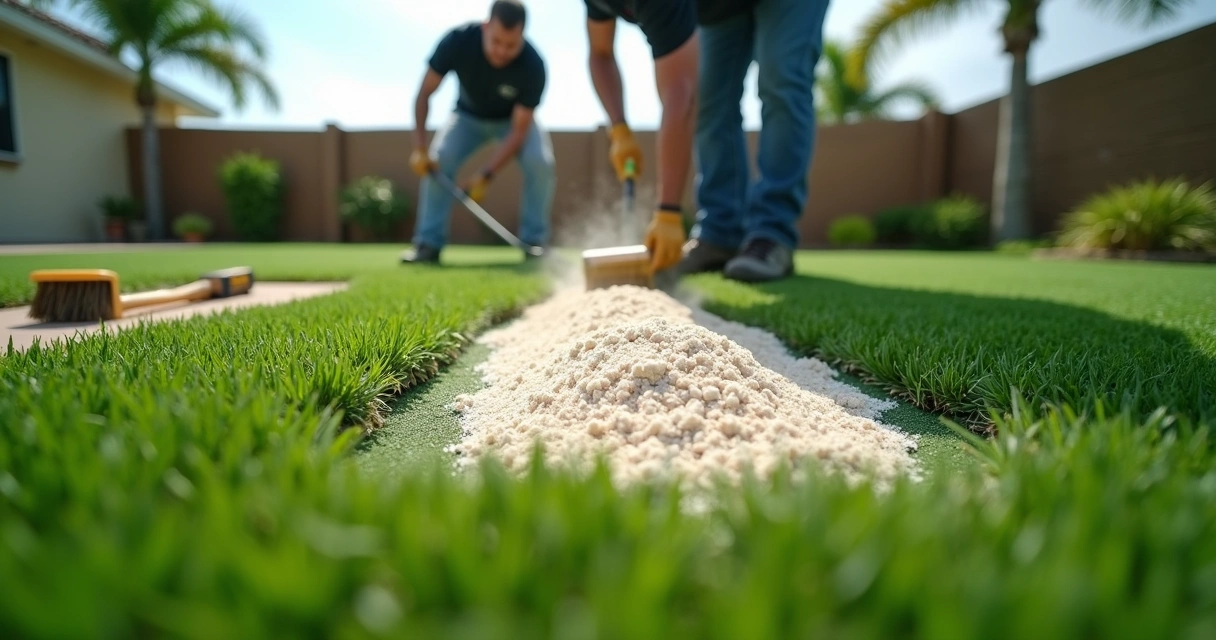
Silica sand shines where budget, reliable stability, and basic durability are key. We frequently use it for family yards, pool surrounds, and sensibly priced landscape renovations—especially when combined with regular brushing to keep the fiber upright.
Rubber: cushioning for sports, play, and resilience
Next up is rubber infill, usually made from ground and cleaned scrap tires. We’ve installed rubber infill most often in high-impact or high-traffic areas, where users want extra spring and fewer scraped knees.
- Cushion and bounce: Its soft, resilient composition makes it ideal for children’s play surfaces, athletic fields, and anywhere a little ‘give’ will help safety and comfort.
- Blade support: Rubber helps keep blades up even when fields or lawns get heavy use, because it’s far less likely to compact than sand.
- Durability: It holds up for years, even in Orlando’s strong sun and humidity, and typically does not float or migrate in storms if installed correctly.
- Drainage: Suitable particle size ensures turf drains well after downpours. This is vital for Central Florida’s rainy season.
But rubber has some specifics you should know:
- It absorbs more heat, making shoes or bare feet hot on some days. Turf with rubber infill can feel much warmer than natural grass under direct sunlight.
- While it doesn’t naturally absorb odors, rubber doesn’t contribute unwanted smells unless exposed rubber is left in the sun for long stretches pre-installation.
- Some customers worry about environmental impact, though most modern rubber infill is cleaned and safe for use in landscaping.
We often use rubber infill for schoolyards, stadium fields, public parks, and backyard putting greens, where safety and blade resilience trump other needs.
Zeolite: odor control and natural filtration
Zeolite has become a top pick for homes with pets, thanks to its natural ability to neutralize the ammonia in animal urine that can cause lasting smells. Made from a porous volcanic mineral, zeolite offers more than just basic turf support:
- Odor control: Zeolite’s unique structure traps ammonia, cutting down on pet odors for months between rain showers or rinsing.
- Blade support: It provides a firm, stable base that rivals silica sand for traffic resistance, making it suitable for any pet turf application.
- Chemical safety: Zeolite is safe for people, children, and pets because it does not leach toxic chemicals.
- Drainage: Its mineral grains are very porous, so drainage stays fast and reliable even in heavy rain.
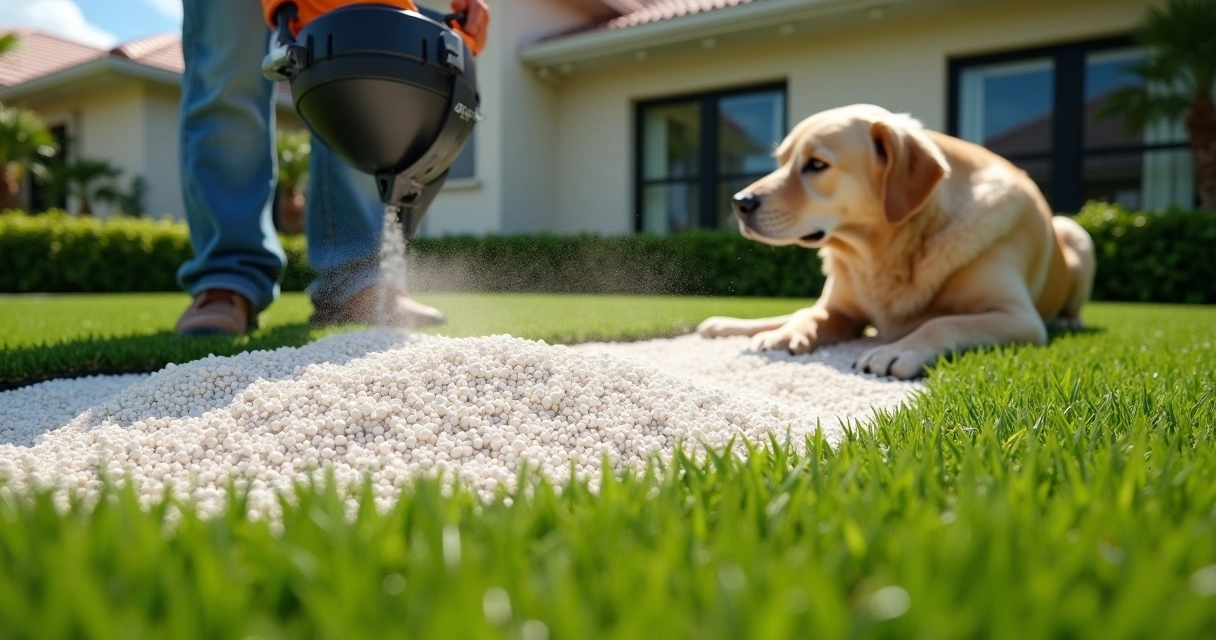
We’ve found zeolite to be a standout for clients who want odor-free turf that doubles as a dog run, kennel, or family play area.
- Zeolite does cost more than basic sand or rubber, so we often recommend blending it with a layer of silica sand beneath to manage price and performance.
- It does not add much cushion, so it’s not ideal for sports or play areas that call for extra fall protection.
- Because of its natural white color, it can tint turf lighter if it migrates near the blades’ tops, but this is usually mild and easy to address with light raking.
For those looking to add turf in pet areas—in cities like Orlando or Kissimmee—zeolite is one of our most requested materials because of its proven performance.
Cork: sustainable, cool, and comfortable
Cork is a plant-based infill made from cork oak tree bark. It’s catching attention in Florida for its environmental profile and comfort underfoot. At GCM Best Services, we recommend cork for customers who want an organic product, energy efficiency, and cool surfaces.
- Sustainability: Cork is renewable and biodegradable, harvested without harming the parent tree. This makes it an attractive option for eco-conscious projects.
- Heat management: It reflects sunlight and insulates well, keeping artificial grass up to 30 degrees cooler in hot sun than black rubber.
- Cushion: Provides noticeable softness for feet, making yards and play spaces inviting without the springiness of rubber.
- Allergen-free: It doesn’t contribute to allergens, making it suitable for children, pets, and those with sensitivities.
Some practical notes we share from projects:
- Cork costs more up front, sometimes close to zeolite, due to harvesting and processing.
- It can blow or float away in major storms if installed at shallow depths or in exposed, windy sites (not a common problem with professional application).
- Over time, cork will biodegrade, especially in wet, shady parts of the yard, so it may need topping up every several years.
Cork suits homes and boutique spaces where environmental benefits, comfort, and heat performance are valued above all.
Key questions when choosing infill
When we advise homeowners and commercial clients across Central Florida, we focus on several questions that point quickly to the best turf infill for your yard, pets, or project.
- Is this area mainly for pets, play, or visual appeal?
- Does heat buildup matter? Is the surface used barefoot, by children, or for lounging?
- How much traffic do we expect—light, moderate, or frequent running/jumping?
- Is odor an issue, especially with pets?
- Do you value organic or recycled materials for environmental reasons?
- What is the planned budget, including any future infill top-ups?
Our process at GCM Best Services always starts with a free on-site assessment. This lets us measure needs accurately, test soil, discuss local drainage challenges, and provide a complete quote and recommendation guide tailored to your home or business.
If you want to know more about artificial turf solutions in Orlando and how infill choices align with your goals, visit our local turf service page.
Infill longevity, cost, and maintenance
One area where we spend a lot of time with customers is explaining how each infill type stands up to real Florida weather, kids, pets, and time.
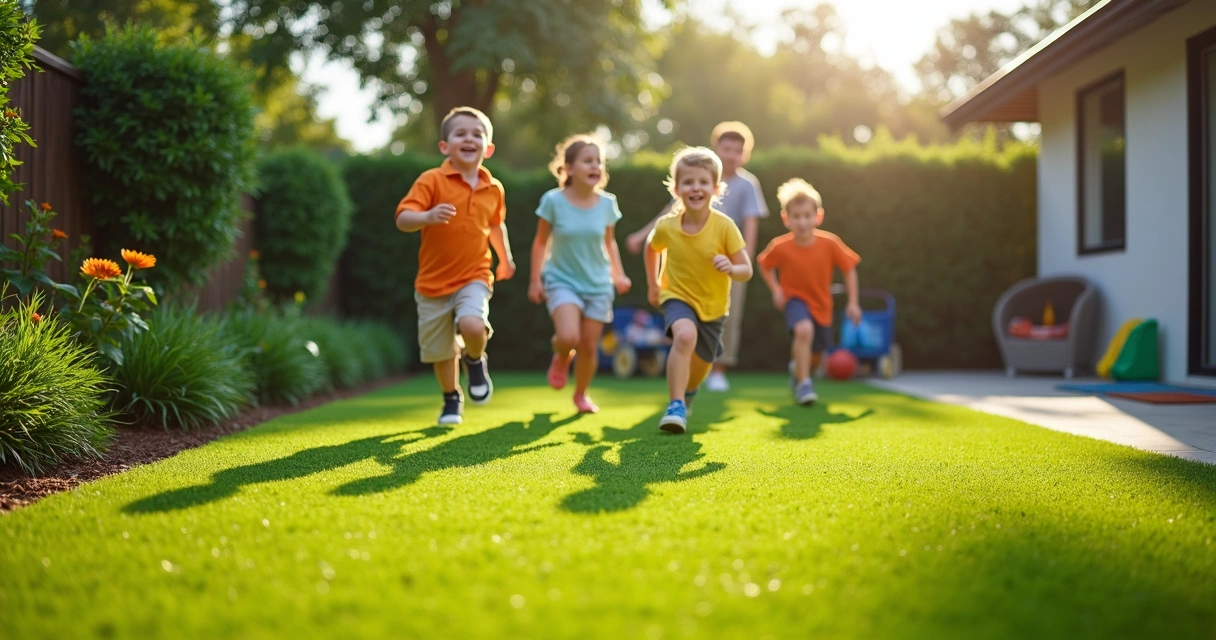
Silica sand typically needs only light annual brushing or topping up every 3–5 years on moderate-use lawns. Occasionally, heavy rainfall and foot traffic will require professionals to redistribute or supplement the infill for optimal drainage.
Rubber infill lasts the longest, and is unlikely to need more than a rare replacement (every 7–10 years) if installed deep enough. It requires the least hands-on attention day-to-day, which is why we see parks and school fields prefer it.
Zeolite, while slightly costlier upfront, has a benefit for pet areas: it cuts down on the need for frequent cleaning, since it neutralizes odors naturally and does not break down under the sun. Some owners choose to wash the turf with hose water during dry spells, but that’s usually enough for years.
Cork requires more periodic attention—some topping up every 3–5 years, especially in areas of frequent rain and heavy drainage. On the plus side, cork’s insulation can add to the comfort of outside spaces in both the Orlando summer and occasional cool snaps.
You’ll find more information about regional installation and specific maintenance guidelines for each city at our service pages for Daytona Beach, Sanford, and Kissimmee.
Making the best choice for your property
Even with all the facts and comparisons, it can be tough to decide on your own. Throughout Central Florida, we’ve seen customer preferences fall into clear patterns:
- For basic residential lawns without heavy pet or play use, silica sand is a solid option with a focus on value.
- For home pet runs or doggy daycares, zeolite (sometimes with a sand base) wins for controlling odor and bacteria.
- If play surfaces, schoolyards, or athletic fields are the goal, rubber’s durable bounce is the best answer for safety and longevity.
- Eco-friendly projects or shaded yards might benefit from cork, especially for heat control and natural comfort.
Sometimes, mixed infills give the best of both worlds—like sand/zeolite blends for yard/pet hybrids. We handle all blending and layering in-house, so every client gets a solution tuned to their unique goals.
We always recommend that property managers, business owners, and homeowners contact locally experienced turf installers—such as us at GCM Best Services—because we know the region’s weather, soil, and use patterns. See more about our full scope of artificial turf services and benefits.
Conclusion: Picking the right turf infill pays off
Choosing the correct artificial turf infill is not just a technical step—it shapes how your space looks, feels, and performs every single day. We’ve seen lawns thrive, children play safely, and pet areas remain refreshing year-round just by getting the infill right.
Our promise at GCM Best Services is to match your needs, lifestyle, and budget with the perfect infill for your setting—delivered on time, with clear communication, and backed by written warranty.
Ready for a professional quote? 📞 (407) 250-1948 • 24–48h • Orlando, Tampa & area.
Frequently asked questions
What is silica sand turf infill?
Silica sand turf infill is a fine, rounded natural sand that is applied between the blades of artificial grass to help them stand upright, improve drainage, and add weight for stability. It is widely used for residential landscapes because of its affordability and straightforward performance. While it provides modest cushioning, it does not help control odors or add much resilience for high-impact activity areas.
How does rubber infill compare to sand?
Rubber infill provides more spring and comfort than sand, making it great for play spaces and athletic settings. Unlike sand, rubber resists compaction and keeps turf blades upright in high-use areas. However, rubber infill absorbs more heat, making turf surfaces feel hotter on sunny Central Florida days compared to silica sand. Sand, conversely, is cooler, less expensive, but not as shock-absorbent.
Is zeolite infill safe for pets?
Yes, zeolite infill is safe for pets. It is a non-toxic, natural mineral that does not leach harmful chemicals and is widely chosen for pet areas due to its ability to neutralize ammonia and reduce odors from urine. For the best performance, we often recommend pure zeolite or a sand/zeolite blend for heavily used dog runs and pet turf.
Which turf infill is most eco-friendly?
Cork is regarded as the most eco-friendly turf infill option. Harvested from the bark of cork oak trees without killing or harming the tree, cork is renewable, biodegradable, and safe for pets, children, and wildlife. Zeolite is also a natural mineral and considered environmentally sound, while rubber infill is made from recycled tires but may be less preferable for those seeking exclusively plant-based materials.
How much does cork infill cost?
Cork infill tends to cost more than silica sand or standard rubber, often in the same price range as zeolite. Pricing depends on sourcing, volume, and location, but expect to budget at least double or triple the cost of silica sand per square foot. While the upfront cost is higher, the benefits of cooler turf, natural comfort, and environmental positives often justify the investment for many property owners.
Alright, 587bet1 is in the mix for my bets. The interface is decent and easy to navigate. Might be worth a look if you’re into this kind of thing 587bet1.