Living in Central Florida, we know firsthand how pool deck pavers can transform a backyard into a space for sunshine and memories. But to keep that space looking sharp, safe, and easy to maintain, proper sealing is key—especially in Florida’s heat, moisture, and unpredictable storms. At GCM Best Services, we’ve helped hundreds of local homeowners and businesses protect their pavers for the long haul. In this article, we share what matters most when it comes to sealing pool deck pavers in Florida: what to do, what to avoid, and how a good process brings out the best in your hardscape.
A great pool deck starts with the right foundation—and lasts with the right care.
Why seal your pool deck pavers?
We begin with the “why.” Sealing is about protecting your investment. Florida’s intense sun and subtropical downpours put extra stress on pavers—from fading to mold and weed growth, to shifting, stains, or tricky puddling. Sealing pavers creates a barrier that:
- Lowers the risk of stains from pool chemicals, food, drinks, or tree debris.
- Helps prevent weeds and mildew from growing between the pavers.
- Guards against fading or discoloration from UV and rain.
- Makes cleaning, sweeping, and rinsing much easier and more effective.
- Helps interlock sand joints and keep pavers stable—no shifting or settling around your pool.
We believe that regular sealing helps pavers stand up to Florida’s weather and keeps your pool deck attractive and functional. But not all sealants or methods are alike, and timing is everything.
Understanding Florida’s unique challenges
Why does sealing pavers in Florida demand close attention? Here’s what we see every season:
- Intense sun: UV rays here are strong. This can soften colors and break down cheaper or old sealers.
- High humidity and rain: Frequent storms and humidity promote algae, mildew, and shifting joints.
- Sand and salt: Sand from backyards, and pool salt systems or ocean air, can be abrasive or leave deposits over time.
- Rapid weather changes: Downpours followed by heat can challenge even top sealing products.
Strong results depend on using sealers that perform well with Florida soil and climate—and on expert surface preparation every time. At GCM Best Services, that means customized solutions for our neighborhoods in Orlando, Tampa, and throughout Central Florida.
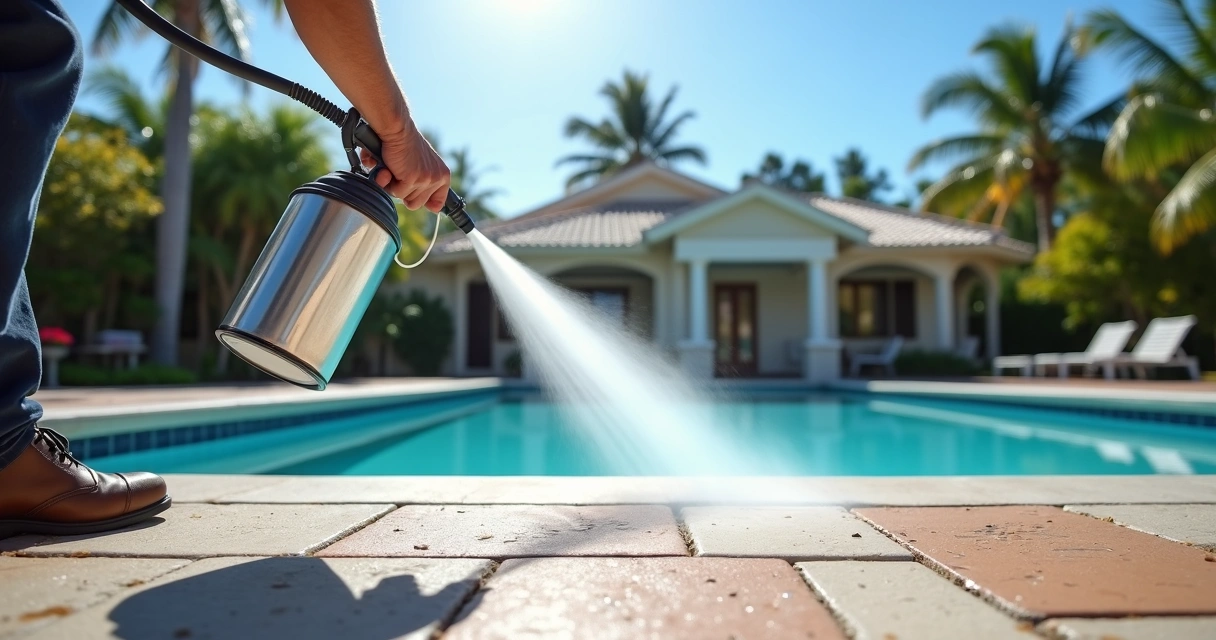
Do’s of sealing pool deck pavers in Florida
Choose the right sealer formulation
Selecting a sealer is not about picking any product you find at the store. Several types suit our climate:
- Water-based sealers: Favorable for most Florida pool decks, since they allow moisture vapor to escape and resist whitening. Easy to reapply, low odor, and safe for most paver types.
- Solvent-based sealers: These produce a shiny “wet look” finish and can darken paver colors, but may trap moisture and develop a haze if not applied carefully or over wet pavers.
- Penetrating or impregnating sealers: Best at resisting pool chemicals, oils, and stains without affecting color or texture. They don’t form a surface film, so they reduce slipperiness.
Depending on whether you want a natural look or a glossy shine—and if your pool is saltwater or chlorine—we recommend a product that balances appearance, protection, and slip resistance. In our experience, water-based, breathable sealers often suit Florida families best.
Prepare surfaces thoroughly
This step is what separates lasting results from disappointment. Before sealing:
- Remove all leaves, debris, and loose sand between joints—don’t ignore the corners.
- Pressure wash at a moderate setting to lift mildew, mold, algae, oil, and old stains.
- Allow all surfaces to dry fully—usually at least 36–48 hours after heavy rain or washing.
- Sweep new polymeric sand into joints, and vibrate in place with a plate compactor for best interlock.
- Address drainage issues. Proper drainage is key for Florida’s heavy rain, as pooling water will undermine the seal and the paver base.
It’s tempting to rush, but sealing over a damp, dirty, or badly sanded surface leads to headache and wasted time.
Apply in appropriate weather conditions
Timing matters. We check for these conditions:
- No chance of rain for at least 24–36 hours after sealing.
- Surface and air temperatures between 55°F and 90°F for even drying and curing.
- Relative humidity under 80% to speed the cure and avoid cloudy or uneven finish.
In Florida, that can mean early morning or late afternoon projects—or scheduling during drier weeks when the forecast is reliable.
Use proper application techniques
Consistent techniques give a consistent result:
- Rollers or low-pressure sprayers work well. We use professional-grade sprayers for speed and accuracy.
- Work in manageable sections to avoid walking over freshly sealed areas.
- Apply thin coats. Two lighter coats deliver better protection and a smooth finish than one heavy coat.
- Overlap edges to avoid stripes or buildup.
- Check all joints—ensure sand is sealed in for long-term stability.
Two thin coats beat one thick coat—every time.
Following manufacturer’s application rates and instructions always pays off in the final look and longevity.
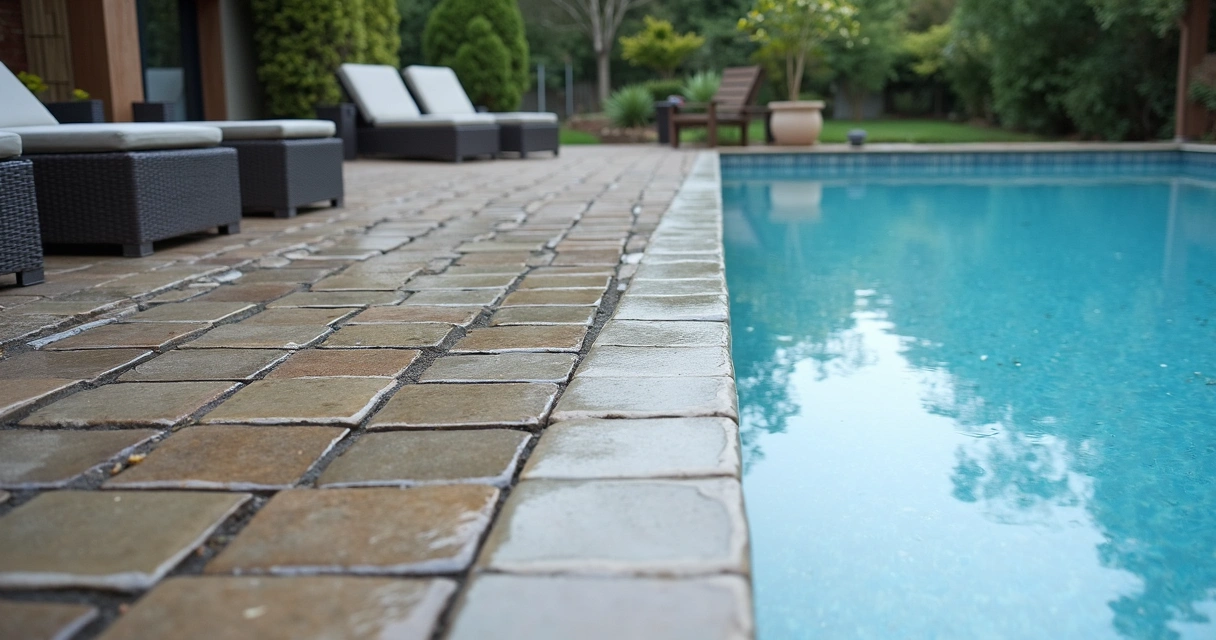
Maintain regular sealing cycles
Most Florida pool decks benefit from resealing every 2 or 3 years, though this varies with use, sun exposure, sealer type, and cleaning habits. If water no longer beads on the surface—or joints look dusty—it’s probably time.
- Test a few spots by dripping water: If it soaks in and darkens the paver, the sealer is breaking down.
- Watch for faded color, slippery growth, or stubborn stains as signals to reseal.
By sticking to regular schedules, pool decks resist weeds and surface wear much better—our cracking and drainage prevention tips explain more about why timing matters in Florida.
Don’ts of sealing pool deck pavers in Florida
Don’t seal new pavers too quickly
It’s natural to want your pool deck finished and perfect as soon as possible, but patience pays.Pavers contain moisture after manufacturing and may have dust or residues that can prevent proper bonding of sealers.
- We recommend waiting at least 30–60 days after installation before the first sealing.
- This lets efflorescence (the white, chalky film) appear and be cleaned before sealing. Sealing over efflorescence locks stains under a permanent film.
Don’t ignore weather or surface moisture
Florida’s weather changes fast. Even if surfaces “feel” dry, pavers and sand joints can hold hidden moisture. Applying sealer too soon after rain or morning dew leads to:
- Milky or cloudy finishes that never clear.
- Poor adhesion, causing the sealant to peel or flake away within months.
- White lines or haze inside joints, especially on textured or tumbled pavers.
We only seal when the deck passes a moisture test—no shortcuts—and recommend the same for DIY projects.
Don’t overapply the sealer
Too much sealer sounds like extra protection, but it’s quite the opposite. Heavy coats can trap moisture, turn slick, and peel off in Florida’s heat.
- Forming pools or runs in low spots means too much product was applied.
- Streaky or shiny patches mark uneven application or thick overlap.
- Resealing over built-up layers creates a plastic-looking surface, especially in hot sun.
Always follow label recommendations for coverage per gallon. Two thin, even coats win every time.
Don’t choose the wrong finish for a pool area
Shiny, “wet look” finishes can be slippery—especially when wet. For pool decks, we often steer toward sealers that:
- Adders slip resistance, such as grit-infusion or textured finishes.
- Maintain a natural look or subtle color enhancement without high gloss.
- Are rated for foot traffic and pool proximity by the manufacturer.
Safety comes first for any pool deck. We test slip resistance and recommend textured products when slip-and-fall risks are high.
Don’t skip joint stabilization or drainage planning
Ignoring joints or drainage lets weeds, dirt, and water cause long-term trouble. For great paver life:
- Use polymeric sand in joints—not play sand. It locks together after watering/curing and resists washout.
- Check that no low areas remain to capture water after sealing. Water sitting on sealed surfaces forces it into the sand joints or base, risking loose or heaved pavers.
Surface drainage design, edge restraints, and periodic re-sanding extend the life of your deck. See our deeper look at weed and joint maintenance.
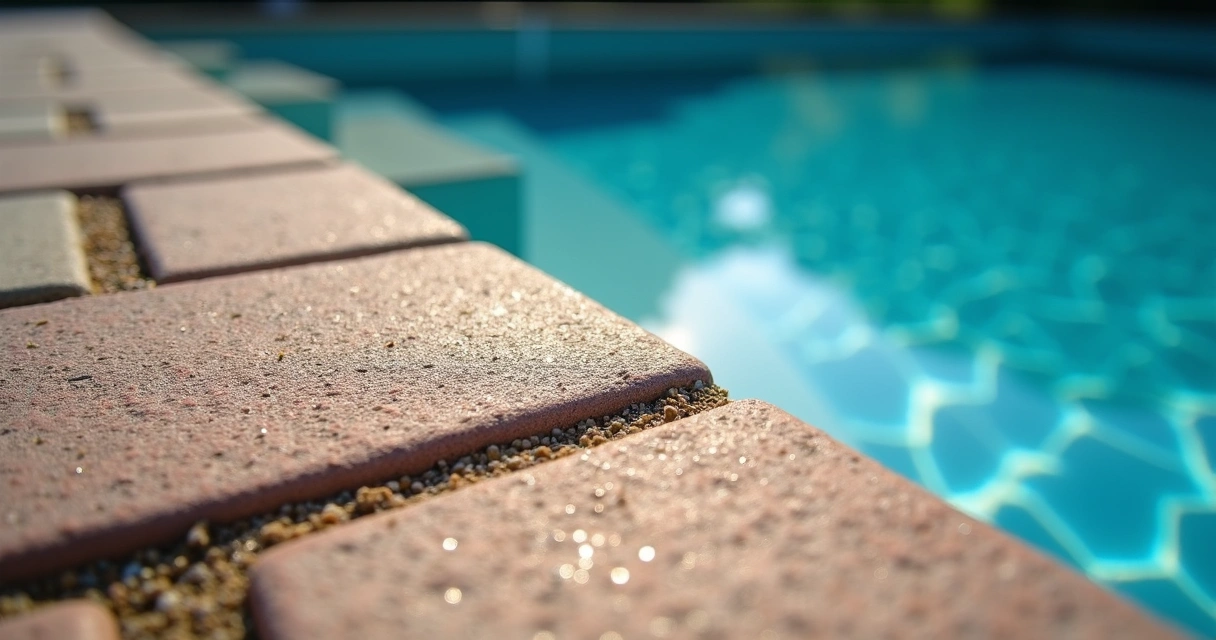
Don’t forget to follow safety and environmental guidelines
Some sealers give off vapors or can damage landscaping and pool water if overapplied or spilled. Always:
- Protect nearby plants, grass, and water features.
- Follow all label precautions and wear proper protection (gloves, mask, and shoes).
- Dispose of leftover material and containers responsibly through approved waste streams.
We only use products certified for use around swimming pools and landscaping, and we stay current on drainage and runoff risks. Studies from the University of Florida remind us that changes to hard surfaces can affect runoff and local wildlife—so every choice counts.
Extra tips for Florida pool deck longevity
Work with local professionals for best results
While many homeowners seal pool decks themselves, Central Florida’s challenges make experience valuable. At GCM Best Services, we:
- Assess drainage, runoff, and paver base to help avoid ponding or sinking.
- Manage permits or HOA requirements for big upgrades, resurfacing, or border changes.
- Supply written warranties and photo documentation for your records.
- Recommend products and finishes that match your pool style, safety needs, and maintenance preference.
Our processes—inspection, prep, application, walkthrough—mean less stress and more time by the pool.
Follow up with annual care
- Keep the deck swept and rinse leaves, sand, and dirt soon after storms.
- Spot treat mold or algae with pool-safe cleaners—quick attention prevents deep staining.
- Trim edges and landscaping for airflow and sunlight; don’t let planters trap water against your deck.
- Refill sand in joints as needed, especially after pressure washing.
Never underestimate the difference that small maintenance habits make year after year.
Add safety and design upgrades when possible
A newly sealed deck gives you opportunities for small upgrades:
- Install low-voltage lighting for nighttime beauty and safety.
- Upgrade walkways or steps if loose or chipped pavers are found during sealing prep.
- Check borders and edge restraints, which prevent drift and limit trip hazards.
- Consider adding a new outdoor kitchen or screen enclosure. Our dual services in hardscape improvements can transform pool areas into seamless entertaining zones.
Every pool deck tells a story. We’re here to help yours last.
How sealing fits into broader hardscape care
We see paver sealing as just one piece of a healthy outdoor space in Florida. Preventing cracks, improving drainage, and managing greenery all add up to easier, longer-lasting maintenance and more value for your home. If you’re adding new turf or landscaping, the university of Florida guidelines on plant selection and maintenance for Florida‑Friendly Landscapes™ can help lower your yard’s care needs and runoff—but hard paver surfaces will always need some attention.
If you are considering an expanded patio, driveway, or walkway, take a look at our design and installation services for options we recommend.
Conclusion
At GCM Best Services, we feel strongly that success with pool deck paver sealing in Florida means blending quality products, local know-how, and good timing. When you choose the right sealer, pay attention to weather and surface prep, and commit to regular maintenance, you’re far more likely to enjoy years of beauty and value from your poolside investment. Skip shortcuts. Take the time to do it right, or let professionals help. A great pool deck is where memories are made—and we’re proud to help so many Florida families protect theirs. Are you ready for a professional quote, in-person assessment, or more guidance on making your pool deck pavers last? Reach out and discover the difference that a reliable team with Florida expertise can make for your outdoor space.
Ready for a professional quote? 📞 (407) 250-1948 • 24–48h • Orlando, Tampa & area.
Frequently asked questions
What is the best sealer for Florida pavers?
The best sealer for Florida pool deck pavers is a water-based, breathable product made for exterior hardscapes, with added slip resistance and UV protection. In our experience at GCM Best Services, these sealers allow underlying moisture to escape in humid conditions, resist pool chemicals, and maintain a natural paver look. For higher-gloss results, solvent-based sealers can be used but require more careful application. Penetrating sealers are another good choice, as they protect without surface film. We match the sealer type to your goals, safety needs, and pool environment for best results.
How often should I seal pool deck pavers?
In Florida, pool deck pavers should generally be resealed every 2 to 3 years. Heavy sun, use, and summer storms can sometimes shorten this interval—if you notice faded colors, water soaking instead of beading, or joints losing sand, a reseal may be overdue. High-traffic or full-sun areas may need attention more often. Regular maintenance, plus spot cleaning of stains and algae, helps your seal last as long as possible.
Can I seal pavers myself or hire a pro?
You can seal pool deck pavers yourself with careful surface prep, product selection, and timing, but many Central Florida homeowners benefit from professional sealing services that include deep cleaning, moisture testing, and attention to drainage and joint structure. At GCM Best Services, we recommend hiring a pro for large or complicated decks, or where slip prevention and compliance with HOA, pool policy, or warranty coverage are important. For small, flat decks, a careful DIY can work—just read product labels, wait for the right weather, and apply thin coats.
How much does paver sealing cost?
Paver sealing costs in Central Florida typically range from $1.00 to $2.50 per square foot, depending on deck size, paver condition, required cleaning, sealer type, and special features like joint sanding or slip resistance. Very large, complex, or neglected decks can run higher. Professional quotes from firms like GCM Best Services always include surface prep and written warranty—so you know exactly what’s covered.
What should I avoid when sealing pavers?
Avoid sealing new pavers before they fully cure, sealing over wet or dirty surfaces, and using too much sealer per coat. Skip “wet look” high-gloss sealers in pool areas unless they have added grit or texture for safety. Don’t ignore drainage, loose edges, or cracks—these problems get worse when trapped under sealer films. And never neglect label instructions, safety guidance, or environmental runoff precautions near plants, pool water, or hardscape borders.