As homeowners and property managers in Central Florida, we know that aluminum screen enclosures offer year-round enjoyment of patios, pools, and lanais, while also protecting spaces from harsh sun, pests, and debris. However, our region’s unique mix of humidity, storms, and salt-laden air puts these structures to the test. At GCM Best Services, we’ve seen that with the right care and some practical steps, you can make your enclosure resist the elements for many years beyond a standard lifespan.
In this detailed guide, we will walk through seven clear, field-tested tips to extend the life of aluminum screen enclosures. Drawing on local experience—and supporting data from sources such as U.S. Fish & Wildlife Service, General Services Administration, and a recent peer-reviewed study on aluminum deterioration—we’ll show how a bit of prevention and routine attention pay big dividends.
If you value your outdoor living space, start by learning what keeps your enclosure looking new and standing strong.
Why focus on aluminum screen enclosure longevity?
Choosing an aluminum screen enclosure is not just about curb appeal—it’s a significant investment in property value, comfort, and protection. Prolonging its life means better returns and fewer headaches. Neglect, on the other hand, leads to corrosion, screen tears, misalignment, faded coatings, and even structural failures during storms.
We’ve helped dozens of clients recover from issues that could have been avoided with simple maintenance. At GCM Best Services, we’re committed to clear communication and proactive care, so we believe it pays to know exactly how to get the most years out of your enclosure.
 1. Clean regularly and safely
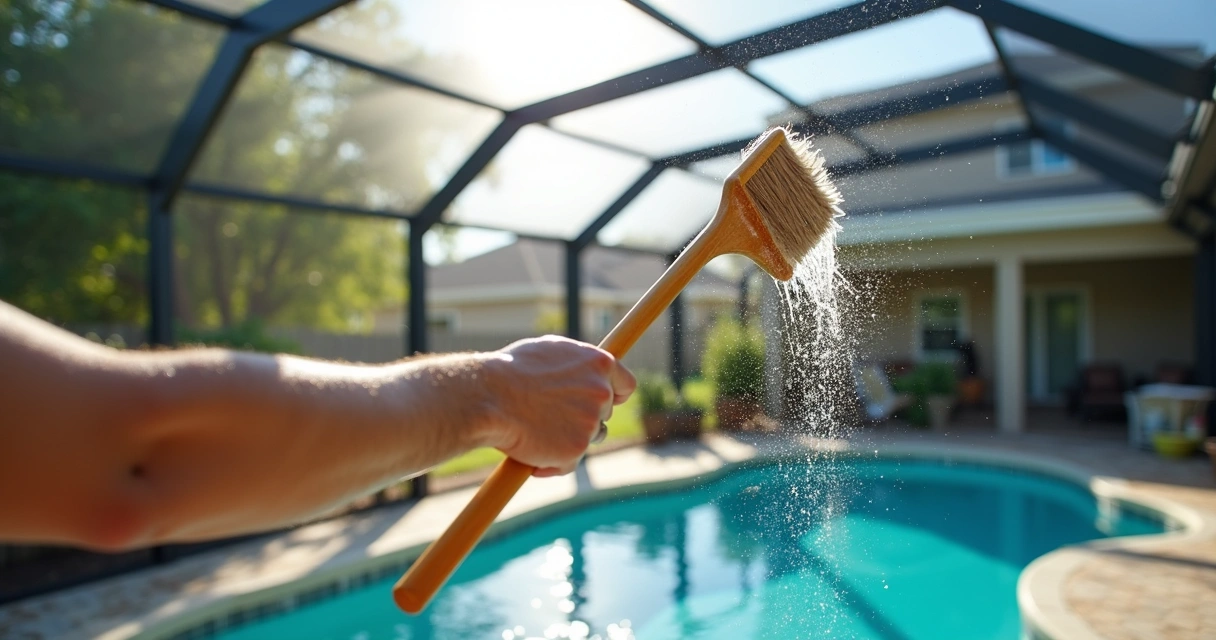
Aluminum is prized for resisting rust, but it’s not immune to grime, pollen, algae, and corrosive deposits that settle out of Central Florida’s humid air. Frequent cleaning—at least twice a year—removes these threats before they have time to weaken the frame or mesh.
- Use a soft-bristle brush, warm water, and mild dish soap to loosen dirt.
- Rinse with low-pressure water, especially after pollen-heavy months or rainstorms.
- Avoid harsh chemicals (bleach, ammonia, strong acids) that damage protective coatings or powder finishes.
- Check less obvious spots, such as inside gutters, track systems, and top beams, for hidden debris or pooling water.
According to guidance on proper aluminum window and enclosure maintenance from the General Services Administration, removing surface contaminants prevents pitting and paint failure.
In our experience, simple tasks like gently hosing down the enclosure or wiping rails after a dust storm can prevent years’ worth of silent damage.
2. Inspect for corrosion and joint damage
Even top-quality aluminum can corrode, especially around fasteners, seams, or areas exposed to constant moisture and air pollution. Spotting early signs—small blisters, white spots, or powdery residue at joints—lets you act before strength is lost.
- Look for chalky streaks, bubbling paint, or exposed raw metal on rails and posts.
- Pay special attention to bolts, screws, and brackets anchored in concrete, where water pools or salt collects.
- Test the rigidity of connections by gently wiggling suspect posts or crossbars.
A 2022 peer-reviewed study on aluminum connections found that corrosion sets in fastest where moisture lingers and chloride levels are high—common in Florida’s salty breeze. Repairing or sealing these spots early helps preserve both appearance and safety of the enclosure.
3. Reseal and paint as needed
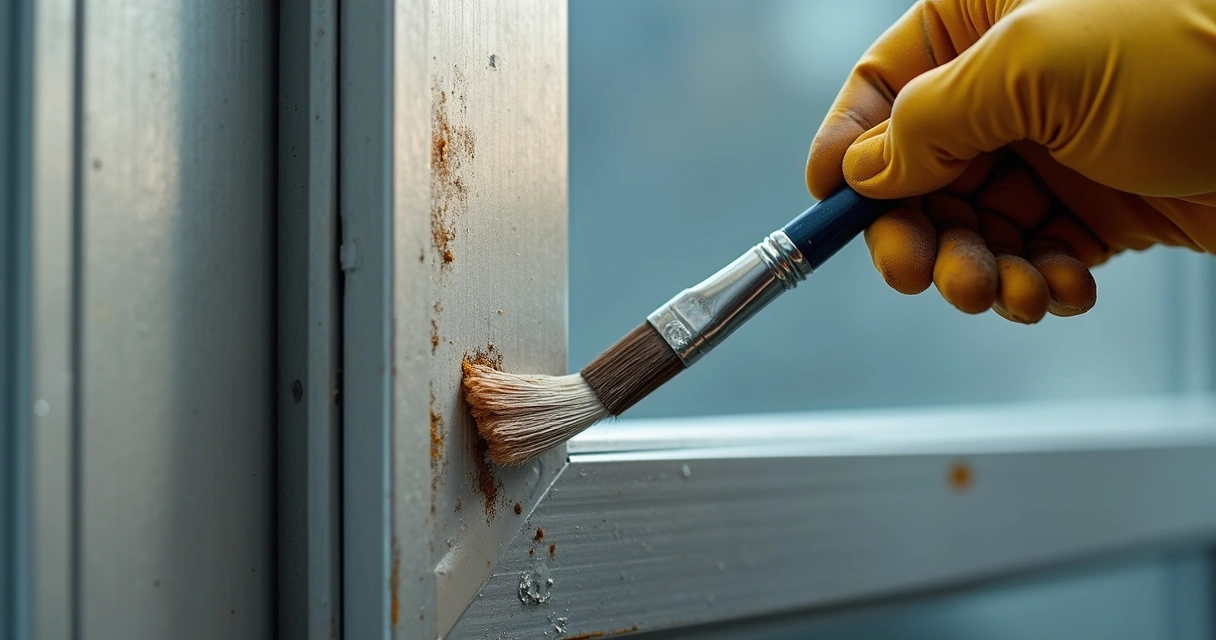
All finishes fade in the sun and lose their protective power over time. If your enclosure’s paint is chalky, peeling, or thin, a fresh coat can double the life of the frame by keeping oxygen and water out of the metal.
- Wash and dry thoroughly before painting. Remove all loose paint and corrosion with a brush or sandpaper.
- Use paint or coatings designed for aluminum and exterior use—most are oil-based or acrylic latex. Consult with a professional if you’re unsure which product maximizes protection.
- Mask screens and concrete carefully to avoid drips or overspray.
Our GCM Best Services painting crews recommend touch-up or repainting at least every 8–12 years, or sooner if you see flaking or color loss. This not only keeps the enclosure sharp but also shields it from gradual corrosion.
 4. Keep screens tight and intact
A torn or sagging screen not only lets in pests—it can snag in the wind, whip against the frame, and lead to torn spline or even bent aluminum.
- Inspect each panel and spline at least once a year, particularly after storms or wind events.
- Resecure loose screens promptly, replacing missing spline or anchors.
- Patch small holes with aluminum screen repair patches or by weaving new mesh into the frame. For widespread wear, consider full rescreening with UV-resistant mesh.
Research by the U.S. Fish & Wildlife Service on hatchery screens shows that routine repairs substantially prolong both frame and screen life. At GCM Best Services, we’ve found the same: quick fixes today prevent far bigger repairs tomorrow.
5. Mind your landscaping and irrigation
Trees, vines, and sprinklers can help lower your summer bills, but their undersides may quietly compromise your enclosure. Branches that rub or lean over time can scrape protective finishes and channel water right against the aluminum. Meanwhile, fertilizer drift and sprinkler mist often accelerate corrosion or mildew.
- Trim all bushes, trees, and groundcovers so there’s a gap between them and the enclosure’s structure.
- Aim sprinklers and irrigation nozzles so water never sprays directly onto the frame or mesh.
- Rinse aluminum after using fertilizers nearby, as runoff can contain chlorides and phosphates that eat away at coatings, as pointed out in studies on aluminum deterioration from moisture and chemicals.
We often remind clients that a good landscape is one where the plants don’t touch the enclosure.
6. Upgrade hardware and anchors over time
Aluminum frames are resilient, but the hardware and anchors that hold everything together may corrode or lose grip. As enclosures age, old steel bolts, brackets, and concrete anchors may become the weak links, especially in Florida’s salty air or after heavy storms.
- During every yearly maintenance inspection, look at all fasteners—inside and outside—for reddish stains, flaking, or looseness.
- Replace out-of-date or corroded hardware with stainless steel or equivalent marine-grade fasteners.
- When possible, choose hurricane-rated brackets that comply with current wind-load codes, making your enclosure more resistant to extreme weather events—one of our main focuses at GCM Best Services.
If you see a fastener that looks less than solid, act sooner rather than later. The enclosure is only as strong as its smallest connection.
7. Address drainage and slab maintenance
Poor drainage invites standing water, which in turn accelerates aluminum decay, undermines anchor strength, and invites algae or mildew growth. This is why we always consider drainage when building, upgrading, or repairing enclosures in Central Florida.
- Check for puddles or persistent damp spots under and around the enclosure after rain or irrigation.
- Make sure that patio slabs slope away from the house and that gutters and downspouts direct water clear of post bases, as recommended for all concrete-based structures.
- If you discover cracks or shifting concrete, consider professional hardscape assessment and repair — our team can guide you through this process, often working hand in hand with our concrete and paver crews.
For further reading on drainage concerns when pairing concrete and screen enclosures, our article at preventing cracks in Florida concrete patios and driveways shares additional tips on water management and slab preparation.
Putting it all together: Proactive care pays off
We’ve seen from our projects at GCM Best Services that clients who follow these seven steps enjoy enclosures that look better, work better, and last far longer than their neighbors’. By making regular inspection, cleaning, and minor repairs a habit, you avoid the most expensive and frustrating problems.
We also recommend keeping a maintenance notebook with dates, repairs, and notes on the enclosure’s condition—this makes it easier to spot patterns and gives future buyers confidence in your property.
If the time comes to upgrade or remodel your outdoor space, remember that professional contractors can strengthen existing enclosures, install new storm-resistant hardware, or blend pavers and artificial turf with flawless transitions. For tips on new materials and what’s involved in a complete hardscape installation, see our hardscaping overview at GCM Best Services Hardscape, or explore project guides such as what a complete brick paver installation estimate includes.
 FAQs about aluminum screen enclosures
How to clean aluminum screen enclosures?
We always recommend starting with a soft-bristle brush and a bucket of warm water mixed with mild dish soap. Gently scrub the frame and screens, rinse with a garden hose (not a pressure washer), and avoid harsh chemicals. Focus on removing pollen, dust, and mildew to keep the enclosure bright and free of contaminants.
What causes aluminum enclosures to rust?
Aluminum doesn’t rust like iron or steel, but it can corrode, especially at connections or where the protective coating is damaged. Exposure to chlorides (from ocean air or fertilizers), constant moisture, and mechanical damage can trigger what looks like rust—usually white powder or pitting. Studies on aluminum frame deterioration underline that regular inspection and keeping water away from bare metal is the best prevention.
How often should I maintain screens?
We suggest a visual screen inspection at least once a year, with full cleaning every six months. After major weather events or visible damage, it makes sense to check right away. Tight, clean screens perform best and put less stress on the frame.Promptly patching small holes can add years to screen life.
Is it worth it to repaint enclosures?
Yes, repainting restores both the look and the protective barrier of an aluminum enclosure. If you see faded, chalky, or flaking paint, it means the surface coating is no longer keeping air and water out. A full, proper repaint every 8–12 years is typical, though touch-ups in problem spots may be needed sooner, especially in sunny or wet conditions.
What are the best cleaners to use?
The safest and most effective cleaner is a mixture of mild dish soap and warm water. Avoid products with bleach, ammonia, acids, or abrasives, as these can strip finishes or pit the metal. For stubborn spots, use a sponge or soft brush. Commercial aluminum cleaners can also be used, but test in a small area first. Always rinse thoroughly after cleaning to prevent residue build-up.
Ready for a professional quote? 📞 (407) 250-1948 • 24–48h • Orlando, Tampa & area.
To discover more about keeping your outdoor space beautiful and functional year-round, browse our hardscaping resources or check our guide to licensed contractor concrete repair for larger structural needs. At GCM Best Services, we’re always here to help you enjoy safer, longer-lasting outdoor living in Central Florida.