Living in Central Florida, we all recognize that thoughtful outdoor living design goes beyond pavers, patios, and landscaping. Small eyesores like utility boxes—those green, gray, or metal electrical, irrigation, cable, or internet junctions—can interrupt the flow of even the most inviting outdoor spaces. At GCM Best Services, we help homeowners, businesses, and HOAs in Orlando and the surrounding region create beautiful, functional outdoor areas. This also means finding creative ways to conceal utility boxes that blend with landscaping, hardscape improvements, or outdoor features.
From artistic coverings to greenery, there are many ways to disguise these necessary structures. We’ll share practical strategies, important safety reminders, links to relevant studies like the UCLA campus utility box art transformation, and real-world advice from our Central Florida projects. Whether you’re upgrading driveways, building a summer kitchen, or adding an enclosure, these strategies can help make utility boxes blend with your vision.
Why conceal utility boxes?
Before we jump into the strategies themselves, it helps to understand the main reasons we want to hide utility boxes:
- They disrupt the visual harmony of outdoor living and landscape projects.
- They can lower the curb appeal and even the value of a property.
- They might attract graffiti or look neglected unless addressed attractively.
- HOA guidelines and local ordinances sometimes require subtle screening.
With a little creativity and the right professional planning, utility boxes can fade into the background or even become conversation starters.
The safety foundation: What every strategy needs
While design matters, safety always comes first. We emphasize:
Always leave space and access for utility workers.
Most companies and city codes ask for an 18- to 36-inch clearance around boxes for operations or emergencies. Always check your city or county’s guidelines and HOA rules before you cover or screen any utility feature. Some areas require specific materials or restrict what can be attached (or even placed near) the equipment.
This way, each of our strategies below respects safety and access—while prioritizing a beautiful outcome.
Strategy 1: Living screens with plantings
This is by far one of the most popular and adaptable methods for hiding utility boxes. In Central Florida, lush subtropical growth provides many screening and blending options.
- Choose shrubs or ornamental grasses that remain dense year-round, like podocarpus, dwarf yaupon holly, or muhly grass.
- Install plants 2–3 feet from the box, allowing for airflow, trimming, and access.
- Layer taller plants behind the box and shorter varieties in front for a tiered effect.
- Ornamental grasses and loose shrubs sway with the breeze while concealing hardware. Their texture softens boxy lines.
- Some properties benefit from adding native perennials or groundcovers at the base.
In larger installations, we’ve seen this approach work well along driveways, patio edges, or as part of hardscape upgrades in Orlando that include lighting, paver edging, or integrated drainage.
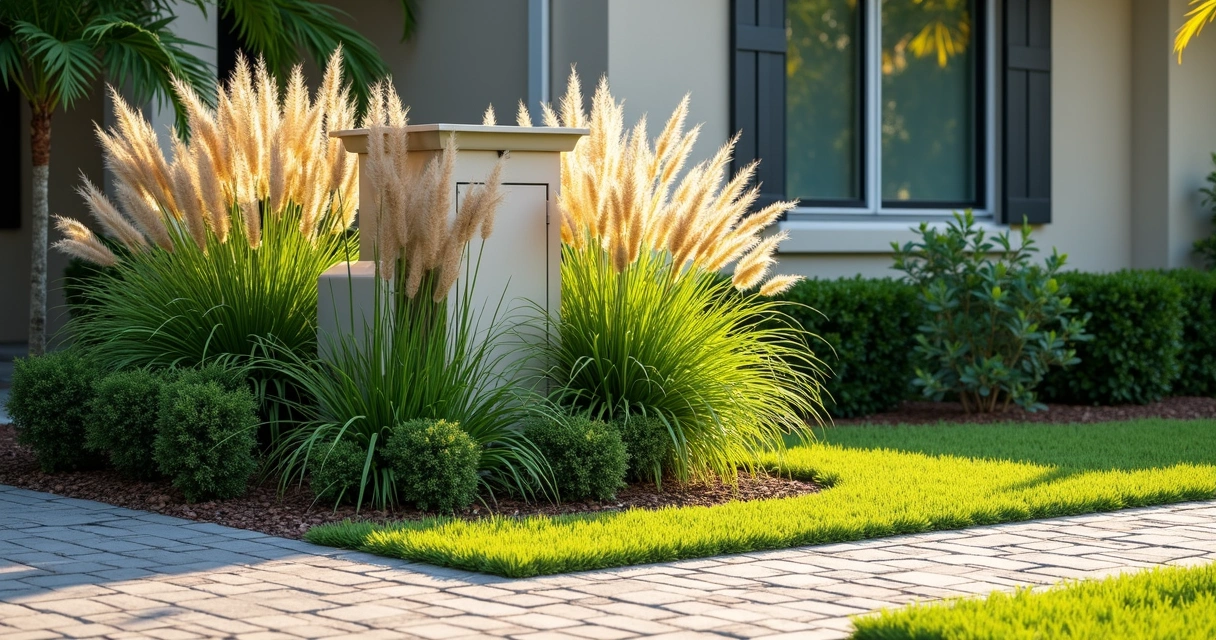
Living screens have the advantage of blending with almost any landscaping theme, from modern minimalist to cottage gardens. Choose varieties that thrive in sun or shade depending on your box’s location. Remember, avoid invasive species or thorny, hard-to-maintain plants near equipment. Regular trimming makes sure the area stays neat and accessible.
Strategy 2: Artistic painting and custom wraps
Utility boxes don’t have to stay dull gray or faded green. In fact, UCLA’s project turning traffic cabinets into art installations shows how public utilities can be transformed by vibrant, site-specific paintings. This is a practice gaining momentum in neighborhoods, business campuses, and even residential settings here in Florida.
- Artistic painting can make a utility box a focal point, mural-style, or help it blend with a wall or fence behind it.
- Vinyl wraps featuring stone, foliage, or abstract designs offer a smooth, weather-resistant finish.
- Many HOAs allow decorative boxes if the design is appropriate and non-reflective.
Using our painting and coating expertise, we offer coatings that can stand up to Florida’s UV, rain, and heat.
Sometimes, the bold solution is the most memorable.
We always use finishes that allow maintenance access and will not interfere with utility readings or labels.
Strategy 3: Decorative fencing panels and screens
For properties with modern themes, fencing panels provide a fast way to screen unsightly hardware. There’s a range of options:
- Treated wood slats or lattice panels in natural or painted finishes.
- Aluminum or powder-coated metal screens with geometric cutouts.
- Composite or vinyl panels designed to match fences or enclosures.
- Custom-built small enclosures that echo the style of nearby pool cages, pergolas, or privacy screens.
Always anchor panels with wind resistance in mind, as sudden storms are common in Central Florida. Position at least 12-18 inches away on all sides for access and airflow.
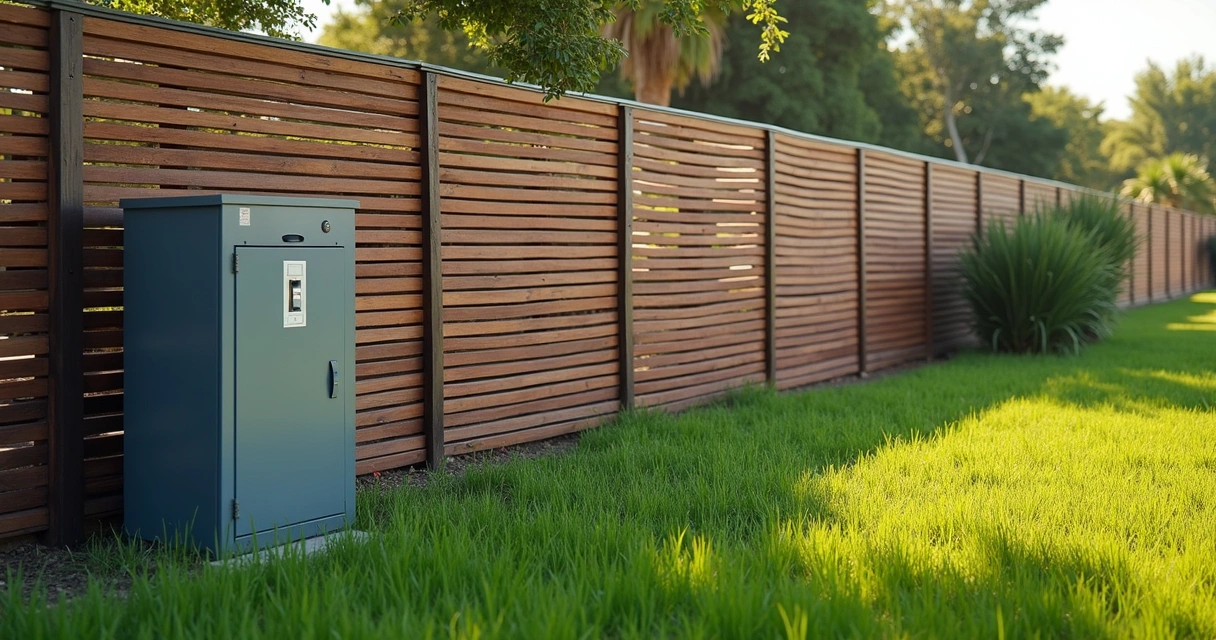
Decorative screens can be installed as part of a larger landscaping or patio project, especially when working on hardscape upgrades or backyard overhauls.
Strategy 4: Stone, brick, or paver surrounds
Incorporating utility boxes into your hardscape design can help them disappear almost completely. Using matching materials for patios, walkways, or driveways, we create:
- Low brick or stone “planter walls” in front of or around the box.
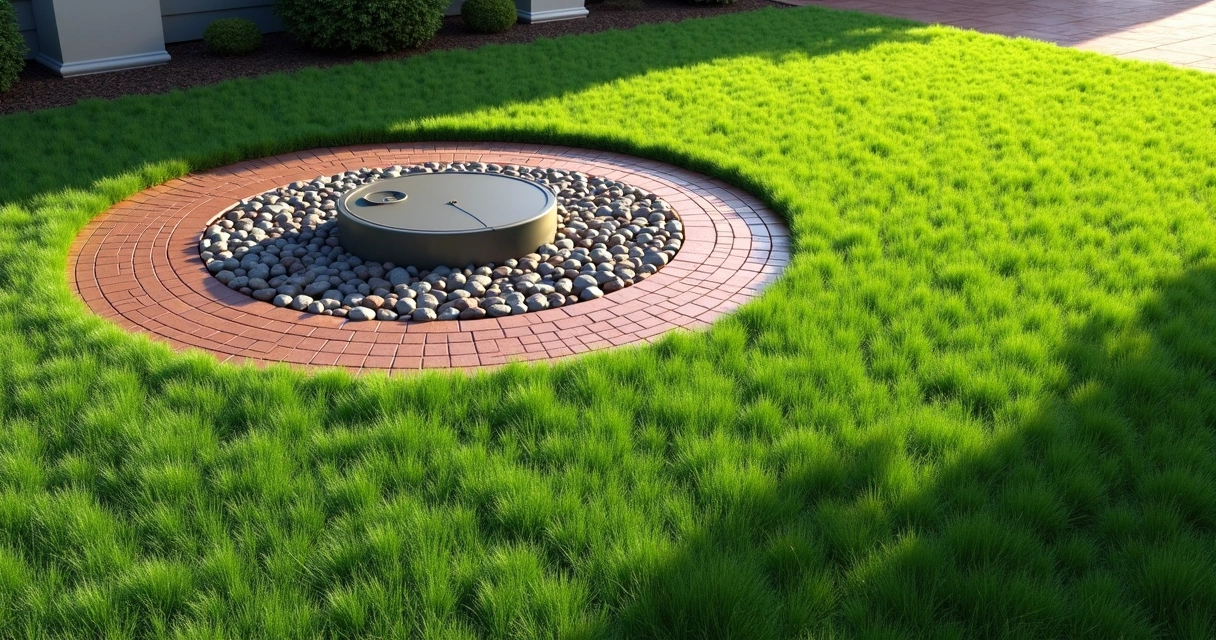
- Paver “islands” offering easy-to-lift segments for full access.
- Raised beds using the same block or edging as adjacent landscaping.
This is especially useful in properties undergoing paver or hardscape installations. We take care to include drain channels or removable segments if a city or utility team needs to access equipment. The finished look is polished, intentional, and can increase curb appeal.
Paver surrounds turn boxes from eyesores to subtle design features. Matching color and style to other features—like walkways, seating areas, or patios—brings the space together seamlessly.
Strategy 5: Movable covers and outdoor furniture camouflage
Sometimes, the best disguise is functional. Custom benches, storage boxes, or even large planters can double as covers. We recommend:
- Hinged benches that lift up for box access, built with weatherproof materials.
- Deck boxes or garden storage units staged right next to (but never bolted to) utility boxes.
- Oversized planters on wheeled bases set in front of hardware, easy to move when needed.
Always keep boxes fully accessible. In design, we pay close attention to clearances for airflow, safety, and code compliance.
Disguise with function, not just looks.
Furniture-style covers are popular along patios, near pool decks, and in front-yard installations where there is a need for multi-use space. Combine this approach with a coordinated color scheme or outdoor fabric to complete the effect.
Strategy 6: Artificial turf, mulch, or decorative stone ground surrounds
When a box sits awkwardly in a lawn or garden, we often recommend updating the entire bed or surrounding area. Options include:
- Installing a small area of artificial turf with a precise cutout for the utility equipment.
- Surrounding the box with mulch or river rock for neat, easy-maintenance borders.
- Blending the area with stepping stones or matching pavers for visual interest.
The key is to use “clean” materials—nothing that would spill or get sucked into electrical or telecom boxes. This method can be very cost-effective and works especially well as part of a complete drainage or landscaping plan that addresses runoff or soggy areas around boxes.
In our experience, using borders or edging made from brick, stone, or poly materials keeps the look fresh while discouraging weeds. High-quality artificial turf finished to the box edge can almost make the equipment “disappear” within a clean lawn.
Strategy 7: Vertical gardens and trellis coverings
For smaller utility boxes or meter clusters on exterior walls, a vertical solution can deliver beauty and privacy. Here’s how we build it:
- Install a sturdy trellis or lattice panel, painted to match the wall or left natural.
- Grow climbing plants such as jasmine, Florida wisteria, or passionflower for year-round coverage.
- Add small planters in front of the trellis with seasonal blooms for added depth.
If desired, lightweight artificial boxwood panels can also be used for instant green coverage—especially helpful where sunlight or irrigation is limited. Vertical screens are ideal beside patios, summer kitchens, or screen enclosures, and help unify outdoor rooms by repeating materials and colors from other features.
Vertical gardens soften the hard lines and bring true Florida lushness to exterior walls. The effect is calming and fresh—a fitting vibe for any backyard, pool area, or side yard seating nook.
Strategy 8: Blending boxes into architectural features
Finally, consider integrating utility box covers with the built environment itself. In our hardscape and structural projects, we often design:
- Stucco or masonry “columns” that house meter equipment discreetly.
- Low wall extensions that continue from seating or entry features, concealing ground-level boxes.
- Planter boxes that appear as part of entry steps, bench seating, or lanai surrounds with a practical side door for access.
The key is to match colors, finishes, and proportions to the home or building. This approach works especially well in full outdoor renovations or when adding summer kitchens or structural screen enclosures. The result is exterior spaces that flow together seamlessly, with functional needs hidden in plain sight.
This approach also ties in well with regional trends in Orlando outdoor living design. We find it’s often the most long-term, low-maintenance solution—especially for HOA projects or commercial properties that require tidy, code-aligned outdoor spaces.
Bringing it all together: How to choose your solution
Matching the right strategy to your home or business means thinking about:
- Property size and layout
- Type, size, and placement of utility boxes
- Sun/shade environment and plant choices
- Expected traffic or use of the area
- Budget and maintenance preferences
In our experience at GCM Best Services, we often suggest combining two or more techniques for a natural look. For example, a brick planter wall filled with tall ornamental grasses, or a decorative panel paired with lush shrubs. This layering provides coverage at different heights and seasons—keeping your outdoor spaces inviting and functional year-round.
We work with clients through every step: site assessment, design, permitting, and installation, making sure each project aligns with local codes and HOA guidelines. And since our team manages drainage design, finishes, and warranties, your investment is protected for the long haul.
Conclusion: Beautiful utility box solutions for Central Florida outdoor living
In Central Florida, outdoor living isn’t just a trend—it’s a way of life. Every detail matters, from patios and driveways down to how we handle the smallest hardware in our landscapes. Concealing utility boxes is an important finishing touch that brings polish and harmony to your space.
At GCM Best Services, we understand the balance of form, function, and safety that goes into every project. Whether you choose living screens, customized painting, stone surrounds, or vertical gardens, the outcome is a space that reflects your taste while meeting the area’s codes and climate needs.
If you’re ready to make your utility boxes “disappear” as part of your next hardscape, turf, or outdoor design project, we’re here to help. See the difference careful planning and professional installation can make—from concept to warranty-backed finish.
Ready for a professional quote? 📞 (407) 250-1948 • 24–48h • Orlando, Tampa & area.
Frequently asked questions
What is a utility box?
A utility box is an enclosure—usually metal or plastic—that houses electrical, internet, cable, water, or irrigation components for a property. These boxes may stand upright in your lawn, sit flush with the ground, or be mounted to an exterior wall. They are required for system access, control, and safety, but often do not match the landscaping style of a home or business.
How can I hide utility boxes?
We recommend several ways to hide or blend utility boxes, always leaving room for safe, legal access:
- Planting dense shrubs, ornamental grasses, or native plants around the box
- Using fencing panels, decorative screens, or trellises
- Custom painting or wrapping the box for visual interest
- Adding movable covers, benches, or planters in front
- Building paver or brick surrounds as part of a landscaping plan
- Combining scenic elements for a layered effect
Choose a method that fits your climate, code, and property design—all while avoiding permanent attachment or full enclosure unless allowed by local rules.
Are there rules for covering utility boxes?
Yes, there are usually municipal, utility company, or HOA rules that require keeping certain clearances around utility boxes. Most guidelines specify a minimum distance (often 18-36 inches) for worker access, and prohibit gluing, screwing, or permanently attaching anything to the box. Always check with your city or HOA before starting a disguise project. If in doubt, we can help research local codes and offer compliant solutions during the design process.
What materials work best for hiding boxes?
The best materials are those that:
- Withstand local weather, sun, and pests (UV-resistant artificial turf, aluminum, treated wood, native shrubs)
- Do not interfere with drainage or airflow (mulch, gravel, stone surrounds)
- Are quick to move or open for box maintenance (benches with hinges, planter boxes on wheels)
- Match your landscape or hardscape for a coordinated finish
We always prioritize durable, low-maintenance choices that are approved for outdoor use in Central Florida’s climate.
Is it safe to cover utility boxes?
Yes, but only if you leave required clearances, use non-flammable, weatherproof materials, and never block the box entirely. Ensure that all covers or plantings can be quickly moved in case of emergency or maintenance needs. We advise never placing locked or heavy objects on top of utility boxes, and always designing access points for utility workers. Our teams follow industry best practices and align every design with local safety and building codes.