Living in Central Florida, we are no strangers to thick, humid air and unpredictable weather. For homeowners, these factors shape not only our outdoor living habits but also the care and maintenance of our homes—especially when it comes to the longevity of exterior paint. At GCM Best Services, we know firsthand how Florida’s unique climate challenges the durability and beauty of painted surfaces. Over the years, we’ve delivered successful painting projects in Orlando and nearby regions, always taking high humidity into account to ensure strong and lasting results. In this article, we’ll explain how humidity affects exterior paint on Florida homes, share professional approaches that help overcome these issues, and offer tips to keep your property’s curb appeal at its best all year long.
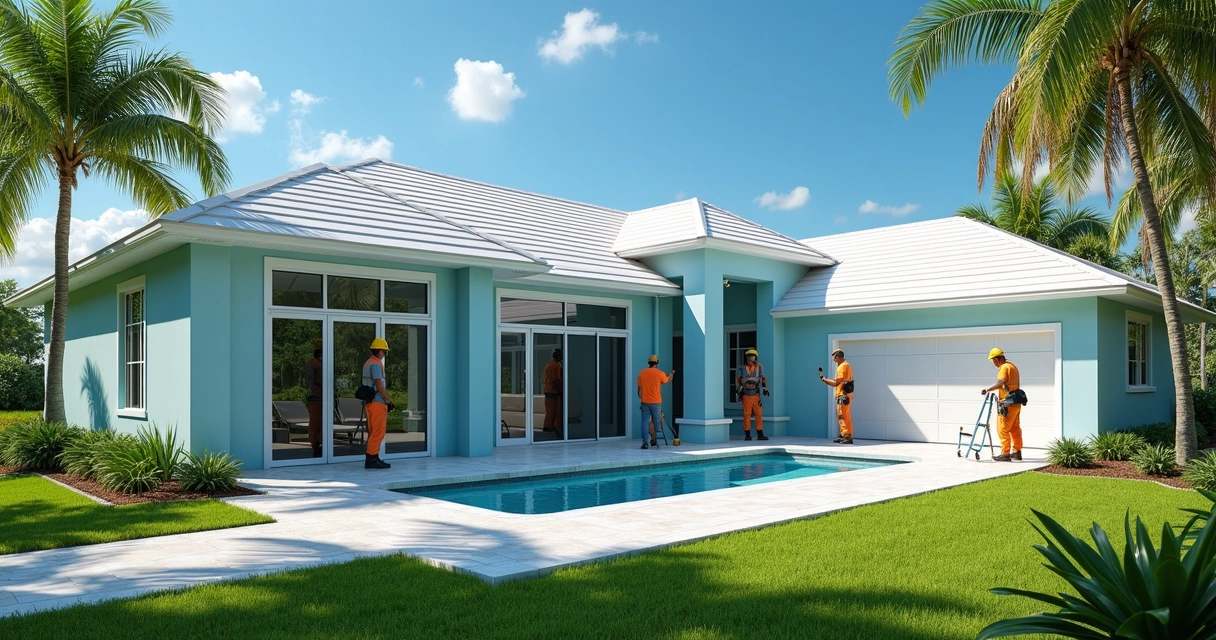
Understanding humidity in Florida
In order to grasp why Florida’s humidity presents such a persistent challenge for paint, we must first understand what humidity is and how it varies through the seasons.
What is humidity?
Humidity is the amount of water vapor present in the air at any given time. When we speak of “relative humidity,” we refer to the percentage of water vapor in the air compared to the maximum the air can hold at that temperature. Higher humidity means more moisture in the atmosphere.
Why Florida is so humid
Florida’s location between the Gulf of Mexico and the Atlantic Ocean, its abundant lakes, frequent rainfall, and warm temperatures all contribute to consistently high humidity. It’s rare to find a day here where the air doesn’t feel somewhat moist, especially in the summer when dew points often soar above 80°F, according to guidance from the National Weather Service.
Fluctuations and extremes
West Central and Southwest Florida may see dew points as low as 30°F during rare winter cold snaps and above 80°F in the summer. These swings in atmospheric moisture—the amount of water vapor at a given time—affect homes at every stage, from construction to repainting.
Why exterior paint matters in Florida
Exterior paint is much more than just color. It’s a shield that protects your home from wind, rain, heat, sun, and, in our case, constant humidity. At GCM Best Services, our process combines careful preparation, product selection, and professional application to extend the life of any paint project in Central Florida. A home’s paint can make or break its curb appeal and overall value.
Protection from the elements
Exterior paint—not just any kind—forms a protective barrier over wood, stucco, fiber cement, or masonry. When chosen and applied correctly, it can shed water, prevent mildew, and minimize future maintenance costs.
First impressions and property value
Well-maintained paint signals to neighbors and potential buyers that a home is cared for, adding tangible and intangible value. The right finish also helps protect structures from water intrusion and damage.
How humidity impacts paint before, during, and after application
The effects of high humidity on paint go far beyond occasional discomfort for painters. Moisture in the air directly impacts how paint behaves—sometimes in surprising ways.
Humidity during surface preparation
Before paint is applied, surfaces must be dry and clean. High humidity can prevent surfaces from completely drying out after washing or rain, trapping water in cracks or behind old peeling paint. This hidden moisture often becomes apparent only after a paint job fails unexpectedly.
Paint application and drying times
- Paint absorbs moisture from humid air, making it harder to stick properly to surfaces.
- Excess humidity lengthens drying and curing times, sometimes causing paint to drip, sag, or remain tacky instead of hardening as intended.
- Water-based (latex) and oil-based paints both suffer, but latex is more sensitive to moisture in the environment.
As painters, we actively monitor weather forecasts for rain and high dew points to schedule projects when conditions align for proper drying. Ignoring these factors results in failed adhesion, bubbling, or mold development beneath the paint film.
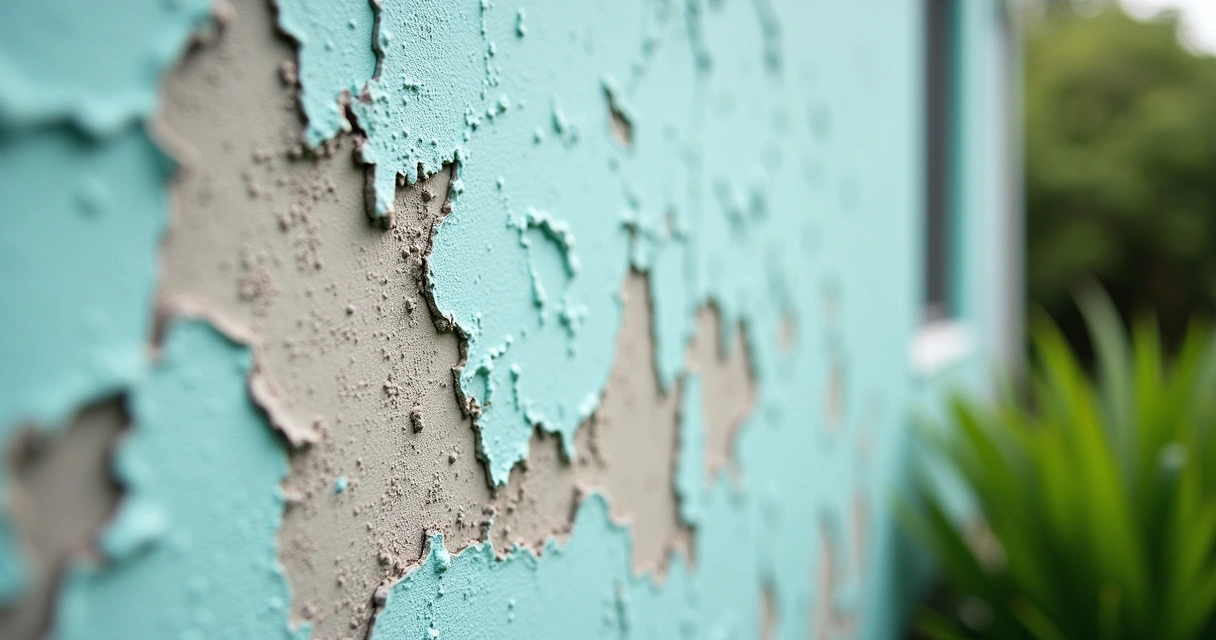
After painting: long-term effects
Even after paint dries, high humidity can trigger new challenges:
- Mildew and mold thrive on damp surfaces, especially shaded home exteriors or north-facing walls.
- Moisture can creep beneath the paint layer, causing it to bubble, lift, or peel months after the work appears finished.
- Stucco or wood beneath the paint may hold water, sometimes leading to rot or permanent stains if the coating is compromised.
We find these issues most common in locations where drainage is poor or water splashes frequently—think unprotected doorways, patios, or low-eave areas.
Common signs of paint failure due to humidity
It’s easy to assume paint just ages. But in Florida, high humidity accelerates wear and reveals telltale problems. Here’s what we’ve observed time and again in the field:
- Bubbling and blistering: Raised bumps under the paint often appear after warm, humid days. They signal trapped water or air.
- Peeling and flaking: Paint begins to pull away from the surface in sheets or flakes, especially on horizontal trim and soffits.
- Mildew and algae: Black, green, or gray patches show new organic growth on moist shaded areas.
- Fading and chalking: Prolonged humidity paired with intense sun can break down pigment, dulling color and creating a powdery residue.
The Florida Department of Health also highlights that chronic dampness leads to mold on both exterior and interior surfaces if not quickly dried or addressed, making regular inspection vital for homeowners.
Early paint failure is often a sign of unresolved moisture problems.
If you notice any of these symptoms, especially after a rainy season, consider a professional evaluation. Projects like those from GCM Best Services can help pinpoint solutions before repainting, because treating the cause—not just the symptoms—makes all the difference.
Best practices for painting in humid Florida conditions
High humidity is an inevitable part of life in Central Florida, but with expert planning and the right products, we can still achieve paint jobs that last for years. Here’s our approach, drawn from years of experience serving the region:
Preparation and timing
- Schedule painting for dry seasons or late mornings when dew has evaporated, avoiding days forecasted for rain.
- Use moisture meters to test wood and stucco before painting to confirm surfaces are dry enough for coating.
- Wash and repair surfaces thoroughly. Allow extra drying time after cleaning or storms, since wet materials hold moisture longer in humid air.
- Check dew point as well as temperature—not just relative humidity. If the dew point is close to the air temperature, moisture can condense on surfaces, ruining a new paint job according to National Weather Service research.
Paint selection matters
Specialty paints can help resist the effects of Florida’s climate:
- 100% acrylic latex paints resist mildew, breathe well, and stay flexible during weather shifts.
- Elastomeric coatings create thicker barriers that stretch over tiny cracks and are less prone to blistering in moist conditions.
- High-build primers and stain blockers help prevent bleeding from previous mold or tannin stains, especially on repaired areas.
At GCM Best Services, we only use products suited for the harshest exterior exposures, aligning with local code and safety standards. It’s a step we never skip, helping our paint projects hold up through storm season and summer heat.
Proper techniques for humid climates
Even when humidity is high, application technique can help:
- Apply paint in thinner coats to allow for better drying, rather than heavy layers that trap moisture.
- Brush and roll in the direction of airflow for additional ventilation.
- Use scaffolding or lifts to access high or shaded problem areas, ensuring proper coverage and inspection throughout.
Our attention to safety and clear communication keeps jobs running on schedule, even when weather conditions are less than ideal. Clean-up and regular maintenance are just as important; we always recommend protecting landscaping, patios, and walkways—areas where pooling water can prematurely weaken the finish.
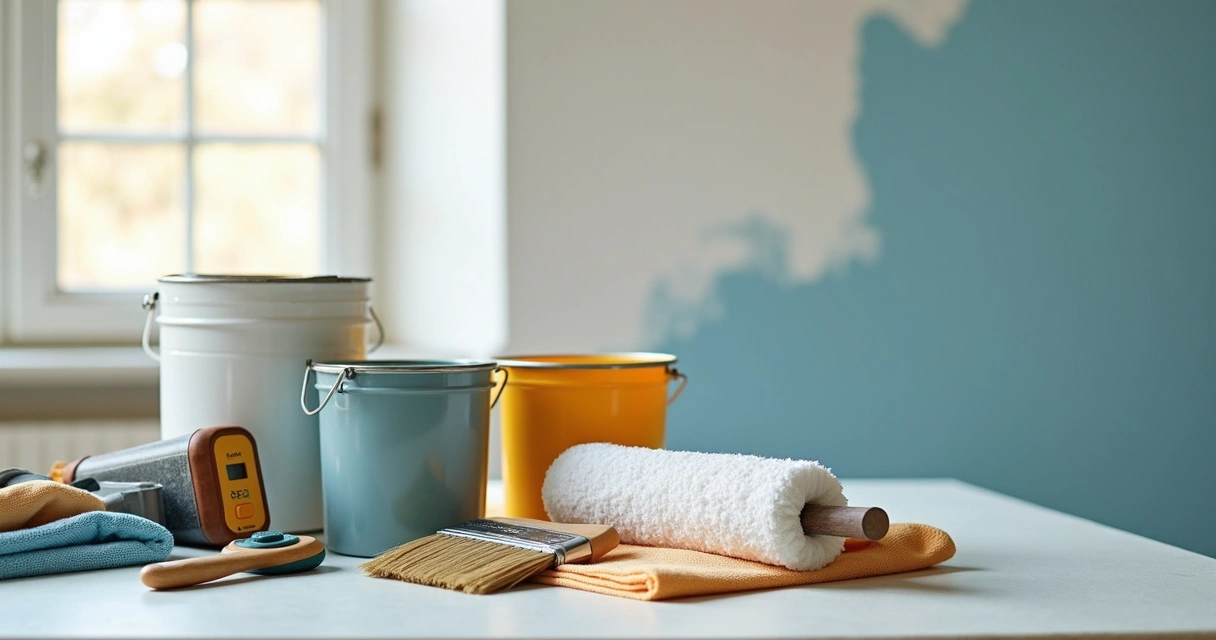
How to keep your exterior paint looking new: homeowner tips
After painting, a few habits can extend your home’s freshly-coated appearance, even in humid, rainy weather:
- Trim landscaping away from walls to improve airflow and reduce moisture contact.
- Clean exteriors annually using soft washing with diluted bleach (when safe), especially the shady sides that get little sun.
- Inspect caulk joints and flashings for cracks, repairing before water can seep in.
- Watch for roof and gutter leaks, which may splash water against your painted trim, and have repairs made quickly.
- Schedule maintenance and touch-ups if you spot early signs of fading, mildew, or peeling paint.
For more advice on outdoor projects that complement your home’s look, like hardscaping or upgrading walkways, see the resources on our blog. These details enhance not only beauty but also drainage and humidity control near your structure.
Smart solutions: paint, prep, and drainage work together
Sometimes, the real answer to persistent paint problems isn’t just the paint itself. It’s about improving site drainage, redirecting sprinklers, and adding protective features:
- Install gutter extensions or French drains to reduce water splashing against painted foundations.
- Upgrade patios and driveways with proper grading and compaction—services like hardscape installation in Orlando or professional patio paving make a real difference.
- Replace old screens, patio enclosures, or windows to create sheltered areas that limit direct moisture exposure.
Combining painting with smart repairs, as we do at GCM Best Services, means homes are well-protected from all angles—above, below, and outside.
Warranty and peace of mind: our process
With humidity always a factor, a professional painter should stand behind their work. That’s why every paint job we complete includes a written warranty and detailed care guide, showing exactly the steps we took to handle Florida’s climate. Our crew manages permits, HOA requirements, and scheduling to avoid weather delays, plus photo documentation throughout the process.
We make it easy for homeowners to stay informed and involved, ensuring every finish looks right and lasts.
Conclusion: Partner with GCM Best Services to defeat Florida humidity
High humidity is part of life in Florida, but it doesn’t have to shorten the life of your home’s exterior paint job or curb appeal. Our years of experience prove that with the right approach—proper prep, product selection, and year-round care—beautiful, durable finishes are well within reach for Orlando and Central Florida homeowners. Whether you need a fresh coat of paint, a comprehensive exterior solution, or repairs after living with humidity-related paint problems, we’re here to help.
Ready for a professional quote? 📞 (407) 250-1948 • 24–48h • Orlando, Tampa & area. Discover how our tailored painting and exterior services from GCM Best Services can safeguard your investment and brighten your living space.
Frequently asked questions
What is humidity’s effect on paint?
Humidity can cause paint to dry slowly, prevent it from adhering well, and promote the growth of mold and mildew. In Florida, persistent high humidity can lead to problems like peeling, blistering, bubbling, and fading. Poorly managed moisture may also allow water to creep beneath the paint, eventually damaging the underlying structure. This is why local professionals like GCM Best Services plan every paint job around weather patterns and environmental conditions.
How to protect paint from humidity?
To protect paint from humidity, schedule painting during drier weather, usually late mornings or in dry seasons. Use moisture-resistant or mildew-resistant paints and primers specially designed for humid climates. Always ensure surfaces are clean and completely dry before painting, and maintain exterior paint by cleaning, repairing caulk, and improving drainage around the house. Regular upkeep, such as trimming plants away and checking for leaks, goes a long way to keep humidity in check.
When is best to paint in Florida?
The best time to paint exterior surfaces in Florida is during the late fall, winter, or early spring, when temperatures are mild and humidity is lowest. Avoid painting during the rainy season or high dew point days, because these conditions slow down drying and risk early paint failure. Weekdays with clear skies and steady, light breezes are also ideal for painting projects.
What paint works best in humidity?
Paints labeled as 100% acrylic latex, elastomeric coatings, and those with mildew inhibitors work best in humid conditions. These products are designed to allow walls to “breathe” and resist water intrusion while providing long-lasting color and shine. At GCM Best Services, we select coatings that withstand moisture, sunlight, and frequent cleaning—everything a Florida home needs.
How often should I repaint in Florida?
In Florida’s climate, most homes need to be repainted every 5 to 8 years, depending on the quality of paint, surface condition, and exposure. Homes in shaded or damp areas may need more frequent touch-ups, while those with excellent drainage and premium coatings can go longer. Regular inspections and prompt repairs can stretch this timeline and keep your property always looking fresh.