Central Florida’s heavy summer downpours and hurricane-season storms can put any patio paver project to the test. If you’ve watched your gorgeous patio transform into a patchwork of puddles and uneven bricks after a single storm, you are not alone. At GCM Best Services, we know the drainage challenges unique to Florida soils and weather. In this detailed guide, we share the best practical strategies to help keep patio pavers level, dry, and problem-free season after season.
Keep pavers level, and outdoor life stays easy.
Why Central Florida patios face leveling issues
Let’s start with the basics. Florida patios experience shifting and uneven pavers mostly due to rapid wetting and drying, sandy or clay-heavy soils, and subsurface water movement. What does this mean for patio owners? Even expert installations can settle over time if the base and drainage are not tailored to local conditions. Here’s what we typically see:
- Heavy, sudden rains saturate the patio base.
- Improper drainage causes water to pond and erode bedding sand under pavers.
- Rapid drying shrinks soils, leading to dips and unevenness.
- Repeated cycles create more pronounced low spots and tripping hazards.
In our experience, setting up patios for lasting success means designing for rainfall extremes, not just daily conditions.
Understanding paver construction and weak points
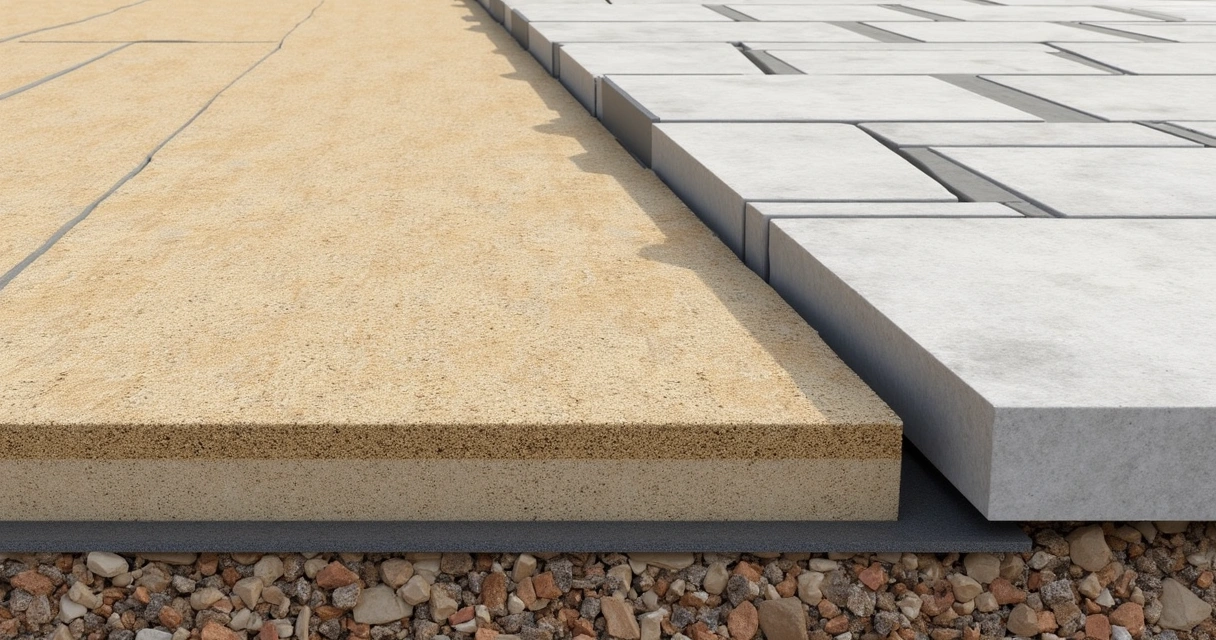
To really solve the problem, we must understand where it begins. A standard paver system has several layers:
- Compacted sub-base (usually crushed stone).
- Sharp bedding sand for leveling.
- Paver bricks or stones.
- Joint sand or polymeric sand to lock joints.
If any of these layers are thin, poorly compacted, or have missing edge restraints, the impact of a heavy rain worsens. Even the best surface material can’t save a weak sub-base.
Drainage: The unsung hero of level pavers
We cannot stress enough that drainage is the single most effective factor in keeping pavers flat after heavy Central Florida rain. When water can flow away quickly, patio bases stay firm and intact.
Proper drainage planning means:
- Grading patios with a slope of at least 1/8″ per foot, away from structures.
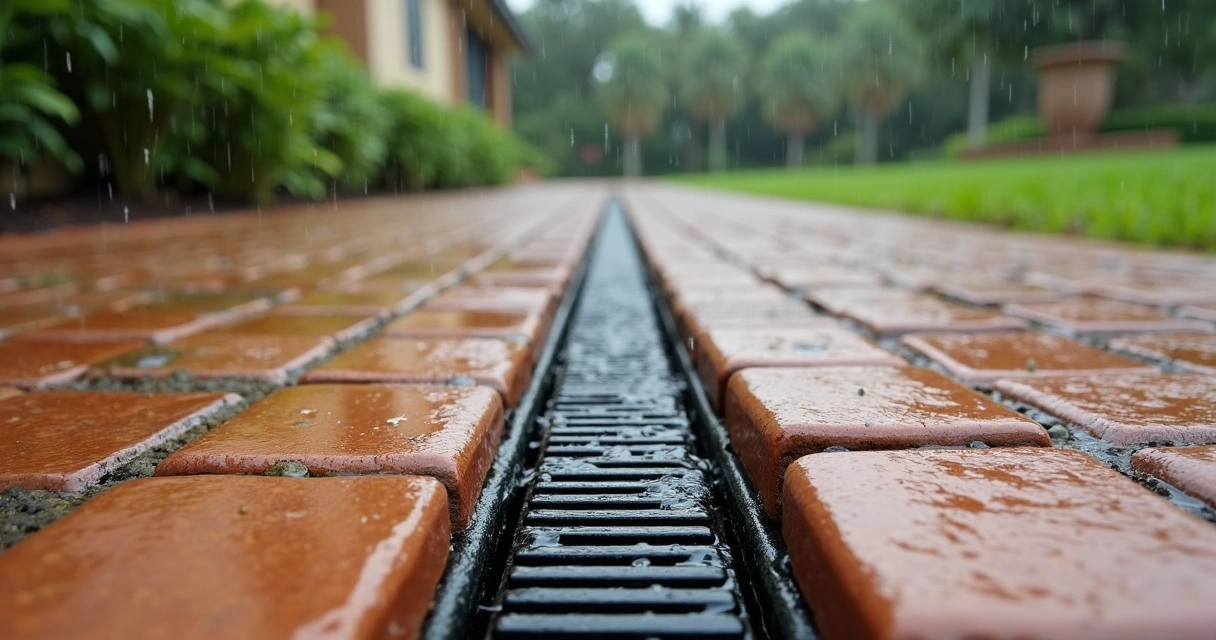
- Including drainage gaps, channels, or French drains for water to escape.
- Directing roof runoff away from patios using downspout extensions or pop-up emitters.
- Installing permeable pavers in flood-prone spots to allow water to soak through, not under, the patio.
We often recommend permeable pavers in the Orlando area due to the findings highlighted by the District of Columbia Department of Energy and Environment, which explain that permeable pavers—when cared for properly—resist uneven settling longer than conventional ones. Their design also helps prevent water from being trapped beneath the patio.
Step-by-step: How we protect patios from uneven settling
Here’s how our team at GCM Best Services keeps patios and walkways level, backed by hundreds of successful projects and happy homeowners.
1. Soil and site assessment
We always start with an on-site check. Sandy or clay soil? High water table? Trees nearby with roots that expand and shrink? Each patio demands a plan tailored to these realities.
- Check for existing drainage issues (standing water, soft ground).
- Test soil compaction, then select the right sub-base.
- Plan for roots and underground utilities which can affect stability.
2. Excavation and compaction
Patio longevity begins with excavation at least 6-8 inches below finish grade. This depth allows for an adequate sub-base. We remove soft spots, tree roots, and organic debris. Using a plate compactor, each layer of sub-base is compacted until firm—and never on wet soil, as compaction is less effective.
3. Choosing and building the sub-base
For Central Florida’s soil and rain, we use crushed limestone or granite, not general builder’s sand or recycled concrete. This aggregate resists shifting when flooded.
- Install in 2–3 inch lifts, compacting in between.
- Check slope with a spirit level or laser, aiming for steady runoff.
- High-traffic driveway patios in Orlando might need an even thicker base.
The right sub-base is like a strong foundation for a house, preventing dips after a storm.
4. Installing drainage features
Now, we look to install:
- Perimeter drains or French drains beneath the lowest patio edge.
- Drainage fabric under the base layer to stop soil migration.
- Downspouts directed well away from pavers—roof runoff is a leading cause of paver washout.
- Gaps or swales at transition to lawns to prevent pooling.
For more detailed approaches, our team often refers clients to top drainage strategies for brick pavers in Florida’s climate—a focused guide to drainage that keeps patios from ever developing a lean.
5. Bedding sand: Sharp, compacted, and consistent
We set a screed of sharp bedding sand atop the compacted sub-base, usually about 1 inch thick. This layer is smoothed, leveled, and lightly compacted, never too deep, or it will wash away. Coarse sand stays in place better than fine sand during rain.
6. Paver placement and edge restraint
Each paver is set tightly on the bedding sand, working from one end to the other. We place strong plastic or concrete edge restraints, staked every 2-3 feet.
Edges hold the shape. Edges lock in level.
Edge restraints are often overlooked, but an unanchored patio border will see bricks creep and tip faster than the center.
7. Sanding and sealing joints
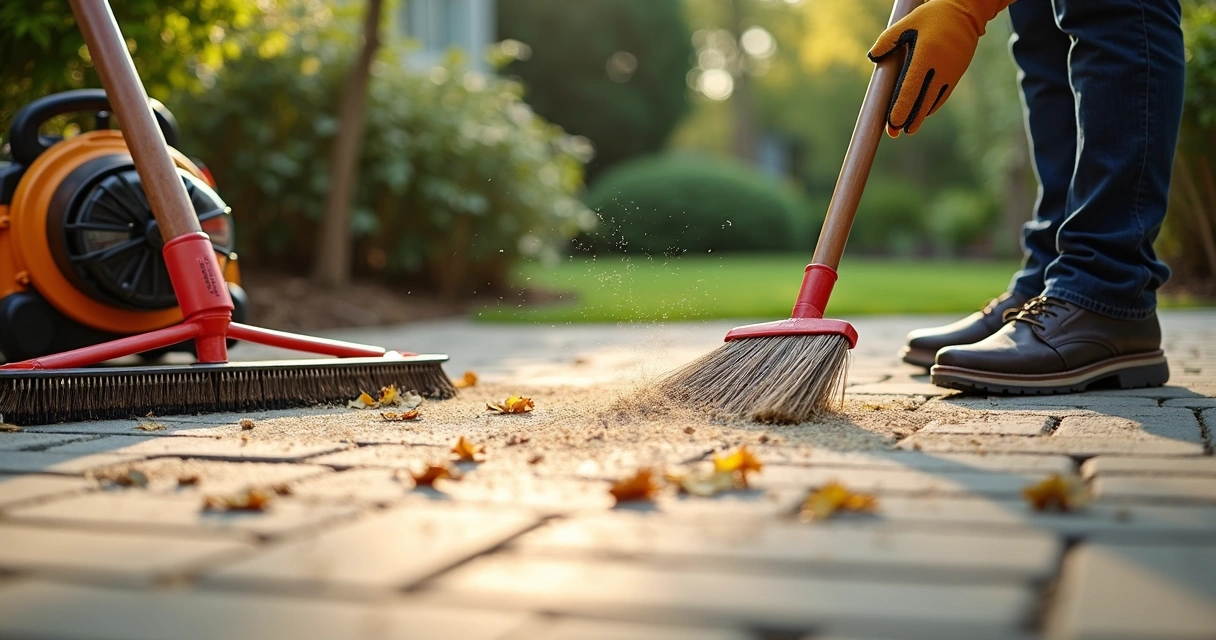
Once pavers are set, we sweep polymeric sand or hardened joint sand into gaps. This sand locks pavers while staying flexible enough to absorb movement.
Joint sand also helps prevent weed or ant intrusion. For further protection, sealing pavers and joints can reduce water infiltration. Some owners ask whether sealing is necessary—the answer depends on patio use, but it can add extra resistance to the pressures of Florida storms.
If weeds between pavers are an issue, we share solutions in our post about how to prevent weeds in Orlando pavers.
Long-term maintenance: Keeping pavers level year after year
Even with our best installation, routine maintenance makes the difference between a flawless patio and a sunken one. Water, sand, and soil never stop moving under Florida patios. Here’s what we advise for every property owner:
- Inspect after every heavy rain. Look for new dips, soft spots, or loose pavers. Addressing a small issue now prevents a major reset later.
- Keep perimeter drains and inlets clear of debris.
- Replenish and compact joint sand as needed, especially after storms. This blocks erosion at the brick edges and between pavers.
- If washing occurs, lift and reset affected pavers, adding new bedding sand, and then replace and compact the area.
- Limit heavy loads (trucks, machinery) on patios that are not designed for them—the base may not be built for that extra stress.
Permeable paver patios, in particular, require specialized cleaning to avoid clogging with sand or debris. The Virginia Tech Extension highlights checking for clogging after storms and using vacuum sweepers if needed to restore infiltration.
For more on concrete and crack prevention in Florida, read our post on preventing cracks in concrete patios and driveways.
The special role of permeable pavers in Florida
Should you consider permeable pavers for your patio upgrade? They may cost more initially, but according to district- and city-level studies, they last longer and handle local rains more gracefully, provided that routine cleaning is done. Research by the U.S. Geological Survey demonstrates these systems remove pollutants, slow stormwater, and reduce the risk of unevenness due to water pooling beneath the patio.
Maintenance, as noted by the City of Portland Bureau of Environmental Services, usually means one to two cleanings per year. For many of our clients, this small step is more than worth the better drainage and longer-lasting patio.
Preventing the worst: Mistakes to avoid with Florida patios
In our years serving Central Florida, we see the same avoidable errors turn new patios bumpy:
- Poor compaction of sub-base or skipping layers to save time.
- Flat patios with no slope for runoff.
- Lack of edge restraint—borders are as significant as the center for holding level.
- Ignoring signs of drainage trouble, such as puddles along the patio or near walls.
- Letting joint sand erode away, which accelerates edge and middle shifting.
Fixing these after installation is possible but often involves more time and money than getting it right on day one. That’s why we take time at each step to match the patio to each yard’s specific needs—there’s no such thing as a “standard” Florida patio.
Should you DIY or call in a professional?
Many Central Florida homeowners are hands-on and enjoy a good weekend project. If that’s you, all the above tips still apply. Yet, patios bigger than a few dozen square feet—or those in complex locations—usually require the equipment, soils knowledge, and experience we bring at GCM Best Services. We can help with:
- Soil testing and sub-base selection.
- Custom drainage/system design, especially for yards with heavy slope.
- Permit and HOA documentation for larger patios.
- Lifetime maintenance plans and written warranties for peace of mind.
For larger hardscape projects, browse our specialties in hardscaping projects for Orlando for more inspiration and support.
Seasonal checklist: Keep your pavers level after the rains
Most paver problems develop slowly—and a few simple seasonal steps can stop them cold:
- Before summer, check for bare spots in joint sand and fill as needed.
- Trim back plantings that direct water onto the patio.
- Keep gutters and drains clear before storm season starts.
- After heavy weather, walk the patio—catch and repair any unevenness immediately.
A little attention at the right times saves hours and dollars in repairs later. Patios that are level and well-drained look better, last longer, and are simply safer.
Conclusion: Level patios, rain or shine
We have seen over and over that a well-laid, well-drained paver patio withstands even the harshest Central Florida rainfall. Each step—from site prep to seasonal upkeep—matters. By investing in proper grading, sub-base, drainage, strong edges, and joint protection, you create a patio that stays beautiful and level for decades.
GCM Best Services brings professional materials, techniques, and aftercare to every patio project, backed up with photos and written warranties. Need help with pavers that have started to shift, want a new patio built right from the ground up, or just have a maintenance question? Ready for a professional quote? 📞 (407) 250-1948 • 24–48h • Orlando, Tampa & area.
Discover how we can help keep your outdoor space safe, stunning, and level—no matter what the Central Florida sky decides to deliver.
Frequently asked questions
How to keep pavers level after rain?
Consistent results depend on a well-compacted sub-base, a correctly graded slope (about 1/8 inch per foot away from structures), strong edge restraints, and working drainage channels. After heavy rainfall, inspect for soil washout, loose pavers, and gaps in joint sand—repair and refill as needed. Consider permeable paver systems or French drains in areas prone to flooding, and always direct roof runoff away from the patio surface to reduce erosion risk.
What causes patio pavers to sink?
Patio pavers usually sink due to water moving or eroding the bedding sand or sub-base underneath. The most common reasons are insufficient compaction, poor drainage, undersized sub-base, missing or failed edge restraints, or organic materials (roots or debris) left under the patio during installation. Over time, Central Florida’s rain can wash fine materials away or cause the soil to settle unevenly, especially if maintenance is ignored.
How often should I check paver levels?
It is best to check paver levels at least once each season and after any major rain event. Walk your patio, feeling for new dips or tip hazards, and visually inspect edges and low spots. Early detection lets you reset small areas before widespread settling occurs and keeps maintenance costs low over time.
What is the best base for pavers?
For Central Florida patios, the best base is a 6–8 inch layer of angular crushed granite or limestone, compacted in several lifts for maximum strength. Crushed stone handles Florida’s water cycles much better than regular sand or soil, staying firm and supportive even in intense rain. Always avoid unwashed materials or recycled concrete that contain fine silt or clay, which can turn soft when wet.
Is it worth sealing patio pavers?
Sealing pavers can provide extra protection against water infiltration, weed growth, and mildew staining. Sealing is particularly helpful for patios exposed to frequent, heavy rain or areas where food or leaves tend to stain the surface. It also locks in joint sand, reducing erosion from runoff, which in turn helps keep pavers level. However, sealing is not a substitute for proper base prep and drainage, which remain the foundation of a stable, long-lasting patio.