If you own a home or business in Central Florida and have a pool cage, lanai, or screen enclosure, the 2026 update to Florida’s wind-load codes will matter to you. Pool enclosures are a favorite part of many Florida homes, and most property owners understand why they exist: shade, bug protection, and a seamless connection between indoor and outdoor living. Yet, few have had to think deeply about what makes these structures safer when tropical storms or hurricanes pass by. With changing weather patterns, builders, homeowners, and HOAs need to pay closer attention to statewide code updates and what they mean locally for maintenance, upgrades, and new construction.
At GCM Best Services, we see how questions about wind-load, safety, and future compliance come up again and again. We are licensed and insured, working with clients throughout Orlando and Central Florida, and we take pride in honest communication and delivering projects on time, supported by photos and written warranties. In this guide, we will explain—step by step—what the 2026 wind-load code changes mean, how they affect existing and new pool enclosures, and what options property owners have to ensure peace of mind.
Why are wind-load codes changing?
Every few years, the Florida Building Code (FBC) incorporates new findings, storm data, and engineering advancements. The goal has always been stronger, safer structures that can withstand high winds especially in hurricane-prone regions like Central Florida. Florida Statute 553.73 directly states that wind-resistance standards can only be enhanced, not weakened, ensuring that every new code version is an improvement (Florida Statute 553.73).
In our experience, these updates come after:
- Analysis of hurricane and severe storm impacts on existing structures
- Studies showing which enclosure failures led to property damage
- Advancement in materials, connectors, and construction techniques
- Insurance industry requirements and government mandates
Building safer means learning from yesterday’s storms.
The 2026 codes reflect lessons from recent storms, improved understanding of wind flow, and better computer modeling. This means the standards for structural integrity, anchor systems, fastener types, and screen material resistance are being raised.
What do the new wind-load codes require?
The 2026 wind-load codes specify stronger engineering criteria for pool enclosures, especially regarding wind speed ratings and connection details. Based on the code updates we’ve reviewed, highlights include:
- Higher minimum wind speed resistance (now 140–170 mph, depending on your local mapped wind zone)
- Reinforced fasteners and connections that keep enclosures attached to concrete slabs and home foundations
- Aluminum framing size and spacing based on enclosure height/width
- Updated requirements for screen mesh materials, allowing for better airflow and reduced “sail effect”
- Mandated use of corrosion-resistant hardware and hurricane-specific connection methods
- Detailed calculations verifying that every component as a system can resist uplift, racking, and lateral loads
If you are planning a new hardscape project that includes a pool enclosure, these requirements will apply from 2026 on.
Comparing old and new code standards
Previously, many enclosures were built to withstand 120–130 mph winds, and “industry standard” anchor and fastening methods were used. The new code demands:
- Use of certified hurricane brackets and anchors, spaced more closely
- Aluminum uprights with increased thickness for larger spans
- Screen panels sized to reduce pressure buildup
- Requiring signed and sealed engineering plans filed with permit applications
We always explain these differences to clients, because upgrading to the new code isn’t just “nice to have”—it’s about protecting your home and meeting future insurance needs.
Will my existing pool enclosure be affected?
Homeowners often ask if their current pool cage will need to be replaced after code changes. Here is what we tell our clients:
- Existing structures are “grandfathered in” if untouched (meaning you do not have to rip out your pool cage)
- Any significant repairs, additions, or rescreening that involve structural changes may require bringing the structure up to the 2026 code
- Some counties or HOA agreements may have more specific requirements on retrofitting older enclosures
Touch the structure, and new code may apply.
If your enclosure is older or has developed corrosion, frame damage, or loose anchor points, a professional assessment is smart. We offer on-site evaluations to look for “weak links.” Sometimes, simple upgrades (bracket reinforcement, anchor replacement) can extend the lifespan and improve wind performance in line with new code intent.
Common scenarios that trigger code compliance
- Changing a roof panel or major screen section
- Altering the enclosure footprint (such as expanding your lanai)
- Repairing after storm damage with insurance involvement
- Installing new concrete slabs or hardscaping beneath or around the enclosure
When we approach these projects, we manage all permits, work with HOA approvals, and keep clear records of existing conditions. This helps avoid disputes later during resale, refinancing, or insurance claims.
How will contractors build new code-compliant pool enclosures?
With the 2026 code changes, contractors must apply stricter engineering, stronger materials, and detailed installation practices. At GCM Best Services, we are already preparing for these changes by:
- Working closely with structural engineers to produce stamped plans based on local wind-speed maps
- Selecting hurricane-ready fasteners and reinforced brackets for all connections
- Specifying thicker aluminum posts, tighter screen mesh placement, and advanced corrosion protection
- Ensuring sub-bases and concrete footings are prepared to code for uplift prevention, as detailed in our concrete construction projects
- Using written warranties and detailed project documentation, so homeowners have proof of code compliance for insurance and resale
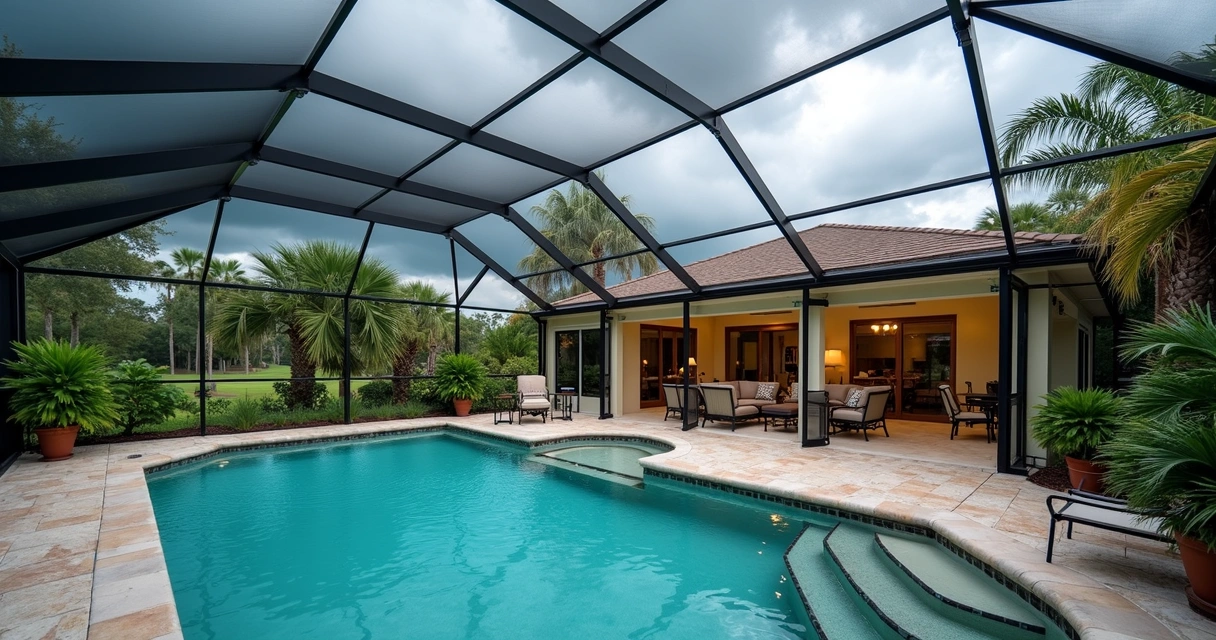 We also make sure that every installation plan manages drainage and prevents ponding or water intrusion, as required in the Florida Building Code. This matches the intent of Florida Statute 553.73 by creating better drainage and avoiding hidden weaknesses that can develop over time.
What are the main benefits of the 2026 wind-load codes?
It is normal to wonder: “Do I actually benefit from a stricter code?” Based on our experience and the data behind the code changes, the answer is yes:
- Stronger enclosures better protect your home, windows, and outdoor living spaces during storms.
- Better anchors, corrosion-resistant materials, and advanced screen design result in fewer repairs after years of Florida weather.
- Insurance claims are simplified, and future resale value is higher for enclosures proven to meet new codes.
- Neighborhoods with code-compliant enclosures see less flying debris and community-wide damage during hurricanes.
A code-compliant enclosure gives you more than safety; it gives confidence.
We believe that staying ahead of these requirements is a smart investment in your property.
Indirect benefits: drainage, hardscaping, and outdoor upgrades
Many clients use this time to plan wider improvements that add both value and resilience. For instance, combining a pool cage upgrade with new paver walkways or driveway paving, or professional artificial turf installation can ensure the entire outdoor space stands up to wind, water, and wear. Our hardscaping services are often combined with screen upgrades to create a seamless, modern look.
What should homeowners or property managers do next?
If you already have an enclosure, we recommend a few practical steps:
- Request a professional inspection to spot corrosion, loose anchors, or frame stress
- Start planning for future code compliance if you intend to repair, expand, or rescreen in the next two years
- Review HOA and insurance documentation to understand your responsibilities
- Create a “project file” that includes past permits, warranties, and professional assessments for future reference
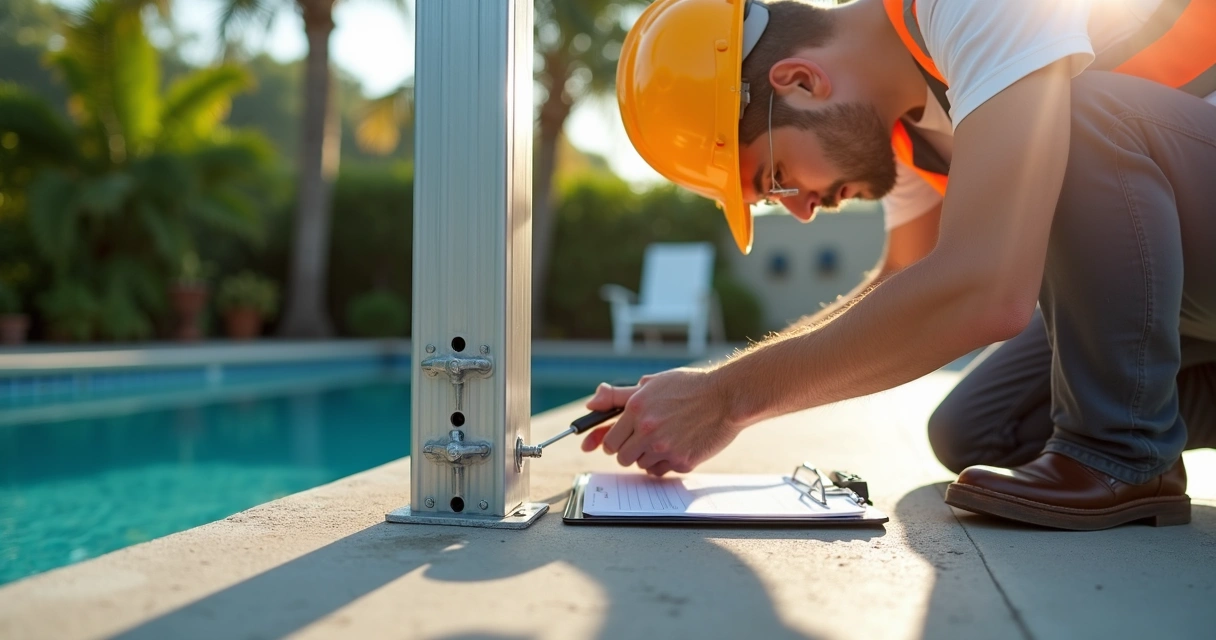 If your enclosure is nearing the end of its functional life, or you are planning a larger outdoor renovation, make sure your contractor is already designing to the 2026 standards. In our projects, we believe in delivering more than a temporary fix—we support every client with clear advice, photo documentation, and written maintenance guides.
When is the best time to upgrade?
In our opinion, the best time to upgrade is before official code implementation. Not only does this reduce construction wait times and supply chain risks, but it also means you can work with the most experienced teams, not just whoever is available last minute. After big storms, demand always spikes, so early planning is an advantage.
Tomorrow’s code is today’s opportunity.
How does future-proofing your enclosure add value?
Beyond meeting the legal requirement, a future-proof enclosure reduces your insurance risk, protects your investment during storms, and adds to the long-term enjoyment of your outdoor space. Here’s what we have learned from clients who upgrade proactively:
- Homes with code-compliant enclosures sell faster and command a premium in the Central Florida market
- Insurance deductibles are often lower, and claims face fewer disputes when documentation is in order
- HOAs appreciate lower risk for shared infrastructure, and many offer incentives for early upgrades
- With the right design, your new enclosure can support future add-ons (outdoor kitchens, paver patios, artificial turf)
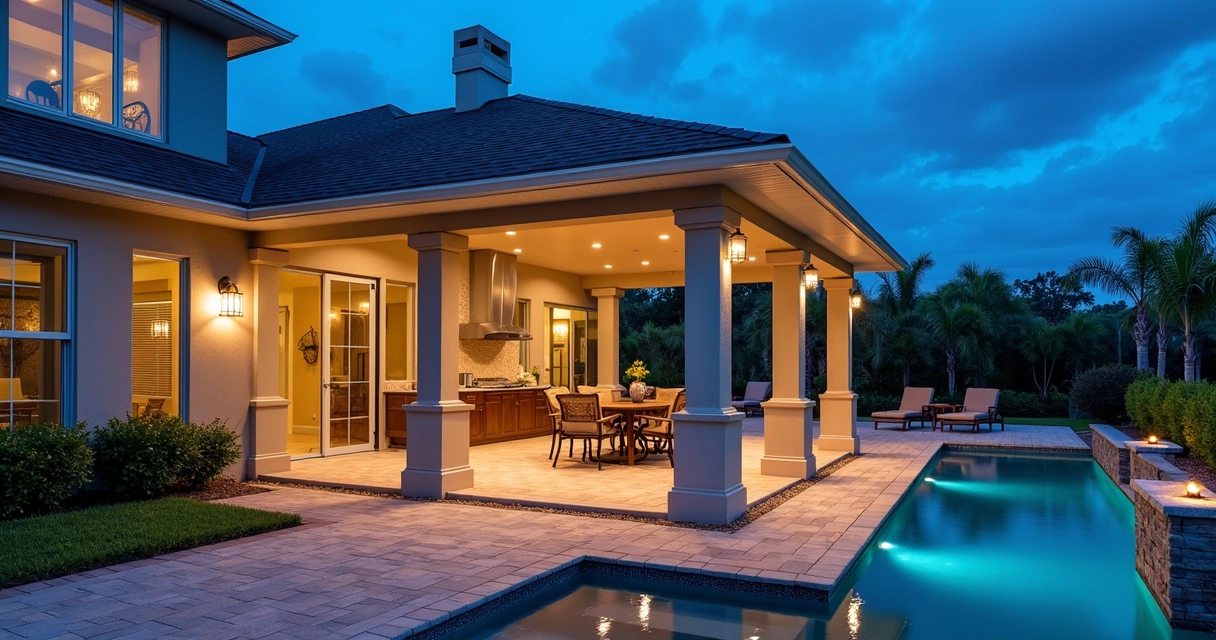 Our experience shows that homes with combined upgrades—better drainage, well-designed hardscapes, and durable pool enclosures—perform far better when tested by Florida’s challenging weather.
GCM Best Services: How we deliver peace of mind
At GCM Best Services, we believe in clear communication, skilled teams, and on-schedule project delivery. Our process includes:
- Free on-site assessments with photo and written documentation
- Detailed, itemized estimates so you see every step before work begins
- Permit management, HOA communication, and up-to-date code compliance
- Clean worksites, professional crews, and OSHA safety standards
- Final walkthroughs and written warranties for your records
We take pride in building more than just strong enclosures; we build long-lasting client relationships.
Conclusion: Preparing for Florida’s future, together
Upgrading your pool enclosure for the 2026 wind-load codes is not just about meeting a requirement—it is about creating safer, stronger spaces to enjoy Florida’s outdoors. We believe that clear knowledge and the right contractor make all the difference. If you are in Orlando, Tampa, or Central Florida, and want a team that manages every step with integrity and skill, we are ready to help.
Ready for a professional quote? 📞 (407) 250-1948 • 24–48h • Orlando, Tampa & area.
If you want more inspiration, browse our recent projects in our hardscaping and concrete service galleries.
Frequently asked questions
What are the new wind-load codes?
The new wind-load codes raise the standard for pool enclosure design and installation in Florida, requiring structures to withstand wind speeds of up to 140–170 mph depending on location. They mandate stronger anchors, thicker aluminum, advanced screen materials, and must follow detailed engineering calculations as part of permit submissions. These changes are meant to improve safety and decrease storm-related damage, as required in Florida Statute 553.73.
How do these codes affect my pool enclosure?
If you are building a new enclosure after 2026, it must meet the new standards for wind resistance, anchors, and material choices. If you are repairing, adding on, or making structural changes to your current enclosure, those changes will likely need to match the 2026 code too. Existing enclosures that are not touched can stay as is, but older or damaged structures may benefit from an upgrade for safety, insurance, or resale.
Is my current enclosure up to code?
If your enclosure was built recently or upgraded in the last code cycle, it may already meet (or be close to) upcoming standards. However, many older enclosures built before 2012 were designed for lower wind speeds and basic anchor systems. We recommend professional assessment, as small issues like corroded fasteners, loose slabs, or frame cracks can mean your structure is no longer as safe as it should be.
How much does upgrading my enclosure cost?
Costs vary by size, location, and how much of the enclosure needs new anchors or framing. In our experience, simple upgrades (additional anchors, bracket reinforcement) might be under $2,000, while full replacements or large, hurricane-ready new enclosures can range much higher. The specifics depend on materials, engineer requirements, and local permitting—but we always deliver detailed, itemized quotes before any work starts.
When do the new codes take effect?
The 2026 wind-load codes are expected to be formally adopted at the start of that year, with changes rolling into local permitting offices throughout the year. We recommend planning now for any large upgrades, as demand for qualified contractors will increase as the deadline approaches. Early action ensures access to experienced builders and may help avoid delays after storms or when supply chains get tight.