Painting the exterior of a commercial building in Central Florida is about far more than the final color. The best paint job—one that lasts for years, resists weather, and impresses clients—relies on great preparation. Yet, through our years serving Orlando and the broader region, at GCM Best Services we’ve found that five key steps in prep are often forgotten. Missing them can mean early peeling, visible flaws, or even failed inspections. Today, we want to share what these steps are, why most people skip them, and how our approach helps ensure a smooth, lasting finish on every project we touch.
Why does paint prep even matter?
We often get asked by property managers, building owners, and facilities teams, “Is all that effort in preparation really worth it?” The short answer: yes. Paint manufacturers design coatings to cover clean, stabilized, well-primed surfaces. When you skip key steps, even the highest-quality paints can fail early.
Prep may not be glamorous, but it is the backbone of every great paint job.
Skipping proper prep can result in:
- Premature blistering, peeling, or chalking
- Poor adhesion on glossy or contaminated surfaces
- Visible patchy spots or color inconsistencies
- Need for costly re-dos much sooner than planned
In Central Florida, where humidity, sun, and storms are daily challenges, good prep is not just smart. It’s necessary for coatings to perform as intended. At GCM Best Services, we build prep into our process for every exterior painting job—even when tight schedules or budgets tempt shortcuts.
What are the most common steps that get skipped?
If you search online for painting tips, you’ll find the basics: cleaning, scraping loose paint, priming bare surfaces. But in our inspections and repairs, we continue to see five steps ignored or only partially done, especially on large-scale commercial buildings. We’re sharing them here to help you spot issues before they start, or to ask for them on your next planned maintenance project.
Step 1: Neutralizing hidden surface contaminants
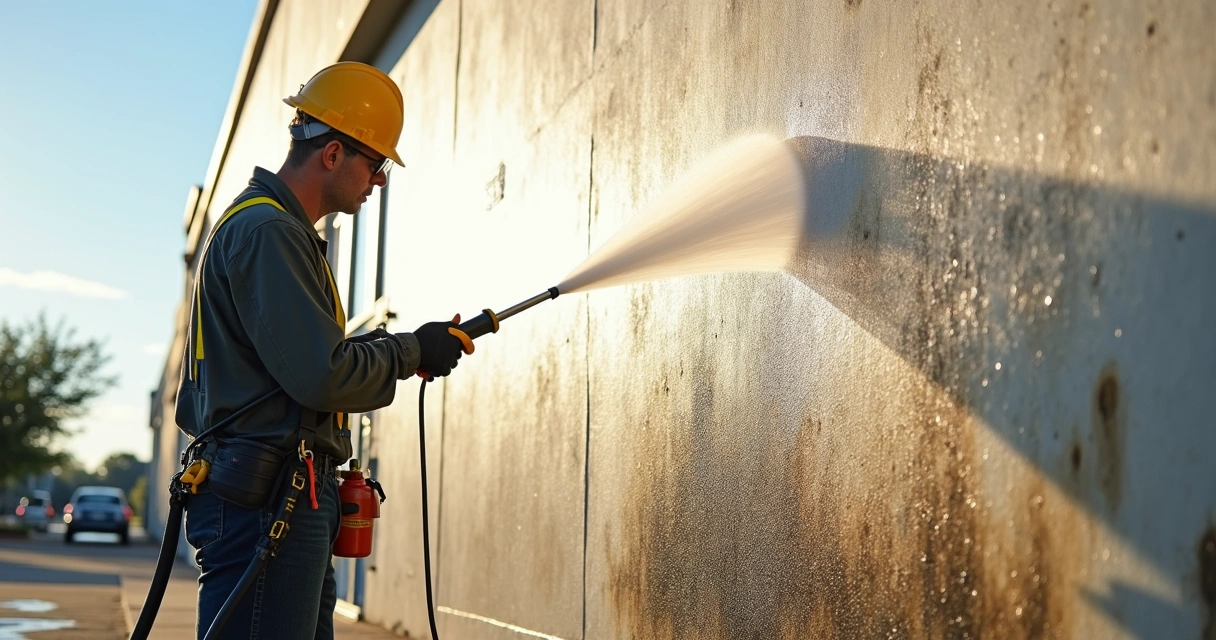
It’s easy to underestimate what’s clinging to exterior surfaces. Even after a standard pressure wash, surfaces may hide:
- Efflorescence (that stubborn white salt deposit on concrete or masonry)
- Mold or mildew spores rooted beneath the surface layers
- Chalky residue from old, sun-damaged paint
- Ingrained petroleum residue from nearby traffic or machinery
We’ve seen entire exterior walls look perfectly clean—until a fresh coat of paint goes on. Then, hours or days later, stains bleed through, or new paint peels off. That’s why our prep process often includes chemical neutralization:
- Treat efflorescence with a mild acid wash, not just water, then rinse thoroughly.
- Apply antimicrobial washes to kill not just visible mold but invisible spores as well.
- Use specialized cleaning agents for grease, soot, or organic stains that water alone cannot remove.
If you skip these steps, your new paint becomes a temporary mask for old problems. Once the Florida heat or rain sets in, problems reappear.
How do we document this for clients?
At GCM Best Services, we include photo documentation in our process, so building managers see before-and-after proof of decontamination. This isn’t just for show—it holds our crews accountable and ensures everyone is on the same page.
Step 2: Repairing micro-cracks and invisible surface movement
Commercial buildings in Central Florida experience constant thermal movement and shifting soils. Sometimes, this creates small cracks (< 1/16”) that are almost invisible after a standard cleaning. The temptation? Paint over them and hope for the best.
Small cracks grow fast in Florida weather.
Ignoring these cracks leads to:
- Rapid water intrusion behind paint films
- Paint bridging (where paint sags over a crack and quickly splits)
- Early failure along expansion joints or seam lines
We have learned that targeted repair is worth the extra few hours. This means:
- Using flexible, paintable sealants for cracks, not generic caulk
- Selecting patching compounds that match the wall texture for invisibility
- Allowing enough cure time before priming or painting, even if it means coming back the next day
Dry, sealed surfaces resist Central Florida rain, humidity, and UV damage much better. When we bid a job and include micro-crack repair, it often surprises clients—but the long-term results always make believers out of them.

Step 3: Testing for moisture—and addressing it when found
In our humid local climate, moisture trapped in building walls is the enemy of lasting paint. You can power-wash, scrape, or prime as much as you like—if moisture remains, the new paint will bubble, peel, or “blush” with white patches after the first summer storm.
Most crews check visually for moisture: dark spots, peeling, mildew. Rarely do they pull out a moisture meter. We do, and here’s why:
- Moisture meters reveal elevated levels even when surfaces feel dry to the touch.
- Hidden moisture may be present in shaded areas or on the north-facing side of the building.
- Certain surfaces (like stucco, concrete, or unsealed block) hold water long after cleaning.
When we find high readings above the manufacturer’s limits, here’s what we do:
- Delay painting until passing readings are reached (usually under 12% for most coatings)
- Improve drainage around the base of the building—sometimes even suggesting a visit to our concrete solutions page for larger issues
- Use specialized breathable primer-coatings that help let trapped moisture escape
Our clients are sometimes surprised when we pause a project for this reason. But without moisture testing, you risk seeing your entire investment fail after just one stormy season.
Step 4: Getting the primer right, not just using “any” primer
Many commercial exteriors are a mix of surfaces—concrete panels, stucco, patched old paint, sometimes even some exposed metal. The “universal” primer from a big box store won’t work for all these, but people often grab what’s on the shelf. We’ve fixed too many projects where inferior primer failed to bond, leaving bubbling or peeling paint across entire walls.
Our process always involves:
- Matching priming products to both the surface and the finish paint—not all latex primers work under alkyd paints, and some reactive surfaces (like new masonry) need specialized formulas
- Spot priming patched areas to prevent flashing (patches becoming visible under the topcoat)
- Allowing proper dry time, not rushing between coats
Great primer isn’t about color—it’s about adhesion and long-term protection.
When we consult with local property managers, we sometimes do a “primer mockup” on a test patch to guarantee both adhesion and appearance. This step reassures everyone involved that the system will perform and that warranties remain valid. For a detailed look at other surface treatments, our hardscaping insights blog goes further into concrete and stone finishes as well.
Step 5: Ensuring professional surface scoring and joint treatment
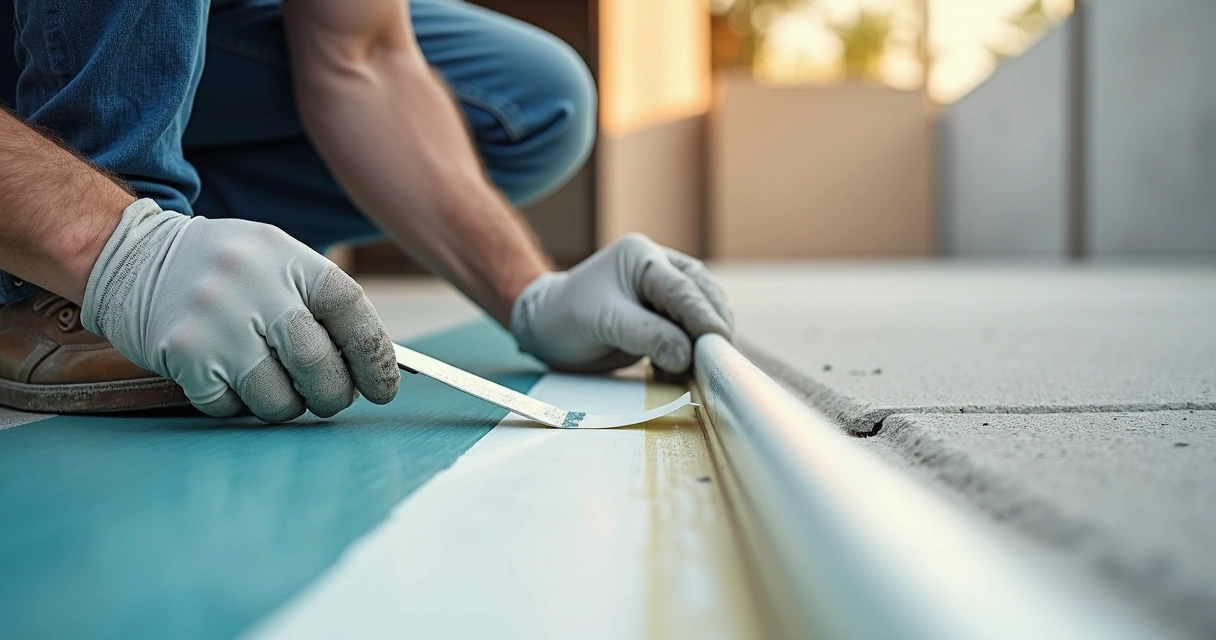
This one surprises so many on-site managers. Commercial buildings are full of control joints, expansion joints, and architectural scoring lines. These allow the building to move slightly without cracking wide open. Instead of painting over them blindly, our best practice is:
- Cleaning out old joint material—even when it seems intact
- Applying paintable, flexible joint sealant, not just filling with putty
- Masking off the joint edges for clean, professional lines
- Painting with a brush for full coverage inside each joint, then rolling the surface for a uniform finish
When these steps are skipped, paint “bridges” the joints, and the first building movement tears the paint film. That’s when water intrusion and coating failure start. We’ll often hear from clients years later that “no cracks have come back”—because we respected the design of the structure in our prep work.
Bonus: Documenting finishes and “night crew” communication
On many projects, we work after hours to reduce tenant disruption—a frequent request for commercial clients in the Orlando and Tampa area. This can lead to gaps in communication between day and night crews, or between property managers and the project team. At GCM Best Services, we document all prep steps with photos and brief handover notes. This keeps everyone aligned, ensures city inspectors can see compliance, and prevents details from being missed across shifts.
Building trust with each client—our real goal
Prep work isn’t glamorous. It’s slow, takes careful training, and goes unseen by most tenants the next day. But what our clients do see is a paint job that looks outstanding months and years later—and the peace of mind that comes with a written warranty, backed by real documentation.
Over time, those who work with us become true believers in the value of thorough, step-by-step prep. That’s why so much of our work in exterior painting and coatings comes from repeat clients and referrals—our approach simply lasts longer, looks better, and holds up to the Central Florida climate.
For further reading on how we integrate our painting and hardscaping services for lasting results, see our collection of expert tips on our services blog and hardscape solutions for drainage and curb appeal.
Summary: Why these steps protect your investment
When it comes to commercial painting, what you don’t see during preparation makes all the difference once the paint dries. The steps most commonly skipped—neutralizing contaminants, treating invisible cracks, moisture testing, precise priming, and careful joint treatment—are the same steps that safeguard your investment.
If you’re planning a commercial exterior paint project in Orlando, Tampa, or anywhere in Central Florida, don’t let anyone tell you prep is just “extra.” At GCM Best Services, our standard process is built on these overlooked steps. We provide clear communication, proper scheduling, and real documentation—so you never have to wonder if the job will last.
Ready to see the difference of true professional preparation?
We invite you to get a fast, professional on-site quote for your exterior commercial paint project and experience the GCM Best Services difference.
Ready for a professional quote? 📞 (407) 250-1948 • 24–48h • Orlando, Tampa & area.
For more hardscape and paving topics—like integrating new paint work with driveways, patios, and walkways—check out deeper insights at our paving resource center.
Frequently asked questions
What is paint prep for exteriors?
Paint prep for exteriors means all tasks needed to make outside surfaces ready for new paint, so the coating will stick well and last long. This often includes cleaning, repairing cracks or holes, removing old loose paint, priming, treating mold or stains, and sealing joints or gaps. For commercial buildings in Central Florida, prep also involves testing for moisture and using products meant for local weather.
How to clean surfaces before painting?
The best way is to pressure wash using a mix of water and a gentle cleaner to lift dirt, mold, and chalky residue. For greasy or stubborn stains, we use special cleaning solutions and sometimes a scrub brush. We always rinse well with fresh water and let the surface dry fully. If there’s mold or mildew, a mild bleach solution may be used for safer cleaning. Cleaning prepares the surface for strong paint adhesion.
Is priming necessary for exterior paint?
Yes, in almost all cases. Primer seals porous areas, helps paint stick to both new and old surfaces, blocks stains, and evens out patched spots. Certain materials like bare concrete, patched areas, repairs, or metal need the correct primer. Skipping primer leads to peeling, uneven color, or flashing of repairs under sunlight.
What mistakes to avoid during prep?
Some of the most common mistakes are: not cleaning thoroughly enough; painting over hidden moisture; missing small cracks or holes; using the wrong primer or skipping it altogether; forgetting to seal expansion joints; and not allowing repair materials or primer to dry completely before painting. Each skipped step can cause bigger problems and shorten the paint’s lifespan.
How long does prep work take?
Prep time depends on surface area, condition, and weather—most commercial jobs in our experience need two to five days for large exteriors. Smaller projects may take only a day, but extensive repair, drying between steps, and careful joint work add time. We always factor this into our schedule, because fast prep usually means missed details and future paint problems.