Every pet owner in Florida wants their yard to be a playground, a place of comfort, and a shelter from the relentless sun. But how do we build an outdoor space that stands up to muddy paws, the tropical climate, and our four-legged friends’ safety? At GCM Best Services, we see this question daily when families call us for a solution that works for both pets and people. Anyone who has seen a dog skitter and slip across hot, hard concrete knows just how much the right choice matters.
In this detailed guide, we walk through the key considerations, material options, maintenance tips, and solutions specific for Central Florida’s unique environment, always balancing durability, drainage, and pet wellbeing.
Pets and people both deserve comfort under the Florida sun.
Why pet-friendly surfaces matter in Florida
The Orlando area presents challenges you don’t find elsewhere: high UV exposure, frequent rain, sandy or clay soils, and year-round heat. For our pets, all of these factors matter. Their paws are sensitive to temperature and rough textures. They need surfaces that don’t turn blazing hot by midday or collect puddles and mud whenever a storm rolls through.
We regularly hear from clients sharing stories about dogs refusing to set paw on scorching artificial grass, or cats tracking sandy dirt across newly painted patios. The wrong surface can lead to injuries, irritation, or simply a reluctance for your pet to enjoy the outdoors. Our team understands a truly pet-friendly yard must balance comfort, safety, and low-maintenance—without losing sight of design and durability.
Main types of outdoor surfaces for pets
Most Florida yards are a mix of grass, hardscape, and mulch. Choosing what goes where, and in what quantity, is both an art and a science. Let’s take a closer look at each type and its pet pros and cons.
Natural turfgrass
For decades, natural grass has dominated Central Florida homes, offering a cool, soft play space for dogs and a spot for nap in the shade. According to IFAS research on Florida landscapes, turfgrass covers more ground than any other single feature in the state’s residential yards.
- Pros: Soft, stays cooler than paving, easy on paws, and reduces surface glare.
- Cons: Needs regular mowing, dies in shade or with pet urine burns, can develop muddy patches after heavy rain.
Natural turf is safe for nearly all pets, but some popular Florida grasses (St. Augustine, Zoysia, Bermuda) can be tough to maintain under heavy foot and paw traffic. We see most issues after rainy spells, when sections become patchy, muddy, and prone to creating those infamous “dig spots.”
Artificial turf
Artificial grass continues to attract pet owners for backyard makeovers, but it is not a “set and forget” solution in Florida’s heat. Modern synthetic turf often looks real, drains well, and can’t be dug up easily—it’s excellent in shaded or pet “toilet” areas.
There are added care demands, though. According to the University of Florida IFAS Extension, surfaces can reach up to 160ºF (even hotter than concrete) in full summer sun, requiring periodic cooling with water. Because it’s impermeable, ammonia from urine and bacteria need to be rinsed away and the surface regularly cleaned.
- Pros: No mud, never needs mowing, consistent appearance all year, fast drainage (if installed over permeable base).
- Cons: Gets hot in sun, requires disinfecting and cooling, initial cost is higher than sod, damaged by sharp edges or burning fertilizer.
With the right base and infill, artificial turf can work very well in pet runs or shaded “potty” corners, as explained further on our artificial turf page.
Concrete patios and walkways
Concrete is everywhere in Florida—driveways, patios, walkways, and pool decks. When installed with the right sub-base and reinforcement, it lasts for decades, even under the wildest play. However, concrete can bake in the sun, and rough finishes can be abrasive.
- Pros: Durable, easy to clean, good for wheelchair or stroller access, can be textured for traction.
- Cons: May heat up quickly, may become slippery when wet if not textured, not cushioned.
Many pet owners choose broom-finished or exposed aggregate concrete for slip resistance. Including shade (with trees or screen enclosures), proper drainage, and expansion joints, as we do in every project at GCM Best Services, is key to making concrete both paw- and people-friendly. Find more tips for protecting your investment on our concrete maintenance advice page.
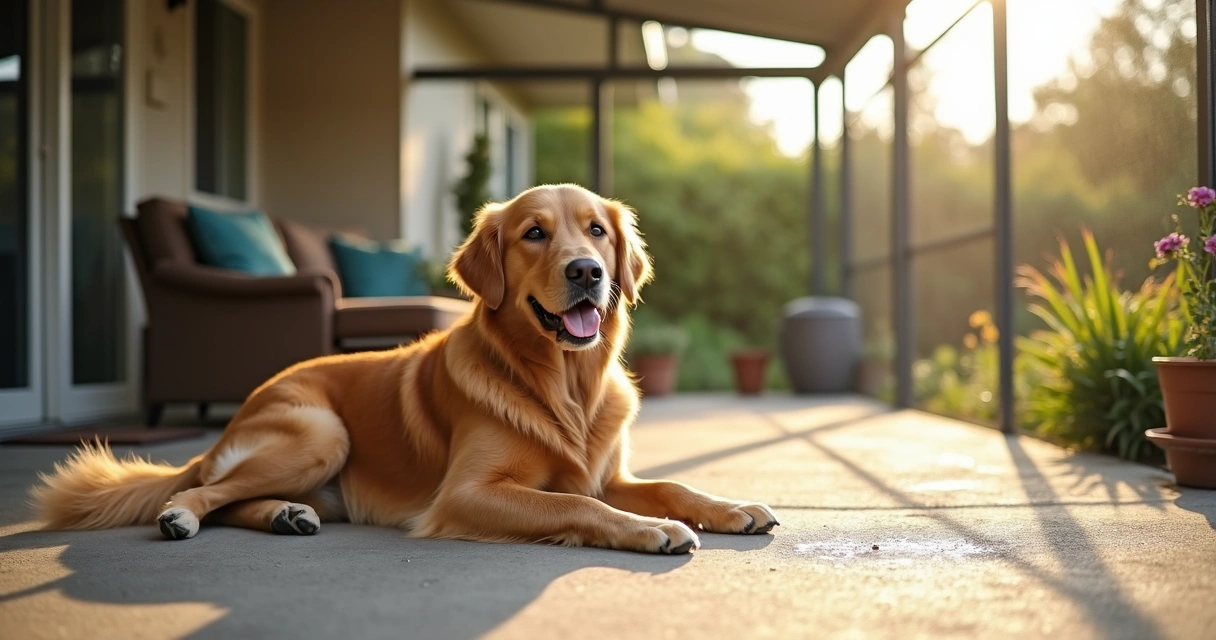
Brick pavers and stone
Pavers are a favorite for Florida homeowners who want visual appeal, flexibility, and drainage. On patios, walkways, and dog paths, they stand up to traffic and resist stains if sealed properly. The small gaps between pavers allow water to drain, reducing puddling and mud, while their cooler colors help moderate temperatures.
- Pros: Cooler than concrete underfoot, good drainage, easy to repair, wide design options, slip-resistant surface for pets and people.
- Cons: Needs maintenance of polymeric sand between joints, can shift over time without proper base, occasional growth of weeds or ant hills.
Ensuring proper base compaction, edge restraints, and slope makes all the difference in a long-lasting pet-friendly paver surface. For more details, see our paver installation page and our tips for drainage with brick pavers.
Mulch and “petscaping” elements
Some organic surface—mulch, pine straw, wood chips—can round out “dig zones,” shady corners, or garden beds. But not all are suitable for pets. According to UF/IFAS Gardening Solutions’ guidance on petscaping, cypress and pine mulches are safest, while cocoa mulch, rubber, and sharp rocks should be avoided.
- Pros: Soft on paws, helps keep dirt down, improves soil moisture.
- Cons: Needs regular replacement, can become a hiding spot for pests, some types may be toxic if ingested.
If you’re planning scent gardens, avoid plants known to be toxic to dogs and cats (like allamanda, oleander, and some lilies) and plan sturdy paths to protect your lawn beds.
Keeping surfaces cool and comfortable
In the Florida climate, heat buildup is a big concern—for both pets and people. Many surfaces can reach temperatures dangerous for bare skin and paws on summer afternoons. Scientific research from the University of Florida notes that natural turf often stays more than 18ºF cooler than synthetic alternatives. Concrete, pavers, and artificial turf—especially darker or dense types—can approach 140-160ºF under direct sun.
We always encourage these steps for pet comfort:
- Provide deep shade with trees, shrubs, or shade sails over pet activity areas.
- Install light-colored or reflective hardscapes (beiges, creams, light grays) to reduce heat absorption.
- Choose synthetic turf infills designed to stay cooler, or regularly mist high-use areas to cool before play.
- Add elevated pet “rest pads” or moveable dog beds in the coolest shaded corners.
- Never force dogs or cats to walk on heated surfaces during peak sun—paw pad burns happen fast.
Wet turf, shade, and lighter surfaces protect paws and playtime.
Drainage: The key to a clean, healthy yard
From morning thunderstorms to summer hurricanes, Central Florida landscapes face intense rainfall and periods of saturation. We design all pet areas with drainage in mind—standing water breeds bacteria, mushrooms, and attracts pests, while soggy play zones lead to mud baths and ruined turf.
Our approach for pet zones in clay or sandy soils includes:
- Installing graded bases beneath concrete, pavers, or turf (minimum 2% slope to direct rain away from buildings).
- Using permeable sub-bases beneath artificial turf or pavers to speed up water flow and dry-out.
- Installing or upgrading French drains and gutters when poor drainage or erosion are problems.
- Regularly checking for “settled” areas where water pools after heavy rain; correcting quickly prevents lasting damage.
We’ve documented our best practices for Florida hardscape drainage on our hardscape services page.
Safety and health: Avoiding pet hazards outdoors
Beyond paw comfort and play, pet-friendly design protects against more subtle risks. Good surfaces help to:
- Prevent slips and falls on wet hardscape.
- Reduce pests and disease by avoiding muddy, stagnant water areas where mosquitoes and bacteria thrive.
- Limit exposure to harsh fertilizers, toxic mulch, or sharp gravel.
- Frame soft “bathroom” spaces away from main play or patio areas, keeping odors and stains contained.
If you are ever unsure about a product or plant, consult this UF/IFAS petscaping resource for pet-safe options.
Balancing budget, beauty, and maintenance
Every material comes with trade-offs. Artificial turf may cost more up front, but eliminates mowing and stays green even on high-use “dog run” areas. Brick pavers and concrete are long-lasting but require periodic cleaning and weed management.
In our experience, the best pet yards use a thoughtful blend of:
- Tough turf (natural or synthetic) for active play areas
- Pavers or concrete for pathways and patios
- Mulch in garden beds and shaded “dig” zones
Regular maintenance—brushing turf, hosing patios, refreshing mulch—keeps everything fresh, sanitary, and inviting for both pets and people. Maintenance routines are lighter if you start with strong bases, quality materials, and correct installation, as we offer at GCM Best Services.
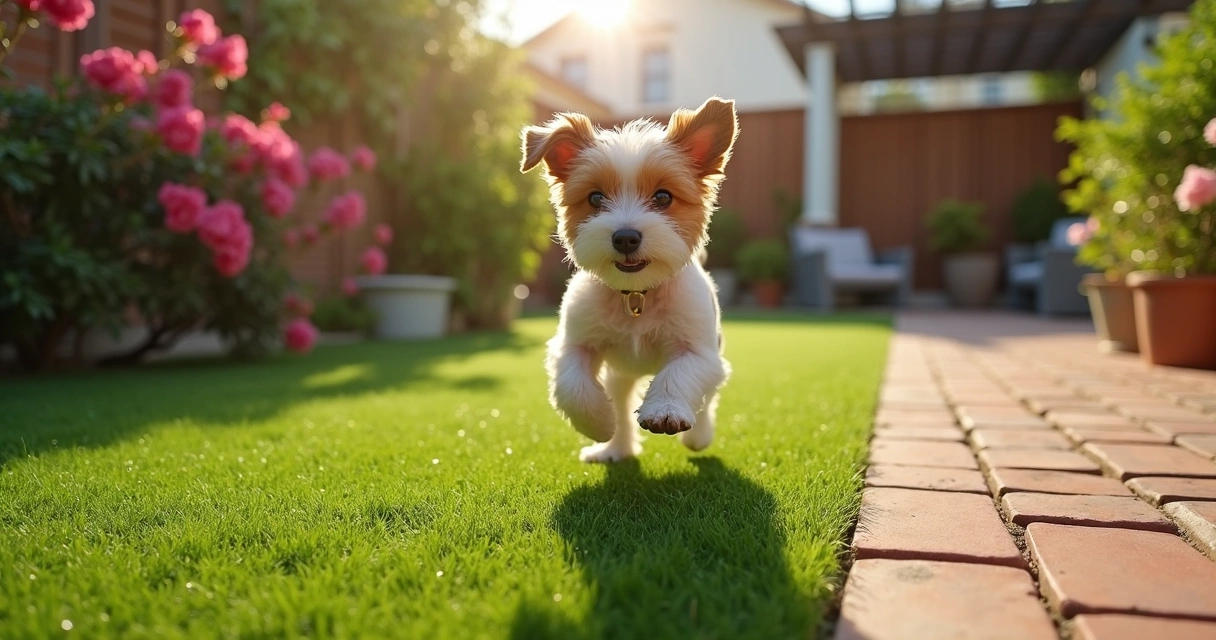
Designing the perfect pet-friendly layout
Not all pets use the yard in the same way. Some sprint; others sunbathe. At GCM Best Services, we recommend sketching a simple “dog’s-eye” or “cat’s-eye” map—where do they run, rest, dig, or do their business?
Consider these design principles for multi-purpose yards:
- Separate pet toilet zones with drainage-focused surfaces for easy cleaning.
- Use winding paver paths to connect play, rest, and entry areas, reducing foot traffic and wear on turf.
- Create shaded lounges or raised decks for hot hours of the day.
- Design strong, dig-resistant edging (metal, paver, or concrete) to keep surfaces intact.
- Plan hose bibs and drainage for easy cleanup in play and toilet areas.
We’ve found that families who mix and match surface types—combining natural and synthetic turf with pavers and concrete—enjoy the longest-lasting, easiest-to-maintain yards.
Stain, odor, and wear: Cleaning and care routines
Pets bring mess and motion. The best surfaces can take it, but every material benefits from proactive care. Our recommendations:
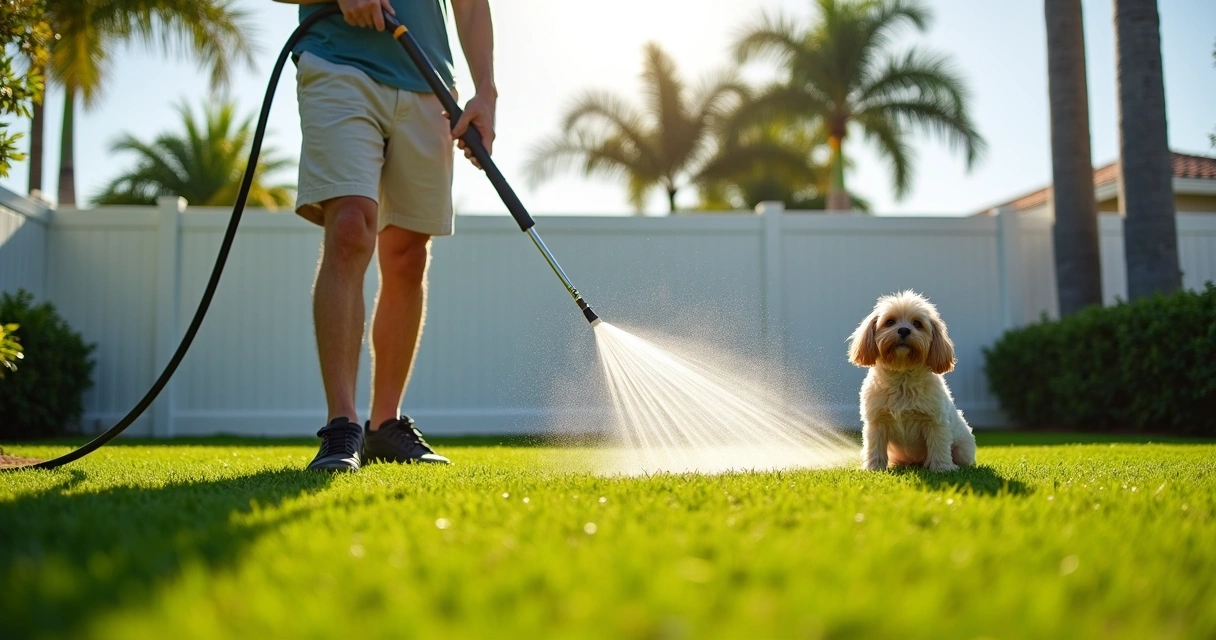
- Hose down artificial turf and hardscape to dilute urine and remove dirt—frequency depends on pet size and number.
- Disinfect turf or concrete “potty” corners with pet-safe cleaners weekly or as needed.
- Brush artificial grass blade fibers to restore their look and help drainage.
- Pull weeds and refresh mulch in soft spots regularly.
- Repair shifted pavers or cracks in hardscape right away—minor fixes prevent bigger problems later.
For a more detailed breakdown of care for each material in the Florida climate, we recommend checking our expert tips over at maintaining your Florida patio or driveway.
Summary checklist: What to consider when picking pet-friendly surfaces
Before you make your final decision on any material or layout, use this simple checklist for Central Florida yards:
- Is the surface comfortable to walk on barefoot—even in full midday sun?
- Can it be cleaned easily and thoroughly, with no lingering stains or odors?
- Is it resistant to heavy use, digging, scratching, and repeated washing?
- Does it allow for adequate drainage so rainwater never stagnates?
- Are all plants and adjacent mulches safe for pets if chewed or nibbled?
- Is the base sturdy enough for Florida’s sandy/clay soil and frequent storms?
- Does the design keep play, rest, and toilet areas clearly separated?
Conclusion: The right yard puts pets and people first
A pet-friendly yard brings comfort, safety, and joy to every member of the family.
In our two decades working in Central Florida, we’ve learned each family and pet is unique. The best surfaces balance beauty, safety, easy care, and comfort—even under the Orlando sun. At GCM Best Services, we build solutions tailored to every home: sturdy patios, cool turf, stylish pavers, or practical screened lounge areas.
Ready for help creating your pet’s dream yard? Call us at (407) 250-1948 for a free on-site assessment. Let us show you how the right surfaces can keep tails wagging year-round.
Frequently asked questions
What are the best pet-friendly surfaces?
The best pet-friendly surfaces in Florida blend comfort, safety, durability, and easy cleaning. Natural turf is ideal for play, brick pavers for cool walkways and patios, and artificial turf for designated “pet run” or toilet areas. Concrete works well if textured for slip-resistance and shaded to reduce heat. Mulch and pine straw can soften garden beds, but avoid sharp rocks or toxic mulches.
How to keep outdoor surfaces cool?
To keep outdoor surfaces cool for pets, provide shade with trees, awnings, or umbrellas over play areas. Use light-colored pavers or concrete, and choose synthetic turf infills designed for lower temps. Wet down artificial turf or hardscape during peak sun to quickly reduce surface heat, as research from the University of Florida confirms. Encourage pets to use shaded or grassed areas during hot periods.
Is artificial grass safe for pets?
Artificial grass, when made from quality, pet-safe materials and installed over a permeable base, is safe for most pets. Choose UV-resistant, lead-free turf with antimicrobial infill, and install with proper drainage. Regular cleaning and periodic disinfecting are needed to keep the surface free of odors and bacteria, as advised by University of Florida IFAS Extension.
How much does pet turf cost?
The cost to install pet-quality artificial turf in Florida usually ranges from $12 to $22 per square foot, depending on base preparation, infill, and quality. Factors affecting price include access, existing materials, site grading, and drainage needs. While higher up front, it can reduce long-term maintenance costs compared to natural grass. We offer free quotes tailored to each property’s needs.
Where to buy pet-friendly materials in Florida?
Quality pet-friendly turf, pavers, concrete coatings, and pet-safe landscape materials are available through licensed contractors like us at GCM Best Services, who source from trusted Florida suppliers. For customized design and installation, we recommend reaching out for a home assessment so we can match materials, drainage, and layout to your unique space.
Ready for a professional quote? 📞 (407) 250-1948 • 24–48h • Orlando, Tampa & area.