For pet owners in Central Florida, artificial grass is fast becoming the smart, low-maintenance choice for backyards, play zones, and side yards. The combination of Florida’s unique climate, our sandy soils, and the need for pet-safe options make every aspect of the installation important. One of the most overlooked, yet vital, choices is what sits underneath the turf: the weed barrier. At GCM Best Services, we have installed artificial turf and pet areas across Orlando and beyond. We’ve seen firsthand how the right weed barrier keeps your artificial grass looking great, smelling fresh, and—most importantly—safe for every member of the family, paws included.
Safe landscapes start below the surface.
This guide is designed to help homeowners, property managers, and pet lovers confidently select a pet-safe weed barrier that matches their needs. We’ll walk through the essentials: what matters most for pets, how different materials perform, what installation steps support lasting results, and how to keep your yard worry-free year-round.
Why weed barriers matter with artificial grass and pets
We know that the health and safety of pets is a top priority for families choosing artificial turf. But just as important is creating a yard that stays clean, drains properly, and resists unwanted growth. Here’s why the choice of weed barrier takes center stage in any pet-friendly artificial grass installation:
- It keeps weeds from poking through artificial turf, cutting back on yard maintenance and chemicals.
- Prevents invasive plants from breaking fibers or seams, protecting your turf investment.
- Acts as a physical layer between your pet and native soil, limiting mess.
- Supports efficient drainage, which helps reduce odors and keeps paws dry, by allowing water to pass through to the base.
- Creates a cleaner, more hygienic surface—especially critical for areas where pets play, nap, or take bathroom breaks.
All these benefits, however, depend on selecting and installing the right type of weed barrier. Not all are created equal, especially when pets come into play.
What makes a weed barrier “pet-safe”?
We frequently get asked: “What does ‘pet-safe weed barrier’ really mean?” To us, as installers and pet owners ourselves, a weed barrier must meet several key standards:
- Made from non-toxic materials, with no harmful chemicals or irritants.
- Durable enough to prevent digging and scratching from enthusiastic paws.
- Porous enough for rapid drainage—standing water is a no-go for pet areas.
- Strong but flexible: it must not tear easily, especially along seams or edges.
- Resistant to mold, mildew, and odor buildup, which are concerns in Florida’s warm, damp climate.
The right weed barrier means fewer worries about health and playtime.
At GCM Best Services, we always ensure that the weed barriers we use for artificial grass installations meet or exceed these standards—so your pets can enjoy the outdoors safely.
Common types of weed barriers for pet turf areas
When choosing a weed barrier for artificial grass—whether for a small side yard or a sprawling community dog park—you’ll typically see three types: woven polypropylene fabric, non-woven geotextile, and biodegradable natural barriers. Each option has unique handling, benefits, and limitations when pets are part of the household.
Woven polypropylene landscape fabric
This is the traditional “black fabric” found at garden centers. It’s strong, affordable, and commonly used in both residential and commercial turf installations. Here’s where it stands out:
- Good strength, especially when using premium grades—can handle moderate digging and wear.
- Allows water to pass, but performance varies between products.
- Does not break down under sunlight as quickly as other types if covered.
- Generally free of toxins, but always check for manufacturer certifications regarding pet safety.
However, it can have some downsides. It sometimes frays at the edges if cut poorly and may clog over time if installed without a clean, well-draining base. For high-traffic dog areas, we often choose a heavy-duty version or double up the layer for added protection.
Non-woven geotextile fabric
This is a felt-like sheet designed mainly for superior filtration and drainage. Non-woven geotextiles are growing in popularity for artificial turf pet areas because:
- They offer high water permeability, critical for fast drainage after rain or pet use.
- They do not fray, making installation and seams neater and more secure.
- Abrasion resistance is better, so it endures repeated paws and outdoor use.
- Are often certified for non-toxicity and resist mold better than woven types.
They are, however, typically a bit more expensive and require careful base prep for best results. In our experience, they strike the ideal balance for most pet owners who want a lasting, clean yard.
Biodegradable natural barriers
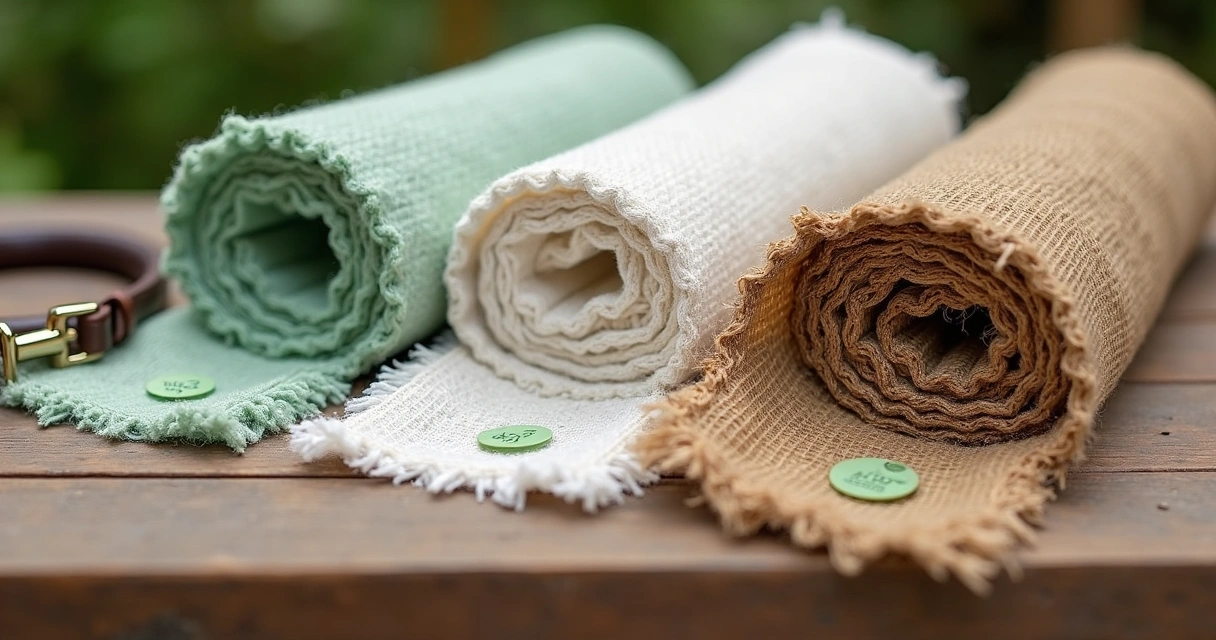
Less common in modern artificial turf installations, these are usually made of jute, coco fiber, or even thick layers of recycled paper. The big draw is that they are natural and break down over a few years.
While this sounds attractive for sustainability, we caution that:
- They need replacement as they decompose—which can disrupt turf.
- Breakdown can invite more weeds in time if turf is placed right on top.
- Most are not tough enough to handle digging dogs or heavy play.
Longevity matters when pets and turf are both priorities.
For lasting results in Florida’s climate, we in general recommend geotextile or high-quality woven synthetic weed barriers for pet turf projects at GCM Best Services.
Which materials should you avoid for pets?
There’s a long list of landscaping products marketed for weed control, but not all are pet-appropriate. We always avoid:
- Barrier sheets or plastics with chemical additives or surface coatings that could transfer onto paws or noses.
- Fabric with antimicrobial or pesticide treatments unless specifically certified as non-toxic for pets.
- Rug-type underlayments that may wick up urine and allow odor to linger underneath your artificial turf.
- Inferior plastic sheeting, which blocks water (leads to puddling and mess) and traps heat during Florida’s summers.
Weed barriers in pet yards must always be non-toxic, non-irritant, and designed to allow water to drain through quickly.
How base preparation impacts weed barrier safety and function
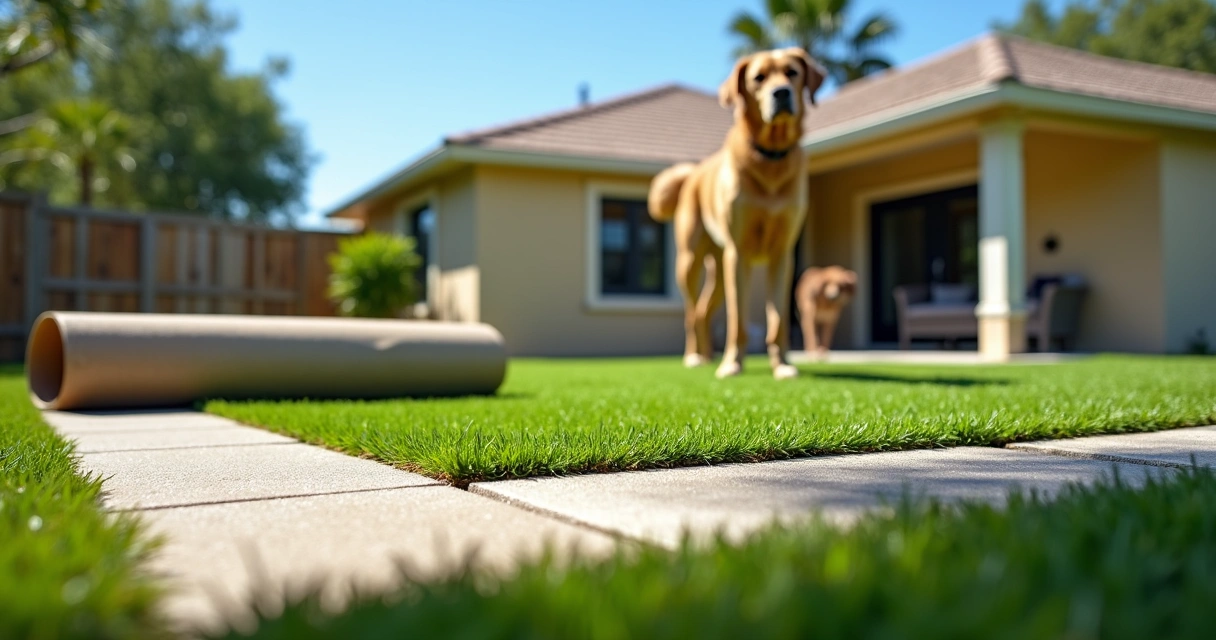
Even the highest-quality weed barrier won’t deliver good results if the soil and base preparation are overlooked. Drawing on our experience in Central Florida, we find the following steps are indispensable:
- Remove and dispose of existing grass, roots, and debris thoroughly.
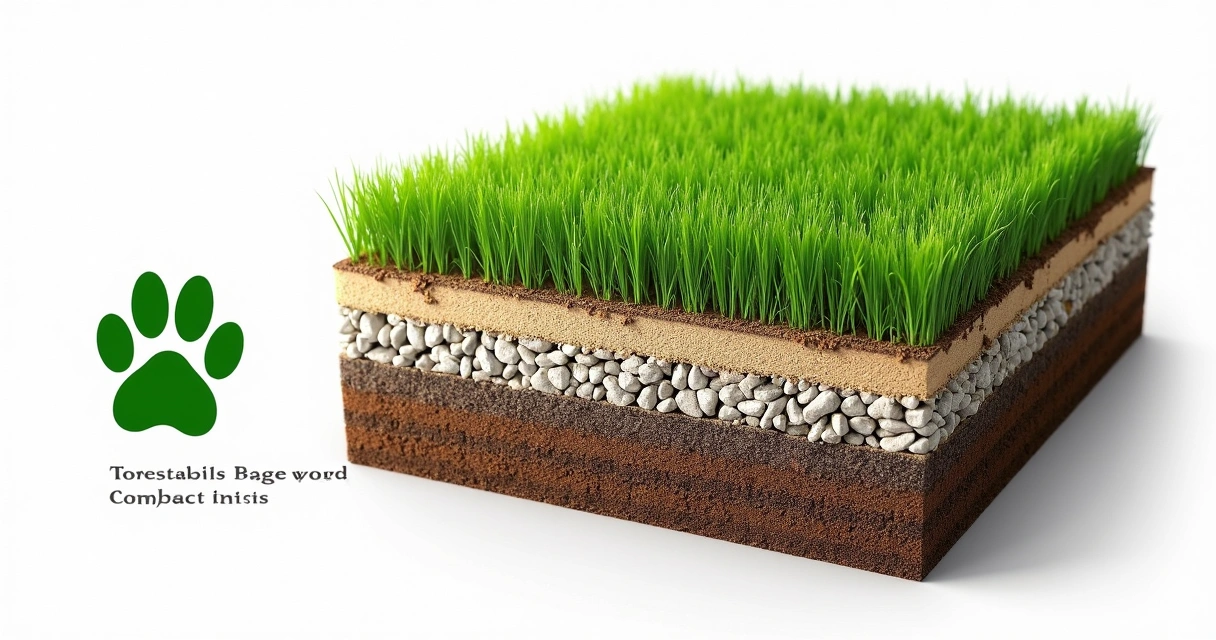
- Level and compact the sub-base with crushed stone (we use 6–8 inches where required for Florida soils) for strength and drainage.
- Slope the base appropriately to direct water flow away from structures and avoid pooling, which keeps turf dry for pets.
- Lay weed barrier fabric, smoothing out wrinkles so it sits flat and does not bunch beneath the turf.
- Overlap seams by 6–12 inches and use landscape staples or stakes to keep fabric securely in place—even under active paws.
With the right prep, weed barrier stays in position, resists tearing, and delivers on both weed control and water flow. We share more about these techniques in our artificial turf installation guide.
Installation: What steps are different for pet areas?
Not all turf installations are the same. Where pets are concerned, we add steps that put animal safety and drainage first:
- We select weed barriers guaranteed to be non-toxic by the manufacturer—no recycled plastics with unknown additives.
- Extra staples are used along high-traffic or edge zones to keep the fabric secure against digging, even for larger breeds.
- The base is sloped more aggressively in pet potty zones or where hoses are commonly used for rinsing.
- If artificial turf is being joined with pavers, concrete, or walkways, we integrate drainage channels and seal edges so no barrier is exposed to direct chewing or paw action.
- Finally, seams are minimized—fewer joins mean fewer weak points for curious paws to find.
This is just one element of our commitment at GCM Best Services to clean, safe, and attractive pet landscapes that stand the test of time. You can see examples in our local turf portfolio and learn more about how we blend pet-friendly features with hardscape and paver solutions at our hardscape services.
Maintenance and care for pet-safe barriers
Every component of your artificial turf system plays a role in keeping your space fresh, safe, and inviting. Weed barriers are generally low-maintenance, but pet areas do benefit from a few smart habits:
- Regularly hose down turf to flush through pet waste and reduce the chance of any build-up beneath.
- Inspect turf seams and edges several times a year, checking for exposed barrier or lifting fabric.
- If you do notice an odor, clean the area, then lift the turf and inspect the weed barrier to confirm it’s draining well and isn’t torn.
- In rare cases of damage, cut out and replace the section with fresh pet-safe fabric—this is a quick process if caught early.
Ongoing inspections help catch small issues before they affect your pet’s experience in the yard.
Florida’s climate: Special considerations for the humid South
Installing pet-friendly artificial grass in Orlando, Tampa, and surrounding areas brings extra challenges. Our summer storms, high humidity, and sandy soils can influence which weed barriers perform best.
- Mold and mildew resistance is vital for health and odor prevention.
- High drainage speeds prevent pooling (and mosquito breeding) after rains.
- Barrier fabric must stay stable even with constant moisture or irrigation.
- Edges need to be firmly fixed so summer heat and heavy dog play don’t shift anything out of place.
At GCM Best Services, we always specify weed barrier materials with these Florida-specific concerns in mind. Our experience has shown that non-woven geotextile fabric leads the pack for year-round use and easy care—especially for active pets.
Balancing safety, performance, and cost
Everyone wants the safest yard for their pets, but cost is always a factor—especially for larger areas. In our projects at GCM Best Services, we help clients compare their priorities with their budget:
- Premium non-woven geotextile usually costs more upfront, but reduces future repairs and does not need to be replaced due to rot or wear.
- Woven polypropylene is a good middle ground for smaller or lower-traffic areas; just ensure your installer uses high-quality, certified fabric, not discount rolls.
- Labor costs can be controlled by careful preparation and neat installation: fewer mistakes means less time spent on patching and repairs down the line.
No matter which option fits your project, we always encourage pet owners to think long-term: Your weed barrier is a foundation for years of safe, stress-free play. If you need support comparing options for combination hardscape or paving and turf solutions, our team can assist you from quote to final walkthrough.
How pet-safe weed barriers impact drainage and odor control
One of the most common headaches for pet-friendly yards is odor buildup under turf. We hear this especially from families in Central Florida, where high humidity and frequent rain challenge yards to dry out quickly.
Proper weed barrier selection and installation directly impacts how fast moisture and urine can drain through your artificial grass, reducing both odor and bacteria growth.
If weed barriers are too dense (or if plastic sheeting is mistakenly used), water will sit on top of the fabric, eventually leading to smells, mold, or muddy paws. On the other hand, barriers with open-weave or felt-like textures allow water to pass through swiftly—keeping the base drier, cleaner, and far more comfortable for pets.
For extra peace of mind, some homeowners opt for antimicrobial infill or layered drainage bases in turf installations, as described in our hardscaping and turf blog series. The right weed barrier makes these add-ons work even better, creating the ultimate low-maintenance lawn.
What to look for in a pet-safe weed barrier product
When you’re ready to purchase or specify a weed barrier for your artificial turf installation, keep these factors in mind:
- Look for “non-toxic” or “pet-safe” certifications from reputable manufacturers.
- Choose a fabric designed for permeability and drainage—check for gallons-per-hour or similar ratings on packaging or data sheets.
- Inspect the thickness and weave for durability; thin, crinkly sheets won’t last long in any pet area.
- Read installation instructions for recommended overlaps and staking—corners and edges must be secure.
- If you’re not sure, consult a specialist or ask your installer about the products they trust, especially for pet yards.
And of course, our team at GCM Best Services is always ready to provide a hands-on assessment of your space, recommend proven products, and keep your pets’ needs at the top of the list.
Typical mistakes to avoid with weed barriers in pet turf
Over two decades of installations, we’ve seen what works and what causes headaches down the road. Watch out for these avoidable pitfalls:
- Laying down plastic sheeting instead of breathable fabric under pet turf.
- Skipping overlap or failing to secure seams, which allows weeds, bugs, or paws to find their way underneath.
- Using bargain-brand or “mystery material” barriers that lack third-party safety verification.
- Covering up persistent weeds or grass instead of full removal, leading to regrowth.
- Neglecting to check base grade and drainage before covering with weed barrier.
With careful choices, each of these can be avoided, leaving your pets—and your family—free to enjoy your new green space season after season.
Conclusion: Start your pet-safe artificial turf project with confidence
Building a lush, pet-friendly artificial lawn in Central Florida means more than selecting the best turf. With the right weed barrier, you protect your investment, minimize maintenance, and—most importantly—create a safe foundation for your pets to run, roll, and rest all year. At GCM Best Services, we’ve helped families across Orlando and beyond enjoy artificial grass installed to the highest standard from the base up, including perfectly matched pet-safe weed barriers.
If you’re ready to find the ideal solution for your yard or pet space, now is a great time to get started. We’re here to serve with on-site visits, clear advice, and a dedicated team that makes safety and satisfaction our top priorities.
Ready for a professional quote? 📞 (407) 250-1948 • 24–48h • Orlando, Tampa & area.
Frequently asked questions
What is a pet-safe weed barrier?
A pet-safe weed barrier is a layer placed under artificial grass that prevents weed growth while ensuring it’s non-toxic, non-irritating, and allows for fast water drainage. This type of barrier is free from harmful chemicals, pesticides, or coatings that could be dangerous to pets if chewed, scratched, or simply by contact. The most suitable options are usually synthetic woven or non-woven fabrics marketed as safe for animals and approved by reputable manufacturers.
How to install weed barrier under turf?
First, remove all old grass and debris, then grade and compact the soil. Install a crushed stone or gravel base (typically 6–8 inches for Florida soils), sloping it slightly for drainage. Place your pet-safe weed barrier fabric, smoothing it out so it sits flat, and overlap any seams by 6–12 inches for security. Use landscape staples or stakes to secure the fabric, especially at edges and high-traffic zones. After confirming everything is smooth and firmly in place, lay the artificial turf on top, securing at the seams and around the perimeter.
What materials are safe for pets?
Strong candidates for pet-safe weed barriers include non-woven geotextile fabric and high-quality woven polypropylene landscape fabric. These materials are tough, do not leach toxins, are resistant to mold, and permit water to drain efficiently. Avoid barriers with undisclosed chemical additives, pesticide treatments, or plastic that blocks moisture. Always look for products labeled as “pet-safe” or with manufacturer safety certifications.
Is weed barrier safe for all animals?
For most household pets—including dogs and cats—reputable synthetic weed barriers are safe, as long as they are non-toxic and have no irritant additives. For more sensitive or exotic animals, always double-check with a veterinarian or specialist, especially if your animal is known to chew or dig vigorously. Installation that keeps barriers below the turf and out of reach further supports safety for all pets.
Where to buy pet-safe weed barriers?
They are available at most home improvement, landscaping supply, or garden centers. For best results and peace of mind, we recommend sourcing through professional installers or suppliers who can confirm the safety and drainage properties of the fabric. Our team at GCM Best Services can supply and install proven pet-safe weed barriers as part of your artificial turf project, ensuring every layer meets your family’s standards.