When we talk about refreshing a home’s look, it’s easy to reach for a power washer. But this powerful tool can turn small errors into expensive regrets—especially for painted exteriors across Central Florida. At GCM Best Services, we’ve seen cracked paint, water stains, and even structural problems caused by avoidable mistakes. We want to help homeowners, property managers, and business owners protect their investment, so we’re breaking down the five most common power washing mistakes that could ruin your exterior paint and what you can do to avoid them.
Small mistakes add up—don’t let a quick clean create lasting damage.
Maintaining a painted exterior is about more than just clean siding or a tidy driveway: it’s about preserving curb appeal, property value, and your exterior’s protective barrier. We’re going to cover which errors to avoid, how they happen, and what safer professional solutions look like. Whether you’re working on stucco, concrete, brick, or wood, these lessons can save you time, money, and frustration—and keep your Orlando home looking its best all year.
Contents
- Using the wrong pressure settings
- Choosing harsh chemicals and cleaning agents
- Washing without proper preparation
- Ignoring paint type and surface material
- Neglecting safety—yours and the environment’s
- Conclusion & what to do next
- Frequently asked questions
Mistake 1: Using the wrong pressure settings
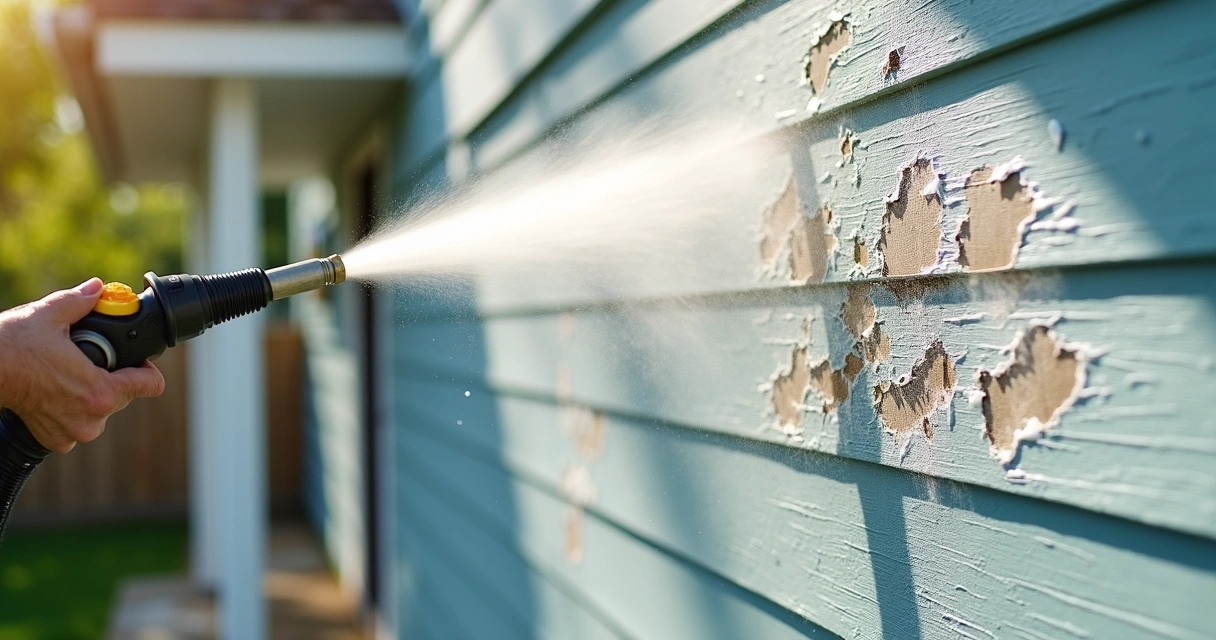
Power washers can strip decades off the look of a painted exterior—or peel that paint clean off in a single pass. The difference? Pressure.
The force of water from a power washer is measured in pounds per square inch (PSI), and the right setting is the line between a beautiful refresh and real damage.
Why pressure matters
Painted surfaces are not designed to withstand high, narrow jets of water. While hard surfaces like driveways and walkways can handle stronger pressures, home exteriors require a delicate approach. Pressure that’s too high blasts away not just dirt and mildew, but the very paint intended to protect your property.
What can go wrong?
- Peeling and flaking: Even paint labeled as “weatherproof” can’t handle a concentrated, high-PSI spray that focuses on seams or exposed areas.
- Etched or scarred surfaces: Stucco, softer brick, and wood can all be permanently scarred by high pressure. Once etching occurs, repainting may not hide it.
- Water intrusion: Water forced under siding, joints, or small cracks can soak into walls, leading to mold, mildew, and even interior damage.
Damage from using the wrong pressure isn’t always instant—sometimes it shows up weeks later as bubbling, paint fatigue, or odd color changes.
How to avoid it
- Test a small, hidden area before washing the whole surface.
- Work with manufacturer-recommended PSI guidelines for paints and surfaces.
- Keep the nozzle at a safe distance (usually 12–24 inches) from the paint.
- Some jobs may require a specialized soft wash system rather than a power washer.
We always match the pressure of the equipment to the surface—this is part of how GCM Best Services handles painting and hardscape cleaning throughout Orlando and Tampa properties.
Mistake 2: Choosing harsh chemicals and cleaning agents
We know the urge: stubborn stains, algae, or mold call for strong cleaners. However, many commercial cleaning agents react with paint at the chemical level, leading to color loss, streaking, or corrosion.
 Not all exterior paints handle bleach, acids, or degreasers the same way—so what cleans one spot can damage another.
The risks of the wrong product
- Fading and discoloration: Some cleaners break down pigments, especially on sun-exposed walls.
- Paint softening: Solvents and degreasers can dissolve resin binders, causing paint to wrap or crack as it dries.
- Streaking and uneven wash marks: Mixing the wrong product or letting a strong cleaner dry in the sun leaves permanent streaks.
- Environmental runoff: According to San Diego County information, power washing with the wrong chemicals contaminates water and soil, harming streams and plants if not properly captured and treated. (Power washing wastewater hazards)
Safer approaches
- Start with water alone, then switch to mild, biodegradable soaps designed for homes and painted exteriors.
- Spot-clean stains before a full wash using a soft-bristle brush.
- Always do a patch test on inconspicuous areas—like the back side of the garage or a corner below a bush.
- Thoroughly rinse every surface to remove all cleaning residue before it dries, and avoid mixing chemicals unless you know they’re compatible with your paint system.
This is especially true around patios, walkways, and even artificial turf installations, which can be permanently stained by caustic runoff. For those with paver borders or custom decks, we recommend solutions safe for both the structure and the environment—perfect for homes that blend painted exteriors with features like those at custom hardscape projects.
Mistake 3: Washing without proper preparation
Much of the lasting value of a painted exterior comes from what you do before power washing, not during. In fact, skipping prep can trap dirt under the paint, damage landscaping, or create streaks that don’t wash out.
What to prep before power washing?
- Remove or cover fragile items like outdoor furniture, grills, or planters.
- Trim back shrubs and tie up vines or flowers to avoid chemical or water splash-back.
- Seal windows and doors, and cover exterior outlets and lights.
- Sweep away dry leaves or debris which could stick to wet paint and become embedded during the wash.
If your home is due for a touch-up, cleaning the surface correctly is essential to avoid intercoat peeling; the GSA’s technical guidance notes that dirty surfaces—especially protected eaves and soffits—lead to paint failure when washed incorrectly (GSA technical guidelines).
Common errors from skipping prep
- Unwashed “missed” areas leave shadowy streaks visible even after the job.
- Furniture stains or burned grass from chemical runoff left on surfaces.
- Windows, screens, or pavers damaged by a blast of water.
- Small cracks in siding, brick, or mortar opened by water intrusion.
Thorough prep is built into every GCM Best Services cleaning approach, whether we’re power washing painted wood siding, prepping a concrete driveway, or handling major hardscaping upgrades.
Mistake 4: Ignoring paint type and surface material
Not all paints and surfaces are equal when it comes to water, pressure, or chemicals. Using the same technique everywhere is a recipe for disaster.

What to know about your surface
- Wood siding: Absorbs water, raising the grain, leading to splintering. Paint may flake in aged or sun-damaged areas.
- Brick and stucco: Too much water pressure can force moisture into small cracks, causing efflorescence (white salt stains) or surface pitting.
- Cement fiberboard and composites: Vulnerable to cracking and moisture penetration if seams are hit directly.
- Metals: Painted railings, gutters, and flashing are at risk of chipping and rust if the protective barrier is compromised.
Even high-build elastomeric paints, often used on Central Florida commercial exteriors, need tailored washing techniques. These coatings can stretch, but improper power washing can gouge or tear the surface—resulting in costly repairs.
Never assume that because a paint is called “waterproof” or “washable” it can take any level of pressure.
Best practices
- Read the paint maintenance guide or contact the installer for instructions.
- Adjust pressure, detergent, and technique based on both the paint and the substrate.
- In mixed-material exteriors, mask or protect more delicate surfaces before starting.
- For specialty coatings (epoxy, polyaspartic, or high-build), check cleaning compatibility. Learn more about proper cleaning of these surfaces on our concrete care resources.
We often work on Orlando homes that mix painted siding, brick, and concrete. We approach each with different nozzles, cleaners, and prep. That’s what keeps paint looking fresh—without needing to repaint every year.
Mistake 5: Neglecting safety—yours and the environment’s
Power washers are powerful enough to injure skin, strip bark from trees, or send paint chips into storm drains. Safety and environmental care should start before the job—even before plugging in the machine.
Painful lessons from power washers
- Medical journals report that high-pressure spray causes unexpected injuries—including emergency department visits, infection, and hospital admission rates. One paper puts infection rates at about 5.7% and hospital admission around 7.6% for these injuries (peer-reviewed article on power washing injuries).
- Contaminated paint or chemicals blasted off a house may flow directly into local waterways, harming fish, pets, and local wildlife, as explained by San Diego County studies.
- Working at heights or on ladders with a live power washer can increase fall risks, leading to property or personal injury.
Protecting your hands and your yard starts with simple safety steps.
How we put safety first
- We always wear boots, gloves, safety glasses, and long sleeves, and recommend you do the same.
- Keep pets and children inside until the area is fully dry and safe.
- Use containment if possible for wastewater—never allow runoff to enter drains.
- Follow all local codes regarding waste management, especially in larger hardscape projects.
- Consider your landscape, too: shield delicate shrubs or grass, especially near newly installed artificial turf or beds.
Safety isn’t only about people—it’s about preserving your paint, protecting your plants, and keeping your neighborhood clean.
Conclusion & what to do next
Our homes and properties are more than buildings; they are investments and spaces we’re proud to share. Power washing—the right way—restores beauty, preserves value, and works with your paint, not against it. At GCM Best Services, we combine technical skill, material knowledge, and a sense of responsibility that protects landscapes, paint, and people throughout Orlando and Central Florida.
If your painted exterior needs a refresh, avoid the five mistakes described above. That means adjusting pressure for each surface, choosing safe cleaners, preparing every area, respecting material limitations, and putting safety first. We believe prevention is always better than repair.
To learn more about how we care for painted exteriors—and see what a difference a thoughtful process can make—reach out for a free on-site assessment. We’ll explain your best options and provide before/after photos, warranty protection, and ongoing support so you can protect your home’s look today and in the future.
Ready for a professional quote? 📞 (407) 250-1948 • 24–48h • Orlando, Tampa & area.
Frequently asked questions
What is power washing a painted exterior?
Power washing a painted exterior means using a high-pressure spray of water (with or without detergents) to remove dirt, mold, dust, and other debris from outside painted surfaces. It’s used to restore curb appeal and prepare surfaces for repainting, but must be done with care to avoid harming the paint or the structure underneath. The process is chosen based on building material, paint type, and level of cleaning needed.
How can power washing damage paint?
Power washing can damage paint in a few ways: high pressure can peel or blister paint, force water under siding, or scar soft surfaces. If the wrong detergent is used, paint may fade, streak, or even soften, leading to premature peeling. Over time, water intrusion can cause bubbling, mold, or hidden rot behind the paint. This is why it’s essential to adjust settings and methods for every surface.
What are common power washing mistakes?
Among the most common mistakes are using pressures that are too high, aiming the nozzle too close, choosing harsh chemicals that react with paint, washing without proper protection or prep, and skipping environmental safeguards. Inexperience can turn a minor cleaning into a major repair by overlooking safe methods specific to paint and surface type.
Is it worth it to hire professionals?
We think so—especially for painted exteriors and large jobs. Professionals know the right pressure, detergents, and prep for every surface, and understand safety requirements for people, pets, plants, and paint. Using a professional service lowers the risk of costly mistakes, property damage, and injuries. You’ll also receive written warranties and post-job support from established firms like GCM Best Services, which is something DIY solutions cannot guarantee.
How to safely clean painted exteriors?
Start with gentle pressure, a wide-angle nozzle, and a mild, exterior-safe detergent. Test in a hidden location. Protect outlets, plants, and nearby surfaces, and always rinse off all detergent before it dries. Don’t let wastewater run off into storm drains—contain it, especially if using chemicals. Following these steps is the best way to maintain paint and property value while avoiding damage.