Central Florida’s breathtaking landscapes are matched by its intense weather. We’ve seen powerful storms test homes, screens, and patios across our neighborhoods each year. Among these outdoor features, lanais stand as a favorite—a place to gather, relax, and enjoy fresh air—yet also among the most exposed to hurricane winds. For homeowners with lanais built before the recent wave of code updates, strengthening these beloved enclosures is more than an upgrade, it’s a wise way to protect people, property, and peace of mind.
In our work at GCM Best Services, we specialize in helping clients fortify old lanais to improve hurricane resistance, bringing them in line with current standards and local requirements. Drawing from our experience and local expertise, we’ll guide you through why retrofitting matters, how the process works, and what makes a real difference for Florida families.
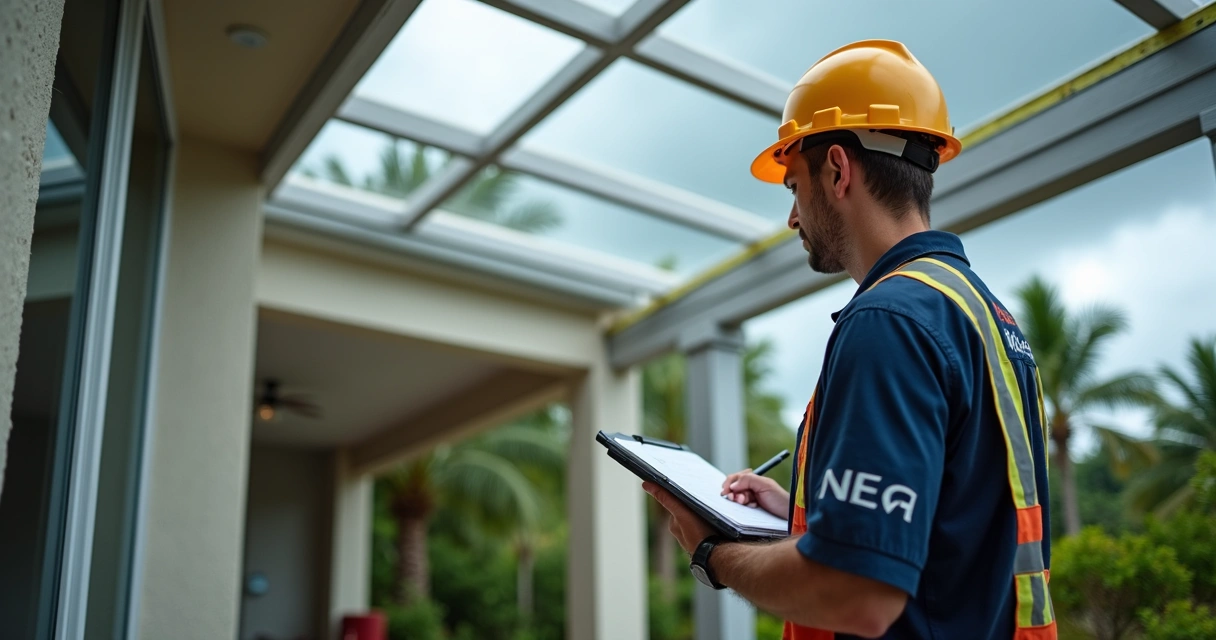
Why hurricane resistance matters for old lanais in Central Florida
When we consider the risk hurricanes pose, we focus on more than shattered screens or bent frames—these storms send debris flying, exploit weak connections, and let water in places it should never go. According to studies from the University of Florida’s Economic Impact Analysis Program, Hurricane Ian alone caused up to $1.56 billion in agriculture losses across Florida, affecting structures and land. Houses with older lanais, typically built to outdated codes, are more likely to face major damage or even collapse during hurricane conditions.
Upgrading an old lanai protects not only the enclosure itself but also windows, doors, and the home’s overall envelope. For families, it means fewer worries about costly repairs, insurance disputes, or losing cherished features of their outdoor living space. As our climate brings unpredictable storms, retrofitting brings resilience.
Building for the next storm starts before the clouds appear.
What makes a lanai vulnerable in a hurricane?
Many older lanais across Florida were built using materials and methods that seemed “good enough” at the time. Typically, these might include:
- Lightweight aluminum frames with spot-welded joints
- Thin fasteners that rust or snap under high loads
- Screen mesh with limited tear resistance
- Anchoring bolts straight into pavers or old slabs
- Lack of bracing or outdated post spacing
Some common signs that your lanai may be prone to hurricane damage include:
- Visible corrosion on bolts and frame joints
- Loose footings or posts that wiggle when pushed
- Ripped, sagging, or patchwork screens
- Short screws or bolts driven into crumbling concrete
- Panels or roofs not tied down to current wind-load standards
If your lanai hasn’t been evaluated or reinforced within the last decade, it likely doesn’t meet current wind resistance codes for Central Florida. This gap is where our retrofitting services at GCM Best Services deliver real value, increasing strength and stability in ways that truly matter—especially for older homes.
How hurricane codes have changed over time
Florida building codes have evolved after each major storm. After Hurricane Andrew, the state introduced stricter structural minimums—uff frames, anchoring, and connections faced much tougher checks. These changes mean older lanais, even those built with care, may not stand up to today’s storms the way new installations do.
Here’s how standards have improved:
- Higher wind-load requirements for both frames and screens
- Mandatory anchoring into steel-reinforced concrete footings
- Use of corrosion-resistant hardware throughout
- Bracing and post-spacing adjusted to counter high wind uplift
- Fasteners and connectors rated for hurricane resistance
Retrofitting brings older structures closer in line with these standards, reducing insurance premiums and increasing home resale value. For those considering upgrades, it’s a way to be proactive rather than reactive when the next storm hits.
What does retrofitting a lanai involve?
Each lanai is unique, shaped by its setting, age, and exposure. Yet, our retrofitting process usually follows a series of proven, reliable steps to ensure both performance and code alignment:
- Assessment and inspection.
- We inspect each joint, screen panel, and anchor point
- Documentation includes photos and notes for reference and permitting
- Areas needing reinforcement, replacement, or repair are flagged
- Drainage and runoff patterns are checked to avoid water pooling or soil erosion
- Engineering review/permit planning.
- Upgrades often require stamped engineering plans
- We help manage local permit applications and, if needed, HOA approvals
- Upgrades are mapped to current Florida wind-load standards (up to 150+ mph, depending on location)
- Frame and fastener upgrades.
- Adding or replacing fasteners with larger, corrosion-resistant bolts
- Strengthening main beam-to-post and post-to-slab connections with hurricane brackets
- Reinforcing main headers, upright posts, and corners
- Concrete footing and base work.
- Patching or repouring footings using proper sub-base, rebar, and 3,000–4,000 PSI mixes, techniques we use across our concrete services
- Extending slab bases or resetting pavers for a firmer anchor
- Improving drainage to avoid undermining the base
- Screen and hardware replacement.
- Upgrading old, brittle mesh to high-tensile hurricane-rated screens
- Installing stainless steel or coated hardware to resist salt and moisture
- Replacing latches, door closers, and hinges to avoid accidental blowouts
- Quality checks and warranty documentation.
- Post-upgrade walkthrough and side-by-side comparison photos
- Written warranty for work and hardware
- Maintenance guide to keep the lanai at peak strength
Working with licensed contractors who understand local wind codes is key to a retrofit that genuinely provides assurance during storms.
Key materials and upgrades for hurricane-resistant lanais
Not every upgrade is equal. We’ve tested many materials and methods to find what reliably boosts resilience in Central Florida’s tough conditions. Here are the most effective retrofits we recommend for old lanais:
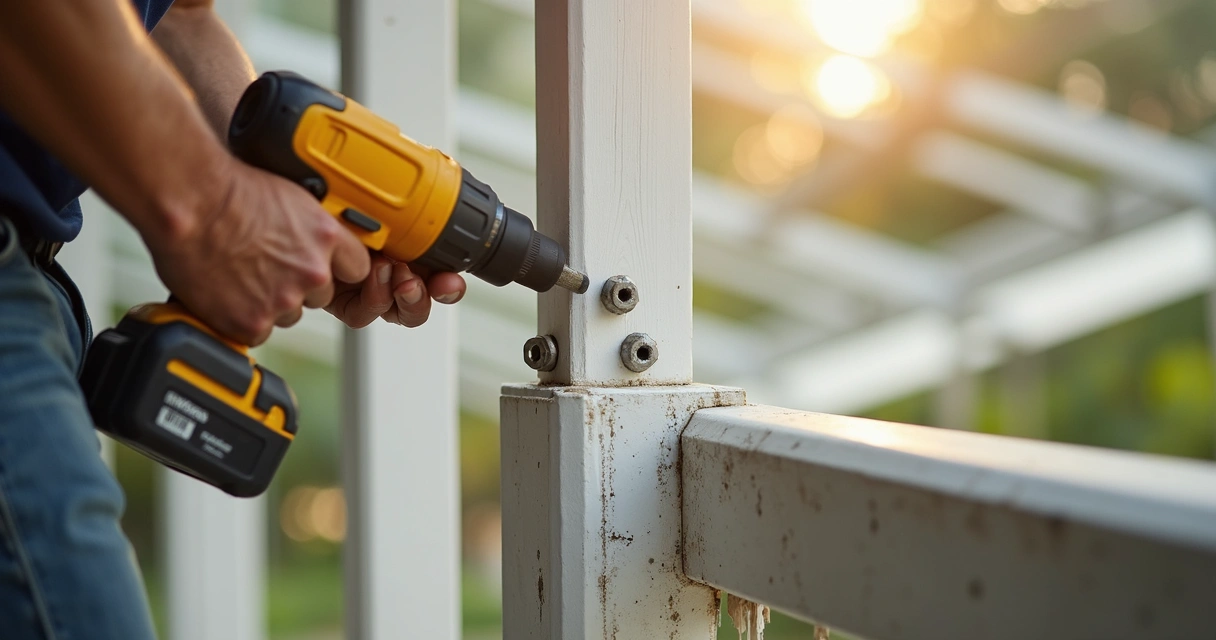
Corrosion-resistant hardware and fasteners
Stainless steel and coated fasteners are now standard in all serious hurricane lanai upgrades, because they stay strong even after years of exposure to rain and humidity. Our team at GCM Best Services always chooses hardware compatible with the frame’s metal to prevent galvanic corrosion—where different metals react and corrode faster.
High-tensile hurricane-rated screen mesh
Old fiberglass screens may tear if hit by a branch or high wind. Meshes specifically made for hurricane resistance can withstand both impacts and strong, direct wind pressure. These hold up far better and also keep out insects and debris under regular conditions.
Hurricane brackets and ties
These are purpose-built metal connectors that “tie” beams, posts, and supports directly to footings and the slab below, distributing wind forces the way building codes require. Upgrading to modern brackets makes a dramatic difference.
Footing and base upgrades
If the lanai’s footings are cracked or shallow, we may saw-cut out loose sections and repour with a thick, reinforced base using techniques proven in our concrete and slab projects. We match code-required depth, width, and reinforcement, sometimes adding drainage to move water away from the slab’s edge for long-term performance.
Drainage, waterproofing and protecting interiors
A lanai is only as safe as its ability to keep water out and let it flow away quickly in a downpour. For this reason, drainage is always a major part of the retrofit. A few strategies we often use:
- Re-grading soil or adding drains along the outer edge of the lanai slab
- Installing polymeric sand between pavers (more on hardscaping) to keep water moving outward
- Patching cracks in existing patios, slabs, or walkways
- Applying elastomeric coatings to help shed water away from vulnerable connections
Effective drainage extends the life of screens, frames, and even the home’s foundation by preventing water from collecting and undermining the structure. In areas prone to flash flooding, French drains or retention swales may be installed as part of a larger backyard renovation—see more hardscape options at our hardscape overview.
Integrating with other outdoor upgrades and future plans
Retrofitting a lanai often opens the door to other improvements. Many of our clients choose to combine screen upgrades with patio expansions, new paver borders, or even artificial turf transitions to blend function and appearance. We coordinate these elements carefully—especially concrete work, which should be planned to maximize drainage and avoid future cracking, using details we share in our concrete repair guide.
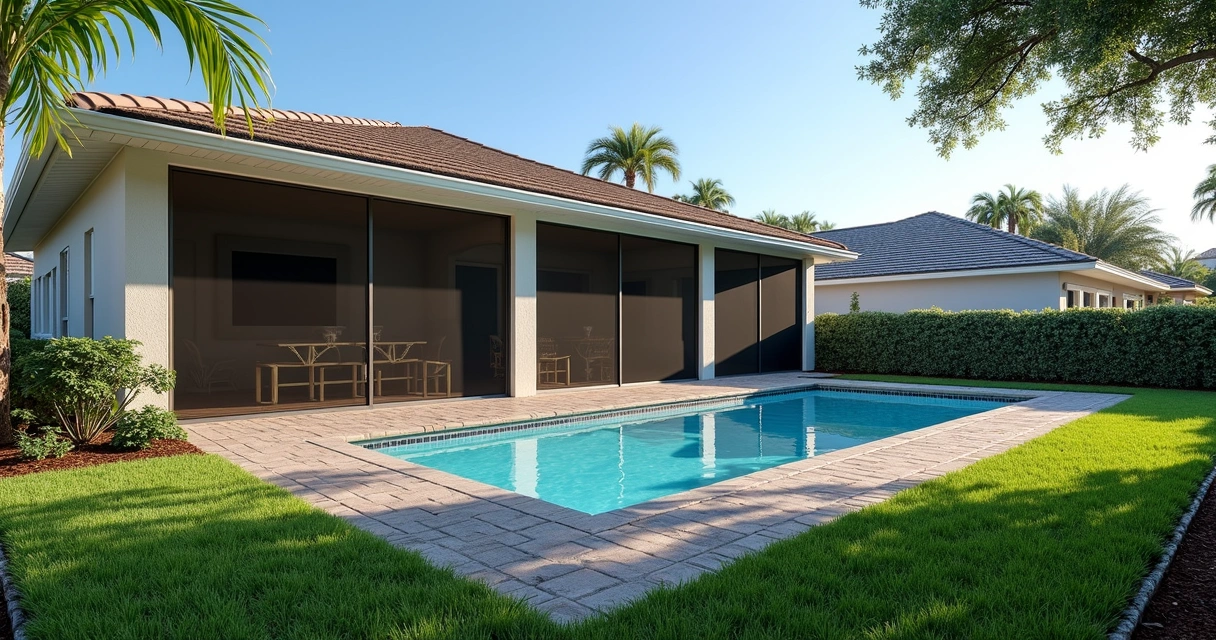
What to expect during a lanai retrofit project
When you decide to strengthen your lanai, we know you’ll want to minimize disruption while maximizing results. Here’s a typical project flow when working with our GCM Best Services team:
- Free on-site assessment.
- We schedule a detailed, no-obligation visit to evaluate the whole structure.
- Our technician walks through your project goals, current condition, and options.
- Transparent estimate and design process.
- You receive a clear, itemized proposal, often with several upgrade paths to suit your budget and needs.
- We communicate any code, permit, or HOA requirements up front.
- Work scheduling and preparation.
- Upon approval, we secure permits as needed and set a project timeline that works with your schedule.
- Execution with clean job sites.
- Our crews are OSHA-safe, respectful, and tidy, keeping your backyard livable during the upgrade.
- We photograph phase progress for documentation.
- Final walkthrough, warranty, and maintenance guide.
- We review work together, make any final adjustments, then issue a written warranty plus care instructions to extend the lanai’s new lifespan.
In our experience, clear communication and upfront planning turn a sometimes-stressful upgrade into a smooth, rewarding process.
Maintenance tips to sustain strength over the years
Once a lanai is reinforced, it still needs occasional checks to stay at its best. Here are our most effective tips for post-upgrade care:
- Rinse screens and hardware with fresh water after heavy storms to prevent corrosion buildup
- Check all latches, doors, and fasteners every spring and fall
- Keep drainage paths clear of mulch, soil, or plant debris
- Re-seal concrete bases or paver joints as recommended in your maintenance guide
- Schedule a professional inspection at least every five years or after any severe weather event
Simple, scheduled upkeep keeps a hurricane-retrofitted lanai ready season after season. If damage ever does occur, timely attention helps avoid larger problems and keeps your written warranty in effect.
How retrofitting benefits homeowners, insurance, and neighborhoods
The benefits of retrofitting old lanais reach well beyond the property line. Stronger lanais mean less flying debris for neighbors, fewer claims for overwhelmed insurance providers, and more stable property values community-wide. For those planning to stay in their home, the comfort factor is huge. For sellers, documented upgrades are a selling point buyers remember.
Retrofits also reflect well on communities—HOAs can recommend or encourage upgrades, and the process almost always improves overall curb appeal. By prioritizing hurricane safety, you help make Central Florida a more resilient and secure place to call home.
A reinforced lanai is peace of mind when the wind picks up.
Conclusion
Our journey with clients across Central Florida has taught us that retrofitting old lanais to improve hurricane resistance is one of the smartest investments you can make for your home and family. At GCM Best Services, we combine strong materials, deep local knowledge, and clear communication for every lanai upgrade. Whether you’re worried about the next storm or looking to add long-term value, our team is here to help shape a solution that’s reliable and meets the needs of tomorrow’s weather.
If you’re considering a lanai retrofit, there is no better time than before hurricane season arrives. Let us provide a free on-site assessment and a detailed plan to strengthen what matters most.
Ready for a professional quote? 📞 (407) 250-1948 • 24–48h • Orlando, Tampa & area.
Frequently asked questions
What is lanai hurricane retrofitting?
Lanai hurricane retrofitting means adding modern reinforcements and upgrades to an existing lanai to improve its resistance against high winds, flying debris, and water intrusion from storms. This usually includes upgrading the frame, anchoring, fasteners, and screens, as well as aligning with current Florida building codes for wind-loads and safety.
How much does lanai retrofitting cost?
The cost to retrofit a lanai depends on its size, age, specific vulnerabilities, and the scope of the upgrades. In Central Florida, a typical retrofit can range from a few thousand dollars for basic hardware and screen replacements, up to higher amounts if structural repairs, concrete work, or engineering plans are required. We always offer a free on-site assessment so you receive a transparent, accurate quote.
Is it worth it to retrofit my lanai?
Yes, retrofitting is worth it for most homeowners in hurricane-prone areas. It helps protect people and property, can lower insurance premiums, boost resale value, and prevent much larger repair costs after a severe storm. Retrofitting is especially valuable for older lanais built before current codes.
How can I make my lanai stronger?
You can make your lanai stronger by:
- Upgrading to hurricane-rated screens
- Replacing old fasteners with stainless steel or coated hurricane anchors
- Adding or reinforcing hurricane brackets at all major joints and base connections
- Repairing or repouring concrete footings to code depth and reinforcement
- Improving drainage and sealing all gaps
Professionally designed retrofits that match local wind-load codes bring the best and most reliable results.
Where to find lanai retrofit experts?
Look for licensed, insured contractors with experience in screen enclosure upgrades and compliance with current Florida wind codes. As a local provider, GCM Best Services brings this knowledge, detailed estimates, and a warranty-backed process for lanai retrofitting across Orlando and Central Florida.