Choosing the right outdoor play surface matters for every family, school, or business in Central Florida. The sunny weather encourages year-round play, yet Florida’s climate brings unique safety concerns. At GCM Best Services, we see firsthand how smart choices in playground surfacing protect children, prevent injuries, and create happier memories. In this guide, we draw on our experience designing and building family-friendly, long-lasting outdoor spaces in Orlando and across the region, helping you make confident, informed decisions for the children in your care.
Why outdoor play surfaces matter for children’s safety
Outdoor play is an essential part of childhood—but sometimes the fun comes with risk. According to CDC data from 2010–2016, playground activities led to about 27,350 emergency department visits per year for traumatic brain injuries among children ages 0–17 in the United States. Most of these injuries happen from falls. The right play surface can be the difference between a few tears and a trip to the hospital.
Safety starts from the ground up.
The CDC recommends soft surfacing like wood chips or sand and age-appropriate equipment as ways to lower fall injuries. At GCM Best Services, we believe no two outdoor spaces—or families—are the same. Our process always starts with listening to your concerns, goals, and past experiences. We work with Central Florida’s soil conditions, drainage needs, and code requirements to provide solutions that protect children and stand up to our climate.
Florida’s climate: challenges for outdoor play areas
In Florida, the sun, humidity, storms, and insects shape every decision about exterior spaces. Even the coolest winter days can see the sun heat up outdoor surfaces by noon. Summer brings daily rainstorms that test drainage systems and quickly turn grass to mud. We often meet parents who are worried about:
- Surfaces becoming dangerously hot and burning bare feet
- Slippery areas after rain, which cause falls
- Poor drainage that leads to puddling, moss, and mold
- Grass wear, pests, bites, and mud tracked indoors
When working with schools, HOAs, and homeowners, we also talk about sun safety. The CDC advises that excessive UV exposure in children increases the risk of skin cancer later in life. Surfaces that stay cooler in the sun or integrate shade can play a role in outdoor playground safety.
What makes a good play surface?
Throughout Orlando and greater Central Florida, we install various outdoor play surfaces, each with strengths and tradeoffs. Our recommendations focus on these factors:
- Shock absorption and softness to reduce impact injuries
- Low-temperature retention, especially under strong sun
- Effective drainage to prevent standing water and slippery conditions
- Non-toxicity, no harmful chemicals, and safe for skin contact
- Minimal tripping hazards and smooth, stable edging
- Cleanability (removal of animal waste, plant debris, mold, etc.)
- Resistance to pests and easy maintenance
- ADA accessibility and inclusion for all users
Let’s break down the most common materials, their pros and cons for Florida, and what we’ve learned on local jobsites.
Popular outdoor play surfaces in Florida: pros and cons
Natural grass
Grass is classic, soft, and familiar for many. But Florida lawns face relentless heat, bugs, and humidity. On playgrounds or in high-use spaces, grass quickly becomes patchy and muddy. Standing water after rain can encourage mosquito breeding and algae. What’s more, regular fertilizers and pesticides may not be ideal for kids who spend hours playing hands-on.
- Pros: Cools naturally, feels soft, traditional look
- Cons: High maintenance, muddy after rain, bugs, patchiness, allergies, chemical exposure
For homes with small children, we recommend evaluating the use level and your willingness to maintain turf. Visit our artificial turf page to see alternatives for high-traffic areas.
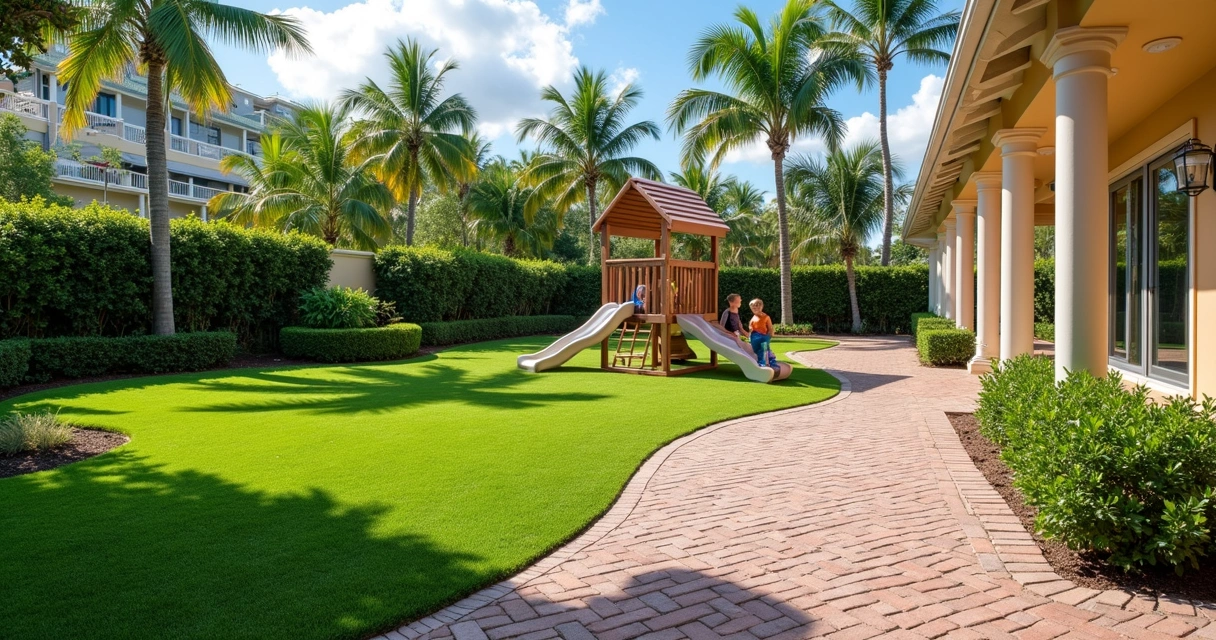
Engineered wood fiber (EWF) and mulch
Wood chips and engineered wood fiber are popular for large community playgrounds due to cost and shock absorption. The CDC recommends wood chips at depths of at least 9–12 inches under play equipment to improve safety (CDC recommendations). We find EWF requires routine maintenance: topping up levels, raking, and watching for hiding pests. In Florida, heavy summer rains can cause wood mulch to float, rot, or attract fungus.
- Pros: Good shock absorption, affordable, natural look
- Cons: Needs frequent topping up, washes out, can grow mold, splinters, not wheelchair accessible without special treatment
Rubber mulch
This popular surface uses recycled rubber tires, creating good shock absorption. Rubber mulch does not decompose, making it longer lasting than wood mulch. However, heat is the big concern in Florida. Most rubber mulch gets very hot under direct sun, and black or dark colors make this worse. Some families tell us the smell and “bounce” are also drawbacks.
- Pros: Long-lasting, high shock absorption, discourages bugs
- Cons: Gets very hot in Florida sun, possible chemical concerns, can scatter outside play area, not suitable for very small children due to choking hazard
Poured-in-place rubber (PIP) and synthetic playground turf
Poured rubber and synthetic turf are modern favorites for preschools and parks. PIP creates a seamless, cushioned surface that meets ADA guidelines. Synthetic turf, like the kind GCM Best Services installs, needs a drainage base, infill to keep fibers cool, and secure edges. Some turfs now use infills like cork or silica instead of rubber crumb. We always recommend UV-stabilized turf for Florida sun; budget options can fade or break down fast.
- Pros: Soft and consistent, ADA-accessible, low maintenance, clean look, custom colors/designs possible
- Cons: Higher upfront cost, surface temp can rise in peak sun, requires expert installation for drainage
See our artificial turf solutions in Orlando for more detail on how we design and build child-safe turf play spaces.
Concrete, paver, and hardscape solutions
Concrete, pavers, and slabs are sometimes the backbone of multi-use yards or play courts. While not “soft,” the right finishes and design improve slip-resistance and drainage. At GCM Best Services, we pour 3,000–4,000 PSI concrete with broom or exposed aggregate finishes for grip. Pavers with polymeric sand and tight joints avoid tripping hazards. These surfaces pair well with modular play mats or turf, or act as a base for moveable play equipment. Drainage channels and slopes prevent puddling after rain.
- Pros: Durable, low maintenance, customizable, good for bikes/scooters, easy to clean, improves drainage
- Cons: Not soft for falls, surface temp rises mid-day, can be slippery without correct finish, shade needed for comfort
When hardscaping is part of your vision, explore design tips at our hardscape page or the driveway and patio paving project gallery.
Sand and pea gravel
Loose fill materials like sand and pea gravel once dominated local playgrounds. While affordable and soft for falls, both can scatter, hide insects, and end up everywhere (including shoes, pools, and landscaping). In humid Florida, sand may also compact, lose shock absorbency, or grow mold. Gravel poses a risk for toddlers who might put it in their mouths.
- Pros: Good for digging, absorbs falls, non-toxic, budget-friendly
- Cons: Scatters outside play area, difficult for wheelchairs/strollers, can harbor pests, requires frequent raking and leveling
Designing for safety: what we’ve learned in Florida yards
In our years building in Central Florida, we’ve noticed that safety is not just about which surface you choose—it’s also about how it’s installed and maintained. Here’s what experience (and plenty of parent feedback) has taught us:
- Start with drainage. Without well-thought-out drainage, puddles and mud will undo your best surface ideas. We always install proper grading, French drains, or permeable bases under turf and pavers to keep the area dry and safe.
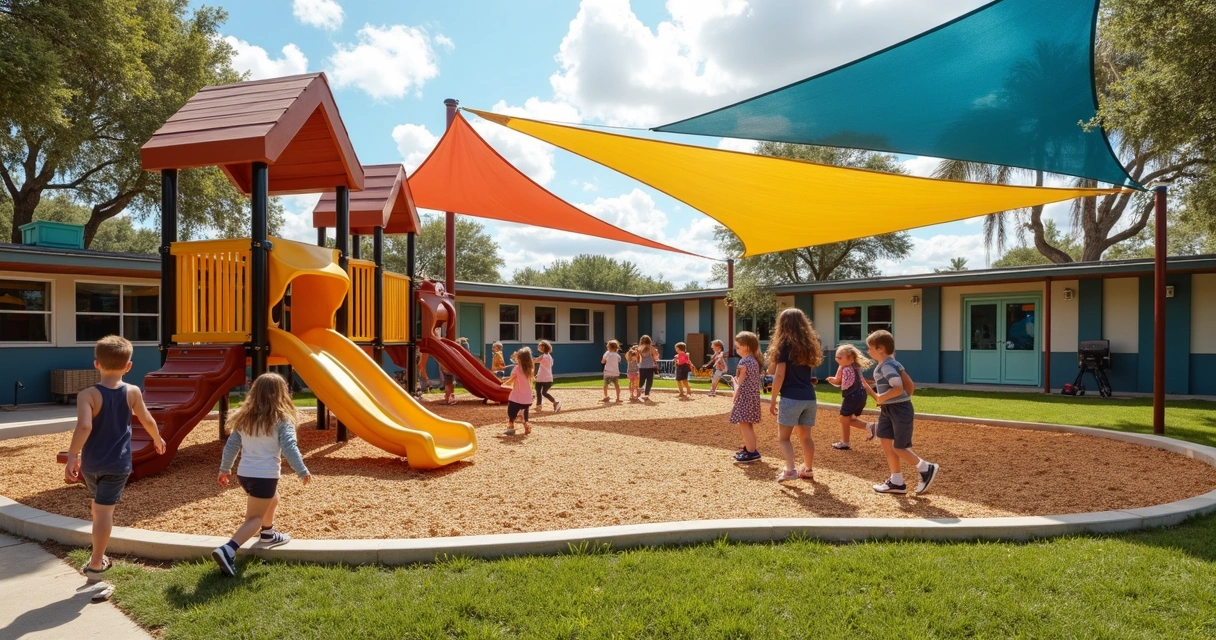
- Plan for sun management. Surfaces like PIP rubber, turf, and even pavers can get hot midday. Integrating shade structures, sun sails, trees, or even screened enclosures can make a huge difference for comfort and safety.
- Think about border safety. Edge restraints, flush transitions, and landscape borders prevent tripping and turf unraveling. For accessible play, smooth transition ramps help wheelchairs and strollers get onto all surfaces easily.
- Choose the right finish. For concrete and hard surfaces, broom or exposed finishes improve grip. Many epoxy coatings can be made slip-resistant, suitable for outdoor play zones and garage-adjacent spaces.
- Keep maintenance simple. Children drop snacks, spill drinks, and occasionally bring in mud. Surfaces like artificial turf and sealed pavers make clean-up quick, and design details like good lighting allow parents to spot hazards fast.
We also believe communication is everything. If your HOA requires specific materials or local inspections, our team at GCM Best Services manages paperwork, permitting, and even drainage design for worry-free progress.
Case example: from mud pit to safe play with artificial turf and pavers
Recently, we worked with a family in Orlando frustrated by their muddy backyard. The old grass couldn’t handle daily soccer games, and puddles formed by the patio after each rainfall. Our solution involved:
- Removing the failed grass and re-grading the area for positive drainage
- Installing a compacted sub-base and French drain system
- Laying UV-stabilized artificial turf with a playground-certified infill
- Building a surrounding paver border for clean edges and improved curb appeal
- Adding a sun shade sail for mid-afternoon play comfort
The results? Happy kids, no more mud inside, and a yard that invites play year-round. The family also appreciated our written warranty and photos documenting every stage of the project—our signatures at GCM Best Services. If you want a similar transformation, see inspiration in our hardscaping project ideas.
Special considerations for Florida play areas
UV safety and sun exposure
As Florida residents, we know that protecting children from sunburn is part of every outdoor plan. The CDC recommends sunscreen, shade, and protective clothing for all ages. Some families request summer kitchens or screened enclosures so children can play in comfort even on the hottest days. Many play surfaces are available in lighter colors or with cooling infills to minimize surface temperature.
Water features and safe pool areas
Kiddie pools and slides can be popular for beating the heat. The CDC warns that small inflatable pools and slides increase drowning and illness risks for children (CDC guidelines on safe pools). We encourage installing slip-resistant surfaces around any water play area, keeping pools fenced and drained daily, and upgrading hardware to hurricane-rated specs if your enclosure needs it. This way, fun never comes at the cost of safety.
Inclusive designs for all abilities
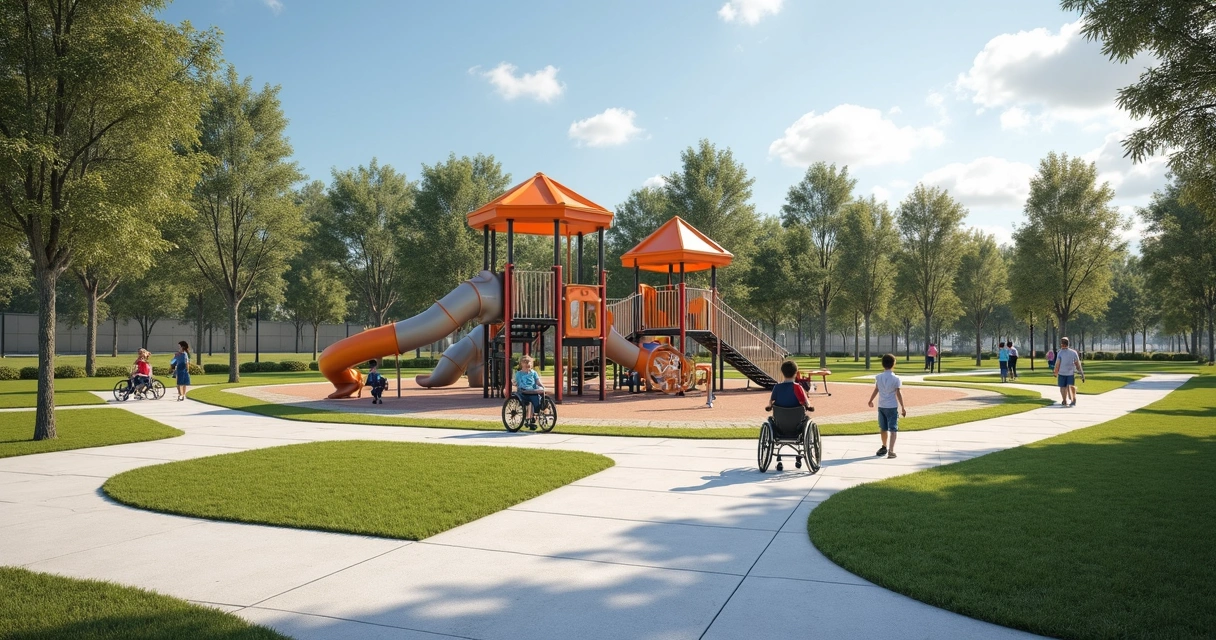
Accessible play matters to us. By choosing ADA-compliant materials like poured rubber, turf with proper underlayment, or smooth concrete with gentle slopes, play spaces become safe for children of all abilities. Our team always invites input from parents or caregivers on specific access needs.
How to maintain and inspect play surfaces
Routine checks make safe play last. Even the best materials need routine review. We advise all homeowners and facility managers to:
- Rake or fluff loose infill material back into place (mulch, sand, pea gravel)
- Check for worn spots, exposed base, or sharp edges—especially at slide runouts
- Inspect drainage after storms to ensure water flows away from equipment
- Clean artificial turf and poured rubber regularly to remove germs, debris, and animal waste with mild detergent, and hose down as needed
- Prune surrounding trees and shrubs to prevent tripping hazards or reduce insects
- Renew protective coatings or sealants on pavers/concrete annually as needed
We provide every GCM Best Services project with a custom maintenance guide based on your choices, so your outdoor space continues to deliver safe, worry-free fun for years.
Comparing costs and planning your project
We know every budget looks different. Here’s a simplified look at the long-term costs and typical lifespan of today’s most popular surfaces (details can vary based on site specifics):
- Artificial turf: Higher up-front, lower ongoing costs, lasts 10–20 years with minimal care
- Poured-in-place rubber: Similar cost to turf, 8–12 years, needs occasional repairs
- Engineered wood fiber: Lower initial investment, moderate or high annual replenishment costs
- Concrete/pavers: Mid to high upfront, extremely low maintenance, long lifespan
Additional items like shade sails, fencing, or drainage can affect your total project price. We always begin our work with a free site visit and written estimate, providing options to balance safety, aesthetics, and cost.
Conclusion: our promise for safer play, every day
Safe outdoor play for children in Central Florida starts with the right surface, designed specifically for our challenges and your family’s needs. From selecting UV-stable turf to finishing concrete with slip resistance, the details matter. Our team at GCM Best Services combines years of regional experience with care for every household and community we serve. We handle site assessments, drainage, estimates, and even HOA or permitting, so you can focus on what really matters—watching your children play, grow, and stay safe outdoors.
If you’re ready to create, upgrade, or just better understand your options for safe, beautiful outdoor play surfaces in Central Florida, contact us for a no-obligation visit. Let’s build peace of mind—from the ground up.
Ready for a professional quote? 📞 (407) 250-1948 • 24–48h • Orlando, Tampa & area.
Frequently asked questions
What are the safest play surfaces?
Shock-absorbing, well-maintained surfaces are the safest for playgrounds and play yards. Engineered wood fiber, poured-in-place rubber, and certified artificial turf provide consistent cushioning and meet safety standards when installed correctly. According to CDC data, using soft surfacing under equipment helps reduce the risk of head injuries during falls.
How much does rubber playground surfacing cost?
The cost of poured-in-place (PIP) rubber surfacing in Florida typically starts at around $15–$25 per square foot, depending on site prep, color choice, and thickness needed for impact protection. This is a higher initial investment but can last over a decade with light maintenance. Our team always provides a detailed estimate tailored to your space and needs.
What surfaces stay coolest in Florida sun?
Natural grass and some light-colored artificial turfs tend to stay coolest under Florida’s strong sun, especially when paired with shade structures or trees. Poured rubber and dark rubber mulch can become hot to the touch. Pavers and concrete surfaces also heat up, but lighter colors, UV-reflective coatings, and shade elements help keep temperature manageable for play.
How to maintain outdoor play surfaces?
To keep outdoor play surfaces safe, check regularly for wear, loose fill spread, tripping hazards, or drainage issues. Clean synthetic turf and poured rubber with mild soap and water; rake wood mulch or sand to maintain depth; and reseal paver/concrete surfaces annually as needed. Remove debris, animal waste, or litter quickly. Our maintenance guides make care simple for every surface we install.
Where to buy safe playground materials?
Safe playground materials—such as certified turf, poured rubber, engineered wood fiber, and ADA-compliant pavers—can be supplied and professionally installed by specialists like us at GCM Best Services. We handle material selection, design, permitting, and installation in Central Florida, ensuring every solution meets local codes and your safety standards.