Screen enclosures and pool cages are a staple for Florida properties—protecting pools, patios, and lanai spaces from bugs, debris, and occasionally, storm winds. But after a few seasons of pollen, mold, and algae, these enclosures need a good, safe cleaning. Pressure washing, when done correctly, restores clarity, looks, and even prolongs their lifespan.
At GCM Best Services, we know that maintaining your screen enclosure isn’t just about appearance—it’s about function, safety, and comfort. Sometimes, we encounter homeowners worried about damaging frames, loosening screens, or even voiding warranties. Here’s how we approach safe, effective pressure washing to protect your investment and make outdoor living inviting again.
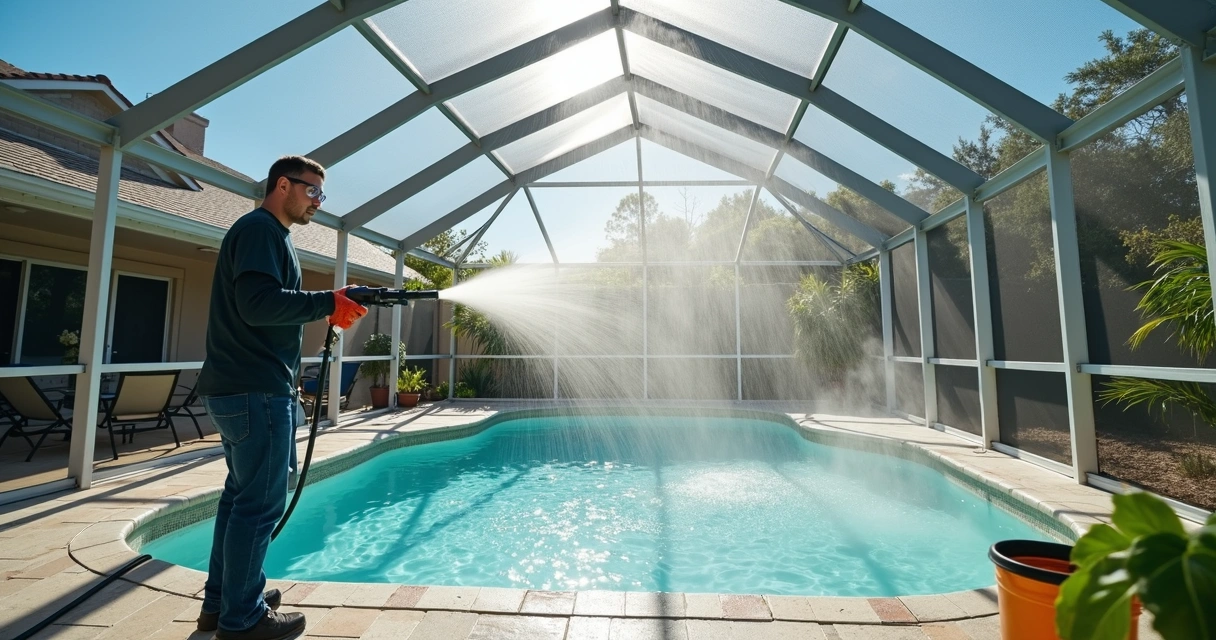
Why clean your screen enclosure or pool cage?
Screen enclosures do more than keep out pests—they are exposed to rain, bird droppings, pollen, algae, and the full effect of Florida sun. Over time, screens lose their transparency, aluminum frames start to look dull, and mold threatens both appeal and safety. Cleaning is not just cosmetic.
- Health and safety: A study from the CDC reports that 11.8% of routine inspections of public pools found problems requiring immediate action. Mold, algae, and debris can all become health hazards, especially for those with allergies or asthma (study by the CDC).
- Preserve structure: Algae and mildew wear down protective finishes on the aluminum and screen mesh. That means rust or corrosion is more likely in the long run.
- Avoid stains and etching: Bird droppings and leaves can stain, and silt collects in tracks or around base rails, causing premature aging.
- Enjoy outdoor views: Clean screens are nearly invisible, making patios, lanais, and pools feel brighter and airier.
If you’re looking to maintain other outdoor features too, especially after cleaning, see our advice at Hardscape Services and in our hardscaping blog category for Florida properties.
Understanding the risks of pressure washing enclosures
Pressure wash the wrong way, and you’ll end up with shredded screens or even bent aluminum. We’ve seen the aftermath when too much pressure—or the wrong nozzle—meets fine fiberglass mesh. Let us spell out what can go wrong and how to avoid it.
- Screen blowouts: Too much pressure or direct close-up spraying can pop screens out of tracks, tear mesh, or break spline seals.
- Frame damage: Aluminum extrusions are light, and aged frames can bend, kink, or even crack if you bang them too hard with pressurized water.
- Water intrusion: Joints, fastener holes, and seams (especially near doors or base rails) can let water into wall voids, concrete, or even nearby electrical outlets.
- Personal injury: High-pressure jets can break skin, toss debris, or send ladder users off balance.
The main risks are torn screens and bent frames—almost always caused by excessive pressure or wrong technique. Safe washing is all about gentle control, good process, and the right cleaning mix.
Equipment and supplies for safe enclosure cleaning
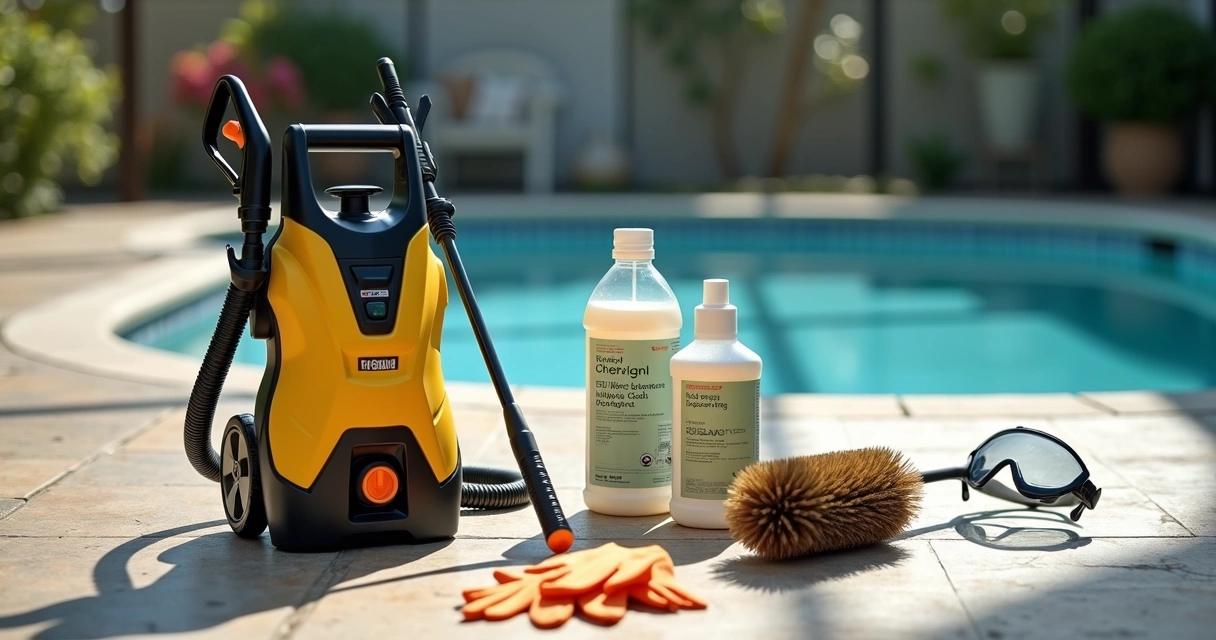
Ever noticed how a job turns out well when you have the right gear? That’s true here, too. For a typical Florida screen enclosure or pool cage, we recommend gathering:
- Pressure washer with adjustable PSI (ideally 1,200–1,700 PSI, not to exceed 2,000 PSI on screens)
- Wide-angle (40–60°) nozzle for gentle spray
- Extension wand (helps reach upper beams without a ladder)
- Safety goggles, gloves, and closed-toe shoes
- Sturdy, non-slip ladder, only if needed for hard-to-reach areas
- Soft-bristle brush or sponge for stubborn areas
- Mild detergent or specialized screen enclosure soap (avoid bleach mixtures—it can harm finish and plants)
- Hose with spray attachment for rinsing
At GCM Best Services, we never use harsh chemicals or high-concentrate bleach on enclosure frames or mesh. Plant-friendly, non-corrosive detergents keep your garden safe and your aluminum from oxidizing.
Our step-by-step process for pressure washing screens
Let’s walk through our safe-cleaning approach from top to bottom. Each phase below is engineered to minimize risk and maximize results.
Preparation—set up for success
Preparation is what separates okay results from professional ones. Here’s what we do:
- Check forecast: Only wash on a calm, dry day—wind carries debris and rain undoes your work.
- Clear the area: Remove furniture, plants, toys, grills, and fragile décor from inside and near the enclosure.
- Cover or rinse surrounding plants and landscaping before you start, especially if using detergent.
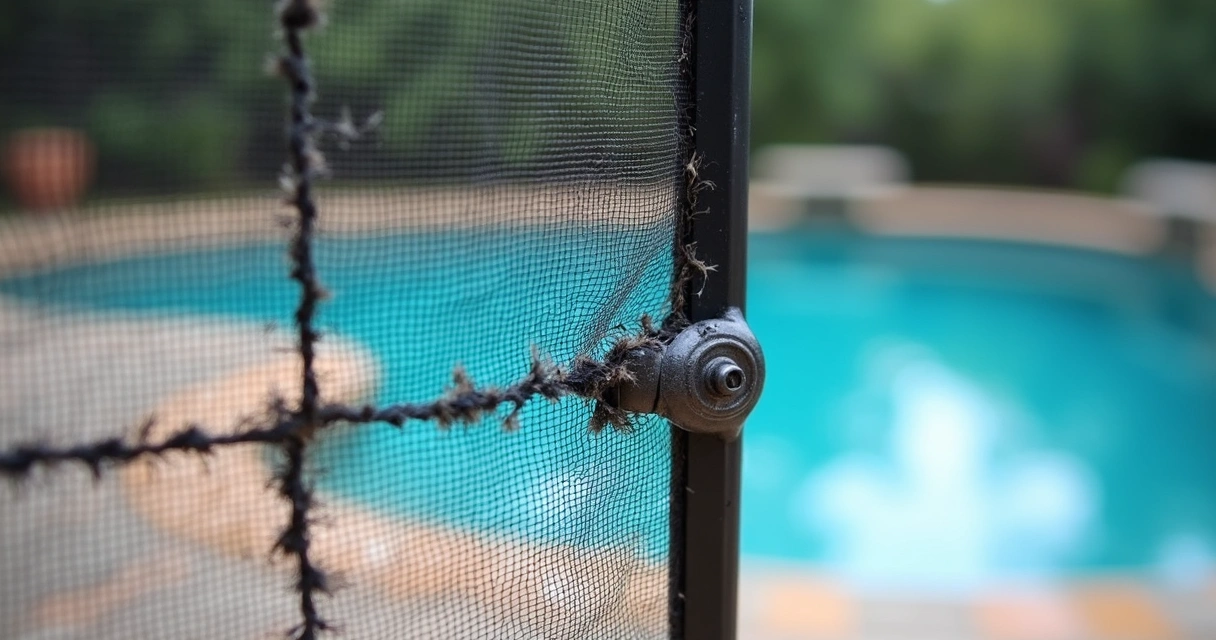
- Inspect for weak spots: If there are torn mesh, loose spline, or damaged fasteners, take note—washing can make it worse. Schedule simple repairs first if needed.
- Protect nearby power outlets and pool equipment by switching off the GFCI or covering with plastic as needed.
Now, you’re ready to begin actual cleaning.
Apply detergent (when needed)
Most gentle detergents made for screen enclosures are safe for mesh and aluminum. We:
- Mix per manufacturer instructions (usually diluted for spray bottles or low-pressure chemical injectors).
- Apply with a pump sprayer or soap nozzle, starting at the top so cleaner runs down.
- Let dwell for up to 10 minutes, never letting it dry fully.
- Agitate extra-dirty spots gently with a soft-bristle brush, following the direction of the mesh.
Set the pressure right
Never start blasting screens at full power. We adjust our machines, starting as low as possible and checking pressure against a small test area of mesh or frame, 3–4 feet away.
- For fiberglass or polyester mesh: Pressure should never exceed 1,500–2,000 PSI, ideally kept under 1,700 PSI. Stand 3–5 feet back.
- For heavy aluminum or steel frames: These can take a bit more (up to 2,500 PSI), but use only needed pressure.
- Always use a wide spray tip (40–60°) to spread force across more area.
We strongly prefer to keep pressure low and repeat gentle passes. It may take a little longer, but it protects mesh, paint, and powder coat from stripping.
Rinse and wash—top to bottom
We start rinsing from upper beams and work down. The spray should angle down across mesh, never perpendicular. This avoids pushing debris deeper or popping screens loose.
- Start at the top cross-beams, aiming spray downward and outward.
- Work your way around the perimeter, doing walls one at a time.
- Use gentle, sweeping motions—avoid keeping the spray in one spot.
- For stubborn mildew, lightly agitate with a soft brush, or re-apply detergent.
- Finish with the inside and outside door frames, paying attention to thresholds and floor tracks.
Never spray directly upward at screens—it pushes them from their tracks, especially on older cages.
Tackle stains and tough spots
Leaf stains, mineral marks, or stubborn bird droppings may stick around after your first wash. In these cases, we:
- Spot clean using a sponge and mild soap solution—never use abrasive pads or steel wool.
- For old stains on frames, try vinegar diluted with water or a gentle household aluminum cleaner, but always rinse thoroughly.
- If stains remain after careful cleaning, the mesh may be aged and need a replacement panel.
For more serious repairs—like torn screens or broken frames—connect with us via our project blog, where we guide you on next steps and permitted structural upgrades.
Final rinse and walk-through
We always perform a clean water rinse to remove any detergent residue. A final inspection ensures there are no accidental tears, flooding near thresholds, or missed debris. Screens dry within an hour or two in the Florida sun.
We finish every job with a final walkthrough and written warranty—so you feel confident in the work done.
Common mistakes to avoid when pressure washing screens
We’ve corrected our share of DIY damage. Here’s what to steer clear of if you want to avoid costly repairs:
- Using a zero-degree or narrow spray tip. These tips shoot a concentrated jet that slices light mesh or chips paint.
- Spraying from too close—keep the wand at least 3–5 feet away from mesh, and 6–12 inches from frames.
- Cranking up to high pressure to “save time.” Quick work leaves lasting damage.
- Leaving detergent to dry on screens or aluminum, causing streaks or chemical spots.
- Skipping inspection before or after, which means unseen tears or gaps let in pests later.
The right pressure settings, gentle technique, and regular inspection are the difference between a refreshed enclosure and expensive repairs.
Maintaining your enclosure between washes
Between pressure washes, a little upkeep goes a long way:
- Rinse screens with a gentle hose spray every few weeks to knock loose dust, pollen, and bugs.
- Sweep frames and tracks to clear leaves and debris—keeping drainage working.
- Inspect mesh, spline, and fasteners at corners and doors. Prompt repair prevents bigger issues.
- Prune back plants or trees touching the enclosure—they’re a mold magnet.
For more ideas on keeping patios and hardscapes spotless, check our page about driveway and patio paving.
When to call in professionals
Some enclosures are especially high, aged, or have significant stains and repairs needs. We recommend contacting a licensed contractor like GCM Best Services when:
- Screens are severely stained, sagging, or have broken pins/spline.
- Aluminum shows corrosion, loose fasteners, or bent posts.
- Enclosures are two stories or require special ladders/scaffolding.
- You see electrical boxes, intricate gas lines, or storm-rated hardware.
- HOA or city rules require permits for certain exterior work.
Professional services not only prevent accidents, but also ensure cleaning methods align with manufacturer warranties and current Florida wind code.
All about eco-friendly cleaning and safety
Managing runoff and choosing safe products is key—especially in Florida where pools, grass, and gardens are all close together. At GCM Best Services:
- We use biodegradable cleaning solutions certified as non-toxic to aquatic life and safe around pets.
- Whenever required by local code, we direct wastewater away from drains and sewers, using tarps, booms, or plant barriers as needed.
- We recommend minimal use of bleach—only on persistent mildew spots and always diluted.
- Goggle, glove, and mask use isn’t just for pros—we insist on it for every cleaning crew.
Safe cleaning is about protecting people, plants, and property—with the right process and products.
Summary and final thoughts
Pressure washing can transform tired screen enclosures and pool cages, but it’s not a job to rush or shortcut. Using the right pressure, gentle techniques, and regular maintenance makes outdoor living more enjoyable and keeps your investment protected. We’ve helped hundreds of Florida homeowners and businesses get more life from their outdoor structures, all with the peace of mind that comes from licensed, insured work and clear, photo-documented communication.
If you’re looking to extend the life of your enclosure, improve its appearance, or just keep your outdoor space fresh and welcoming, safe pressure washing is the answer. Don’t risk screen tears or frame damage from quick fixes or DIY mistakes—let experienced hands, like the team at GCM Best Services, do the job right.
Ready for a professional quote? 📞 (407) 250-1948 • 24–48h • Orlando, Tampa & area.
Frequently asked questions
What is a screen enclosure or pool cage?
A screen enclosure or pool cage is a structure made of aluminum framing and mesh screening that surrounds a pool, patio, or lanai area. It helps keep insects, leaves, and debris out of your outdoor living space, offers some shade, and can provide added security for pets and children. In Florida, these structures are common due to the climate and local building codes focused on outdoor living.
How to safely pressure wash screens?
To safely pressure wash screens, use a pressure washer set to a gentle setting (1,200-1,700 PSI for mesh), paired with a wide-angle nozzle to disperse the spray. Stand 3-5 feet away from the mesh and spray downward or at a slight angle—never directly perpendicular. Use a mild cleaning solution and rinse promptly with fresh water. Always inspect for weak spots before starting and avoid spray near broken screens.
What pressure setting should I use?
For most screen mesh, set your pressure washer between 1,200 and 1,700 PSI, and stay below 2,000 PSI to avoid damage. For aluminum framing, you can safely use a bit higher pressure, but be cautious around joints and corners. Always do a small test in a low-visibility spot before cleaning the entire enclosure.
Can pressure washing damage my enclosure?
Yes, pressure washing can damage your screen enclosure if not done correctly. Too much pressure can tear mesh, pop screens out of their tracks, or dent/bend aluminum frames. That’s why it’s important to use the right pressure, proper technique, and check for damage before and after washing. When in doubt, consult a professional service like GCM Best Services.
How often should I clean my pool cage?
We recommend cleaning your screen enclosure or pool cage every 6–12 months, depending on local weather, trees, and pollen counts. If you see visible buildup of algae, mildew, or dust, a gentle cleaning at that time will help maintain clarity and structure. Routine light rinses with a hose between washes can extend intervals between pressure cleanings.
For tips on other outdoor property care or to review our range of hardscaping and enclosure services, visit our outdoor services page and stay updated with the GCM Best Services blog. Our mission is to make Central Florida outdoor living safe, beautiful, and stress-free.