Designing an outdoor kitchen in Florida means more than just picking the right grill or prepping plans for a summer kitchen. Bringing gas safely to your outdoor culinary space is a step that combines safety, performance, and legal compliance. As a licensed contractor serving Orlando and Central Florida, we at GCM Best Services have walked many homeowners and property managers through this exact process, ensuring not just impressive outdoor features, but secure, code-aligned installations every time.
This article covers the step-by-step approach to safely running gas lines for outdoor kitchens in Florida’s climate. We cover why careful planning is required, what codes impact your build, the best materials and techniques, permits, inspections, and how a professional approach protects your investment and safety.
“Gas safety is the foundation—before the first flame is ever lit.”
What should you consider before running gas lines?
Gas lines are not the place for shortcuts. Florida’s weather, codes, and sandy soils make it even more important to plan and install with care. In our experience, here are the most significant starting points:
- Know your fuel: Natural gas and propane each require specific handling and pipe sizing. Propane needs its own pressure regulation and tank placement rules.
- Distance and layout: The path from the gas meter (or propane tank) to your outdoor kitchen affects material choice, cost, and required pipe sizing.
- Future-proofing: Many regret not installing extra connections or conduits for later upgrades. Planning for woods, pizza ovens, or future heaters is wise.
- Compliance: Local codes in Orlando, Orange County, and other Central Florida cities require permits, certain materials, and usually professional installation.
- Soil and climate: High water table, sandy soils, and hurricane-wind exposure all influence trenching, protection, and ventilation needs for outdoor work.
We always recommend starting with a site assessment and a clear design plan before getting estimates or buying appliances.
Understanding Florida codes and regulations
Florida has adopted strict mechanical, plumbing, and fuel gas codes to protect homeowners and first responders. Central Florida municipalities also set their own requirements, often stricter than statewide standards.
- Permits: Running new gas lines for outdoor kitchens always requires a permit. This covers safety, setbacks, and inspections.
- Approved materials: Only specific types of piping are allowed underground and outdoors.
- Depth: Gas lines typically need to be buried at least 12 to 18 inches below grade, using warning tape above them.
- Inspections: City or county gas inspectors will usually require a pressure test, visual inspection, and proof of leak-free installation before use.
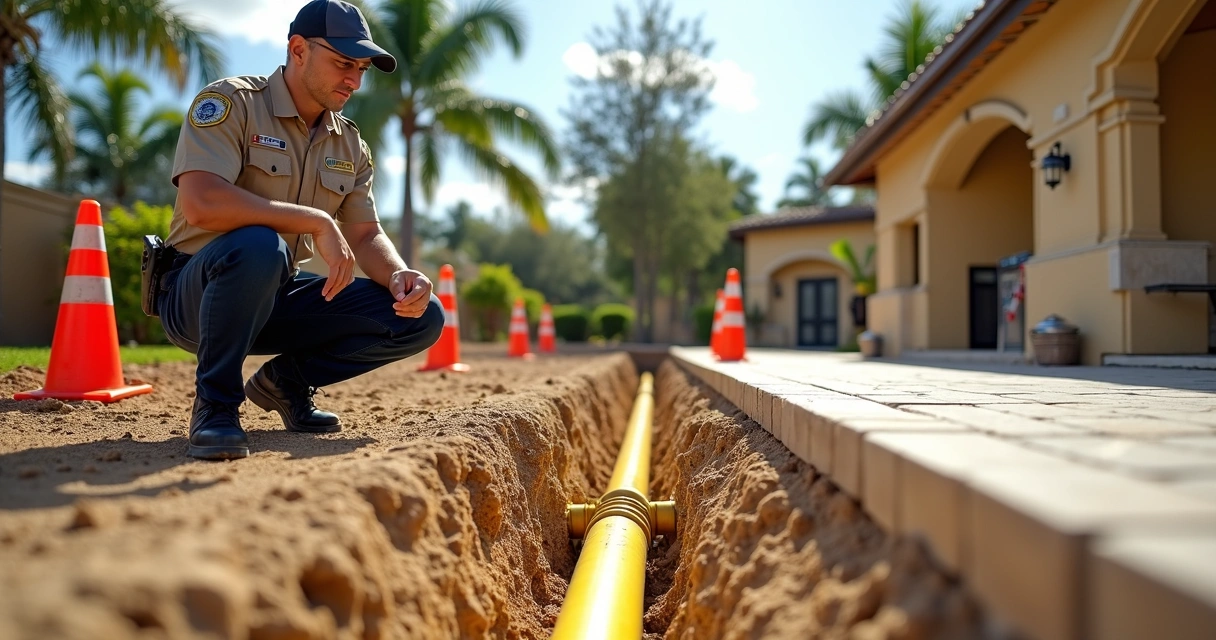
Local authorities have the final say, and requirements can shift between places like Orlando, Lakeland, and other cities. A professional, like GCM Best Services, will manage the permit process and schedule inspections as required for compliance and peace of mind.
Natural gas vs. propane: What’s the difference for outdoor kitchens?
Choosing between natural gas and propane impacts everything from design to cost. In Florida, both options are common, but your property location often makes the decision for you.
- Natural gas: Best suited for homes already equipped with it via a meter. Low ongoing costs, no tank deliveries. Requires running a gas line from your meter (usually at the side of the home) to your kitchen.
- Propane: Used in areas without gas utilities. Tanks can be above or below ground, and setup involves additional safety rules for placement, refilling, and ventilation.
Either way, the pipe sizing and type, regulator selection, and shut-off placement must fit your chosen gas type and appliances—right to the letter of the code.
Designing the layout: Pipe runs, shutoffs, and future flexibility
Experienced planning keeps your gas line out of sight, away from roots or traffic, and protected from Florida’s fluctuating water tables and wind-driven storms. Here’s how we approach each layout:
Routing the gas line
Ideally, the route follows a direct, logical path with minimal turns. Each bend or connection point is a potential leak site or inspection fail point. We always consider:
- Shortest route from gas source (meter or tank) to kitchen appliances
- Trenches away from large tree roots, buried cables, irrigation, and drainage
- Easy access for shutoff valve at or before entry to the outdoor kitchen
- Leave room for future appliances—sometimes just a capped tee fitting
Shut-offs, unions, and drip legs
Code usually requires at least one shutoff valve before the outdoor section, and another at the appliance itself. Drip legs at low points remove condensation. Unions let appliances be swapped without cutting pipe.
Accommodating future needs
We’ve seen many clients thrilled when their original kitchen included stubs for a future heater or a quick-connect port for a portable fire feature. At minimal extra labor, the value of this flexibility grows year after year.
Choosing the right materials for gas lines in Florida
Gas piping must meet both code and site demands. The options are defined by usage, location, and more recently, advances in safety tech. The most typical pipe types include:
- Black iron pipe: Tried and true indoors or above ground. However, rust is a concern in Florida’s humidity and not approved underground without proper protection.
- CSST (Corrugated Stainless Steel Tubing): Flexible, reduces joints and leak risks, but needs extra lightning bonding and protection from sunlight or impact. It’s often routed inside a protective conduit below ground.
- Polyethylene (PE) plastic pipe: Specifically designed for underground gas use. Durable and rust-proof but requires proper transition fittings and marking tape above the run.
All underground gas lines must be clearly marked, pressure-rated, and fitted with testable connections.
Choosing the right piping is not just about durability; it is also about inspections and approvals. Mistakes—like using indoor-rated iron outdoors—can delay projects, fail codes, and endanger safety.
Installation process: Step-by-step for safety and durability
Most of the clients we work with in Orlando and across Central Florida expect both long-term safety and fast turnarounds. The following step-by-step approach has proven reliability and efficiency:
- Design and planning: Confirm appliance types, pipe length, and correct sizing. Plan shut-off locations and routes that meet code and practical needs.
- Obtain permits: Submit plans, product specs, and a site diagram to the local jurisdiction. No digging starts before approval.
- Site preparation: Mark the trench route. Call 811 for utility location. Safely trench to required depth.
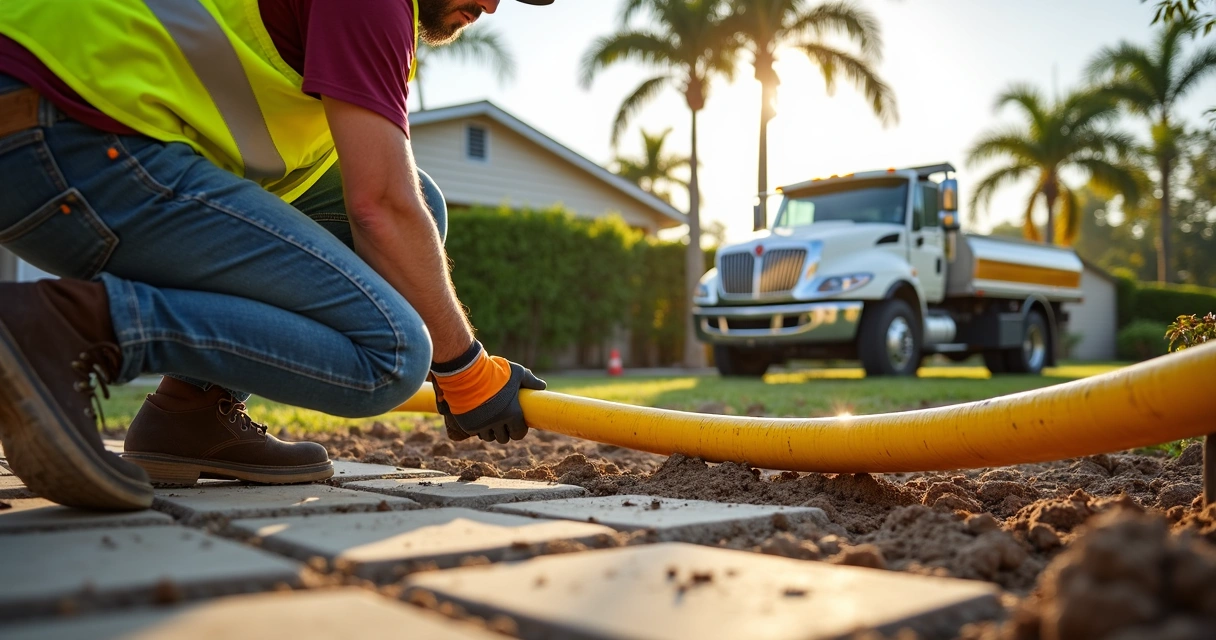
- Lay piping and protection: Install piping, pressure test, and cover with sand or stone per code. Mark with yellow tape at least 6 inches above pipe for easy future location.
- Connections: Terminate the line with an outdoor-rated, accessible shutoff valve. Connect only appliances rated for outdoors and double check regulator settings.
- Pressure test and inspection: All joints and lines must be tested (usually at 15 psi for at least 15 minutes) and inspected by a city or county official.
- Final appliances and startup: Once passed, connect the appliances, light pilots, and check for leaks a final time with a soapy water test at all joints.
“Permits, pressure testing, and a city inspection provide safety you can see and trust.”
Common mistakes and hazards—what we see in Florida projects
After years installing outdoor kitchens, we have seen well-meaning DIY attempts and even a few amateur contractors introduce risks like:
- Using the wrong pipe (indoor iron, garden hose, or off-brand plastic) that rusts, leaks or fails inspection
- Skipping pressure tests, allowing undetected leaks at joints or valves
- Burying pipes too shallow—risking damage from landscaping, vermin, or flooding
- No protection tape or conduit, making it impossible to find lines later
- Not pulling a permit—which can void home insurance and delay real estate transactions
All these errors add cost, but more importantly, create lasting life-safety risks for the property and anyone using the outdoor kitchen.
How we approach safe gas line installation at GCM Best Services
At GCM Best Services, running gas lines for outdoor kitchens is just one part of a much broader process. Our approach protects your investment, your safety, and your peace of mind throughout. Here’s how we approach every project:
- Clear communication: We walk you through the process—design, permits, scheduling, and regulations—so you know what to expect.
- Professional preparation: We handle all permitting and HOA communications, provide stamped drawings when required, and coordinate city inspections.
- Photos and documentation: Step-by-step image records and a written warranty come with every project, giving you clear proof for insurance or resale purposes.
- Respect for your time: We work on an agreed schedule, keep the site clean and OSHA-safe, and minimize disruption to your daily life.
- Expertise: Our team understands not only gas lines but how they work with other features: concrete, drainage, landscaping, patios, and screen enclosures. This holistic view prevents conflicts and adds value.
You can read more about our approach and how we manage hardscaping projects that often include gas lines and outdoor kitchens on our Hardscaping blog section and on our Orlando hardscape solutions page.
Integrating gas lines with patios, pavers, and drainage
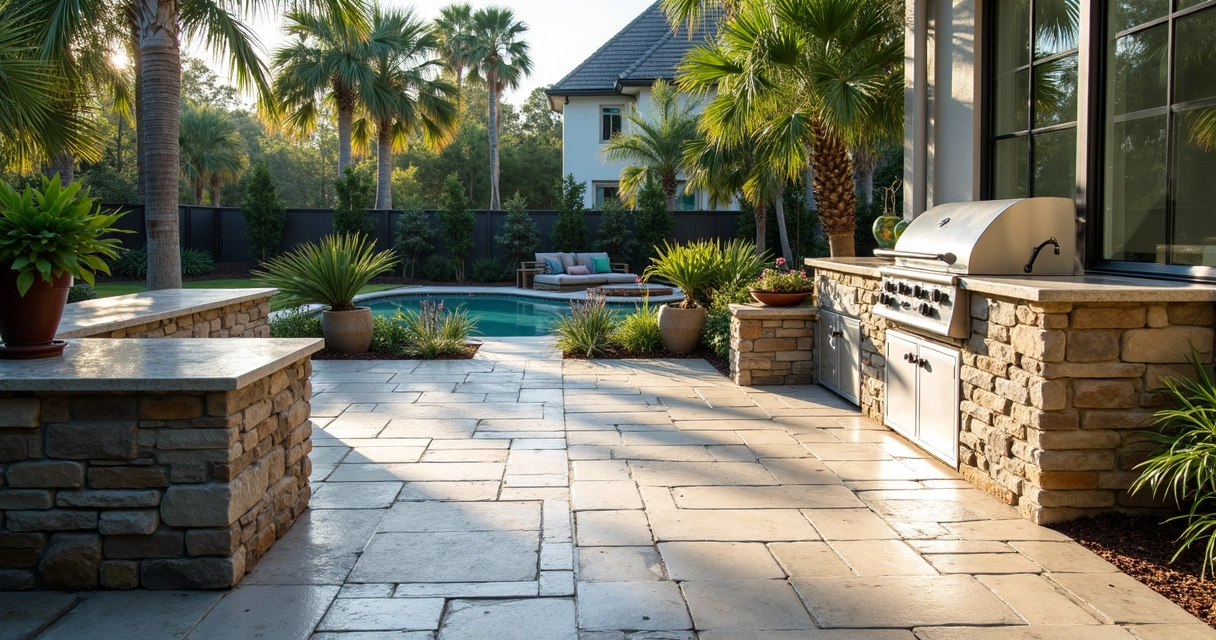
Running a gas line isn’t just a utility job—it’s part of the whole outdoor living design. On projects in Central Florida, we often coordinate with concrete, paver, and drainage works to ensure beauty and function go hand-in-hand:
- Gas lines installed before concrete slabs or patios avoid unnecessary cuts or expensive repairs later.
- With pavers, we lift and reset stones, integrating flexible gas piping and protective sleeves, then re-level for an undisturbed look.
- Drainage always matters. We avoid low points where pipes could trap water and direct runoff away from gas shut-offs and appliance hookups.
See more about how we integrate these services for driveways, patios, and outdoor kitchens on our driveway and patio paving in Orlando and our driveway and patio paving solutions page.
Why professional installation and permits are always worth it
Sometimes we’re asked if a permit is really required, or if hiring a licensed contractor is worth the overhead compared to “just running a line.” Here’s what we see, and why doing it right always pays off:
- Permits protect you by ensuring inspections, insurance coverage, and no unexpected code violations when selling or refinancing your home.
- Professional work means fewer callbacks for repairs or failed inspections.
- A single gas incident—either leak or improper appliance hookup—can cause expensive property loss or even loss of life.
- Insurance companies increasingly deny claims for fires or leaks traced to unpermitted, unlicensed work.
- Code compliance increases home value and reassures future buyers—especially in Florida, where weather risks and insurance scrutiny are high.
“Permitted, inspected work gives you peace of mind for years.”
Long-term safety, warranties, and maintenance
Once your outdoor kitchen is up and running, don’t skip on occasional checks and maintenance:
- Visually inspect pipe routes for signs of settling or physical damage.
- Periodically check connections at appliances for leaks using soapy water.
- If you notice any gas smell, turn off the supply and call your installer or utility immediately.
- At GCM Best Services, we provide a written warranty and maintenance guide with each job—another layer of protection for your investment.
Ready to create your dream outdoor kitchen? Take the first step towards safety, convenience, and lasting value by scheduling a site visit with GCM Best Services.
We serve Orlando, Tampa, and the greater Central Florida area—with a record of on-time, code-compliant, and beautiful exterior projects that blend function and design.
Ready for a professional quote? 📞 (407) 250-1948 • 24–48h • Orlando, Tampa & area.
Conclusion
Running gas lines for an outdoor kitchen in Florida takes careful design, quality materials, and skilled installation to ensure lasting safety and code compliance. We approach every project at GCM Best Services with the experience and attention to detail you expect from a fully licensed, insured contractor. From the first sketch to the final walk-through, our process integrates your outdoor kitchen seamlessly with patios, pavers, drainage, and the kind of reliable warranties that make outdoor living a pleasure, not a worry. If you’re ready to upgrade your home and lifestyle, let us bring expertise and peace of mind to your outdoor kitchen build.
Frequently asked questions about running gas lines for outdoor kitchens in Florida
How much does it cost to run gas lines?
Costs depend on pipe distance, number of appliances, trenching needs, materials (such as black iron or PE), and local codes. In Florida, most outdoor kitchen gas line installs by professionals like GCM Best Services for a typical layout range from $800 to $2,500, but long pipe runs, difficult trenching, or adding multiple gas appliances can raise that figure. Accurate estimates require an on-site assessment, accounting for permits and inspections.
Do I need a permit for outdoor gas lines?
Yes, permits are required by every Florida city and county when running new or extended gas lines to outdoor kitchens or appliances. Permits ensure inspections, compliance with safety codes, and protect both you and future property buyers. Skipping this step can lead to fines, failed inspections, or issues with insurance claims.
What type of gas pipe is best?
For underground installation in Florida, PE (polyethylene) gas pipe is the top choice for most buried runs due to its durability in wet and sandy soils. Above ground or inside walls, schedule 40 black iron or approved CSST tubing is common. Pipe selection should always match local codes, the environment, and appliance requirements.
Can I install gas lines myself?
We do not recommend homeowners install gas lines themselves because of the safety risks, permit complexity, and code requirements. Most Florida jurisdictions require licensed professionals for gas line installation. DIY gas work can lead to failed inspections, leaks, or even accidents that put property and lives at risk.
What safety tips should I follow?
Always schedule a licensed and insured installer for gas work, use only code-approved materials, and ensure all work is inspected and tested before use. Keep visible shut-off valves accessible, never ignore the smell of gas, and regularly check outdoor connections for leaks using soapy water. Maintain your system per the warranty guide provided, and always follow up with professionals if you notice anything unusual.