Primary keyword: epoxy flooring resurfacingVariants: epoxy floor repair, professional epoxy resurfacing, signs epoxy floor needs resurfacing
Audience: Homeowners and business owners with existing epoxy floors in garages, warehouses, or retail spaces who need durable, attractive flooring with minimal downtime.
Pain/Benefit: Floors showing wear or damage threaten safety, appearance, and investment—resurfacing restores value, extends life, and improves performance.
Epoxy flooring stands up to heavy traffic and Florida’s climate, but even the toughest surfaces need help over time. Knowing when your floor needs professional attention prevents small issues from becoming big, costly repairs down the road. Resurfacing at the right time keeps your investment protected and your space looking sharp.
In this article, we at GCM Best Services explain the clear signals your epoxy flooring gives you when it’s time to consider professional resurfacing. If you notice any of these five warning signs in your Central Florida garage, warehouse, or retail area, you can act before issues get worse—avoiding safety risks, lost curb appeal, and business downtime.
Contents
- Why early resurfacing matters for epoxy floors
- Sign #1: Visible cracks, chips, and damage
- Sign #2: Dull, faded, or uneven color
- Sign #3: Loss of gloss, texture, or slip resistance
- Sign #4: Peeling, bubbling, or delamination
- Sign #5: Persistent stains and chemical damage
- Our resurfacing process and why expertise matters
- How GCM Best Services approaches epoxy flooring in Central Florida
- Conclusion: Take action when you see these signs
- Frequently asked questions
Your floor’s first repair is usually its most valuable.
Why early resurfacing matters for epoxy floors
We believe prevention always beats reaction. Early resurfacing of an epoxy floor is more than cosmetic—it protects the concrete underneath and avoids structural failure. Based on a recent materials study of epoxy flooring composites, the mechanical performance of some epoxy systems is influenced by installation practices, environmental exposure, and surface maintenance.
When problems go untreated, they spread fast. Water and chemicals penetrate cracks, reaching the slab below. This increases the risk of:
- Substrate deterioration
- Mold or mildew in humid environments
- Trip hazards and injuries
- Insurance issues (if damage is not addressed)
In Central Florida specifically, heat, humidity, and storms push materials to their limits. Our clients with garages, commercial showrooms, or retail spaces see issues accelerate if ignored for too long. Addressing damage when it first arises means a cleaner, safer, and longer-lasting result.
Sign #1: Visible cracks, chips, and damage
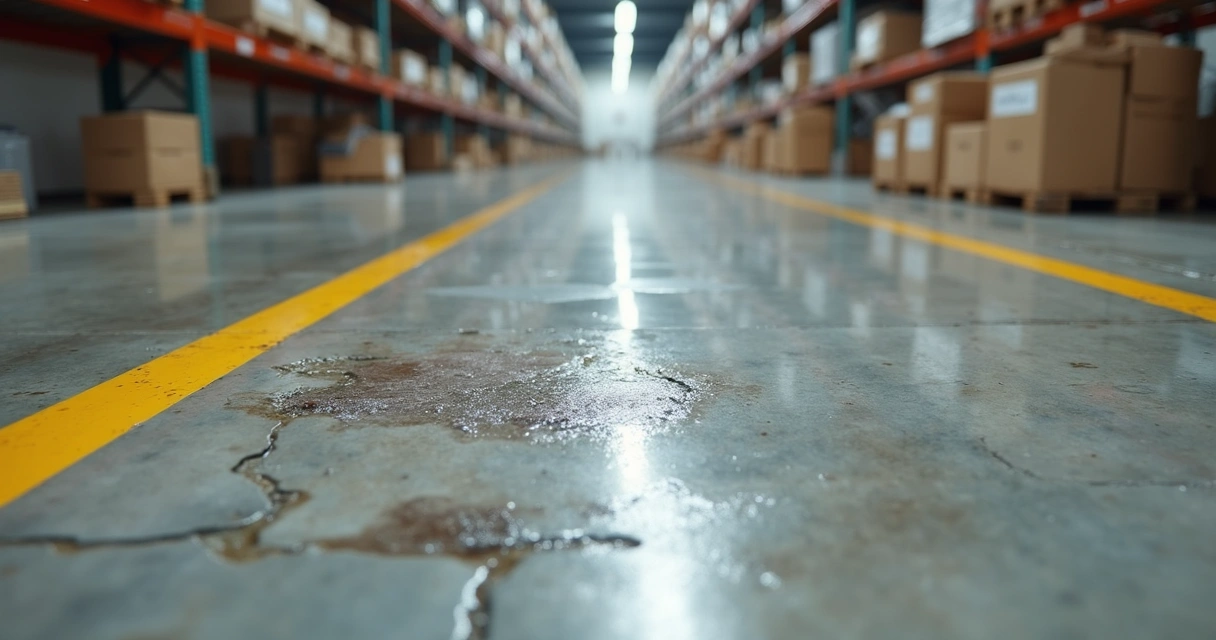
Cracks, chips, and holes are the earliest, most obvious signs that your epoxy surface needs attention. In our experience, these typically appear in:
- High-traffic walkways
- Areas prone to dropped tools or heavy impacts
- Edges where the floor meets walls, drains, or door thresholds
If you see cracks that spread, chips that collect dirt, or missing chunks of flooring, don’t ignore them. Even “hairline” cracks can be the start of something bigger. According to the General Services Administration’s technical guidance, patching and resurfacing are key to halting further deterioration and maintaining both appearance and lifespan.
Some consequences of ignoring visible damage:
- Water seeps into the underlying concrete, weakening it over time
- Chipped areas create trip hazards
- Appearance suffers, hurting property value and business image
Professional resurfacing fills and reinforces these areas, restoring the floor’s strength, smoothness, and seamless look.
Sign #2: Dull, faded, or uneven color
Epoxy floors are prized for their vibrant, consistent color. But sun, spills, frequent cleaning, and even tire marks can dull or discolor them. If your floor looks patchy, with faded spots or uneven tones, this is more than just a cosmetic problem.
We often see faded epoxy in:
- Sun-exposed garages and patios
- Warehouse floors near roll-up doors
- Retail spaces with high foot traffic
Color fade is a signal that the protective layer (the topcoat or sealer) is wearing thin, leaving the underlying material exposed to faster wear and stains.
Once the color breaks down, dirt and contamination set in, making cleaning harder and reducing traction. If the surface looks tired or has lost its rich, glossy appearance, it’s time to discuss resurfacing. A new topcoat or color layer will both restore appearance and lock in new protection for years.
Sign #3: Loss of gloss, texture, or slip resistance
One of epoxy’s greatest benefits is its forgiving, easy-to-clean shine. When epoxy is in top shape, light bounces off it evenly. If your floor suddenly goes flat or chalky—or you notice some spots are smoother or slicker than others—that means the finish has worn away or is contaminated.
Shiny floors aren’t just about looks. They signal protection.
Common causes for loss of gloss/texture include:
- Too-frequent mopping with harsh chemicals
- Heavy wheeled equipment grinding down the finish
- UV exposure in open or semi-outdoor spaces
In our projects at GCM Best Services, we often test for slip resistance when clients mention dullness or falls. A faded finish quickly turns into a liability for homes, businesses, and public buildings. If your floor has gone from glossy to gritty, or you experience more slips and slides, resurfacing restores that lost grip and peace of mind.
Sign #4: Peeling, bubbling, or delamination
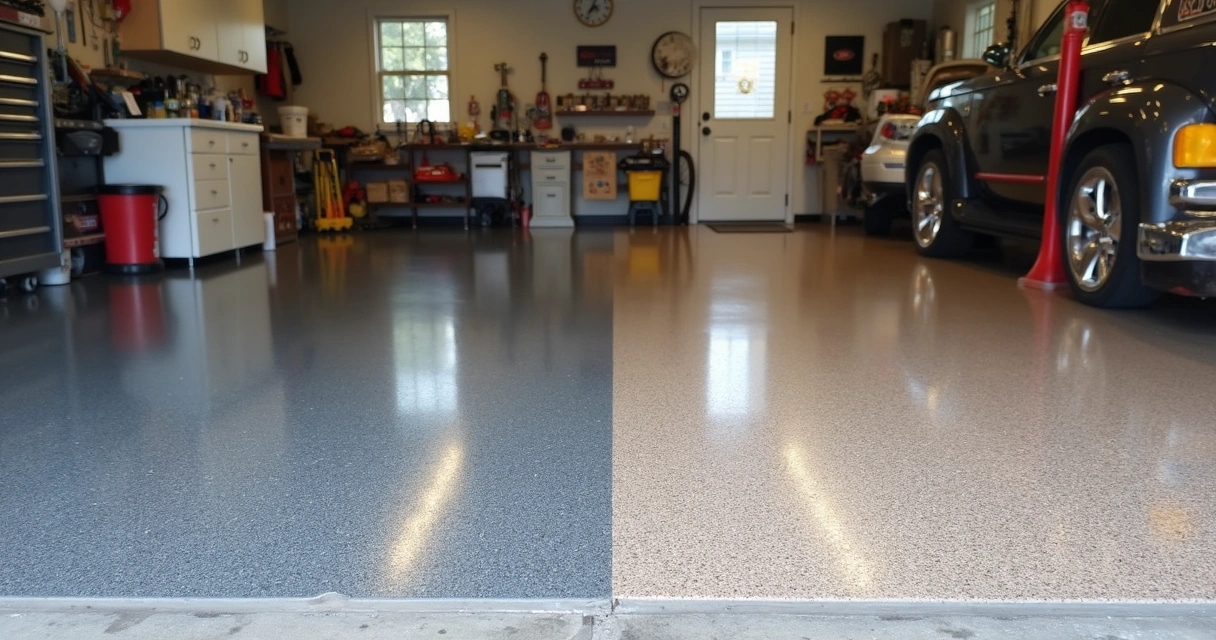
Peeling and bubbling are unmistakable red flags for anyone with an epoxy floor. These failures mean the coating has lost its bond with the concrete or underlying epoxy layers, often because of:
- Moisture vapor or water leaks from the slab below
- Poor surface prep during initial install
- Freeze/thaw cycles or sudden temperature shifts
- Improper patching after earlier repairs
Delamination (when large sheets start to come loose) is even more serious—it exposes the slab to extra wear, dust, and stains. We’ve seen floors that looked fine in the center but started peeling at the edges, working their way inward over just a few months with Florida humidity and summer rain.
If you spot bubbles under the surface, blisters, or places where the epoxy can be pried up, we strongly urge a professional assessment. DIY patching will not stop the spread—moisture testing, grinding, and re-priming are usually needed for lasting fixes.
In our experience, catching delamination early lets us restore the floor with minimal disruption. Waiting leads to full removals, higher costs, and more downtime.
Sign #5: Persistent stains and chemical damage
Epoxy’s chemical resistance is impressive, but even it has limits. In auto shops, warehouses, and residential garages, we often see stains that just won’t go away—oil, brake fluid, bleach, or industrial chemicals can etch the surface if left for too long.
When stains become permanent, the epoxy’s barrier is broken.
Other common signs of chemical wear include:
- Local discoloration, burns, or spots that look like “melting”
- Sticky or tacky areas where the coating has reacted with spills
- Patches that become rough, chalky, or soft to the touch
When we perform resurfacing, we grind out these areas and re-coat with specialty formulations suited to the chemicals your floor faces. For homes and businesses in the Orlando area, this keeps stains from reaching the concrete and causing permanent, expensive damage (research supports this).
Our resurfacing process and why expertise matters
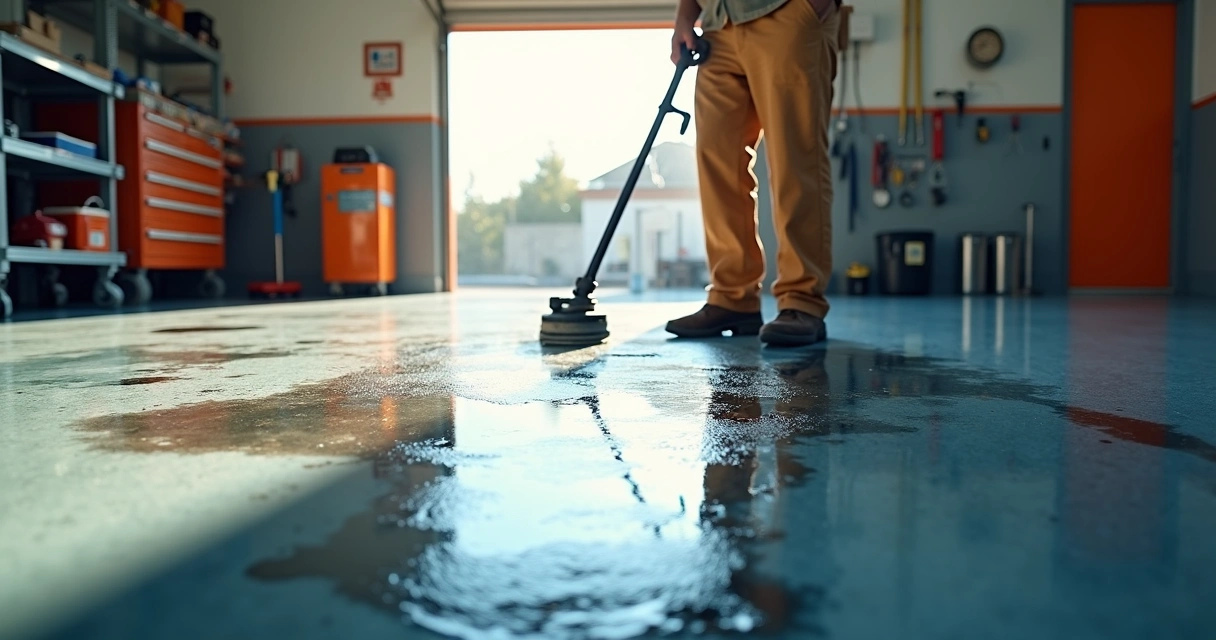
Resurfacing is more involved than just painting over the surface. At GCM Best Services, we follow a careful, multi-step process tailored for each situation:
- Surface and moisture testing (identifies underlying issues like vapor or leaks)
- Grinding old epoxy and repairs for sound adhesion
- Filling cracks and holes with compatible resins
- Installing the right primer for your slab and site conditions
- Applying new 100% solids epoxy or polyaspartic topcoats
- Broadcasting flakes, quartz, or sand for texture and traction if needed
- Final sealing for UV and chemical resistance
Each step fixes a previous flaw or guards against future damage—cleaning, patching, and prepping are what set professional resurfacers apart from quick-fix methods.
Our team always finishes with a photo-documented walkthrough, warranty, and easy maintenance guide, giving you real peace of mind.
How GCM Best Services approaches epoxy flooring in Central Florida
We know Central Florida’s unique flooring challenges—high humidity, summer heat, and ever-changing uses for space. At GCM Best Services, we respond with solutions designed for the local environment:
- Moisture and vapor testing to prevent bubbling and peeling
- Fast, low-odor polyaspartic systems for businesses that need quick return-to-service
- Slip-resistant finishes that hold up to rain, cleaning, and foot traffic
- Color matching and design for retail or showroom appeal
- Permitting and HOA support for all exterior and garage resurfacing
- Integration with other improvements like concrete, drainage, or turf (see our hardscaping category)
We stay clear in our communication. You’ll know exactly what’s going on before, during, and after your project.
For readers interested in more details on our concrete and outdoor services, our team wrote guides on preventing cracks in concrete patios and driveways as well as a full licensed contractor’s guide to concrete repair in Central Florida. Our concrete blog category has more insights too.
Conclusion: Take action when you see these signs
If you see cracks, color loss, surface dullness, peeling, or stubborn stains, your epoxy floor is calling out for help. Resurfacing is a proactive step—done early, it preserves your property, controls costs, and upholds safety. In our experience with hundreds of Central Florida jobs, catching these issues quickly saves money and worry.
Living or working in Orlando or the Tampa Bay area? We offer quick, professional on-site assessments, detailed written estimates, and reliable timelines—always with photographic proof and written warranties. To talk to a real specialist and get your floor looking like new, call us for a professional quote:
Ready for a professional quote? 📞 (407) 250-1948 • 24–48h • Orlando, Tampa & area.
Take the first step toward a floor that lasts for years, not just months. When you’re ready, GCM Best Services brings experience, communication, and peace of mind straight to you.
Frequently asked questions
What is epoxy flooring resurfacing?
Epoxy flooring resurfacing is a process where a new layer of epoxy coating is applied to an existing floor to restore its look, performance, and safety. The process often includes grinding or stripping off worn finishes, repairing cracks or chips, and then applying a high-solids epoxy or polyaspartic topcoat. This gives the floor a renewed surface that is glossy, strong, and resistant to stains, chemicals, or wear. For garage, warehouse, and commercial floors in Central Florida, resurfacing can extend the usable life of your flooring and protect the underlying concrete.
How much does resurfacing epoxy floors cost?
Costs for professional epoxy resurfacing in Central Florida vary based on floor size, the extent of damage, thickness of coating needed, surface prep required, and design elements like flakes or quartz. As a general rule, residential garages and small commercial projects may cost $4–$10 per square foot, while larger projects can be more cost-effective per square foot. Value increases for jobs with extensive prep or quick-turnaround requirements. We always provide free, detailed estimates so you know what to expect before we begin.
How do I know my floor needs resurfacing?
Your floor likely needs resurfacing when you notice cracks, chips, or holes; fading or uneven color; dull or slippery spots; peeling, bubbling, or delamination; or stains that won’t clean up. These warning signs mean your protective coating has weakened, which risks further damage to both the coating and the slab below. If you are unsure, we recommend an on-site inspection by professionals. Catching issues early is the best way to avoid bigger repairs later.
Is it worth it to resurface epoxy floors?
In most cases, yes. Resurfacing restores both appearance and functionality to existing floors while saving the effort and mess of full removal and replacement. It extends the service life of your investment, brings fresh gloss, and can also add new safety and style features. Most of our clients in Central Florida find that the improved durability and lower maintenance more than justify the cost, especially compared with letting damage grow worse or starting over from scratch.
Where can I find epoxy flooring experts?
If you are in the Orlando or Tampa Bay area, GCM Best Services has a proven track record in professional epoxy floor resurfacing for homes, garages, businesses, and retail. Our team is licensed, insured, and understands the unique needs of Central Florida’s climate, customers, and regulations. For more on our paver, concrete, and hardscaping work, including related services, you can see our guides on choosing a concrete company in Orlando and our hardscaping projects. Reach out for a quote or just to ask questions about your flooring—no obligation, just honest advice.